
Electric mountain bikes, or e mountain bikes (e-MTBs), have changed how people experience off-road cycling. They combine traditional mountain bike design with advanced electric technology, letting riders climb steep hills, travel farther, and enjoy trails that once seemed too difficult. For newcomers, the way these bikes work can feel mysterious. Are they just regular bikes with motors? How does the technology help, and what should you know before riding one? This article explains, in simple and clear words, how e mountain bikes work, what makes them unique, and why they’re becoming so popular.
What Is An E Mountain Bike?
An e mountain bike is a mountain bicycle with a built-in electric motor. This motor helps you pedal, making it easier to ride up hills, through mud, and over rough terrain. E mountain bikes look very similar to traditional mountain bikes, but they have extra parts: a motor, a battery, and a controller. These work together to give you extra power when you need it.
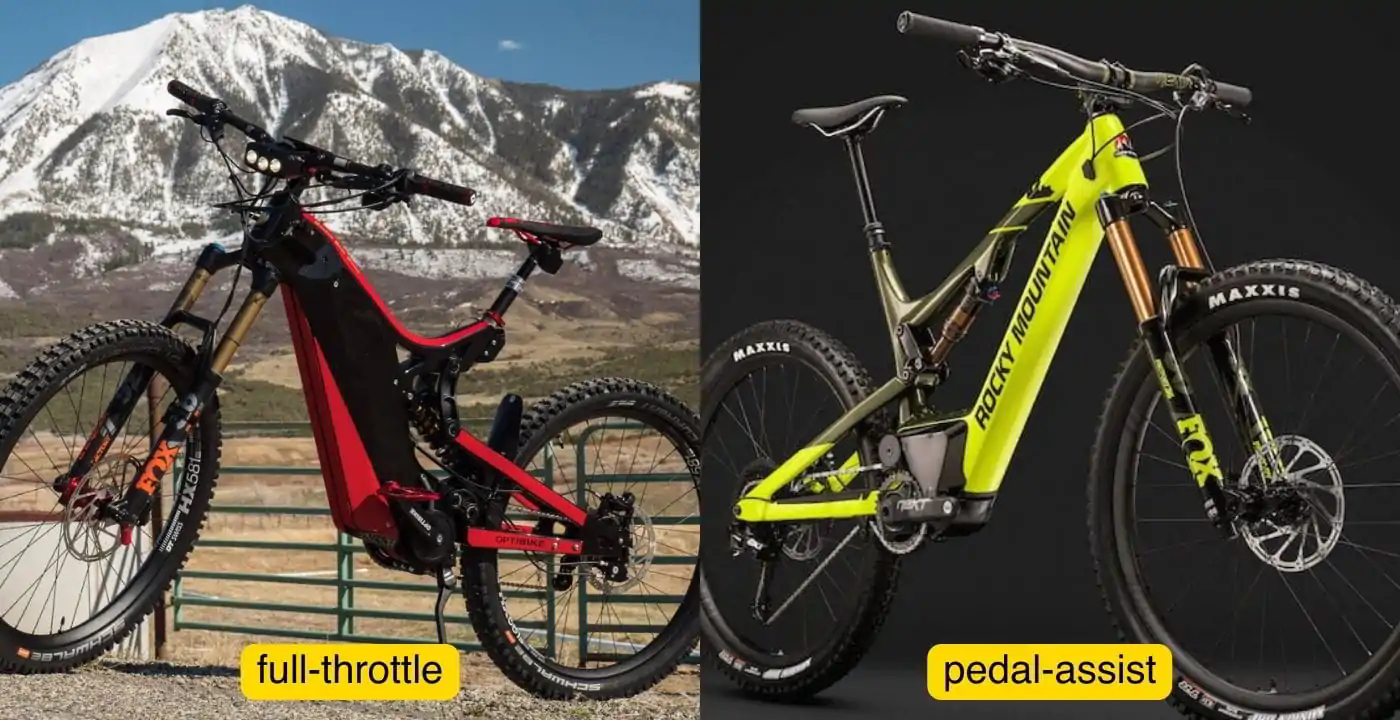
There are two main types of e mountain bikes:
- Pedal-assist (Pedelec): The motor only works when you pedal. It gives you a boost, but you still have to put in some effort.
- Throttle-based: The motor can work even if you do not pedal. You press a throttle, and the bike moves by itself. These are less common for mountain biking and may not be legal everywhere.
Most e-MTBs use the pedal-assist system because it feels natural and is accepted in more places.
Main Components Of An E Mountain Bike
E mountain bikes have several parts that work together. Understanding these is key to knowing how the bike works.
The Electric Motor
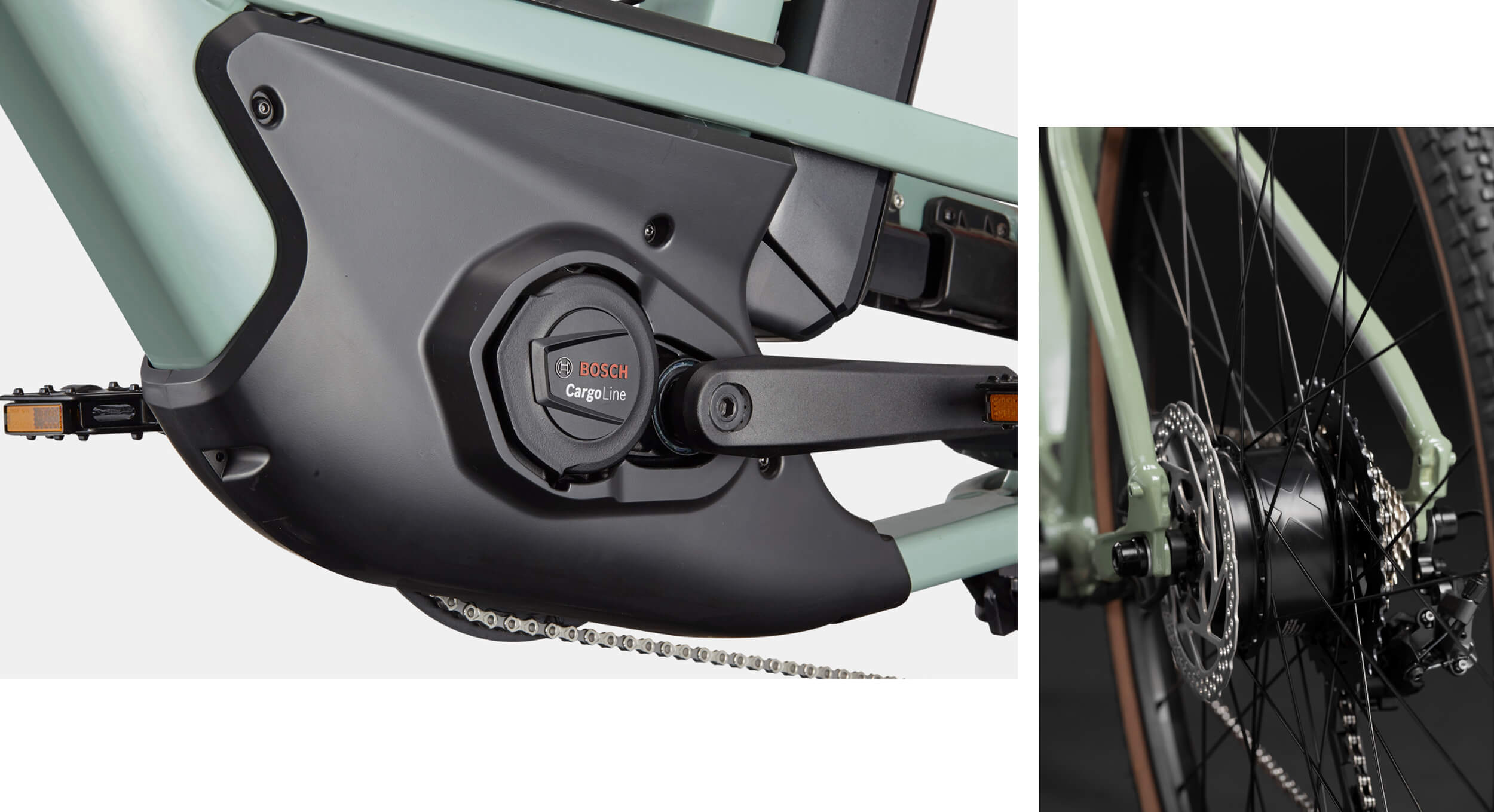
The motor is what gives you extra power. It is usually placed in one of two places:
- Mid-drive motor: Located at the center of the bike, where the pedals are. This is the most common for e-MTBs. It makes the bike balanced and uses the bike’s gears efficiently.
- Hub motor: Placed in the center of the rear or front wheel. It is simpler but less common for off-road bikes.
Mid-drive motors are preferred for mountain biking because they provide better handling and climbing ability. Popular brands include Bosch, Shimano, and Brose.
Motor Power
Motor power is measured in watts (W). Most e-MTBs have motors between 250W and 750W. In many countries, the legal limit for e-bikes is 250W to 500W for trail use.
Torque
Another important measure is torque, shown in Newton meters (Nm). Torque tells you how much turning force the motor delivers. For steep or rough trails, higher torque (like 70-90 Nm) is better.
The Battery
The battery stores the energy for the motor. It is usually a lithium-ion battery, similar to those in laptops or electric cars.
- Capacity is measured in watt-hours (Wh). More Wh means you can go farther.
- Common e-MTB batteries have 400Wh to 700Wh.
Batteries are often removable, so you can charge them at home or swap them for a fresh one during long rides.
The Controller And Display
The controller is the “brain” of the system. It manages power delivery and connects the motor, battery, and sensors.
The display (often on the handlebars) shows:
- Speed
- Battery level
- Power mode
- Range estimate
Some advanced displays offer GPS and Bluetooth features.
Sensors
E mountain bikes use sensors to measure how hard you pedal and how fast you go. These sensors help the controller decide how much help to give.
- Torque sensor: Measures how hard you push the pedals. More force = more motor power.
- Cadence sensor: Measures how fast you pedal. This is simpler but less sensitive.
- Speed sensor: Measures wheel speed.
Most quality e-MTBs use torque sensors for a natural riding feel.
Drive System
The drive system connects the motor to the wheels. In mid-drive motors, the motor turns the chain, so you use the bike’s gears. Hub motors turn the wheel directly.
A good drive system makes sure the power is smooth and matches your effort.
How Does Pedal-assist Work?
Pedal-assist is at the heart of how e mountain bikes function. When you start pedaling, the sensors detect your effort. The controller takes this data and tells the motor to deliver power. The harder you pedal, the more assistance you get.
You can usually choose from different assist levels:
- Eco: Low help, best for saving battery.
- Trail/Normal: Medium help for most situations.
- Turbo/Boost: Maximum help for steep climbs or tough terrain.
For example, if you set the bike to Trail mode and start climbing, the motor will give you enough power to make the climb easier, but you still need to pedal. If you switch to Turbo, you get the most help, but the battery drains faster.
How Far Can You Ride? (range Explained)
One of the most common questions is, “How far can I go on a single charge?” The answer depends on several factors:
- Battery size: More Wh = more distance.
- Assist level: Eco mode goes farther than Turbo.
- Rider weight: Heavier riders use more power.
- Terrain: Hills and rough trails use more energy.
- Riding style: Fast starts and stops use more battery.
Most e-MTBs can go 20-50 miles (32-80 km) per charge, but this can change a lot. Some riders get up to 60 miles on gentle trails and low assist.
Here’s a simple comparison:
| Battery Size (Wh) | Eco Mode (Miles) | Turbo Mode (Miles) |
|---|---|---|
| 400 | 40 | 20 |
| 500 | 50 | 25 |
| 625 | 62 | 31 |
This is a rough guide. If you use high assist on steep trails, range will be shorter.
How Do E Mountain Bikes Handle Different Terrain?
E mountain bikes are built for off-road trails. The electric assist helps in several ways:
- Climbing hills: The motor gives extra power, making steep climbs much easier.
- Rough surfaces: Roots, rocks, and mud are less tiring because the motor helps keep speed.
- Long rides: You can travel farther without getting as tired.
The bike’s suspension, tires, and frame are still important. E-MTBs are heavier (often 45-55 lbs / 20-25 kg), but the motor makes up for this on the trail.
Downhill And Technical Riding
E-MTBs handle well on downhills. The extra weight gives more grip. Some riders say you feel more stable, but it can be harder to change direction quickly.
In tight turns, the heavier bike feels different. It takes practice to get used to the extra weight, but many find it easier to maintain speed and control.
Climbing Power
With a mid-drive motor and high torque, e-MTBs can climb trails that most riders would walk with a regular bike. You still need balance and skill, but the motor takes away much of the struggle.
Power Modes And Customization
Most e mountain bikes let you choose power modes to match your needs. Common modes are:
- Eco: Best for long rides and gentle terrain.
- Tour/Trail: Good balance for mixed trails.
- Sport/Boost/Turbo: Maximum power for tough climbs or fun bursts.
Some advanced systems let you customize modes with a smartphone app. You can adjust how much power each mode gives, track your rides, or even lock the bike with a code.
Credit: emountainbikekings.com
The Role Of Gears And Shifting
Even with a motor, gears are important. The motor works best when you use the right gear for the terrain.
- Lower gears: Best for climbing. The motor helps you spin the pedals easily.
- Higher gears: Good for flat trails or going fast.
With a mid-drive motor, shifting gears keeps the motor working efficiently. If you use the wrong gear (like a very hard gear on a steep hill), the motor will use more energy and the battery will drain faster.
Tip: Shift gears just before you start a climb, not in the middle. This keeps the chain and motor happy.
E Mountain Bike Vs. Regular Mountain Bike
Wondering how e-MTBs compare to traditional mountain bikes? Here’s a simple side-by-side:
| Feature | E Mountain Bike | Regular Mountain Bike |
|---|---|---|
| Power | Electric motor + your pedaling | Your pedaling only |
| Weight | 45-55 lbs (20-25 kg) | 25-35 lbs (11-16 kg) |
| Range | 20-50 miles per charge | Limited by your fitness |
| Climbing Ability | Excellent, less effort needed | Challenging on steep climbs |
| Maintenance | More complex (motor, battery) | Simpler, fewer parts |
| Price | $2,500-$10,000+ | $500-$7,000 |
Both types give a great ride, but e-MTBs let more people enjoy tough trails.
Charging And Battery Care
Taking care of the battery is important for a long-lasting e-MTB.
- Charging time: Most batteries take 3-6 hours to fully charge.
- How often: Charge after each ride or when the battery is low. Do not let it fully drain often.
- Storage: Keep batteries cool and dry. If not using for a long time, store at 50-70% charge.
- Cleaning: Do not use a high-pressure hose near the battery or motor.
A well-cared-for battery can last 500-1000 charge cycles or about 2-5 years with regular use.
Maintenance And Common Issues
E mountain bikes need more care than regular bikes. Here’s why:
- More parts: Motor, battery, and electronics need checking.
- Wear and tear: E-MTBs are heavier and more powerful, so chains, brakes, and tires wear out faster.
- Software updates: Some systems need updates for best performance.
Maintenance Checklist
- Check the chain: Lubricate and replace if stretched.
- Inspect the brakes: Heavier bikes need strong brakes. Replace pads often.
- Update software: Check the manufacturer’s app or website.
- Clean the bike: Use a damp cloth around electronics. Avoid spraying water near the motor/battery.
- Check connections: Make sure wires and plugs are tight and clean.
Tip: If you hear grinding or see error messages, visit a certified e-bike shop. DIY repairs on motors or batteries can void warranties or be dangerous.
Who Should Ride An E Mountain Bike?
E mountain bikes are for everyone, but they especially help:
- Riders with less fitness: You can enjoy tough trails without getting exhausted.
- Older riders: Keeps you on the trails as you age.
- Commuters who want off-road fun: Ride to work, then hit the trails on weekends.
- Adventure seekers: Cover more distance and see more.
- People with injuries: Ride again after recovering.
E-MTBs are not just for beginners. Many skilled riders use them for training, fun, or to ride with friends of different abilities.
Common Myths About E Mountain Bikes
There are many myths about e-MTBs. Let’s clear up a few:
- “It’s cheating.” Not true. You still have to pedal and use skill. The motor helps, but it’s not a motorcycle.
- “They’re too heavy to handle.” While heavier, the motor makes up for it, especially on climbs.
- “They damage trails more.” Studies show e-MTBs have a similar impact as regular bikes when used responsibly.
- “They’re only for old or unfit people.” Many strong riders use e-MTBs for longer adventures or recovery rides.
Laws And Trail Access
E mountain bikes are not legal everywhere. Some trails allow them, others do not.
Classes Of E-bikes
In the US, e-bikes are divided into classes:
- Class 1: Pedal-assist only, up to 20 mph (32 km/h). Most accepted on trails.
- Class 2: Throttle-assist, up to 20 mph. Sometimes restricted.
- Class 3: Pedal-assist, up to 28 mph (45 km/h). Usually for roads.
Most e-MTBs are Class 1. Always check local rules before riding. Many parks post signs or have information online.
Tip: Join a local mountain bike group to learn about legal trails and good riding etiquette.
E Mountain Bike Features To Consider
When choosing an e-MTB, look for these key features:
- Motor type and brand: Mid-drive motors from Bosch, Shimano, or Brose are reliable.
- Battery capacity: At least 500Wh for long rides.
- Frame design: Strong, lightweight, and fits your body.
- Suspension: Full suspension (front and rear) is best for rough trails.
- Brakes: Hydraulic disc brakes for strong stopping power.
- Weight: Lighter is better for handling, but more expensive.
- Display and controls: Easy to read and adjust while riding.
A good e-MTB is an investment. Test ride different models if possible.

Credit: www.youtube.com
Comparing Popular E Mountain Bike Models
Here’s a quick comparison of three popular e-MTBs:
| Model | Motor | Battery | Weight | Price (USD) |
|---|---|---|---|---|
| Specialized Turbo Levo | Brose 2.2 | 700 Wh | 48 lbs (21.8 kg) | $7,000+ |
| Trek Powerfly FS | Bosch Performance CX | 625 Wh | 52 lbs (23.6 kg) | $6,000+ |
| Giant Trance E+ | SyncDrive Pro (Yamaha) | 625 Wh | 49 lbs (22.2 kg) | $5,500+ |
These models all use mid-drive motors and large batteries for long range and power.
Advanced Features And Smart Tech
Modern e mountain bikes have smart features:
- Bluetooth and apps: Connect your phone to adjust settings, track rides, or update software.
- Walk mode: The motor helps push the bike uphill when walking.
- Anti-theft: Some bikes lock the motor or track the bike if stolen.
- Regenerative braking: Rare, but some systems recover energy when braking or going downhill.
Insight: Not all features are useful for every rider. Focus on what you need most (like battery size or simple controls) rather than extra tech.
How E Mountain Bikes Improve The Riding Experience
E mountain bikes make mountain biking more fun and accessible:
- Ride farther and longer: Cover more trails in a day.
- Climb steeper hills: No need to walk or avoid tough sections.
- Stay with friends: Riders of different fitness levels can enjoy the same ride.
- Enjoy more trails: Less fatigue means you can explore more.
- Train smarter: Use less assist for a workout, more for recovery days.
Non-obvious insight: Many riders find they actually ride more often with an e-MTB, because the experience is less tiring and more enjoyable.
Cost And Value
E mountain bikes are more expensive than regular mountain bikes. Prices range from $2,500 to $12,000 or more for top models. Why the high cost?
- Advanced motors and batteries
- Strong frames and components
- Electronics and software
While the upfront price is higher, many riders find the value in more frequent riding and new trail possibilities.
Non-obvious insight: Some local governments offer incentives or rebates for buying e-bikes. Check your area for possible savings.
Environmental Impact
Many people ask if e-MTBs are good for the environment. Compared to cars or motorbikes, e mountain bikes:
- Use less energy (1/100th of a car’s fuel for the same distance)
- Have a much smaller carbon footprint
- Do not produce exhaust or loud noise
Proper battery recycling is important. Most batteries can be recycled at local centers or bike shops.
For more on the environmental aspects, see this Wikipedia article on electric bicycles.
Safety Tips For Riding E Mountain Bikes
Staying safe is important. E-MTBs are faster and heavier, so good habits matter:
- Wear a helmet: Always.
- Check your speed: E-MTBs can go fast. Slow down on crowded trails.
- Keep your brakes ready: Heavier bikes need more stopping distance.
- Stay visible: Use lights or bright clothing if riding near roads.
- Ride within your limits: Don’t push too hard on unknown trails.
Tip: Practice on easy trails first to get used to the power and weight.
How To Get The Most From Your E Mountain Bike
To enjoy your e-MTB and make it last:
- Keep the battery charged
- Clean and lubricate the drivetrain
- Check tire pressure before each ride
- Update the motor software if needed
- Follow local trail rules
Pro tip: Plan your ride with the battery in mind. Use Eco mode for flat sections and save Turbo for the hardest climbs.
The Future Of E Mountain Bikes
E mountain bikes are still getting better each year. New motors are smaller and lighter, batteries last longer, and smart features are improving. Expect to see:
- Wireless shifting and controls
- Longer range batteries
- Better integration with apps and maps
- Lighter frames and better suspension
As e-MTBs become more common, more trails will allow them, and more people will enjoy mountain biking.
Credit: www.cannondale.com
Frequently Asked Questions
How Fast Can An E Mountain Bike Go?
Most e mountain bikes are limited to 20 mph (32 km/h) with electric assist. You can go faster downhill, but the motor will stop helping above this speed.
How Much Does An E Mountain Bike Weigh?
E mountain bikes usually weigh 45-55 lbs (20-25 kg). The motor and battery add weight compared to regular mountain bikes.
Can You Ride An E Mountain Bike Without The Motor?
Yes. If the battery is empty or the motor is off, you can pedal like a regular bike. However, the extra weight makes it harder, especially uphill.
How Long Does The Battery Last?
A battery usually lasts 500-1000 charge cycles or 2-5 years, depending on use and care. Range per charge is typically 20-50 miles.
Are E Mountain Bikes Allowed On All Trails?
No. Some trails allow e-MTBs, others do not. Always check local rules. Most legal trails allow Class 1 (pedal-assist) e-MTBs.
E mountain bikes have opened up mountain biking to more people than ever. They combine the excitement of off-road cycling with smart technology, making tough trails easier and long adventures possible. Whether you’re new to the sport or a seasoned rider, understanding how e mountain bikes work helps you make the most of this exciting way to ride.
Remember to ride responsibly, take care of your bike, and enjoy the freedom and fun of the trails.

Hello Guys! I am John Reese, a professional biker and my hobby is biking! I have been biking for last 12 years and I love using bikes while outing as well. Based on my experiences with the different type of bikes (mountain bikes, road bikes and hybrid bikes); I am sharing my opinion about various bikes so that a beginner can get started right away. Happy reading!