
Pumping up your mountain bike tires seems simple, but it’s more than just squeezing air into rubber. The right tire pressure affects your grip, speed, and safety on every trail. If you’ve ever felt your ride was bumpy or sluggish, or noticed slipping on loose dirt, the cause might be your tires.
Learning how to properly pump up your mountain bike tires will improve your cycling experience and help avoid common mistakes. This guide will break down each step, explain key details, and share expert tips that most beginners miss.
Why Tire Pressure Matters For Mountain Bikes
Mountain biking is demanding. Unlike road bikes, mountain bikes face rough terrain, mud, rocks, and steep climbs. The right tire pressure helps you:
- Grip the trail better
- Absorb shocks from bumps and rocks
- Avoid flats and damage
- Ride faster and more comfortably
Too much air makes the tires hard and less grippy. Too little air can lead to pinch flats or rim damage. Studies show that tire pressure can change rolling resistance by up to 25% and puncture risk by more than 50% (source: International Mountain Bike Association).
Understanding Mountain Bike Tire Valves
Before you grab a pump, you need to know your tire valve type. Mountain bikes use two main kinds:
| Valve Type | Description | Common Use | Air Pump Compatibility |
|---|---|---|---|
| **Schrader** | Wider, like car tires; easy to identify | Entry-level bikes | Standard car and bike pumps |
| **Presta** | Narrow, tall; has a small lock nut | Mid/high-end bikes | Requires Presta-compatible pump or adapter |
Most mountain bikes have Presta valves. If your pump doesn’t fit, you need a simple adapter. Beginners often forget this and waste time.
Choosing The Right Bike Pump
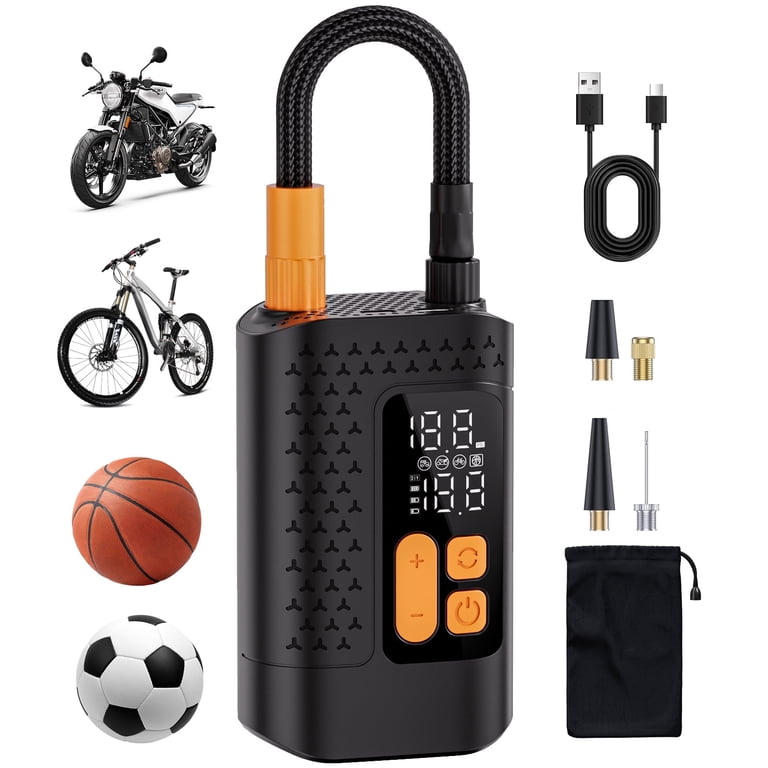
Not all pumps work for mountain bike tires. There are three main types:
- Floor Pump: Large, stable, has a pressure gauge. Perfect for home use. Pumps tires quickly.
- Hand Pump: Small, portable. Good for trails but slower. Often lacks a gauge.
- CO2 Inflator: Uses compressed cartridges. Fast, but expensive and single-use.
Here’s a quick comparison:
| Pump Type | Speed | Portability | Pressure Gauge | Price |
|---|---|---|---|---|
| **Floor Pump** | Fast | Low | Yes | $$ |
| **Hand Pump** | Slow | High | No/Optional | $ |
| **CO2 Inflator** | Very Fast | Very High | No | $$$ |
For daily riding, a floor pump is best. For emergencies, carry a hand pump or CO2 inflator.
Finding Your Ideal Tire Pressure
The right tire pressure depends on many factors:
- Rider weight
- Tire width
- Terrain
- Tubeless or tube setup
Most mountain bike tires use pressures between 20–35 psi (pounds per square inch). Heavier riders or rocky trails need higher pressure. Lighter riders or soft trails can use less.
Here’s a helpful data table:
| Rider Weight | Tire Width | Suggested PSI | Terrain |
|---|---|---|---|
| Under 140 lbs | 2.1″–2.3″ | 20–24 | Soft/Muddy |
| 140–200 lbs | 2.3″–2.5″ | 24–30 | Mixed |
| Over 200 lbs | 2.5″–3.0″ | 30–35 | Rocky/Hard |
Always check the sidewall of your tire for the manufacturer’s recommended pressure range. This is a detail many riders miss.
Credit: www.walmart.com
Step-by-step Guide: Pumping Up Mountain Bike Tires
Let’s walk through the process using a calm, expert approach. Each step matters.
1. Identify Your Valve Type
Look at your tire’s valve:
- Schrader: Wide, flat tip. Like car tires.
- Presta: Narrow, with a lock nut. Unscrew the nut to open.
If you’re unsure, compare to the table above. Many beginners confuse the two.
2. Choose The Correct Pump
Check your pump’s head. Most modern pumps handle both valves, but some need an adapter. If you have a Presta valve and the pump is for Schrader only, use a small brass adapter (costs less than $2).
3. Remove The Valve Cap
Always take off the plastic cap before pumping. It protects the valve but blocks the pump.
4. Prepare The Valve
- Schrader: Ready after cap removal.
- Presta: Unscrew the tiny lock nut until it pops up. Press down quickly to hear a hiss—this means it’s open.
5. Attach The Pump Head
Place the pump head firmly onto the valve. If it’s a lever-type pump, flip the lever to lock. Make sure there’s no air leak. A loose connection means lost air.
6. Inflate To Target Pressure
- Floor pumps: Read the pressure gauge as you pump.
- Hand pumps: Estimate; check often by squeezing the tire.
- CO2 inflators: Follow instructions; check pressure after inflating.
Pump until you reach your desired psi. Don’t rush. Over-inflating can burst the tube.
7. Detach Pump And Close Valve
- Schrader: Remove pump, replace cap.
- Presta: Remove pump, screw lock nut back down, replace cap.
8. Check Tire Firmness
Press the tire with your thumb. It should be firm but not rock-hard. If unsure, use a digital gauge.
9. Repeat For Other Tire
Always pump both tires. Front and rear tires often need different pressures—rear usually higher due to more weight.
Common Mistakes To Avoid
Even experienced riders make errors. Here are some critical mistakes:
- Ignoring valve compatibility. This leads to wasted time and frustration.
- Over-inflating tires. Causes loss of grip and higher puncture risk.
- Under-inflating tires. Leads to pinch flats and rim damage.
- Using a broken gauge. Always check accuracy. A faulty gauge can mislead you.
- Forgetting to check before every ride. Tire pressure changes overnight due to temperature.
A non-obvious insight: Pressure can drop by 10% in cold weather. Always check before winter rides.
Tubeless Tires: Special Considerations
Tubeless mountain bike tires are popular for their lower flat risk and smoother ride. Pumping them is similar but has unique points.
- Initial setup: Requires high pressure (up to 40 psi) to seat the bead.
- Sealant: Add liquid sealant before inflating.
- Pressure maintenance: Tubeless tires lose air more slowly but need regular checks.
If you use tubeless, invest in a high-volume floor pump or an air compressor. Hand pumps struggle to seat tubeless beads.
How Often Should You Check Tire Pressure?
Checking tire pressure is not a once-a-month chore. For mountain bikes, it’s best to check before every ride. Here’s why:
- Daily changes: Air escapes slowly from tires, especially Presta valves.
- Temperature: Cold shrinks air inside tires.
- Usage: Aggressive riding increases air loss.
A good routine: Check pressure when you clean or lube your bike, and always before hitting the trail.
How To Use A Pressure Gauge
A pressure gauge is your best friend for accurate inflation. Many floor pumps have built-in gauges, but you can buy a separate digital gauge for $10–$20.
To use:
- Remove valve cap.
- Press gauge onto valve (firmly).
- Read psi. If low, pump more. If high, release air.
- Replace cap.
Digital gauges are more accurate than analog. They also fit both valve types.
Adjusting Tire Pressure For Different Terrain
Trail conditions change. Adjust your tire pressure for best performance:
- Loose dirt/sand: Lower pressure for more grip.
- Rocky/hardpack: Higher pressure to avoid flats.
- Wet/muddy: Slightly lower for traction, but not so low as to risk pinch flats.
Experienced riders often change pressure by 2–4 psi for each terrain. This small change makes a big difference.
Quick Tips For Beginners
If you’re new to mountain biking, keep these in mind:
- Always carry a mini pump and a spare tube.
- Check your tire sidewall for max/min psi.
- Learn to use both valve types.
- Practice inflating at home before hitting the trail.
- Check for leaks after pumping by listening for hissing or feeling for air.
- Record your favorite pressure settings in your phone for easy reference.
A tip many overlook: Don’t rely only on the “feel” of the tire. Use a gauge for consistency.
What If You Get A Flat On The Trail?
Getting a flat is part of mountain biking. Here’s what to do:
- Remove the wheel.
- Take out the tube (if not tubeless).
- Find and patch the hole, or replace the tube.
- Check for sharp objects in the tire.
- Pump the tire back up with your mini pump or CO2 inflator.
Don’t forget to check the pressure after fixing. Many riders just inflate until “it looks right”—which can lead to another flat.
Advanced Tips: Optimizing Pressure For Performance
Experienced riders fine-tune tire pressure for racing or technical trails. Here’s what they do:
- Use a digital gauge for exact numbers.
- Adjust pressure for front and rear tires individually.
- Lower pressure for wider tires.
- Add a few psi for aggressive jumps or rocky descents.
Some pro riders run as low as 18 psi in wide, tubeless tires for maximum grip, but this requires strong rims and careful riding.
How Tire Pressure Affects Bike Handling
The way your bike feels depends heavily on tire pressure:
- Too high: Bumpy, less control, higher risk of bouncing off obstacles.
- Too low: Sluggish, risk of flats, rim damage, but more grip.
Studies show that reducing pressure by 5 psi increases cornering grip by up to 30%. But, too low can cause “burping” in tubeless tires (air loss).
Safety Precautions
Always follow safety basics:
- Never exceed the maximum psi listed on your tire.
- Make sure the pump is secure to avoid sudden air bursts.
- If using CO2 cartridges, keep them away from heat and dispose safely.
- Don’t use old, cracked tubes—they can burst unexpectedly.
A unique insight: Using poor-quality pumps or gauges can damage valves. Invest in reliable tools.
Cleaning And Maintaining Your Bike Pump
Your pump needs care too. Here’s how:
- Wipe the pump clean after dusty rides.
- Store in a dry place to avoid rust.
- Check the hose and head for cracks.
- Lubricate moving parts if needed.
A neglected pump often leads to air leaks or broken gauges, which can ruin your ride.

Credit: www.decathlon.com
Environmental Factors: How Weather Impacts Tire Pressure
Weather changes affect tire pressure more than most riders think:
- Cold: Air contracts, pressure drops.
- Heat: Air expands, pressure rises.
A good rule: Adjust pressure by 1–2 psi for every 20°F change in temperature. This keeps your ride consistent year-round.
Frequently Asked Questions
How Do I Know If My Tire Is Properly Inflated?
Press the tire with your thumb. It should feel firm, not rock-hard. For accuracy, use a pressure gauge and aim for the recommended psi listed on your tire’s sidewall. Riding with proper pressure gives better grip and safety.
Can I Use A Car Tire Pump For My Mountain Bike?
Yes, but only if you have Schrader valves. For Presta valves, you’ll need an adapter. Car tire pumps are powerful but may over-inflate quickly, so monitor pressure closely.
How Often Should I Pump Up My Mountain Bike Tires?
Ideally, check and pump your tires before every ride. Air escapes slowly, and daily changes in weather can alter pressure. This habit prevents flats and keeps performance high.
What Is The Best Tire Pressure For Mountain Biking?
There’s no single answer. For most riders, 20–35 psi works well, depending on weight, tire width, and terrain. Check your tire sidewall for the exact range, and adjust for trail conditions.
Why Does My Tire Lose Air Overnight?
All tires lose air over time. Presta valves are more prone to slow leaks. Temperature drops can also cause pressure loss. Always check your pressure before riding.

Credit: www.youtube.com
Final Thoughts
Pumping up your mountain bike tires is a simple skill that makes a huge difference in your ride. Understanding your valve type, pump options, and ideal pressure helps you stay safe and enjoy every trail. Remember, tire pressure isn’t “set and forget”—it changes with your weight, terrain, and weather.
Investing in a good pump and gauge is smart. Checking your tires regularly prevents flats and makes your rides smoother and faster.
If you want more technical details, visit the Bicycling Magazine guide for advanced tips. For most riders, following this guide will solve common problems and help you ride with confidence.
Your mountain bike tires are your connection to the trail—get the pressure right, and every ride will feel better.

Hello Guys! I am John Reese, a professional biker and my hobby is biking! I have been biking for last 12 years and I love using bikes while outing as well. Based on my experiences with the different type of bikes (mountain bikes, road bikes and hybrid bikes); I am sharing my opinion about various bikes so that a beginner can get started right away. Happy reading!