
Mountain biking is a sport that pushes both rider and machine to their limits. Whether you’re tackling rocky trails, muddy paths, or steep descents, your mountain bike tires take on every challenge with you. But how long should these tires actually last?
If you’re wondering when it’s time to replace your tires, or how to make them last longer, you’re not alone. Many mountain bikers—especially beginners—find tire lifespan confusing. With so many variables, myths, and mixed advice, getting a clear answer can be tough.
This guide will help you understand the real factors that affect mountain bike tire lifespan, how to spot signs of wear, and what you can do to maximize your tires’ performance and longevity. You’ll also find practical tips, common mistakes, and useful comparisons. By the end, you’ll be able to make informed choices and ride with confidence, knowing your tires are ready for the trail.
What Determines Mountain Bike Tire Lifespan?
Mountain bike tires are not all created equal. The expected lifespan depends on several key factors:
- Tire Type and Compound: Softer rubber gives more grip, but wears faster. Harder rubber lasts longer, but may offer less traction.
- Riding Terrain: Rocky, sharp, or abrasive surfaces chew up tires quickly. Smooth dirt and grass are easier on rubber.
- Rider Weight and Riding Style: Heavier riders, aggressive braking, and cornering cause faster wear.
- Maintenance and Pressure: Keeping tires properly inflated and clean helps them last longer.
- Brand and Model: Premium brands often use better materials and construction, which can extend tire life.
Typical Lifespan Ranges
Most mountain bike tires last between 500 and 3,000 miles (800–4,800 kilometers). Some riders may need to replace tires after a single season, while others keep theirs for years. Here’s a general breakdown:
- Soft compound tires: 500–1,000 miles
- Mixed compound tires: 1,000–2,000 miles
- Hard compound tires: 2,000–3,000 miles
The numbers above are averages. Real-world mileage varies greatly based on the factors listed.
Non-obvious Insight: Tire Rotation
Many riders overlook rotating their tires. Switching the front and rear tires can help balance wear. Rear tires usually wear faster due to more weight and drive force. If your tread is still decent, rotating can extend overall tire life.
How Riding Conditions Affect Tire Wear
Mountain biking exposes tires to harsh environments. The condition of the trails you ride has a major impact.
Rocky Trails
Sharp rocks cut and tear the rubber. Riders on rocky terrain often see sidewall damage and faster tread wear.
Muddy And Wet Trails
Mud acts like sandpaper, wearing down tread. Wet conditions also soften rubber, making it more vulnerable.
Dry Hardpack
Dry trails cause less wear, but dust and small stones can still cause abrasion.
Urban Riding
If you use your mountain bike on pavement, expect quicker tread wear. Asphalt is rough on off-road tires.
Data Table: Tire Wear By Terrain
| Terrain Type | Average Lifespan (Miles) | Main Wear Factor |
|---|---|---|
| Rocky | 500–1,200 | Cuts, tearing |
| Muddy | 700–1,500 | Sandpaper effect |
| Dry Hardpack | 1,500–2,500 | Abrasion |
| Urban/Pavement | 400–1,000 | Tread wear |
Signs That Your Mountain Bike Tires Need Replacing
Knowing when to replace tires is important for safety and performance. Here are the main signs to watch for:
1. Worn Tread
The most obvious indicator is tread wear. If the tread is smooth or missing, you lose grip—especially in wet or loose conditions.
2. Cracks And Dry Rot
Rubber ages over time. Cracks in the sidewall or tread mean the tire is getting brittle and unsafe.
3. Cuts Or Tears
Sharp rocks, glass, or sticks can cause cuts. If you see a deep tear, especially in the sidewall, replace the tire immediately.
4. Bulges And Deformities
A bulge means the tire’s internal structure is damaged. Bulges are dangerous and require immediate replacement.
5. Frequent Flats
If you’re getting more punctures than usual, your tire may be too thin or damaged.
6. Loss Of Performance
If your bike feels sluggish, unstable, or doesn’t grip the trail, tire wear could be the cause.
Comparison Table: Signs Of Tire Wear Vs. Tire Damage
| Sign | Wear | Damage | Action |
|---|---|---|---|
| Smooth tread | ✔️ | Replace soon | |
| Cracks (sidewall/tread) | ✔️ | Replace | |
| Cuts/tears | ✔️ | Replace immediately | |
| Bulges | ✔️ | Replace immediately | |
| Frequent flats | ✔️ | Check for replacement |
Tire Types And Their Lifespan Differences
Mountain bike tires come in many shapes and sizes. The main types are:
- Cross-country (XC): Light, fast, and efficient
- Trail: Balanced for grip and speed
- Enduro/Downhill: Heavy-duty, maximum grip
Each type has its own durability profile.
Cross-country (xc) Tires
These are designed for speed, not toughness. Their lightweight construction means they wear faster—especially on rough terrain. Expect 800–1,500 miles on average.
Trail Tires
Trail tires offer a balance between grip and longevity. They often last 1,200–2,500 miles, depending on the rubber compound.
Enduro And Downhill Tires
With thick sidewalls and aggressive tread, these tires are built for harsh conditions. They can last 1,500–3,000 miles if cared for, but heavy riders and aggressive trails can shorten that.
Data Table: Tire Type Vs. Expected Lifespan
| Tire Type | Average Lifespan (Miles) | Main Use |
|---|---|---|
| Cross-country (XC) | 800–1,500 | Speed, light trails |
| Trail | 1,200–2,500 | Mixed terrain |
| Enduro/Downhill | 1,500–3,000 | Rough, steep terrain |
Non-obvious Insight: Front Vs. Rear Tire Wear
The rear tire usually wears faster due to power transfer and weight. Most riders replace rear tires more often. Tracking mileage on each tire helps you get the most from your set.
How Tire Pressure And Maintenance Impact Lifespan
Proper maintenance is one of the easiest ways to make your tires last longer.
Tire Pressure
Keeping tires at the recommended PSI is crucial. Too low, and the tire flexes too much, increasing wear and risk of pinch flats. Too high, and you lose grip and comfort. Each tire has its own ideal range—check the sidewall for guidance.
Cleaning And Inspection
Dirt, mud, and stones stuck in tread can cause extra abrasion. Clean your tires after rides, especially in muddy conditions. Inspect for cuts, cracks, and objects stuck in the rubber.
Storage
If you store your bike outside, UV rays and extreme temperatures cause rubber to age faster. Keep your bike in a cool, dry place.
Sealant And Tubeless Systems
Tubeless tires with sealant resist punctures, but sealant can dry out and damage rubber if neglected. Check and replace sealant regularly.
Practical Maintenance Tips
- Clean tires with water and mild soap
- Check tread and sidewalls after each ride
- Store bike indoors when possible
- Maintain correct tire pressure
- Replace sealant every 2–3 months (for tubeless tires)
How Often Should You Replace Mountain Bike Tires?
There’s no single answer, but here are good rules to follow:
- Regular riders: Replace tires every 1–2 years, or when tread is worn or damage appears.
- Heavy-duty riders: Replace every 6–12 months if riding rocky, steep trails.
- Casual riders: Tires can last several years if stored well and used on easy terrain.
Mileage tracking helps. Use a bike computer or log your rides. If you notice performance loss, inspect your tires immediately.
Common Mistake: Waiting Too Long
Many riders wait until tires are completely bald or even unsafe. This risks flats, crashes, and poor ride quality. Replace tires before they cause problems.
Credit: www.reddit.com
Tips To Extend Mountain Bike Tire Life
If you want your tires to last longer, try these strategies:
- Choose the right tire for your terrain. Avoid using soft compound tires on rocky trails.
- Rotate front and rear tires every few months, or when rear tire tread is noticeably lower.
- Maintain proper tire pressure according to manufacturer recommendations.
- Clean and inspect tires regularly for damage.
- Avoid riding on pavement with off-road tires; it wears tread quickly.
- Store bike indoors to protect tires from UV and temperature changes.
- Use tire liners or sealant for extra protection against punctures.
Non-obvious Insight: Sidewall Protection
Some tires have reinforced sidewalls. They last longer on rocky terrain and resist cuts. If you ride in harsh conditions, investing in tires with sidewall protection can save money in the long run.
Comparing Mountain Bike Tire Brands And Models
Not all mountain bike tires are equal. Brand reputation, materials, and construction quality matter.
Premium Brands
Brands like Maxxis, Schwalbe, and Continental offer advanced compounds and tread patterns. These tires often last longer and perform better, but cost more.
Budget Brands
Cheaper tires may use harder rubber, which lasts longer but gives less grip. Some budget tires wear out quickly, especially in harsh conditions.
Model Differences
Within a brand, tire models vary. For example, Maxxis’ Minion DHF is built for downhill and lasts longer, while the Aspen is an XC tire focused on speed.
Example Data Table: Brand/model Lifespan Comparison
| Brand/Model | Type | Estimated Lifespan (Miles) | Strengths |
|---|---|---|---|
| Maxxis Minion DHF | Enduro/Downhill | 1,800–2,800 | Grip, durability |
| Schwalbe Racing Ralph | XC/Trail | 1,200–2,000 | Speed, light weight |
| Continental Trail King | Trail | 1,500–2,500 | Versatile, robust |
| Generic Budget Tire | XC/Trail | 700–1,500 | Cheap, hard rubber |
Practical Guidance
Choosing a reliable brand and the right model for your terrain pays off. While premium tires cost more, they usually offer better performance and longer lifespan, saving money over time.
The Impact Of Rider Weight And Style
Your weight and riding style influence tire wear. Heavier riders put more force on tires, leading to faster tread loss. Aggressive riders—those who brake hard, corner sharply, and jump—also wear tires quickly.
Adjusting For Weight
If you’re a heavier rider, consider tires with thicker casing and reinforced sidewalls. These tires resist deformation and last longer.
Riding Style Tips
Smooth, controlled riding helps tires last. Avoid skidding, sudden stops, or hard cornering when possible. Not only does this extend tire life, it improves your skills.
How Climate And Storage Affect Tire Lifespan
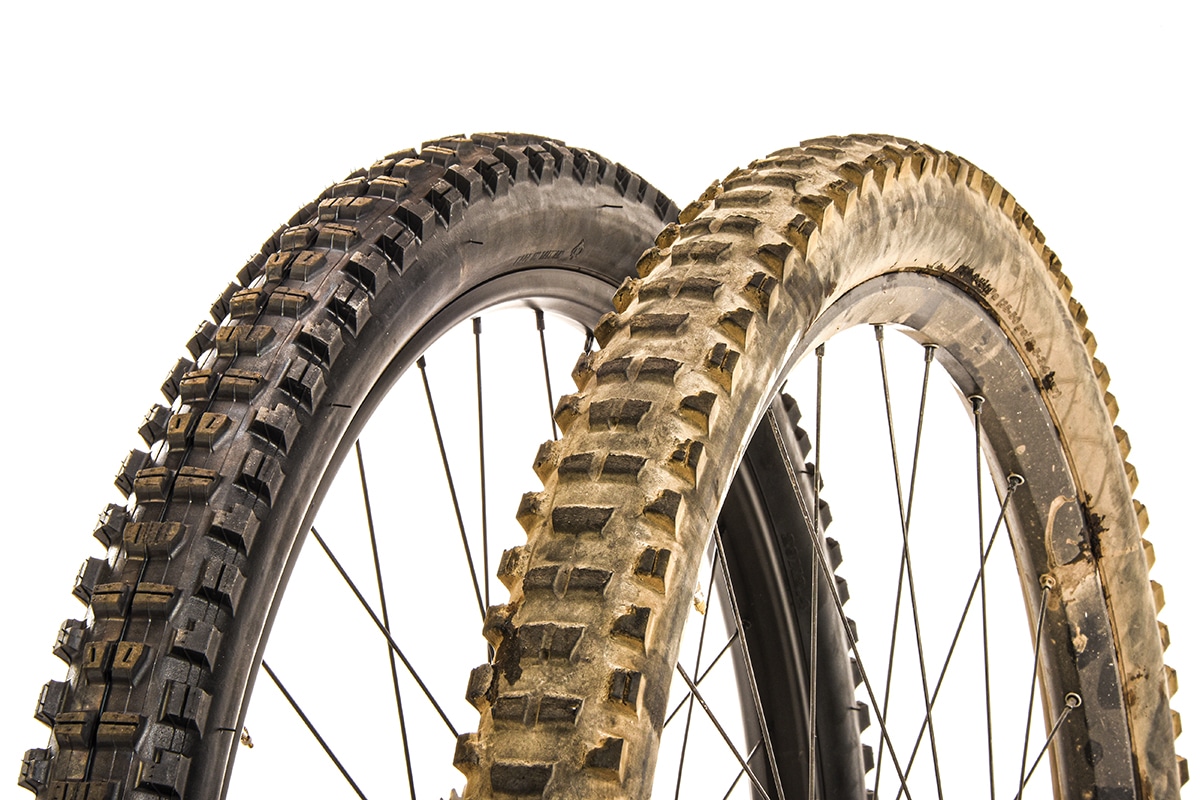
Climate matters. Extreme heat, cold, or humidity accelerates rubber aging.
Hot And Sunny Climates
High temperatures and UV exposure cause tires to dry out, crack, and lose flexibility.
Cold And Wet Climates
Cold makes rubber stiff and more prone to cracking. Moisture can lead to rot if tires are not dried after rides.
Storage Tips
- Keep your bike in a cool, dry place.
- Avoid direct sunlight.
- Hang your bike or keep tires off the ground if possible.
Credit: mbaction.com
Real-world Examples: Tire Lifespan Scenarios
Let’s look at some practical situations:
Example 1: Weekend Trail Rider
Rides 20 miles per week on mixed terrain. Uses mid-range trail tires.
- Tire lifespan: ~1,500–2,000 miles (18 months–2 years)
Example 2: Downhill Racer
Rides 40 miles per week on rocky, steep trails. Uses premium enduro tires.
- Tire lifespan: ~900–1,400 miles (6–9 months)
Example 3: Urban Commuter
Uses mountain bike on pavement for daily commute (10 miles per day).
- Tire lifespan: ~700–1,200 miles (3–6 months)
Example 4: Casual Rider
Rides occasionally on easy trails, stores bike indoors.
- Tire lifespan: ~2,000–3,000 miles (2–4 years)
When To Repair Vs. Replace Tires
Not every tire issue needs replacement. Small cuts or punctures can be patched, but large damage requires new tires.
Repairable Issues
- Small punctures (patch or plug)
- Minor tread wear (if grip is still good)
Replacement Required
- Large cuts or sidewall tears
- Bulges or deformities
- Extensive tread loss

Credit: emountainbikekings.com
Useful External Resource
For more in-depth technical information about tire construction and durability, visit the official Sheldon Brown Bike Tires Guide.
Frequently Asked Questions
How Do I Know If My Mountain Bike Tires Are Worn Out?
Check for smooth tread, cracks, cuts, bulges, or frequent flats. If grip is reduced or the tire feels unstable, it’s time to replace.
Can I Use Mountain Bike Tires On Pavement?
Yes, but tread wears faster on asphalt. If you ride mostly on pavement, consider tires with smoother tread.
How Long Do Tubeless Mountain Bike Tires Last?
Tubeless tires last about the same as standard tires, but sealant needs regular replacement (every 2–3 months). Tubeless systems can resist punctures, extending practical lifespan.
Is It Safe To Ride With Cracked Sidewalls?
No. Cracked sidewalls mean the tire is aging and may fail suddenly. Replace immediately for safety.
Can I Repair A Punctured Mountain Bike Tire?
Small punctures can be repaired with a patch or plug. Large tears, especially in the sidewall, require a new tire.
Mountain bike tire lifespan depends on many factors, from terrain and tire type to rider style and maintenance. By understanding how these factors interact, inspecting your tires regularly, and following practical tips, you’ll get the most from each set. Remember, safe tires mean better rides and fewer worries—so keep an eye on your rubber and enjoy the trails.

Hello Guys! I am John Reese, a professional biker and my hobby is biking! I have been biking for last 12 years and I love using bikes while outing as well. Based on my experiences with the different type of bikes (mountain bikes, road bikes and hybrid bikes); I am sharing my opinion about various bikes so that a beginner can get started right away. Happy reading!