
Mountain biking is more than just riding on rough trails and steep hills. Your bike’s performance depends on small parts working together. One of the most important parts is the chain. If you’ve ever wondered, “How many links are in a mountain bike chain?” you’re not alone. Getting this detail right affects how your bike shifts, pedals, and even how long it lasts. Today, you’ll discover everything you need to know about mountain bike chain links—how many you need, why it matters, and how to check or adjust them for your specific bike.
Why Chain Link Count Matters
Many riders think a chain is just a simple loop of metal. In reality, a chain is a carefully measured length made up of individual links. Each link fits into the bike’s drivetrain, connecting your pedals to your rear wheel. The correct number of links keeps your bike shifting smoothly and prevents extra wear or mechanical problems.
Having too many links can make your chain sag, slip, or even fall off. Too few links can strain your bike’s gears and make it hard to shift. Both mistakes can lead to expensive repairs or even accidents. That’s why knowing the right chain length is a basic skill for every mountain biker.
Anatomy Of A Mountain Bike Chain
To understand link count, let’s look at what makes up a chain:
- Outer plates: Flat metal sides holding the chain together.
- Inner plates: Sit between the outer plates, forming a slot for the teeth of gears.
- Pins: Metal rods connecting the plates and allowing movement.
- Rollers: Cylindrical parts that help the chain move smoothly over gears.
Each link consists of two outer plates, two inner plates, one pin, and one roller. Chains can be made for different gear setups, so link width and length may vary.
Typical Link Count: What’s Standard?
Most mountain bike chains have between 110 and 126 links when new. The exact number depends on your bike’s frame size, gear setup, and whether the chain is single-speed or made for multiple gears.
Here’s a general breakdown:
- Single-speed bikes: Usually 112–116 links
- 8, 9, 10-speed bikes: Typically 116 links
- 11, 12-speed bikes: Often 118–126 links
The chain length is usually longer than needed so you can cut it to fit your bike perfectly. Manufacturers like Shimano, SRAM, and KMC sell chains with this extra length.
Factors Affecting Chain Link Count
You might wonder, “Why not use a one-size-fits-all chain? ” The answer is that several factors affect the number of links you need.
Gear Setup
- Number of gears: More gears (like 12-speed drivetrains) need longer chains.
- Largest cog size: Bigger rear cogs require extra length to wrap around.
Frame Size
- Chainstay length: The distance between the pedals (crank) and the rear wheel affects chain length. Longer frames need more links.
Suspension
- Full suspension bikes: These bikes may need longer chains because the rear triangle moves, changing the distance between gears.
- Hardtail bikes: Usually need shorter chains.
Chainring And Cassette Size
- Big chainrings or cassettes: If you have a large front chainring or a wide-range cassette, you’ll need more links.
Brand And Model
Different brands may design chains with slightly different dimensions, even for the same number of speeds. Always check the specifications before buying.

Credit: www.amazon.com
How To Measure And Adjust Chain Length
Finding the right number of links for your mountain bike is easy if you follow a few steps. You don’t need fancy tools—just a chain tool and some patience.
Step 1: Lay Out The Chain
Take your new chain and lay it flat. If you’re replacing an old chain, count its links as a reference. If you’re starting from scratch, use the extra links provided.
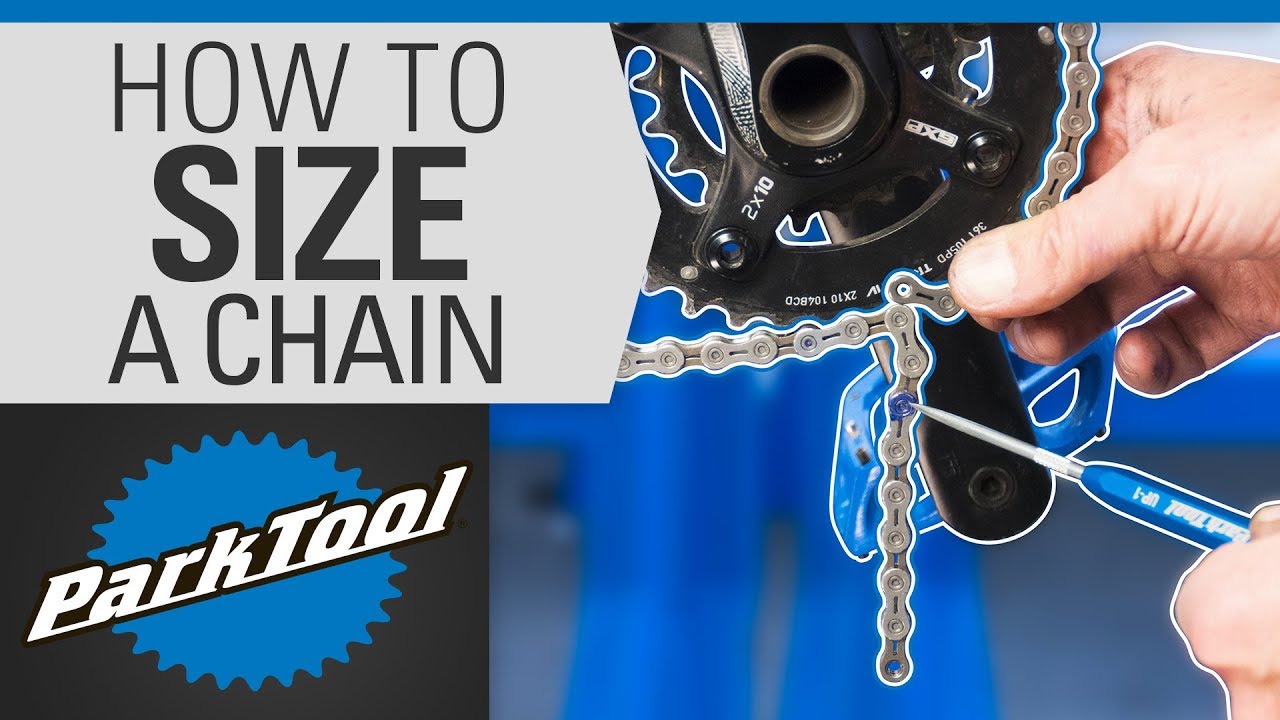
Step 2: Use The Big-big Method
This is the most common way to size a chain:
- Shift your bike to the largest front chainring and the largest rear cog.
- Thread the chain through the drivetrain, skipping the rear derailleur.
- Pull the chain tight. Find the point where the ends meet.
- Add two extra links for proper tension.
Now you have the correct length. Mark the link where you want to cut.
Step 3: Remove Extra Links
Use a chain tool to push out the pin at your marked spot. Don’t force the pin out unless you’re sure.
Step 4: Attach The Chain
Connect the ends with a quick link or by reinserting the pin. Make sure the chain moves freely.
Step 5: Test Shifting
Shift through all gears. If the chain is too tight or too loose, repeat the steps and adjust as needed.
Real-life Examples Of Chain Link Counts
Let’s look at a few examples to make things clear.
| Bike Type | Drivetrain | Typical Chain Links |
|---|---|---|
| Hardtail MTB | 1×10-speed | 116 |
| Full Suspension MTB | 1×12-speed | 118–126 |
| Single-Speed MTB | Single Speed | 112–116 |
| Kids MTB | 6-speed | 110–112 |
Credit: www.youtube.com
Comparing Chain Lengths Across Brands
Not all chains are created equal. Here’s a comparison of chain lengths from popular brands:
| Brand | Speed | Links (Standard) |
|---|---|---|
| Shimano | 12-speed | 126 |
| SRAM | 12-speed | 120 |
| KMC | 10-speed | 116 |
| Shimano | 8-speed | 116 |
| SRAM | 9-speed | 114 |
This shows how different brands recommend slightly different link counts. Always check your bike’s requirements before buying.
Common Mistakes When Sizing Chains
A chain that’s too long or too short can cause big problems. Here are some mistakes beginners often make:
- Skipping the big-big method: This leads to incorrect sizing.
- Not adding extra links: Your chain might be too tight, making shifting difficult.
- Using an old chain as reference: If your old chain was stretched, you’ll repeat the mistake.
- Forgetting about suspension: Full suspension bikes need longer chains.
- Ignoring manufacturer specs: Different brands need different link counts.
Avoiding these mistakes can save you money and keep your bike running smoothly.
How Chain Wear Impacts Link Count
Over time, chains stretch. This doesn’t mean the links grow longer, but the spaces between them increase due to wear. This can cause shifting problems, chain slip, or even gear damage.
- Typical chain life: 1,500–3,000 miles for mountain bikes
- Signs of wear: Difficulty shifting, chain skipping, visible elongation
Measuring chain wear with a chain checker tool helps you replace the chain before it causes further damage.
Link Count And Gear Efficiency
A chain with the correct number of links ensures:
- Smooth shifting
- Efficient power transfer
- Less wear on cogs and chainrings
Too few links make the chain tight, which increases friction and reduces efficiency. Too many links make the chain slack, which can cause it to bounce or fall off—especially on rough terrain.
How Link Count Affects Drivetrain Performance
A well-sized chain reduces stress on the derailleur. It also helps your bike move smoothly between gears. If you notice skipping gears or poor shifting, check your chain length first.
How To Check Your Chain Link Count
If you’re unsure about your chain’s link count, here’s how to check:
- Count each link: Look for the pins—each one marks a link.
- Check packaging: Most new chains list the number of links.
- Use a chain checker: This tool measures chain wear and can help verify link count.
If you’re replacing a chain, match the link count to your old chain (if it was sized correctly).
Adjusting Chain Length For Upgrades
If you upgrade your bike—like adding a wider-range cassette or changing chainrings—you may need to adjust your chain length.
When To Add Links
- Installing a bigger rear cog
- Adding a larger front chainring
- Switching to a longer derailleur cage
When To Remove Links
- Downgrading to a smaller cassette
- Moving to a smaller chainring
- Switching to a shorter frame
Always use the big-big method after any upgrade to ensure your chain fits.

Credit: www.youtube.com
Chain Link Count For Different Mountain Bike Styles
Mountain bikes come in many forms. Here’s how chain link count varies:
Cross-country (xc)
- Usually lightweight bikes with 1x or 2x drivetrains
- Typical chain length: 116–118 links
Trail Bikes
- Versatile bikes, often with 1x drivetrains
- Chain length: 118–122 links
Downhill Bikes
- Built for steep descents, may have larger rear cogs
- Chain length: 120–126 links
Enduro Bikes
- Designed for both climbing and descending
- Chain length: 118–126 links
Practical Tips For Sizing Your Chain
Getting chain length right doesn’t have to be hard. Here are tips to make it easier:
- Always size your chain with the big-big method
- Don’t reuse old chains for sizing if they’re worn
- Check manufacturer specs for your bike and drivetrain
- Use a chain tool for clean removal and installation
- Test shifting in all gears before finalizing
Expert Advice: Non-obvious Insights
Many beginners miss these details:
- Quick links count as one link: When sizing, include the quick link as part of your total link count.
- Don’t size with the derailleur: When using the big-big method, skip the derailleur. This avoids sizing errors.
- Measure after suspension compression: For full suspension bikes, check chain length with the suspension fully compressed.
- Chain length affects chainline: Proper sizing keeps your chain running straight, reducing friction and wear.
Data: Mountain Bike Chain Lengths Compared
Let’s compare recommended chain lengths for some popular mountain bikes:
| Bike Model | Drivetrain | Recommended Link Count |
|---|---|---|
| Specialized Stumpjumper | 12-speed | 120–126 |
| Giant Talon | 10-speed | 116 |
| Trek Marlin | 8-speed | 116 |
| Santa Cruz Hightower | 12-speed | 124–126 |
How Chain Link Count Affects Maintenance
Getting your chain length right makes maintenance easier. It prevents problems like:
- Chain drop
- Poor shifting
- Premature wear
With the correct link count, cleaning and lubricating the chain is more effective. You can also spot wear and damage faster.
How Often Should You Check Chain Link Count?
You don’t need to check your chain link count every ride. But you should check when:
- Installing a new chain
- Upgrading drivetrain parts
- Noticing shifting problems
- After a crash or major impact
Regular checks keep your bike running smoothly and prevent costly repairs.
Where To Find Chain Link Specifications
Manufacturers provide chain link specifications in manuals and online. For example, Shimano and SRAM publish detailed guides for each model. You can also find specs on bike forums or trusted sites like Sheldon Brown.
Frequently Asked Questions
How Do I Know If My Chain Has Too Many Links?
If your chain sags when in the smallest gear, or falls off easily, it likely has too many links. You may also notice poor shifting and noisy pedaling. Adjust by removing links and retesting.
Can I Use A Road Bike Chain On My Mountain Bike?
Mountain bike chains are usually stronger and designed for wider gear ranges. While a road bike chain may fit, it’s not recommended due to possible compatibility issues and reduced durability.
What Happens If My Chain Is Too Short?
A chain that’s too short can damage your derailleur, make shifting difficult, or even break under pressure. Always use the big-big method and add two links for safety.
How Many Links Should A 12-speed Mountain Bike Chain Have?
Most 12-speed mountain bike chains use 118–126 links. The exact number depends on your bike’s frame, gear size, and suspension. Check your manufacturer’s specs for the best fit.
Is It Easy To Add Or Remove Links From A Chain?
Yes. With a chain tool, you can add or remove links in minutes. Always double-check your sizing before riding, and include the quick link in your count.
Mountain bike chains might look simple, but getting the link count right is essential for performance and safety. Whether you’re a beginner or a seasoned rider, understanding how many links you need—and why—will help your bike run smoother and last longer.
With the tips and data here, you can confidently size, install, and maintain your chain for every ride.

Hello Guys! I am John Reese, a professional biker and my hobby is biking! I have been biking for last 12 years and I love using bikes while outing as well. Based on my experiences with the different type of bikes (mountain bikes, road bikes and hybrid bikes); I am sharing my opinion about various bikes so that a beginner can get started right away. Happy reading!