
If you ride a mountain bike, you’ve probably heard about tubeless tires. Riders talk about the benefits: fewer flats, better grip, smoother rides. But converting your bike from traditional inner tubes to tubeless isn’t just hype—it’s a smart upgrade for anyone who enjoys trails and rough terrain. Many people think tubeless is complicated or expensive, but the process is easier than you expect, and you can do it yourself with some patience and the right tools.
This article will walk you through every step to convert mountain bike tires to tubeless. You’ll learn what equipment is needed, how to prepare your wheels, the actual installation steps, and tips to avoid common mistakes. Whether you’re a beginner or have some experience, you’ll find clear explanations, practical advice, and real-world examples to help you succeed.
Let’s dive into the world of tubeless mountain biking and discover how to make your rides safer and smoother.
Why Go Tubeless? The Real Benefits
Switching to tubeless tires isn’t just a trend. Riders choose tubeless for several reasons that can make mountain biking more enjoyable and reliable.
- Fewer flats: Tubeless setups use sealant inside the tire. When you get a small puncture, the sealant fills the hole almost instantly, often before you even notice.
- Lower tire pressure: Without an inner tube, you can run lower PSI. This gives you more traction, better control, and a smoother ride on rough trails.
- Better performance: Tubeless setups reduce friction between the tire and tube, which can make your bike roll faster and feel more responsive.
- Weight savings: Removing inner tubes cuts some weight. It might not seem like much, but for riders who care about speed, every gram counts.
A study by BikeRadar found that tubeless setups can reduce punctures by up to 80% compared to standard tubes. The same study showed that riders felt more confident descending rocky trails with tubeless tires. For mountain biking, where sharp rocks and thorns are common, these benefits are hard to ignore.
What You Need: Tools And Materials
Before starting the conversion, gather all the necessary tools and materials. This preparation prevents surprises and makes the process smoother.
- Tubeless-compatible rims: Not all rims can go tubeless. Check if your wheel rims are marked “tubeless-ready” or “UST.” If not, some regular rims can be converted, but success rates vary.
- Tubeless tires: Look for tires labeled “tubeless-ready.” They have stronger sidewalls and bead designs to seal tightly.
- Tubeless valve stems: These replace the traditional valve attached to the inner tube. Choose quality metal stems with removable cores for easier sealant addition.
- Tubeless tire sealant: Specialized liquid sealant (like Stan’s NoTubes or Orange Seal) fills holes and keeps your tires airtight.
- Rim tape: This special tape seals spoke holes and creates an airtight chamber. Use tape designed for tubeless conversions, not regular electrical or masking tape.
- Air pump: A floor pump may work, but a compressor or tubeless-specific pump (with burst chamber) helps seat tires faster.
- Tire levers: For removing and installing tires.
- Clean rags: To wipe excess sealant and clean surfaces.
Optional but useful:
- Soapy water: Helps seat tire beads.
- Gloves: Sealant can be messy and hard to wash off.
- Extra rim tape: In case your first application isn’t airtight.
If you’re unsure about compatibility, check your bike’s manual or visit your local shop. Most modern mountain bike wheels and tires are tubeless-ready, but older models may require extra steps.
Compatibility: Rims, Tires, And Valves
Not every bike is ready for tubeless. Checking compatibility saves headaches and wasted money.
Rims
Tubeless-ready rims have a smooth inner profile, strong bead seats, and no gaps or holes except for the valve. If your rim has spoke holes exposed inside the wheel, you must cover them with rim tape. UST rims, developed by Mavic, are fully tubeless and require little modification.
If your rim isn’t marked tubeless-ready, you can still try, but sealing may be harder.
Tires
Tubeless tires have thicker sidewalls and a strong bead. Standard tires may work, but they often leak air or need lots of sealant. If you use non-tubeless tires, expect more maintenance and possible air loss.
Valves
Tubeless valves fit directly into the rim. They come in different lengths, so match the size to your rim depth. Choose valves with removable cores; this makes adding sealant easier later.
Rim Tape
Tubeless rim tape is made from durable, airtight material. It’s different from normal tape, so don’t substitute. Tape width should match your rim’s inner width—usually between 21mm and 25mm for mountain bikes.
Step-by-step: Converting Mountain Bike Tires To Tubeless
Let’s break down the process into clear steps. You don’t need special skills, just patience and attention to detail.
Step 1: Remove The Wheels And Old Tubes
Start by taking your wheels off the bike. Use a quick-release or thru-axle, depending on your setup. Deflate your tires completely and use tire levers to pry the tire off the rim. Remove the inner tube and set it aside.
Inspect the rim and tire for damage, dirt, or debris. Clean both surfaces with a rag. This ensures a proper seal later.
Step 2: Install Tubeless Rim Tape
Wipe the inside of the rim so it’s clean and dry. Starting at the valve hole, apply tubeless rim tape. Stretch the tape slightly as you go, pressing it firmly into the rim. Overlap the tape by at least 10cm at the end for best sealing.
Use your finger to smooth out bubbles and wrinkles. The tape should cover all spoke holes and edges. Puncture a small hole at the valve location with a sharp tool (not too big—just enough for the valve stem).
Step 3: Insert Tubeless Valve Stem
Push the valve stem into the hole. Tighten the lock nut on the outside so it’s snug but not over-tightened. The rubber base should press tightly against the rim tape, forming an airtight seal.
Some riders add a drop of sealant around the base for extra sealing. This isn’t required, but can help if your rim is less precise.
Step 4: Mount The Tubeless Tire
Fit one bead of the tire onto the rim. Start at the valve and move around. Once one side is on, fill the tire with the recommended amount of tubeless sealant (usually 60–120ml, depending on tire size).
Rotate the wheel so sealant spreads evenly. Now, fit the second bead onto the rim. This step can be tricky—some tires are tight. Use tire levers carefully, but avoid pinching the tire.
Step 5: Seat The Tire Bead
This is the most challenging part. The tire bead must snap into place against the rim so it’s airtight.
- Use a floor pump or compressor. If the tire isn’t seating, try a burst of air (many tubeless pumps have a chamber for this).
- If air escapes, check the bead, rim tape, and valve for leaks.
- Spray soapy water around the bead to help it slide and seal.
When the tire seats, you’ll hear a series of pops or snaps. This means the bead is locking into place.
Step 6: Inflate And Check For Leaks
Inflate the tire to the recommended pressure (usually between 25–35 PSI for mountain biking). Spin and shake the wheel to distribute sealant.
Look for bubbles or hissing sounds. If you see leaks, rotate the wheel so sealant covers the area. Most small leaks will seal themselves in minutes.
Leave the wheel for a few hours, then recheck pressure. If it holds, you’re ready to ride. If not, repeat the steps or check for missed spots.
Step 7: Reinstall Wheels And Test Ride
Put the wheels back on your bike. Check that the tire rotates smoothly and nothing rubs. Go for a short ride on local trails or your street. If you notice air loss or odd noises, inspect the setup again.
Tubeless Sealant: Types, Quantities, And Tips
Tubeless sealant is the magic ingredient that makes this system work. Choosing the right sealant and using the correct amount is important.
Types Of Sealant
The most popular brands are Stan’s NoTubes, Orange Seal, and Finish Line. Each has a slightly different formula:
- Stan’s NoTubes: Water-based, works well in most climates, seals holes up to 5mm.
- Orange Seal: Latex-based, lasts longer, seals bigger holes, good for extreme conditions.
- Finish Line: Non-latex, lasts up to 2 years but slower to seal big punctures.
How Much Sealant?
For mountain bike tires, use 60–120ml (2–4oz) per tire. Larger tires need more. Too little sealant won’t seal holes; too much can slosh inside and make your ride feel odd.
Sealant Lifespan
Sealant dries out over time. Check and refill every 3–6 months, depending on climate and riding frequency. Hot, dry climates dry sealant faster.
Practical Tips
- Shake your wheel after adding sealant to spread it evenly.
- If you puncture the tire, spin the wheel quickly to help sealant reach the hole.
- Store leftover sealant in a cool, dry place.
Common Mistakes And How To Avoid Them
Converting to tubeless is simple, but mistakes can cause frustration. Here are issues beginners often face:
- Using the wrong rim tape: Electrical tape isn’t airtight. Always use tubeless-specific tape.
- Not cleaning the rim: Dirt prevents the tape from sticking. Clean thoroughly first.
- Installing the valve incorrectly: If the valve isn’t snug, air will leak. Double-check before inflating.
- Trying to seat the tire with a weak pump: Many tires need a fast, strong burst of air. If your pump isn’t powerful enough, use a compressor or borrow a tubeless pump.
- Overfilling with sealant: Too much sealant can pool and cause imbalance. Stick to recommended amounts.
- Ignoring leaks: Small leaks may seal themselves, but big leaks mean something isn’t airtight. Check tape, valve, and bead.
A non-obvious tip: If your tire bead won’t seat, remove the valve core and pump air directly through the stem. This increases airflow and can help stubborn tires snap into place.
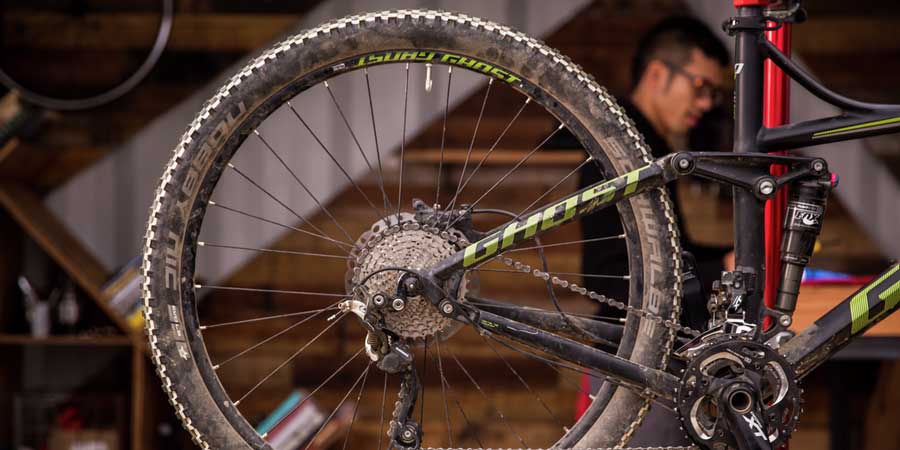
Credit: www.rei.com
Comparing Tubeless Vs Traditional Tube Setups
To see the differences clearly, let’s compare tubeless and traditional tube setups in a simple table:
| Feature | Tubeless Setup | Tube Setup |
|---|---|---|
| Flat Protection | Excellent (sealant fills holes) | Average (punctures mean instant flats) |
| Riding Comfort | Smoother (lower PSI) | Less smooth (higher PSI) |
| Weight | Lower (no tube) | Higher (tube adds grams) |
| Maintenance | Sealant check every 3–6 months | Tube replacement as needed |
| Setup Difficulty | Moderate (requires special tools) | Easy (basic tools) |
Most riders find tubeless worth the extra effort. The smoother ride and reduced flats are especially noticeable on rocky, root-filled trails.
Maintenance: Keeping Your Tubeless Setup Reliable
Tubeless systems need some regular care, but not much more than traditional tubes.
Regular Checks
- Sealant level: Check every 3–6 months. If you hear sloshing or see dry spots, add more.
- Tire pressure: Tubeless tires lose air slowly. Check PSI before each ride.
- Inspect for damage: Look for cuts, holes, or bead separation. Replace tires if you see major problems.
Cleaning
Sealant can build up inside tires. If you change tires, scrape old sealant out with a rag. Some riders rinse the tire with water, but avoid harsh chemicals.
Valve Maintenance
Valves can clog with dried sealant. Remove the core and rinse with water or use a special valve cleaning tool.
Emergency Repairs
If you get a big puncture, use a tubeless plug kit. These kits insert a rubber plug into the hole, sealing it instantly. Carry a plug kit and small pump on rides.
A smart tip: Carry a spare tube. If your tubeless setup fails, you can install a tube and ride home.
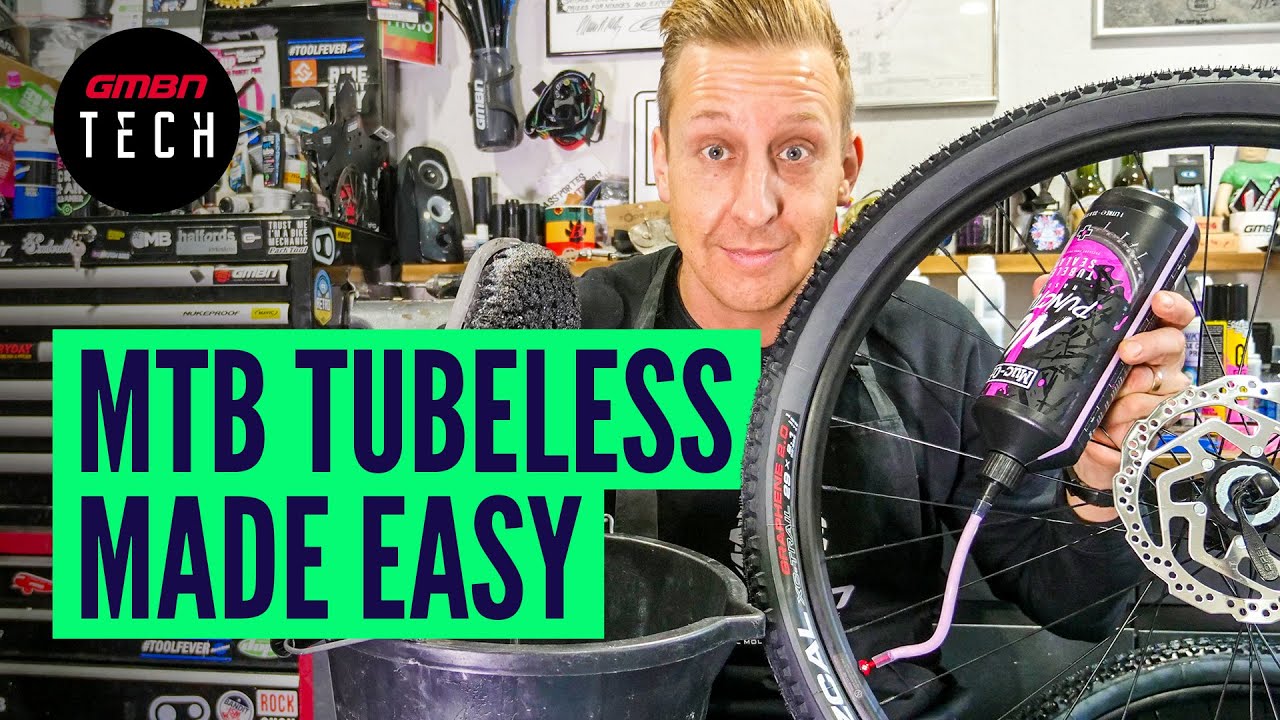
Credit: www.youtube.com
Real-world Example: Rider Experiences
Many riders upgrade to tubeless after repeated flats or rough rides. Here’s a story:
Sarah, a mountain biker in Colorado, converted her tires to tubeless after three flats in one month. The process took 90 minutes, and she spent about $60 on materials. Since then, she’s ridden rocky trails and hit cactus spines without any flats.
Sarah says her bike feels “smoother and more planted” on loose dirt.
Another example: Alex, a beginner, tried tubeless but struggled to seat the tire bead. He switched pumps and removed the valve core, and the tire finally snapped into place. Alex learned that patience and the right tools make a big difference.
These stories show that tubeless isn’t just for experts. Anyone can do it with preparation and practice.
Cost Breakdown: What To Expect
Tubeless conversion isn’t free, but costs are reasonable compared to frequent tube replacements.
| Item | Estimated Cost (USD) |
|---|---|
| Tubeless rim tape | $10–$20 |
| Tubeless valve stems | $15–$30 (pair) |
| Tubeless sealant | $8–$20 (per bottle) |
| Tubeless-ready tires | $40–$100 (each) |
| Optional plug kit | $10–$15 |
Total cost for a full conversion: $80–$200, depending on quality and tire size. If your wheels and tires are already tubeless-ready, costs drop to $30–$60 for tape, valves, and sealant.
When Tubeless Isn’t The Best Choice
Tubeless is great, but it’s not perfect for everyone.
- Older bikes: Some old rims can’t be sealed easily. Conversion might fail or require expensive parts.
- Casual riders: If you ride only smooth paths, tubeless benefits are less noticeable.
- Extreme cold: Sealant can freeze in winter. Some brands work better in cold, but tubes may be more reliable.
A non-obvious insight: Tubeless setups can lose air faster if you don’t ride often. The sealant works best when the wheel is moving regularly, so occasional riders should check pressure before every ride.
Helpful Tips For Success
Getting tubeless right takes practice. Here are tips to make your conversion smoother:
- Warm up tires: If tires are cold, beads can be stiff. Warm them in the sun or inside before installation.
- Mark valve location: Use a sticker or paint dot on the tire at the valve. This helps find the valve quickly for inflation or repairs.
- Try a second layer of tape: If air leaks, add another layer of rim tape. Extra thickness helps seal irregular rims.
- Use a compressor if possible: Compressors provide strong, fast air. Many shops will let you use theirs for a small fee.
- Carry a plug kit: Even with sealant, big holes need plugs. Plug kits are small and cheap.
- Keep extra sealant: In hot climates or after heavy use, add extra sealant every few months.
Advanced Tubeless Techniques
Some experienced riders use tricks for extra reliability or performance.
- Foam inserts: These go inside the tire and protect rims from impacts. They also help sealant stay in place.
- Rim strip upgrades: Some brands offer rubber rim strips that seal better than tape.
- Custom sealant mixes: Riders in dry climates sometimes add water or antifreeze to sealant for longer life.
If you’re riding extreme terrain, consider investing in inserts or upgraded rim strips. These add weight but protect against rim damage and improve sealing.
Environmental Impact: Tubeless Vs Tubes
Tubeless setups can reduce waste. Traditional tubes wear out and get thrown away frequently. With tubeless, you replace tires less often and use less material overall.
Some sealants are biodegradable, while others aren’t. Stan’s NoTubes claims their formula breaks down naturally. Orange Seal uses latex, which is less eco-friendly but lasts longer.
A smart tip: Dispose of old sealant and tubes responsibly. Don’t pour sealant down drains—it can clog pipes.
Troubleshooting: Fixing Common Tubeless Problems
Even with careful setup, issues can arise. Here’s how to fix them:
Slow Air Loss
If your tire loses air overnight, check for:
- Leaks at valve base: Tighten nut, add sealant.
- Rim tape gaps: Re-tape rim, overlap ends.
- Bead not seated: Re-inflate and listen for pops.
Tire Won’t Seat
Try these steps:
- Remove valve core for higher airflow.
- Use soapy water on bead.
- Use a compressor or burst pump.
Sealant Dried Up
If sealant dries, add more. If chunks form inside tire, remove them during cleaning. Check sealant every few months.
Large Punctures
Use a tubeless plug kit. Insert the plug into the hole and trim excess. Spin the wheel to spread sealant.
Safety Tips: Riding With Tubeless
Tubeless tires are safe, but follow these tips:
- Always check pressure before rides.
- Don’t ride with a big cut or bead damage.
- If you see bulges or tears, replace tire immediately.
- Carry a pump and plug kit for emergencies.
Tubeless tires can deflate faster than tubes if you get a large puncture. Know how to install a tube as backup.
Upgrading: Tubeless Accessories To Consider
You can improve your tubeless setup with a few accessories:
- Tubeless plug kit: For fast puncture repairs on trails.
- CO2 inflator: For quick tire inflation.
- Valve core removal tool: Makes adding sealant easier.
- Digital pressure gauge: Checks PSI accurately.
These tools aren’t required, but they make maintenance and emergency repairs easier.
Comparing Popular Tubeless Sealant Brands
Let’s look at how the top three sealant brands stack up:
| Brand | Sealant Type | Average Lifespan | Puncture Size Sealed | Climate Suitability |
|---|---|---|---|---|
| Stan’s NoTubes | Water-based latex | 2–7 months | Up to 5mm | All climates |
| Orange Seal | Latex-based | 6–12 months | Up to 6mm | Extreme heat/cold |
| Finish Line | Non-latex | Up to 24 months | Up to 4mm | Dry climates |
Choose the brand that fits your climate and riding style. Riders in hot, dry climates often prefer Orange Seal. Finish Line is good for low-maintenance setups but slower to seal big holes.
Useful Resources And Further Reading
If you want more details, consider reading guides from trusted sources. The Park Tool website offers detailed tutorials and videos for tubeless conversions. You’ll find step-by-step photos, troubleshooting tips, and maintenance advice.
Frequently Asked Questions
What Is The Biggest Advantage Of Tubeless Mountain Bike Tires?
The biggest advantage is flat protection. Tubeless tires use sealant to instantly seal small punctures, reducing the chance of flats. You can also run lower pressure for better grip and comfort on rough trails.
How Often Should I Add Tubeless Sealant?
Check and add sealant every 3–6 months. If you ride often or in hot climates, check more frequently. Listen for sloshing inside the tire or inspect the sealant by removing the valve core.
Can I Convert Any Mountain Bike Tire To Tubeless?
Not all tires work well. Tubeless-ready tires are best—they have strong beads and thick sidewalls. Standard tires may leak air or fail to seal properly. Always check tire and rim compatibility before converting.
What Should I Do If My Tubeless Tire Won’t Seat?
Try removing the valve core for higher airflow, use a compressor, and apply soapy water to the bead. If it still doesn’t seat, check rim tape and tire compatibility. Some tires are harder to mount and may need extra tools.
Is Tubeless Setup Harder To Maintain Than Tubes?
Tubeless requires regular sealant checks and can lose air slowly. Maintenance is different but not harder. Carry a plug kit and pump for emergencies. Tubeless systems are reliable with proper care.
Switching to tubeless mountain bike tires can transform your ride. The process is straightforward with the right tools and patience. You’ll enjoy fewer flats, better grip, and smoother trails. Whether you’re a weekend warrior or a daily rider, tubeless is a practical upgrade that pays off with safer, more fun adventures.

Credit: www.youtube.com

Hello Guys! I am John Reese, a professional biker and my hobby is biking! I have been biking for last 12 years and I love using bikes while outing as well. Based on my experiences with the different type of bikes (mountain bikes, road bikes and hybrid bikes); I am sharing my opinion about various bikes so that a beginner can get started right away. Happy reading!