
Mountain biking is not just about speed or skill—it’s also about control. One of the most important ways you control your bike is through gears. If you have ever wondered how mountain bike gears work, you’re not alone. Many riders, especially beginners, see the multiple shifters and sprockets and feel confused. Understanding gears is key for riding efficiently, climbing hills, and having more fun on your bike.
Mountain bike gears help you adjust how hard or easy it is to pedal. They allow you to tackle steep climbs, ride fast on flat trails, and control your speed on descents. Knowing how they work can make your rides smoother and safer.
In this article, you’ll learn what gears are, how they function, and how to use them correctly. You’ll also see common mistakes and advanced tips that most beginners miss. Whether you’re new to mountain biking or want to sharpen your skills, this guide will help you master your bike’s gears.
The Basics Of Mountain Bike Gears
Mountain bikes usually have multiple gears—sometimes as few as 7, or as many as 24, 27, or even more. Each gear changes how hard it is to pedal and how fast you can go. Let’s break down the main parts:
- Chainrings: These are the big rings attached to your pedals (crankset). Most mountain bikes have one, two, or three chainrings.
- Cassette: This is the stack of sprockets (gears) at the back wheel. The cassette can have 7 to 12 sprockets.
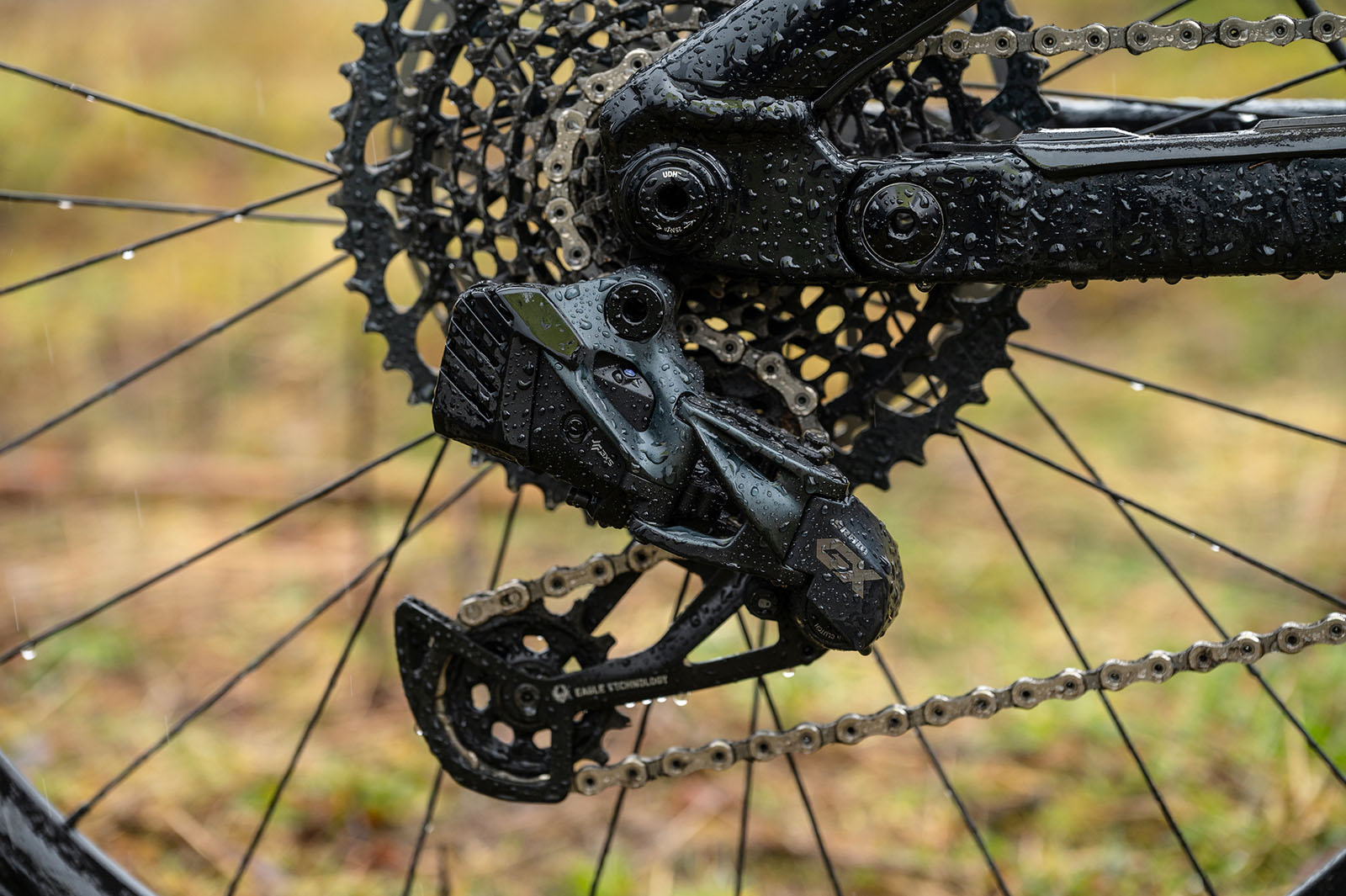
- Derailleurs: These are the mechanisms that move the chain from one gear to another—one at the front (for chainrings) and one at the back (for the cassette).
- Shifters: These are the levers on your handlebars. You use them to control the derailleurs.
When you shift gears, you change the position of the chain, which alters the mechanical advantage. This affects how much force you need to pedal and how fast the bike moves with each pedal stroke.
How Gears Help You Ride
Gears are useful in many situations:
- Climbing hills: Use lower gears. They make pedaling easier, but you move slower.
- Riding fast on flat ground: Use higher gears. They make pedaling harder, but you go faster.
- Descending: Adjust gears so you can control your speed and keep your legs moving comfortably.
Gear Ratios Explained
A gear ratio is the relationship between the chainring (front) and cassette (rear). For example, if you have a 32-tooth chainring and a 16-tooth rear sprocket, your ratio is 2:1. This means the wheel turns twice for every pedal turn.
Lower ratios (like 1:1) are easier to pedal and best for hills. Higher ratios (like 3:1) are harder to pedal but let you go faster.
Types Of Gear Systems
Mountain bikes use different types of gear systems. Each has its benefits and drawbacks.
Derailleur Gear System
Most mountain bikes use a derailleur system. This means the chain physically moves between sprockets using a derailleur. It’s common because it’s light, reliable, and gives a wide range of gears.
Main Features
- Multiple chainrings (1x, 2x, 3x)
- Wide-range cassettes (10–12 sprockets)
- Easy to repair and upgrade
Drawbacks
- Needs regular cleaning and adjustment
- Can get clogged with mud
- Requires some skill to shift smoothly
Internal Gear Hub
A few mountain bikes use internal gear hubs. The gears are inside the rear wheel hub. You shift by turning a grip or lever.
Main Features
- Protected from dirt and water
- Low maintenance
- Can shift while stopped
Drawbacks
- Heavier than derailleur systems
- Fewer gear choices
- Harder to repair
Single-speed
Some bikes are single-speed—they have only one gear. These are simple and tough, but not good for hills.
Main Features
- No shifters or derailleurs
- Light and strong
- Perfect for flat trails
Drawbacks
- Hard to climb hills
- Limited speed range
| Gear System | Maintenance | Weight | Gear Range | Best For |
|---|---|---|---|---|
| Derailleur | Medium | Light | Wide | All-mountain |
| Internal Hub | Low | Heavy | Narrow | Urban/trails |
| Single-Speed | Low | Light | None | Flat terrain |
How Shifting Works
Shifting gears means moving the chain to a different sprocket or chainring. You do this using the shifters on your handlebars. There are two main types of shifters:
- Trigger shifters: You push a lever with your finger or thumb.
- Grip shifters: You twist the handlebar grip.
When you shift, the derailleur moves the chain to a different gear. The process is quick, but timing matters.
Front Vs. Rear Shifting
- Front shifter: Changes chainrings (big jumps in gear ratio).
- Rear shifter: Changes cassette sprockets (smaller jumps).
Most riders use the rear shifter more often, as it gives finer control.
When To Shift
- Shift before you reach a steep hill, not while climbing.
- Shift while pedaling, but avoid shifting under heavy load.
- Slow down pedaling for smoother shifts.
Common Shifting Mistakes
- Cross-chaining: Using the smallest chainring with the smallest rear sprocket or the largest with the largest. This stresses the chain.
- Shifting under heavy load: Pedaling hard while shifting can damage gears.
- Not anticipating terrain: Shift early when you see hills or obstacles.
Most beginners miss the importance of timing and smooth shifting. If you wait until the hill starts, shifting becomes harder and can damage the drivetrain.
Gear Range And Setup
Modern mountain bikes have different gear setups. The most popular are 1x (one front chainring) and 2x (two front chainrings). Older bikes may have 3x setups.
1x Setup
- One chainring in front
- Wide-range cassette (10–12 sprockets)
- Simpler, lighter, easier to use
2x Setup
- Two chainrings in front
- Medium-range cassette (9–11 sprockets)
- More gear choices
3x Setup
- Three chainrings in front
- Narrow-range cassette (7–9 sprockets)
- Most gears, but more complicated
| Setup | Front Chainrings | Cassette Sprockets | Total Gears | Complexity |
|---|---|---|---|---|
| 1x | 1 | 10–12 | 10–12 | Low |
| 2x | 2 | 9–11 | 18–22 | Medium |
| 3x | 3 | 7–9 | 21–27 | High |
Most modern bikes use 1x setups because they are simpler and lighter. You get almost the same gear range as older 3x setups, but with less confusion.
Using Gears For Different Terrain
Changing gears lets you adapt to the terrain. Here’s how:
Climbing Hills
- Use the smallest chainring and largest cassette sprocket.
- Pedaling becomes easier, but you move slower.
- Shift early, before the hill starts.
Descending
- Use the biggest chainring and smallest cassette sprocket.
- Pedaling is harder, but you can go faster.
- Stay in control—don’t just pick the hardest gear.
Flat Trails
- Use middle gears for steady speed.
- Too high a gear can tire you quickly.
- Too low a gear makes you pedal too fast without moving much.
Technical Terrain
- Lower gears help you keep balance and control.
- Shift before entering rough sections.
- Avoid cross-chaining.
Gear Maintenance
Keeping your gears in good shape is vital. Dirty or worn gears make shifting hard and can cause accidents.
Cleaning
- Clean the chain and cassette after muddy rides.
- Use a brush and degreaser.
- Dry and lubricate the chain.
Adjustment
- Check derailleurs for alignment.
- Adjust cable tension for smooth shifting.
- Replace worn parts like chains and sprockets.
Lubrication
- Use bike-specific lubricants.
- Avoid over-lubricating, which attracts dirt.
Signs Of Gear Problems
- Slipping chain
- Hard shifting
- Noisy drivetrain
If you notice these, check your bike or visit a mechanic.
Advanced Gear Tips
Most beginners focus on just changing gears. But you can use gears for cadence control and energy management.
Cadence
Cadence means how fast you pedal. The ideal cadence is 70–90 revolutions per minute (RPM). Adjusting gears lets you keep this rate, which is efficient and prevents fatigue.
Energy Management
Use gears to save energy for tough sections. Shift to easier gears before you tire. Don’t wait until you’re exhausted.
Gear Combinations
Learn which gear combos suit different parts of the trail. For example:
- Steep climb: Small chainring + large sprocket
- Sprint: Large chainring + small sprocket
- Technical: Middle chainring + middle sprocket
| Terrain | Recommended Gear | Cadence Target |
|---|---|---|
| Climb | Small ring, large sprocket | 70–80 RPM |
| Flat | Middle ring, middle sprocket | 80–90 RPM |
| Descent | Large ring, small sprocket | 90+ RPM |
Non-obvious Insights
- Chainline matters: Keeping the chain as straight as possible between chainring and sprocket reduces wear and improves efficiency. Avoid extreme gear combos.
- Shifting while coasting: Derailleur systems require you to pedal while shifting; internal gear hubs let you shift while stopped. This difference is important in stop-and-go sections.
Choosing The Right Gears For Your Riding Style
Picking the right gear setup depends on your riding:
- Trail riding: 1x setups are popular for their simplicity.
- Cross-country: More gears (2x or 3x) give extra choices.
- Downhill: Fewer gears, but strong components.
Think about:
- Terrain: Are your trails hilly or flat?
- Fitness: If you’re strong, you may use higher gears.
- Skill: Beginners benefit from simpler setups.

Credit: www.youtube.com
Gear Technology Trends
Mountain bike gears have changed a lot in the last 10 years. Here are some trends:
- Wide-range cassettes: 12-speed cassettes with big sprockets (up to 52 teeth).
- Electronic shifting: Wireless systems for precise shifts.
- 1x drivetrains: Popular for all skill levels.
- Clutch derailleurs: Prevent chain slap on rough terrain.
These advances make shifting easier and more reliable, but also add cost.
Mountain Bike Gear Stats And Data
- Most mountain bikes sold today have 1×12 drivetrains.
- The largest rear sprocket can be 52 teeth (compared to 28–32 teeth in older bikes).
- Average gear range in modern bikes: 500% (meaning the easiest gear is 5 times easier than the hardest).
- Chain wear increases by 20% if you cross-chain often.
Credit: davidpressleyschool.com
Practical Examples
Let’s look at two real scenarios:
Example 1: Steep Hill
You see a steep climb coming. Shift to the smallest chainring and largest rear sprocket before you reach the hill. Keep your cadence steady at 75–80 RPM. If you shift too late, the chain might slip.
Example 2: Fast Flat Section
After the climb, you hit a flat trail. Shift to the biggest chainring and smallest rear sprocket. Aim for a cadence of 85–90 RPM. If you use too low a gear, you’ll tire quickly.
Common Beginner Mistakes
- Ignoring maintenance: Dirty gears shift badly and wear faster.
- Cross-chaining: Causes wear and reduces efficiency.
- Shifting too late: Makes climbs harder and can break chains.
- Using only one shifter: Limits your gear options.
- Not learning cadence: Leads to fatigue.
Avoid these mistakes to make your rides smoother and safer.
Expert Tips For Smooth Shifting
- Shift early and lightly, especially before hills.
- Use both shifters for better gear range.
- Clean and lube your drivetrain often.
- Practice shifting on easy trails before hitting tougher terrain.
- Learn to listen for gear noise—if it’s loud, something may be wrong.
Frequently Asked Questions
How Many Gears Do Mountain Bikes Have?
Most modern mountain bikes have between 10 and 12 gears in the rear and sometimes one or two in the front. This gives a total of 10–24 gear combinations. Older bikes can have up to 27 gears (3 front x 9 rear).
Should I Use High Or Low Gears For Climbing?
Use low gears (small chainring, large sprocket) for climbing. This makes pedaling easier, so you can keep a steady rhythm even on steep hills.
Why Does My Chain Slip When I Shift?
A slipping chain often means worn parts, bad adjustment, or shifting under heavy load. Clean, adjust, and replace parts as needed. Shift before you reach tough spots.
How Often Should I Clean My Bike’s Gears?
Clean your bike’s gears after muddy or wet rides, or at least once a month. Regular cleaning prevents wear and keeps shifting smooth.
Can I Shift Gears While Not Pedaling?
With derailleur systems, you must pedal to shift. With internal gear hubs, you can shift while stopped or coasting. Know your bike’s gear type for best results.
Mountain bike gears are simple once you understand their parts and purpose. They help you climb, descend, and ride efficiently. With practice, you’ll shift smoothly and ride longer, faster, and safer. Remember: maintain your gears, shift early, and keep your cadence steady. If you want more technical details, check out the Wikipedia guide to bicycle gearing. Now you’re ready to hit the trails with confidence and make the most of your mountain bike’s gears.

Credit: www.youtube.com

Hello Guys! I am John Reese, a professional biker and my hobby is biking! I have been biking for last 12 years and I love using bikes while outing as well. Based on my experiences with the different type of bikes (mountain bikes, road bikes and hybrid bikes); I am sharing my opinion about various bikes so that a beginner can get started right away. Happy reading!