
Shipping a mountain bike sounds simple, but the true cost can surprise you. Whether you’re moving across the country, selling your bike online, or planning a biking adventure, knowing the exact price is important. But the cost to ship a mountain bike is not just one number—it depends on many factors.
From packaging and carrier choices to insurance and special services, each detail adds to the total. In this guide, you’ll discover the real costs, learn how to avoid common mistakes, and see clear comparisons. If you’re a beginner, you’ll also find non-obvious tips that most people miss.
Let’s break down everything you need to know so you can ship your mountain bike with confidence—and without wasting money.
Core Factors Affecting Shipping Cost
Many people think shipping a mountain bike is just about weight and distance. But there are several key factors that shape the final price.
Bike Weight And Dimensions
Mountain bikes are usually heavier and larger than road bikes. A typical mountain bike weighs between 25–35 pounds (11–16 kg) and measures about 65–70 inches (165–178 cm) in length. Shipping companies use both the actual weight and dimensional weight. Dimensional weight means the box size matters as much as the bike’s weight. If your bike is packed in a big box, you’ll pay more—even if the bike is light.
Shipping Distance
Shipping costs rise with distance. Sending a bike within the same city can cost as little as $30–$50. Shipping across the country often costs $80–$150. International shipping is much higher, usually $200–$500 depending on the destination and customs fees. Longer distances also mean more risks and extra insurance costs.
Carrier Choice
The shipping company you choose affects the price and service. Popular options include:
- FedEx: Known for reliability; prices start around $70 for standard service.
- UPS: Offers special bike boxes; typical cost is $75–$160 for domestic shipments.
- USPS: Cheaper for small packages, but often less suitable for large items like bikes.
- Bike shipping specialists (e.g., BikeFlights, ShipBikes): Often cheaper and safer, with rates as low as $40–$90 for domestic shipping.
Packaging And Preparation
Packing a mountain bike safely is crucial. The cost for a bike box can range from $20–$60. Professional packaging at a bike shop usually costs $50–$100. If you pack it yourself, you save money but risk damage if you miss important steps.
Insurance And Tracking
Shipping a mountain bike without insurance is risky. Most carriers offer basic insurance, but full coverage often costs extra—usually $10–$30 for bikes worth $1,000–$3,000. Tracking is often included, but some premium options cost more.
Delivery Speed
Faster shipping means higher prices. Standard shipping takes 3–7 days and is cheapest. Express shipping can deliver in 1–2 days but costs up to 50% more.
Additional Services
If you need pickup, assembly, or special handling, expect extra fees. For example, home pickup might cost $10–$20, while professional assembly at delivery can be $75–$150.
Typical Costs: Domestic Shipping In The Us
Shipping prices can vary a lot, but here are realistic numbers for sending a mountain bike within the United States.
| Carrier | Standard Cost (Boxed) | Express Cost | Insurance (up to $2,000) | Packaging Fee |
|---|---|---|---|---|
| FedEx | $75–$110 | $140–$210 | $15–$25 | $50–$100 |
| UPS | $80–$130 | $150–$220 | $18–$30 | $50–$90 |
| BikeFlights | $40–$90 | $110–$190 | $10–$22 | $20–$60 |
| ShipBikes | $50–$95 | $120–$200 | $12–$28 | $30–$80 |
These numbers assume you’re shipping a standard mountain bike in a bike box. Prices can change based on exact size, weight, and extra services.

Credit: www.twowheeledwanderer.com
International Shipping: What Changes?
Shipping a mountain bike abroad is more expensive and complex. Customs, taxes, and longer distances make costs much higher.
Typical International Shipping Costs
- North America (Canada, Mexico): $120–$250
- Europe: $250–$450
- Asia/Australia: $300–$500
- Africa/South America: $350–$600
These numbers include basic insurance and packaging. Customs fees and taxes are not included—they can add $50–$200 depending on the country.
Customs And Import Fees
Every country has its own rules. Some charge import duties on bikes, usually 5–15% of the bike’s value. You must pay these fees before the bike is delivered. If you forget this, your bike might be stuck at customs for weeks.
Example: Shipping To The Uk
- Shipping cost: $350
- Packaging: $55
- Insurance: $25
- Customs duty: 10% ($200 bike = $20)
- VAT: 20% ($200 bike = $40)
Total: $350 + $55 + $25 + $20 + $40 = $490
Shipping Time
International shipping usually takes 7–21 days. Express options can deliver in 3–7 days but cost much more.
Packing A Mountain Bike: Costs And Options
Packing is not just about saving money—it’s about protecting your bike. A poorly packed bike can be damaged, costing you more in repairs than shipping.
Professional Packing
Most bike shops offer packing services. They remove wheels, pedals, handlebars, and pack everything in a bike box. Typical cost: $50–$100. You get peace of mind, but you pay extra.
Diy Packing
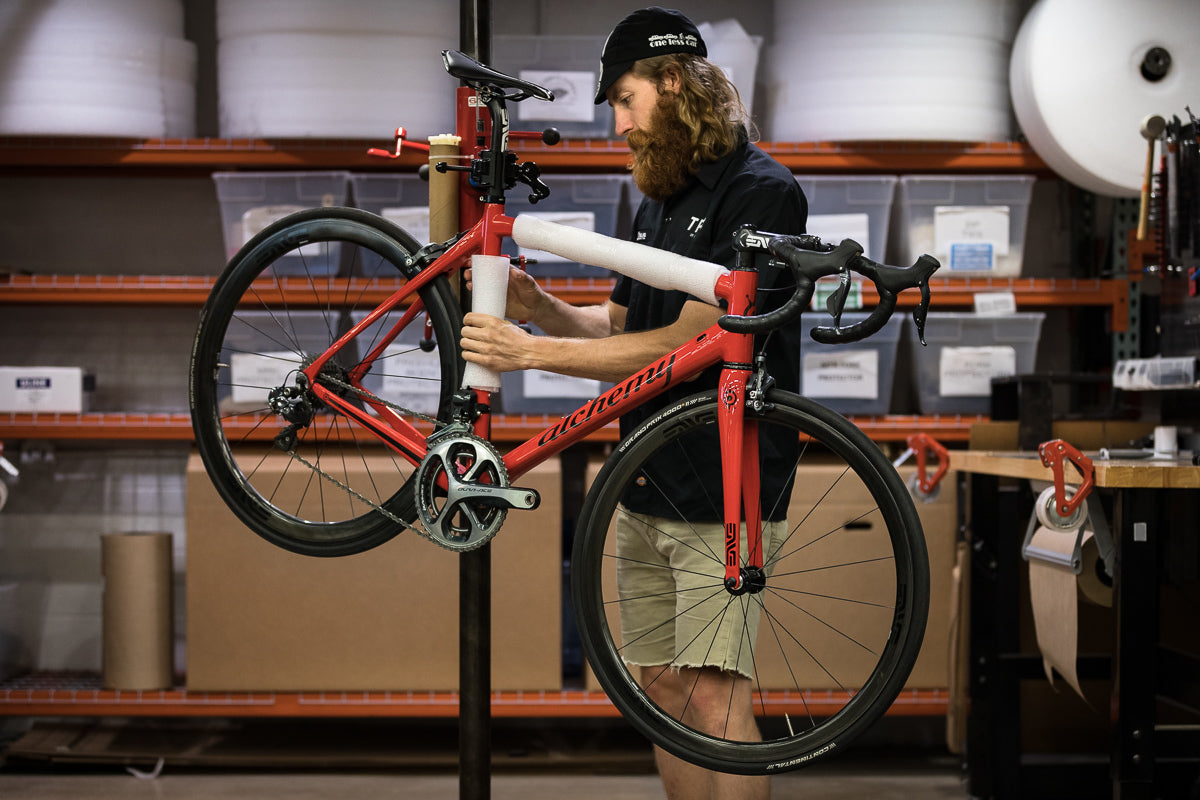
Packing your own bike is cheaper. Buy a bike box online or at a shop ($20–$60). Remove wheels and pedals, wrap the frame in bubble wrap, and use zip ties. But many beginners miss:
- Securing small parts: Loose bolts can scratch the frame.
- Protecting the derailleur: This is easily bent.
- Using enough padding: Thin foam can’t protect against drops.
If you pack yourself, watch detailed videos or ask a shop for tips.
Packing Materials
- Bike box: $20–$60
- Bubble wrap/foam: $10–$20
- Zip ties, tape: $5–$10
Most carriers require bikes to be fully boxed—no soft bags allowed.
Credit: www.theproscloset.com
Insurance: Protecting Your Bike
A mountain bike is valuable. Shipping insurance is a smart choice. Basic coverage is usually included, but full-value insurance costs extra. If your bike is lost or damaged, you can claim the cost.
How Much Insurance Costs
- Value up to $1,000: $10–$15
- Value up to $2,000: $18–$30
- Value up to $5,000: $35–$60
Always declare the real value. If you claim too low, you lose money if there’s a problem.
Claim Process
If your bike is damaged, take photos and contact the carrier immediately. Keep all receipts and tracking numbers. Some carriers require proof of professional packing—another reason to use a bike shop.
Comparing Shipping Services: Which Is Best?
With many options, choosing the right service can save money and stress. Here’s how major choices compare:
| Service | Price Range | Delivery Time | Insurance Included | Tracking | Best For |
|---|---|---|---|---|---|
| FedEx | $75–$210 | 3–7 days | Basic | Yes | Standard shipping, reliable |
| UPS | $80–$220 | 3–7 days | Basic | Yes | Heavy bikes, special boxes |
| BikeFlights | $40–$190 | 2–5 days | Extra available | Yes | Bike shipping, lower rates |
| ShipBikes | $50–$200 | 3–6 days | Extra available | Yes | Bike shipping, flexible |
| USPS | $60–$120 | 5–10 days | Basic | Yes | Small bikes only |
Bike shipping specialists often offer lower prices and better handling. But for very heavy bikes, FedEx or UPS may be best.
Common Mistakes Beginners Make
Many people waste money or damage their bike by making simple mistakes. Here are problems to avoid:
- Underestimating box size: Using a box that’s too small can bend the frame.
- Skipping insurance: If your bike is expensive, insurance is not optional.
- Not removing pedals/wheels: Bikes shipped fully assembled often get damaged.
- Choosing the wrong carrier: Not all carriers handle bikes well.
- Ignoring customs fees: For international shipping, forgetting about import taxes can delay delivery.
- Incorrect labeling: Without proper address and contact info, bikes can get lost.
Real-life Examples
Let’s look at a few real scenarios:
Example 1: Domestic Shipping
John in California sold his mountain bike for $1,500 to a buyer in New York. He used BikeFlights.
- Shipping cost: $70
- Insurance: $22
- Packaging at local shop: $65
- Total: $157
His bike arrived in 5 days, no damage.
Example 2: International Shipping
Maria shipped her mountain bike from Texas to Germany for a race.
- Shipping cost: $420 (FedEx)
- Insurance: $28
- Packaging: $50
- Customs duty: $80
- Total: $578
The bike arrived in 9 days. Customs took 2 extra days.
Example 3: Diy Packing
Tom wanted to save money. He packed his own bike using a $30 box. He forgot to remove the derailleur. Bike arrived bent, repairs cost $120.
Non-obvious Insights Most Beginners Miss
Shipping a mountain bike seems straightforward, but these tips can save you money and hassle:
- Dimensional weight matters more than actual weight. If your box is bigger than needed, you pay extra. Always use the smallest safe box.
- Bike shops often have used boxes. Ask for a used box—they may give it free or cheaper.
- Insurance claims require proof of packing. If you don’t have a packing receipt, your claim can be denied.
- Some carriers reject bikes with lithium batteries. If your bike has an electric assist, check carrier rules.
- Tracking is not always real-time. Some carriers update tracking only once a day.
How To Save Money When Shipping A Mountain Bike
You don’t have to pay top dollar. Here’s how to cut costs:
- Compare rates online: Use shipping calculators on each carrier’s website.
- Pack the bike yourself: But only if you’re confident. Otherwise, pay for professional packing.
- Use bike shipping companies: Specialized services often have lower rates and better handling.
- Ship during off-peak times: Holidays and weekends usually cost more.
- Ask about used boxes: Bike shops often have spare boxes for free or cheap.
- Decline unnecessary extras: Only pay for services you truly need.
Do You Need Special Shipping For Carbon Or High-end Bikes?
Carbon fiber bikes and high-end mountain bikes need extra care. Insurance is more expensive ($30–$60 for $5,000 coverage). Use thicker foam and hard shell boxes. Tell the carrier about the bike’s value and material—some require special handling.
Shipping A Mountain Bike: Step-by-step
Here’s how to ship your mountain bike safely:
- Clean the bike: Dirt can damage parts during transit.
- Remove pedals, wheels, handlebars: Makes the bike fit the box and reduces damage risk.
- Wrap frame and parts: Use bubble wrap and foam.
- Secure small parts: Use zip ties and bags for bolts and screws.
- Place everything in the box: Make sure nothing moves.
- Label the box clearly: Full address, phone, and “Fragile” stickers.
- Choose insurance and tracking: Select the right coverage.
- Drop off or schedule pickup: Many carriers offer home pickup.
- Save receipts and tracking info: For claims and follow-up.
Shipping Costs: Quick Reference
For fast answers, here’s a summary:
- Domestic (US): $40–$150 (standard), $110–$220 (express)
- International: $200–$600
- Packaging: $20–$100
- Insurance: $10–$60
- Pickup/extra services: $10–$150
Where To Find Accurate Shipping Rates
Shipping prices change often. Use official calculators:
- FedEx Shipping Calculator
- UPS Shipping Calculator
- BikeFlights Rate Tool
For international rates and customs info, check government sites or trusted resources like Wikipedia.
Credit: www.kspulverizadores.com.br
Frequently Asked Questions
How Much Does It Cost To Ship A Mountain Bike Internationally?
International shipping usually costs $200–$600 depending on the destination, carrier, box size, and customs fees. Europe and Australia are more expensive. Always check for extra taxes.
Is It Cheaper To Ship A Mountain Bike With A Bike Shipping Service?
Yes. Companies like BikeFlights and ShipBikes usually offer lower rates ($40–$90 domestic) and better handling than general carriers. They specialize in bike shipping and often include insurance.
What Is The Best Way To Pack A Mountain Bike For Shipping?
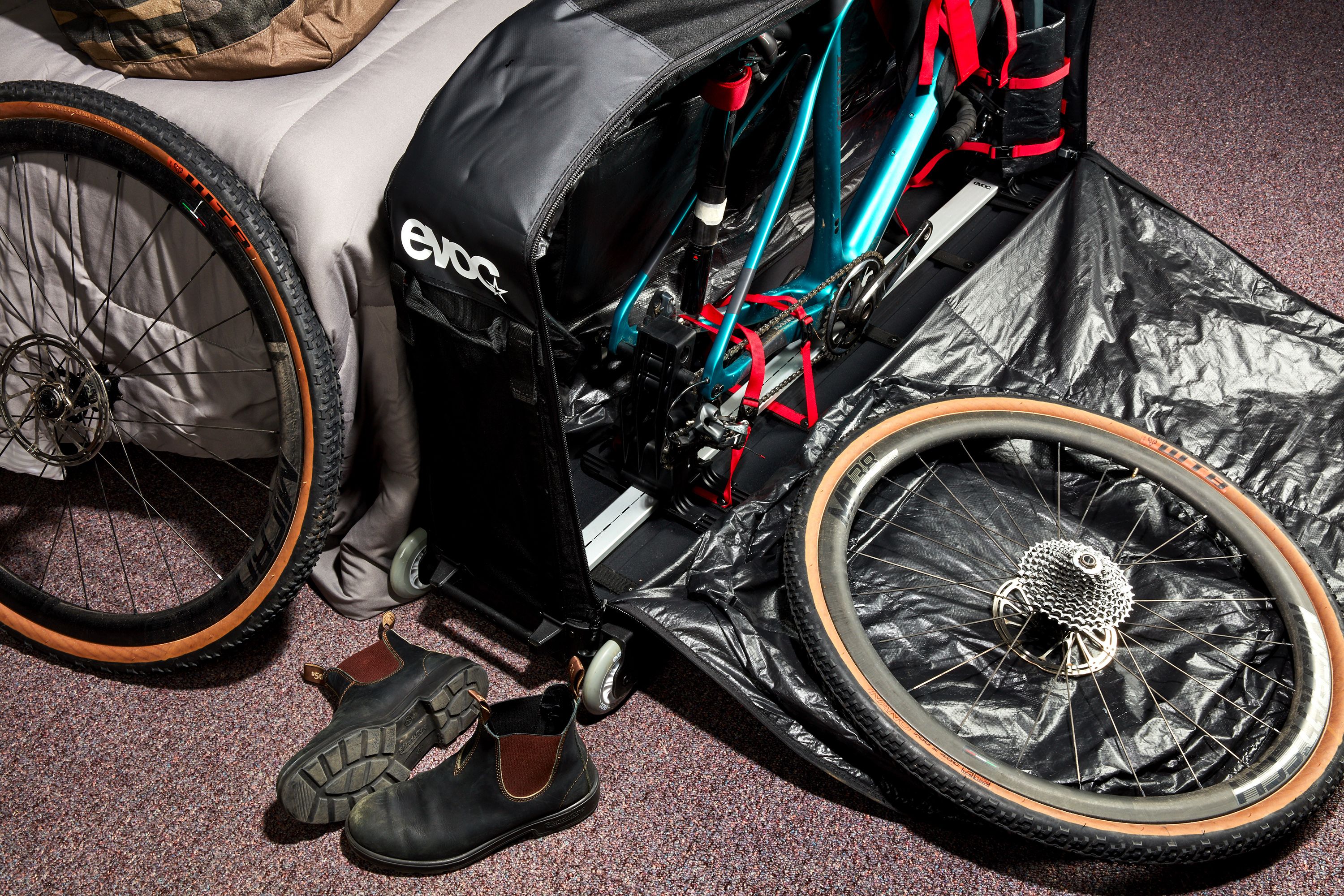
The safest way is professional packing at a bike shop ($50–$100). For DIY, use a bike box, remove pedals and wheels, wrap all parts, secure bolts, and label the box. Never ship a bike fully assembled.
Do I Need Shipping Insurance For My Mountain Bike?
Yes, especially for expensive bikes. Basic coverage is included, but full-value insurance costs $10–$60. Without insurance, you risk losing money if the bike is lost or damaged.
What Happens If My Mountain Bike Is Damaged During Shipping?
Contact the carrier immediately, take photos, and keep all receipts. If you have insurance, file a claim. Proof of professional packing helps. Repairs or replacements depend on your coverage.
Shipping a mountain bike can be easy and affordable if you plan ahead. By understanding real costs, comparing services, and avoiding mistakes, you’ll protect your bike—and your wallet.

Hello Guys! I am John Reese, a professional biker and my hobby is biking! I have been biking for last 12 years and I love using bikes while outing as well. Based on my experiences with the different type of bikes (mountain bikes, road bikes and hybrid bikes); I am sharing my opinion about various bikes so that a beginner can get started right away. Happy reading!