
Most mountain bikers know that tire pressure matters—but not everyone knows exactly how much to inflate mountain bike tires for the best ride. If you pump too much, your bike feels harsh and bounces on rocks. Too little, and you risk flat tires or sluggish handling. This guide explains how to find the right pressure for your tires, why it matters, and how to adjust for different conditions. Whether you ride trails every weekend or just started mountain biking, you’ll learn practical steps and insider tips to get your tire pressure just right.
Why Tire Pressure Matters
Mountain bike tire pressure affects almost everything about your ride. The right pressure makes your bike safer, more comfortable, and faster. If you want to avoid common mistakes, start by understanding how tire pressure impacts:
- Traction: Lower pressure lets tires grip the ground better, especially on loose dirt or rocks.
- Comfort: Softer tires absorb bumps, making your ride smoother.
- Speed: Too much air can make tires bounce and lose contact with the ground, slowing you down.
- Punctures: Low pressure increases the risk of “pinch flats”—when the tire compresses enough to pinch the tube against the rim.
- Control: Correct pressure helps you turn smoothly and handle rough terrain.
Many beginners inflate their tires “until they feel hard. ” That’s a mistake. Pressure should be measured and tailored to your riding style, tire size, and the trail.
The Basics: What Is Tire Pressure?
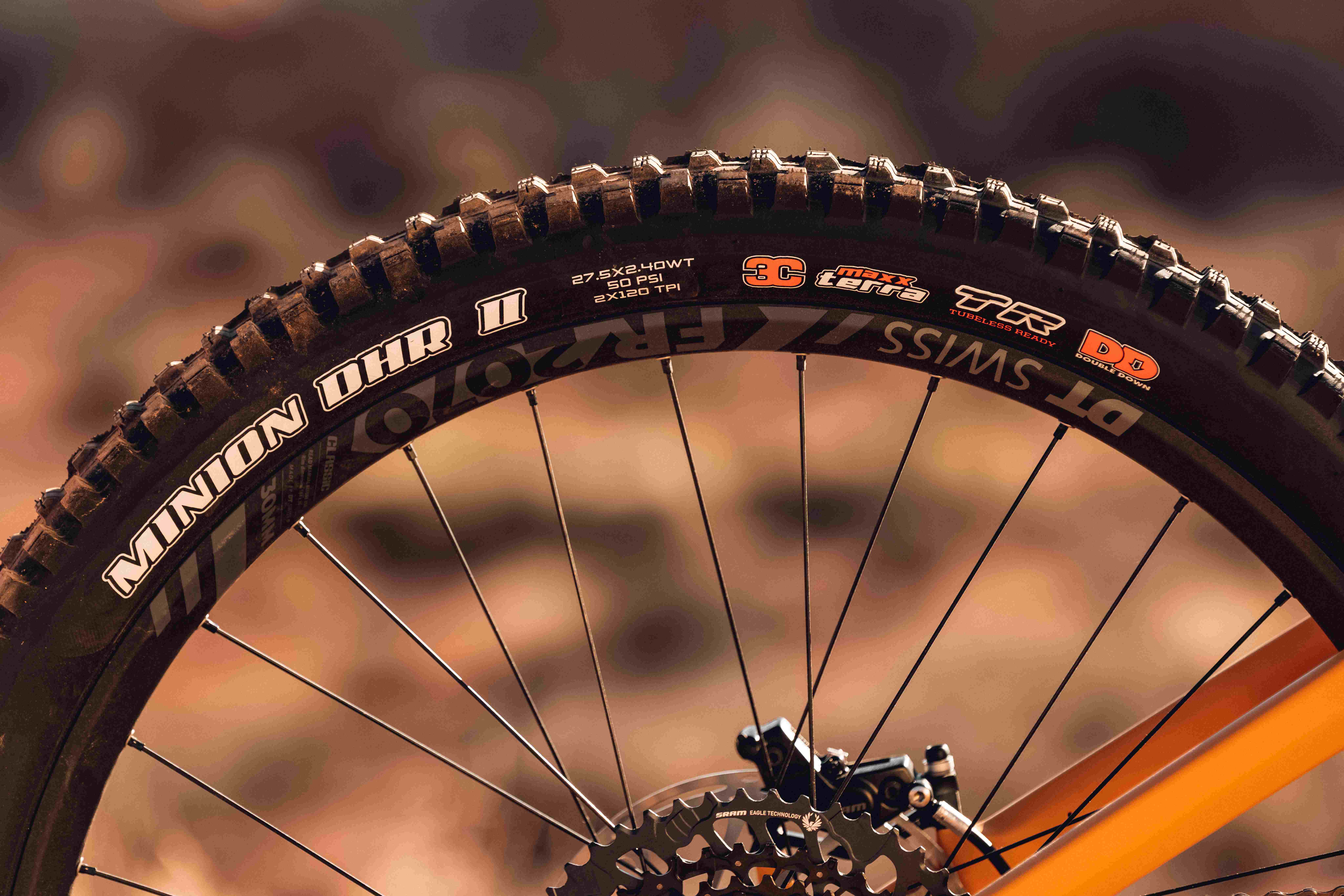
Tire pressure is measured in pounds per square inch (PSI). It’s the amount of air inside your tire. Most mountain bike tires use a range between 20 and 40 PSI. The right PSI depends on tire width, rider weight, trail conditions, and whether you use tubes or tubeless tires.
Tube Vs. Tubeless Tires
- Tubed tires have an inner tube. They need higher pressure to avoid pinch flats.
- Tubeless tires don’t use a tube. You can run lower pressure for better grip, but you must avoid “burping” (air escaping from the bead).

Credit: www.youtube.com
How To Find The Right Psi For Your Mountain Bike
Every rider and tire is different. Here’s how to find your ideal pressure:
- Check the sidewall: Most mountain bike tires print a recommended PSI range on the sidewall. For example, “30–50 PSI.”
- Consider your weight: Heavier riders need higher pressure. Lighter riders can use less.
- Look at tire width: Wider tires work best with lower pressure; narrow tires need more.
- Think about terrain: Rocky, rooty, or muddy trails need lower pressure for grip. Hardpacked trails allow higher PSI.
- Adjust for tubeless: Tubeless setups often run 2–5 PSI lower than tubed.
Here’s a quick reference chart for average mountain bike PSI:
| Rider Weight (lbs) | Tire Width | PSI Range (Tubed) | PSI Range (Tubeless) |
|---|---|---|---|
| 120–150 | 2.1–2.3″ | 28–35 | 24–30 |
| 151–180 | 2.3–2.5″ | 32–40 | 26–33 |
| 181–210 | 2.5–2.8″ | 36–45 | 28–36 |
| 210+ | 2.8+” (plus tires) | 40–50 | 33–40 |
These numbers are starting points. Fine-tune your PSI after a few rides.
How Tire Width Changes Psi Needs
Mountain bike tires come in many widths: from skinny 2.1-inch tires to fat 3-inch “plus” tires. Wider tires hold more air and need less pressure to support your weight.
Narrow Vs. Wide Tires
| Tire Width | Recommended PSI | Best For |
|---|---|---|
| 2.1–2.3″ | 30–40 PSI | Cross-country, fast trails |
| 2.4–2.5″ | 25–35 PSI | All-mountain, trail riding |
| 2.6–3.0″ | 18–28 PSI | Plus-size, loose terrain |
Wider tires let you ride with less air, improving grip and comfort. But too little can make tires feel “squirmy” or cause rim damage.
How Rider Weight Affects Tire Pressure
Your weight is a major factor in how much air your tires need. Heavier riders compress tires more, so they need higher PSI to avoid flats and keep the tire firm.
A simple rule: For every 10 lbs above 150 lbs, add 1–2 PSI. If you’re lighter than 150 lbs, subtract 1–2 PSI per 10 lbs.
Example: If you weigh 180 lbs and your tire recommends 30–40 PSI, aim for 35–40 PSI. If you weigh 130 lbs, start at 28–32 PSI.
Adjusting Tire Pressure For Trail Conditions
The trail changes everything. Here’s how to adjust tire pressure for different surfaces:
Rocky Or Rooty Trails
Lower pressure helps tires “hug” rocks and roots. Drop 2–3 PSI from your usual setting for better grip.
Muddy Or Loose Dirt
Soft tires dig into mud and loose dirt, giving more control. Go for the lower end of your tire’s PSI range.
Hardpacked Trails
Higher pressure rolls faster and prevents drag. Stick to the upper end of your PSI range.
Downhill Riding
Downhill riders often use wide tires and low PSI for grip and shock absorption. But if you go too low, you risk “burping” tubeless tires or damaging rims.
Cold Weather
Air contracts in cold temperatures. If you ride in winter, check PSI before every ride. You may need to add 1–2 PSI.
How To Measure Tire Pressure Correctly
Many riders use a thumb test to judge pressure. This isn’t accurate. To get the best results:
- Use a digital gauge: Digital gauges give precise readings.
- Check before every ride: Air escapes over time. Always check PSI before heading out.
- Measure both tires: Front and rear tires can have different pressures. Usually, the rear is a bit higher.
Common Tire Pressure Mistakes
Many beginners make mistakes with tire pressure. Here are the most frequent:
- Over-inflating: Makes tires hard and bouncy. Reduces traction and comfort.
- Under-inflating: Increases risk of pinch flats and rim damage.
- Ignoring tire type: Tubeless and tubed tires need different PSI.
- Not checking regularly: PSI changes with temperature and leaks.
- Same pressure for all rides: Trails and conditions change—so should your PSI.
Avoiding these mistakes helps you ride safer and enjoy more.
Tubeless Tires: Special Considerations
Tubeless tires are popular for mountain biking. They let you run lower pressure for more grip, and seal most small punctures automatically.
Benefits Of Tubeless
- Lower PSI: More traction, better comfort.
- Less flats: No pinch flats, fewer punctures.
- Better ride: Tires deform to match trail shapes.
Risks
- Burping: Sudden loss of air if tire bead breaks seal. Happens with very low PSI.
- Sealant dries out: Check sealant every few months.
- Initial setup: Needs special rim tape and valves.
If you run tubeless, don’t go too low. Most riders find 22–28 PSI is ideal for trail riding.
How Suspension Impacts Tire Pressure
Mountain bikes have front (fork) and sometimes rear (shock) suspension. Suspension absorbs bumps, but tire pressure plays a role too.
- Hard tires + stiff suspension: Harsh ride, less grip.
- Soft tires + active suspension: Smooth ride, more control.
Balance your suspension settings with your tire pressure. If you soften your suspension, you can often lower tire PSI for more comfort.
How To Inflate Your Tires
Inflating mountain bike tires is simple, but a few tips make it easier:
- Choose the right pump: Floor pumps are best for home use. Mini pumps work on the trail. For tubeless, use a high-volume pump or air compressor.
- Check your valve type: Mountain bikes use Schrader or Presta valves. Make sure your pump fits.
- Inflate slowly: Pump to your target PSI, check with a gauge, and adjust.
- Test ride: After inflating, ride a short distance. If tires feel harsh or sluggish, adjust PSI.
When To Adjust Tire Pressure
You don’t need to change PSI every ride, but adjust when:
- Riding a new trail
- Changing tire size
- Swapping between tubed and tubeless
- Adding extra gear (like bikepacking)
- Temperatures change by more than 10°F
Real-world Examples
Let’s look at three riders with different needs:
Example 1: Light Rider, Narrow Tire
Sarah weighs 130 lbs and rides a 2. 1-inch tire. She rides mostly hardpacked trails. She uses 30–32 PSI with a tube. On rocky trails, she drops to 28 PSI.
Example 2: Average Rider, Medium Tire
Mike weighs 170 lbs and rides a 2. 4-inch tire, tubeless. He rides mixed terrain. He uses 26–28 PSI most days. On muddy days, he drops to 24 PSI.
Example 3: Heavy Rider, Wide Tire
Jorge weighs 210 lbs and rides a 2. 8-inch plus tire. He rides rough downhill trails. He uses 35 PSI tubeless. If he rides smoother trails, he increases to 38 PSI.
These examples show there’s no one-size-fits-all answer. Start with a recommended range, then adjust.
How To Experiment With Tire Pressure
Finding your ideal PSI takes some testing. Here’s a practical approach:
- Start at the middle of your tire’s recommended range.
- Ride your usual trail.
- Lower PSI by 2 and ride again.
- Notice grip, comfort, and speed.
- Repeat until tires feel too soft or handling suffers.
- Record your best setting for future rides.
Many riders miss this step. Experimenting helps you discover what works for your weight, bike, and style.
Signs Your Tire Pressure Is Wrong
Pay attention to these clues:
- Too high: Tires slip on loose dirt, bounce on rocks, feel harsh.
- Too low: Tires feel sluggish, squirmy, or you get frequent flats.
If you notice these signs, adjust your PSI up or down by 2–3 units and test again.
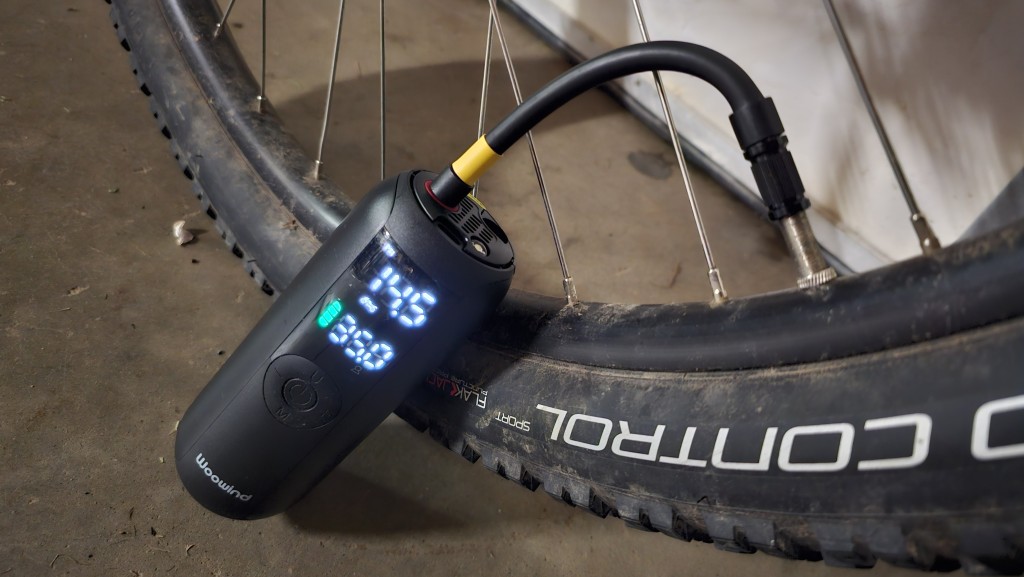
Pressure Differences: Front Vs. Rear
Most mountain bikes run slightly different PSI in each tire:
- Front tire: Lower PSI for grip, as it steers and absorbs shocks.
- Rear tire: Higher PSI for support, as it carries more weight.
Typical difference: 2–4 PSI lower in the front.
Credit: www.nittedal-torvindustri.no
Pressure For Different Bike Types
Mountain bikes come in several types. Each needs different PSI:
- Cross-country (XC): Narrow tires, higher PSI (30–40).
- Trail/All-mountain: Medium tires, moderate PSI (25–35).
- Enduro/Downhill: Wide tires, lower PSI (18–28).
- Fat bikes: Extra-wide tires, very low PSI (8–15).
Fat bikes run extremely low PSI to float over snow or sand. Never use these pressures in standard tires.
How Rim Size Impacts Pressure
Rim size (diameter) does not change PSI much, but rim width does. Wider rims support low pressure better.
- Narrow rims: Higher PSI needed to avoid squirming.
- Wide rims: Lower PSI possible without tire movement.
Always check rim compatibility before lowering PSI.
Using Tire Inserts
Some riders use tire inserts (like CushCore). Inserts let you run lower pressure without risking rim damage or flats.
Benefits:
- Extra protection
- Better grip
- Smoother ride
If you use inserts, drop 2–4 PSI from your usual setting.
Pressure For Bikepacking Or Extra Cargo
Adding luggage or extra gear increases weight. To avoid flats or sluggish tires, add 3–5 PSI to your usual setting.
Pressure For Racing
Racers often run slightly higher PSI for speed, but too much reduces grip. Test before race day and adjust for the course.
How Temperature And Altitude Affect Psi
Air expands in heat and contracts in cold. PSI can change 2–3 units between hot and cold days. Altitude also impacts air density. Always check tires after a big change in weather or location.
Data: Psi And Performance
Studies show tire pressure changes speed and grip. For example, a 2020 test found that mountain bikes run fastest at 28–32 PSI on hard trails and grip best at 24–28 PSI on loose surfaces. Even small changes of 2 PSI affect handling.
Psi And Safety
Safety comes first. Running the wrong PSI can cause crashes or rim damage. Always check pressure before big rides, and keep a pump and gauge handy.
Comparing Mountain Bike Tire Pressures
Here’s a comparison of common mountain bike types and their typical PSI:
| Bike Type | Tire Width | Typical PSI (Tubed) | Typical PSI (Tubeless) |
|---|---|---|---|
| Cross-country | 2.1–2.3″ | 32–40 | 28–35 |
| Trail | 2.3–2.5″ | 28–36 | 24–32 |
| Enduro/Downhill | 2.5–2.8″ | 25–32 | 20–28 |
| Fat bike | 3.8–5.0″ | 8–15 | 6–12 |
Non-obvious Insights
- Pressure can change during a ride. Fast descents heat tires, increasing PSI. If you start with the right pressure, it may rise as you ride—so check PSI after long downhill runs.
- Quality of tires matters. High-end tires with strong sidewalls let you run lower PSI safely. Cheap tires may need higher pressure to avoid damage.
Recommended Tools For Checking Psi
- Digital tire gauge: Most accurate, easy to read.
- Floor pump with gauge: Fast inflation, built-in measurement.
- Mini pump: Portable, for trail emergencies.
- CO2 inflator: Quick fixes, but less accurate for PSI.
Invest in a good digital gauge if you ride often.
How Often Should You Check Pressure?
Check tire PSI before every ride, especially if conditions change. Even slow leaks or temperature shifts can drop PSI overnight.
Useful External Resource
For more details on tire pressure and mountain biking, see this guide from Bicycling.com.
Frequently Asked Questions
What Happens If I Inflate My Mountain Bike Tires Too Much?
If you use too much PSI, your tires become hard and lose grip. You’ll feel every bump, and your bike may bounce or slide on rough trails. High pressure also increases the risk of losing control and can damage your rims.
How Do I Know My Mountain Bike Tires Have The Right Pressure?
The best way is to use a tire pressure gauge and set PSI based on your weight, tire size, and trail conditions. If your tires grip well, feel comfortable, and don’t get flats, your pressure is likely correct.
Can I Use The Same Psi For Both Front And Rear Tires?
No, the rear tire usually carries more weight, so it needs higher PSI. The front tire can be 2–4 PSI lower for better steering and shock absorption.
How Often Should I Check My Mountain Bike Tire Pressure?
Check your tire pressure before every ride. Changes in temperature, leaks, or rough trails can lower PSI overnight. Regular checks help avoid flats and unsafe rides.
Is It Safe To Run Lower Psi With Tubeless Tires?
Yes, tubeless tires are designed for lower PSI. This gives more grip and comfort. But don’t go too low—below 18 PSI, you risk “burping” and rim damage. Stick to the recommended range for your tire and weight.
Mountain biking is all about adapting and experimenting. The perfect tire pressure depends on your bike, your body, and the trails you ride. With the right PSI, you’ll enjoy more grip, comfort, and speed—plus fewer flats. Start with the recommendations here, test for yourself, and fine-tune your setup.
If you pay attention to tire pressure, you’ll ride safer, faster, and with a bigger smile every time you hit the trail.
Credit: www.canyon.com

Hello Guys! I am John Reese, a professional biker and my hobby is biking! I have been biking for last 12 years and I love using bikes while outing as well. Based on my experiences with the different type of bikes (mountain bikes, road bikes and hybrid bikes); I am sharing my opinion about various bikes so that a beginner can get started right away. Happy reading!