
Mountain biking is all about adventure, control, and comfort. But many riders ignore the most important part of their bike — suspension. Whether you are tackling rocky trails or smooth singletracks, your suspension controls how your bike handles bumps, turns, and jumps. If your suspension isn’t set correctly, you’ll feel every rock and root. Worse, you might lose control. Learning how to adjust mountain bike suspension makes your rides safer, smoother, and much more fun.
Many beginners think suspension adjustment is only for pro racers. That’s not true. Even casual riders benefit from a well-tuned suspension. With a few basic tools and some careful steps, you can make your mountain bike feel like it was built just for you. In this guide, you’ll learn how to adjust your suspension step by step, understand key terms like sag, rebound, and compression, and avoid common mistakes that make rides uncomfortable. Whether your bike has a front fork only or a full suspension setup, you’ll find practical advice you can use immediately.
Understanding Mountain Bike Suspension
Before you start adjusting, it’s important to know what the main parts of your suspension do. Mountain bikes typically have two types:
- Front suspension (fork): Absorbs impacts from the front wheel. Most bikes have this.
- Rear suspension (shock): Absorbs impacts from the back wheel. Found on full suspension bikes.
Both use either air or coil springs. Air suspensions are common because they are lighter and easier to adjust. Coil suspensions are often used for downhill bikes because they handle big impacts well.
Key Suspension Terms
- Sag: How much the suspension compresses under your body weight. Correct sag is crucial for grip and comfort.
- Rebound: Controls how quickly the suspension returns after being compressed.
- Compression: Adjusts how fast the suspension compresses when hitting bumps.
- Travel: The total movement the suspension can make, measured in millimeters (mm).
Why Suspension Matters
A well-tuned suspension makes your bike safer. It improves grip, absorbs shocks, and helps you corner confidently. Poorly adjusted suspension can cause:
- Loss of control
- Reduced comfort
- Increased fatigue
- Damage to bike parts
Many riders don’t realize that small adjustments can make a big difference. For example, setting the correct sag can improve traction by up to 20% (according to trail studies).
Tools You Need For Suspension Adjustment
Most adjustments require simple tools:
- Shock pump: For air suspension, this lets you add or remove air pressure.
- Allen wrenches: Used for adjusting bolts.
- Ruler or tape measure: For measuring sag.
- Zip ties or o-rings: Help check suspension movement.
- Owner’s manual: Always check your bike’s manual for specific instructions.
Some pro riders also use a digital pressure gauge, but it’s not necessary for beginners.
Step-by-step Guide To Adjusting Mountain Bike Suspension
Every bike and rider is different. The best settings depend on your weight, riding style, and local trails. Here’s how to adjust your suspension for the best ride.
1. Set The Correct Sag
Sag is the starting point for all suspension tuning. It’s the amount your bike compresses under your body weight. Most experts recommend:
- Front fork: 15-25% of total travel
- Rear shock: 25-30% of total travel
For example, if your fork has 100mm travel, aim for 15-25mm sag.
How To Measure And Adjust Sag
- Put on all your riding gear (helmet, backpack, shoes).
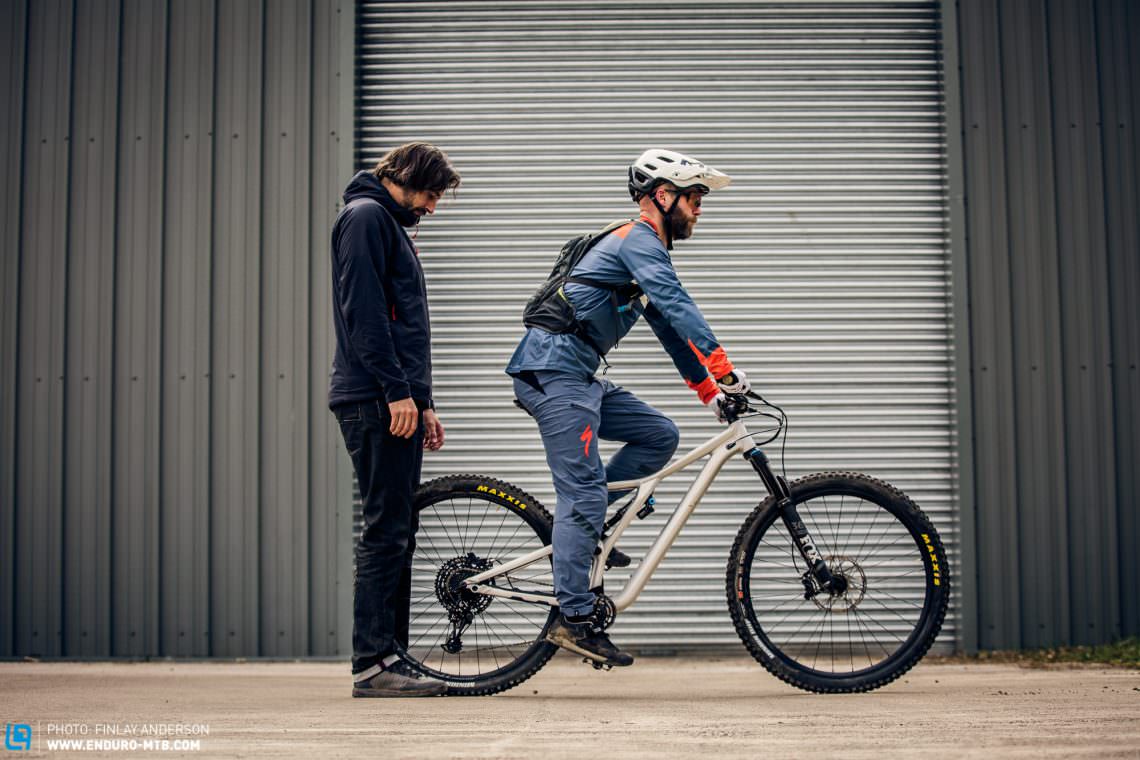
- Sit or stand on your bike in your normal riding position.
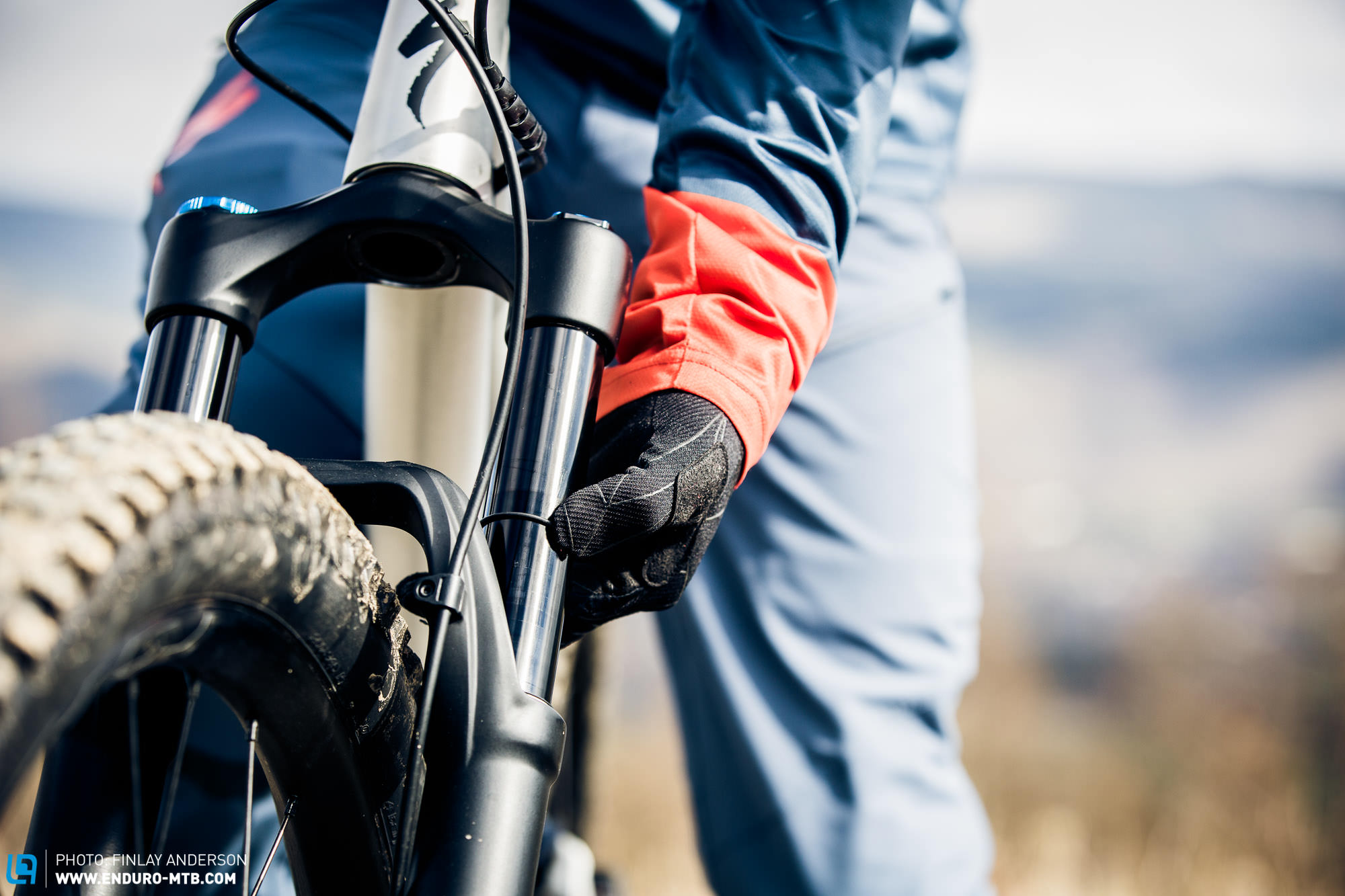
- Slide a zip tie or o-ring onto the fork and shock stanchion.
- Gently step off the bike without bouncing.
- Measure how much the zip tie moved. This is your sag.
- Adjust air pressure using a shock pump. Add air to reduce sag, remove air to increase sag.
- Repeat until you hit the target sag.
Tip: Many riders forget to include their backpack or water bottle when setting sag. Always measure with full gear.
2. Fine-tune Rebound
Rebound controls how fast your suspension returns after a bump. If rebound is too fast, your bike will bounce and feel unstable. If it’s too slow, your suspension won’t recover quickly enough for the next bump.
How To Adjust Rebound
- Find the rebound knob (usually red) on your fork and shock.
- Turn clockwise for slower rebound (more damping).
- Turn counterclockwise for faster rebound (less damping).
- Start with the manufacturer’s recommended setting.
- Test ride on a rough trail. Adjust until your bike feels controlled but not “dead.”
Example: On most bikes, there are 10-15 clicks of adjustment. Try starting in the middle, then fine-tune based on how your bike reacts.
3. Set Compression Damping
Compression controls how much resistance your suspension offers when hitting bumps. Too much compression makes your bike harsh. Too little makes it feel soft and “bottom out” easily.
Adjusting Compression
- Locate the compression knob (often blue).
- Turn clockwise for more compression (firmer).
- Turn counterclockwise for less compression (softer).
- Test ride and adjust as needed.
Some forks and shocks have two compression settings: high-speed (for big hits) and low-speed (for small bumps and pedaling).
4. Adjusting For Different Trail Types
Your suspension should match your riding conditions. Here’s how to adapt:
- Smooth trails: Use less compression and slower rebound.
- Rocky or rooty trails: Use more compression and faster rebound.
- Downhill: Set more sag and softer compression for grip.
- Climbing: Use less sag and firmer compression for efficiency.
Non-obvious insight: Suspension changes with temperature. If you ride early mornings or in winter, air pressure drops. Check your settings before every ride.
5. Setting Up For Rider Weight
A common beginner mistake is ignoring rider weight. Manufacturers base settings on a “standard” rider (about 160 lbs). If you are heavier or lighter, you must adjust air pressure or coil spring rate.
| Rider Weight (lbs) | Fork Pressure (psi) | Shock Pressure (psi) |
|---|---|---|
| 120-140 | 60-80 | 80-100 |
| 140-160 | 80-100 | 100-120 |
| 160-180 | 100-120 | 120-140 |
| 180-200 | 120-140 | 140-160 |
| 200+ | 140-160 | 160-180 |
Always start with your manufacturer’s chart, then fine-tune based on your own trail testing.
Comparing Air Vs Coil Suspension
There are two main types of suspension systems: air and coil. Each has its own advantages and disadvantages.
| Type | Pros | Cons |
|---|---|---|
| Air | Lightweight, easy to adjust, tunable for any rider | Less sensitive to small bumps, needs regular maintenance |
| Coil | Better for big hits, more consistent, less maintenance | Heavier, harder to adjust, must swap springs for weight changes |
Example: If you ride mostly downhill and hit big jumps, a coil shock may give more confidence. For cross-country or trail riding, air is usually better.
Common Suspension Adjustment Mistakes
Even experienced riders make errors when adjusting suspension. Avoid these pitfalls:
- Ignoring sag: Many riders skip measuring sag and rely on “feel.” This causes poor grip and handling.
- Not wearing full gear: Your weight changes with a backpack, water, and helmet.
- Over-tightening knobs: Excess force can damage adjustment mechanisms.
- Neglecting regular checks: Suspension settings can drift over time, especially with air systems.
- Setting rebound too fast: Makes the bike bounce dangerously.
- Copying pro settings: Pros use unique setups for racing, which may not suit casual riders.
Non-obvious insight: Suspension settings also depend on tire pressure. If you change your tires, recheck your suspension.
Practical Tips For Better Suspension Performance
Here are some expert tips you won’t find in most manuals:
- Record your settings: Keep a notebook or phone list. Write down air pressure, sag, rebound, and compression for each ride.
- Use a phone camera: Take photos of your suspension knobs before and after adjustments. This helps track changes.
- Test on the same trail: Adjust one setting at a time, then ride the same section. This makes it easier to feel the difference.
- Check settings monthly: Air systems lose pressure slowly. A quick check prevents surprises.
Example: Many riders notice their suspension feels “harsh” after a long winter. Usually, it’s just low air pressure — a quick pump solves the problem.
Credit: enduro-mtb.com
When To Get Professional Help
Some problems need expert attention. If you notice these issues, visit a bike shop:
- Suspension leaks oil: This means a seal is damaged.
- Knobs are stuck or broken: Don’t force them, get them repaired.
- Suspension feels “notchy” or sticky: Professional servicing can fix internal issues.
- You can’t achieve the recommended sag: You may need a different spring or air can.
A yearly suspension service extends the life of your bike and keeps it performing well.
Suspension Adjustment For Different Riding Styles
Mountain biking includes many styles. Your suspension should match your riding.
Trail Riding
- Use moderate sag and balanced compression/rebound.
- Focus on comfort and grip for varied terrain.
Enduro
- Use softer suspension for big hits, and faster rebound for technical descents.
- Adjust compression for better control.
Downhill
- Set maximum sag and low-speed compression for absorbing large impacts.
- Faster rebound helps with rapid bumps.
Cross-country
- Less sag, firmer compression for efficient pedaling.
- Slower rebound for stability.
Bikepacking
- Use firmer suspension settings, as extra weight from gear changes handling.
- Check settings with full load.
Real-world Example: Adjusting Suspension For A 175 Lb Rider
Let’s walk through a real adjustment for a rider weighing 175 lbs:
- Check manufacturer’s chart: Fork pressure should be about 110 psi, shock about 130 psi.
- Put on full gear: Helmet, shoes, and a hydration pack.
- Set sag: Use zip ties, aim for 25mm on the fork (100mm travel) and 30mm on the shock (120mm travel).
- Test ride: If fork bottoms out, add 5 psi. If it feels too stiff, remove 5 psi.
- Set rebound: Start in the middle, then adjust based on trail feedback.
- Set compression: Begin with the recommended setting, then adjust firmer or softer based on trail type.
Result: The rider now has a bike that feels stable, grips well, and absorbs bumps comfortably.
How Suspension Adjustment Impacts Your Riding
Suspension tuning isn’t just for comfort. It affects:
- Speed: Well-tuned suspension lets you ride faster and safer.
- Fatigue: Poor settings make you tired quickly.
- Confidence: Proper adjustments help you tackle harder trails.
Studies show that riders with well-adjusted suspension complete trails up to 15% faster and report 30% less fatigue.
Credit: enduro-mtb.com
Suspension Maintenance Checklist
Keep your suspension working smoothly with these steps:
- Clean fork and shock after every ride.
- Check air pressure monthly.
- Inspect for oil leaks.
- Lubricate seals with manufacturer-approved oil.
- Service suspension yearly.
| Task | Frequency | Who |
|---|---|---|
| Clean stanchions | After every ride | Rider |
| Check air pressure | Monthly | Rider |
| Inspect for leaks | Monthly | Rider |
| Full service | Yearly | Bike shop |
Frequently Asked Questions
How Often Should I Adjust My Suspension?
You should check your suspension before every ride, especially after changing your gear or tire pressure. Regular monthly checks help keep your bike performing well. Major adjustments are usually needed when switching trails or after servicing.
What Happens If My Sag Is Too High Or Too Low?
If your sag is too high, your bike will feel soft, lose efficiency, and may bottom out easily. If it’s too low, your suspension won’t absorb bumps, making rides harsh and reducing traction. Aim for the recommended sag range for your fork and shock.
Is It Safe To Adjust Suspension At Home?
Yes, most adjustments are safe and easy to do at home with basic tools. Always follow your bike’s manual and avoid forcing knobs. For oil leaks or stuck parts, visit a professional bike shop.
Can I Use Pro Rider Settings?
Not always. Pro riders customize their suspension for racing and specific trails. Their settings may not suit your weight, riding style, or local conditions. Start with manufacturer recommendations and adjust for your own comfort and performance.
Where Can I Find More Details About Suspension Tuning?
For deeper technical info and expert advice, check resources like Pinkbike Suspension Setup Guide. This offers charts, videos, and pro tips.
Mountain bike suspension adjustment isn’t hard, but it makes a huge difference. With the right steps, tools, and careful testing, your bike will feel smoother, safer, and faster. Invest a little time in tuning — and enjoy every ride with confidence.

Credit: www.youtube.com

Hello Guys! I am John Reese, a professional biker and my hobby is biking! I have been biking for last 12 years and I love using bikes while outing as well. Based on my experiences with the different type of bikes (mountain bikes, road bikes and hybrid bikes); I am sharing my opinion about various bikes so that a beginner can get started right away. Happy reading!