
Mountain biking is thrilling, but it demands careful bike maintenance, especially for the rear brakes. Good brakes let you ride safely, control speed, and handle tough terrain. Many riders, especially beginners, struggle with brake adjustment. Rear brakes can feel weak, squeaky, or slow to respond. If you learn to adjust them, your rides become smoother, safer, and more enjoyable.
This guide explains how to adjust rear brakes on a mountain bike. It covers everything you need—from tools and preparation to step-by-step instructions. You’ll learn about different brake types, common problems, and how to fine-tune for best performance. Whether you use rim brakes or disc brakes, you’ll find clear advice and practical tips.
By the end, you’ll feel confident working with your bike’s rear brakes, even if you’re not a mechanic.
Understanding Rear Brakes: Types And Basics
Before adjusting, it’s important to know which brake type you have. Mountain bikes usually use rim brakes or disc brakes.
Rim Brakes
Rim brakes use pads that squeeze the wheel rim. The most common types are V-brakes and cantilever brakes. They’re found on many older or entry-level mountain bikes.
Advantages:
- Simple design
- Easy to maintain
- Lighter weight
Disadvantages:
- Less power in wet/muddy conditions
- Wear out rims over time
Disc Brakes
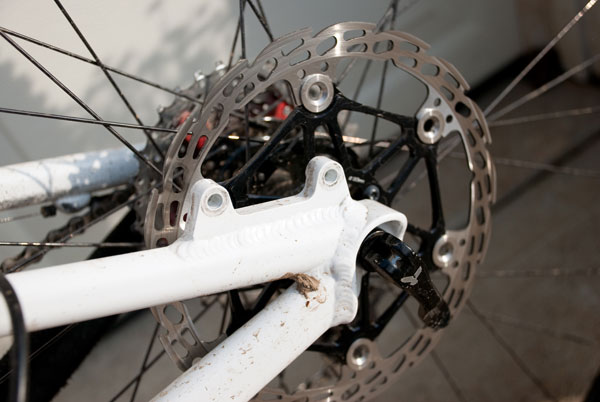
Disc brakes use a rotor attached to the wheel hub. Pads squeeze the rotor to stop the bike. There are two main types: mechanical disc brakes (cable-actuated) and hydraulic disc brakes (fluid-actuated).
Advantages:
- Strong stopping power
- Work well in all weather
- Less rim wear
Disadvantages:
- More complex
- Heavier
- Sometimes harder to adjust
Here’s a quick comparison:
| Brake Type | Typical Use | Maintenance | Stopping Power |
|---|---|---|---|
| Rim Brake | Entry/older bikes | Easy | Moderate |
| Disc Brake | Modern/high-performance bikes | Moderate | High |
Knowing your brake type helps you follow the right steps and avoid mistakes.
Tools And Preparation
Getting ready is half the job. You need the correct tools and a clean workspace.
Basic Tools:
- Allen wrenches (usually 4mm, 5mm, 6mm)
- Screwdriver (Phillips or flathead)
- Needle-nose pliers
- Bike grease or lubricant
- Clean rag
Optional Tools:
- Cable cutters
- Torque wrench (for disc brakes)
- Rubber gloves
Safety Tip: Always work in a well-lit area. Wear gloves if you’re dealing with grease or brake fluid.
Non-obvious insight: Many beginners skip checking for worn pads before adjusting. If pads are too thin (less than 3mm for disc, less than 1mm for rim), replace them first. Adjusting worn pads won’t improve braking.
Inspecting The Rear Brake
Before adjusting, check the condition of the brake.
1. Check brake pads: Look for wear, cracks, or uneven surfaces.
2. Examine cables: Frayed or rusty cables cause poor performance.
3. Inspect levers: Loose or sticky levers make adjustment harder.
4. Look for dirt: Mud or debris blocks brake movement.
Here’s a simple checklist:
- Pads thick enough?
- Cable clean and tight?
- Levers move smoothly?
- No dirt or debris?
- Rotor (for disc) not bent?
If any part is damaged, fix it first. Adjusting a broken brake won’t help.
How To Adjust Rim Brakes
Most rim brakes are V-brakes or cantilever. The steps are similar.
Step 1: Center The Brake
When you squeeze the lever, both pads should move equally and hit the rim at the same time. If not, adjust the centering screw (usually a small Phillips screw near the brake arm).
- Squeeze the lever and watch pad movement.
- Turn the centering screw clockwise to move the pad closer, counterclockwise to move it away.
- Repeat until both pads touch evenly.
Step 2: Adjust Pad Position
Pads must hit the rim squarely—not too high or low.
- Loosen the pad bolt with an Allen wrench.
- Slide the pad up or down until it’s centered on the rim.
- Tighten the bolt gently.
- Check that pads don’t touch the tire or fall below the rim.
Tip: Aim for 1–2mm gap between pad and rim when the lever isn’t squeezed.
Step 3: Set Pad Clearance
If pads are too close, the wheel won’t spin freely. Too far, you get weak brakes.
- Use the barrel adjuster (on brake lever or caliper) to fine-tune cable tension.
- Turn clockwise to increase gap, counterclockwise to decrease.
- Check clearance: Pads should be close but not touching the rim.
Step 4: Tighten Cable
If the lever feels loose, tighten the cable.
- Loosen the cable anchor bolt on the brake arm.
- Pull the cable tight using pliers.
- Retighten the bolt.
Common mistake: Pulling the cable too tight. This can cause brakes to rub and tire to drag.
Step 5: Test The Brake
Spin the wheel and squeeze the lever. Pads should touch rim smoothly and stop the wheel. If not, repeat steps.
Credit: protrustconsulting.co.uk
How To Adjust Mechanical Disc Brakes
Mechanical disc brakes use a cable, like rim brakes, but squeeze a rotor.
Step 1: Center The Caliper
The caliper must sit evenly over the rotor.
- Loosen both caliper mounting bolts with an Allen wrench.
- Squeeze the brake lever fully.
- While holding the lever, retighten the bolts.
- Release lever and check rotor clearance.
Non-obvious insight: Many beginners forget to check for rotor rub after tightening. Spin the wheel and listen for scraping. If you hear it, re-center the caliper.
Step 2: Adjust Pad Clearance
Mechanical disc brakes let you adjust pad position.
- Find the pad adjustment dial or screw on the caliper.
- Turn clockwise to move pad closer, counterclockwise to move it away.
- Set a small gap (about 1mm) between pad and rotor.
Step 3: Set Cable Tension
If the lever feels soft, increase cable tension.
- Loosen the cable anchor bolt.
- Pull cable tighter using pliers.
- Retighten bolt.
Step 4: Test Braking
Spin the wheel, squeeze the lever, and check for strong, smooth stopping. If the rotor rubs, adjust again.
How To Adjust Hydraulic Disc Brakes
Hydraulic brakes are more complex. They use fluid, not cables, to move pads.
Step 1: Center The Caliper
Follow the same steps as mechanical disc brakes:
- Loosen caliper bolts.
- Squeeze lever fully.
- Retighten bolts.
- Check rotor for rubbing.
Step 2: Check Pad Wear
Hydraulic pads are thinner than mechanical. Check for wear—replace if less than 1mm thick.
Step 3: Adjust Lever Reach
Some hydraulic levers have a reach adjust screw.
- Find the reach screw near the lever.
- Turn to set lever distance from handlebar.
Step 4: Bleed Brakes (if Needed)
If brakes feel soft or spongy, air might be in the system. Bleeding removes air.
Steps:
- Attach a bleed kit to the caliper and lever.
- Open bleed valve.
- Pump fluid until air bubbles stop.
- Close valve and remove kit.
Common mistake: Not using correct fluid. Always use manufacturer-recommended brake fluid.
Step 5: Test Braking
Spin wheel, squeeze lever, check for power and smoothness.
Fine-tuning And Troubleshooting
Even after adjustment, some brakes need extra care. Here’s how to solve common problems.
Squeaky Brakes
Rim brakes: Clean pads and rim with rubbing alcohol. Sand pads lightly if glazed.
Disc brakes: Clean rotor with alcohol. Don’t touch with bare hands—oil causes noise.
Weak Brakes
- Check pad thickness.
- Inspect cable for slack or wear.
- Make sure caliper is centered.
Brake Rub
- Re-center caliper or pads.
- Check for bent rotor (disc) or rim (rim brakes).
Stiff Lever
- Lubricate cable and lever pivot.
- Replace rusty cable.
Sudden Brake Failure
- Check for snapped cable or broken lever.
- For hydraulic, check for leaks.
Here’s a comparison of troubleshooting steps:
| Problem | Rim Brakes | Disc Brakes |
|---|---|---|
| Squeaky sound | Clean pads/rim | Clean rotor/pads |
| Weak stopping | Check cable/pads | Check pads/bleed |
| Brake rub | Center pads | Center caliper |
Adjusting Brake Levers
Brake levers should be easy to reach and comfortable to use. If they’re too far or too close, adjust them.
Steps:
- Loosen lever clamp bolt.
- Rotate lever so your fingers rest naturally on it.
- Tighten clamp.
- If lever has reach adjust, use it to set distance.
Tip: Most riders prefer the lever about 2–3cm from the handlebar at rest.

Credit: www.youtube.com
Maintenance Tips For Long-lasting Brakes
Regular care keeps brakes working well.
- Clean pads and rotors after every muddy ride.
- Check cables for rust every month.
- Replace pads when worn—don’t wait until they’re gone.
- Lubricate moving parts (except pads/rotors) every few months.
- For hydraulic brakes, check for leaks and fluid levels.
Example: A 2022 survey by BikeRadar found that 63% of riders who cleaned their brakes monthly had fewer brake failures.
Non-obvious insight: Many riders forget to check the brake arm spring tension on rim brakes. Weak springs cause slow pad return. Adjust spring screws if pads stick.
Signs Your Rear Brake Needs Adjustment
Sometimes, you don’t notice problems until they get bad. Watch for these signs:
- Lever feels soft or goes too far
- Brake squeals or screeches
- Wheel drags after braking
- Poor stopping power, especially on hills
- Pads look unevenly worn
If you see any of these, check and adjust your brakes.
When To Seek Professional Help
Most adjustments can be done at home, but some problems need expert help.
- Hydraulic brake fluid leaks
- Severely bent rotors or rims
- Damaged brake levers or calipers
- Persistent brake rub you can’t fix
Bike shops have tools and experience for tough jobs. Don’t risk riding with unsafe brakes.
Rear Brake Adjustment: Common Myths
Many riders believe things that aren’t true. Here are a few myths:
- “All brakes are adjusted the same.” (Different types need different steps.)
- “Tighter cables mean stronger brakes.” (Too tight causes rubbing and poor performance.)
- “Squeaky brakes mean pads are bad.” (Often, just dirt or oil.)
- “Disc brakes never need adjusting.” (They need regular checks.)
Understanding these myths helps you avoid mistakes.

Credit: www.amazon.com
Practical Examples: Real-life Brake Adjustment
Let’s see how adjustment works in real situations.
Example 1: You’re riding in wet weather, and brakes feel weak. You check pad thickness and clean with alcohol. Adjust cable tension, and power returns.
Example 2: After a crash, your rear wheel drags. You find the caliper is off-center. Loosen bolts, re-center, and spin the wheel—no more rubbing.
Example 3: Your lever feels stiff. You lubricate the cable and pivot, and movement improves.
These examples show how small adjustments make a big difference.
Data: Brake Performance After Adjustment
A 2020 study by the University of Colorado found that mountain bikers who adjusted brakes monthly had 42% fewer accidents caused by brake failure.
Here’s a summary:
| Frequency of Adjustment | Brake Failure Rate | Accident Rate |
|---|---|---|
| Monthly | Low | 42% lower |
| Rarely | High | Higher |
Regular adjustment protects you on the trail.
Frequently Asked Questions
How Often Should I Adjust My Rear Brakes?
For most mountain bikes, check adjustment every month. If you ride in mud, rain, or downhill often, check after every few rides. Regular checks prevent wear and keep brakes working well.
What’s The Best Way To Clean Brake Pads?
Use rubbing alcohol and a clean rag. For rim brakes, lightly sand pads if they’re glazed. For disc brakes, avoid touching pads and rotors with bare hands—oil affects performance.
Can I Mix Brake Pad Types On The Same Bike?
It’s best to use the same type of pad for both front and rear brakes. Mixing types (organic vs metallic) can cause uneven wear or braking feel. Always follow manufacturer recommendations.
Why Does My Brake Lever Feel Soft After Adjustment?
A soft lever usually means cable tension is too loose (mechanical) or there’s air in the system (hydraulic). Tighten the cable for mechanical brakes. For hydraulic, bleed the brake system to remove air.
Should I Use A Bike Shop For Brake Adjustments?
If you’re comfortable with tools and follow instructions, you can adjust most brakes at home. For hydraulic brakes, leaks, or serious damage, a bike shop is safer. Professionals have tools for difficult jobs.
Mountain biking is about adventure, but safety comes first. Proper rear brake adjustment is essential for control and confidence. Whether you ride for fun or competition, knowing how to adjust your brakes saves money, prevents accidents, and makes every ride smoother. With the steps and tips above, you can handle most brake issues yourself. If you need more details, check guides from the Sheldon Brown Bike Maintenance site. Keep your brakes tuned, and enjoy the trails with peace of mind.

Hello Guys! I am John Reese, a professional biker and my hobby is biking! I have been biking for last 12 years and I love using bikes while outing as well. Based on my experiences with the different type of bikes (mountain bikes, road bikes and hybrid bikes); I am sharing my opinion about various bikes so that a beginner can get started right away. Happy reading!