
Buying a full suspension mountain bike is a big decision. This type of bike is designed for rough trails, steep hills, and rocky paths. It can give you comfort and control on difficult rides. But with so many options and technical terms, the process can feel overwhelming, especially if you’re new to mountain biking.
This guide will help you understand everything you need to know before buying a full suspension mountain bike. You’ll learn about the key features, how to choose the right size, what to look for when testing bikes, and how to avoid common mistakes.
Whether you’re planning your first trail adventure or upgrading your current ride, you’ll find advice and insights here that are not always obvious for beginners. By the end, you’ll feel confident about making the right choice for your needs and budget.
What Is A Full Suspension Mountain Bike?
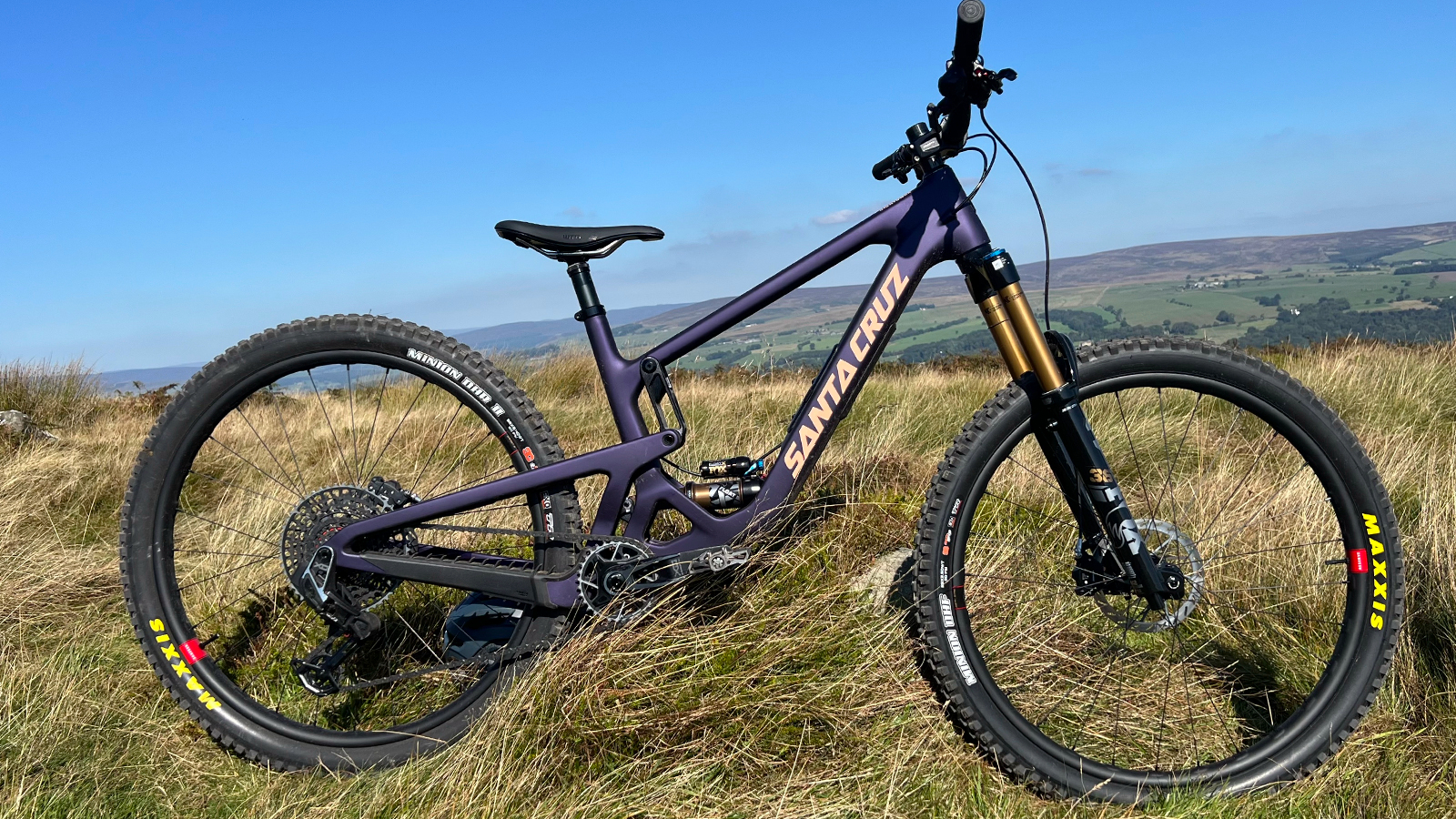
A full suspension mountain bike has both front and rear suspension systems. These systems use shocks (springs and dampers) that absorb impacts from rocks, roots, and bumps. This makes your ride smoother and keeps your wheels on the ground for better control.
There are two main types of mountain bikes:
- Hardtail: Has suspension only in the front fork.
- Full suspension: Has suspension in both the front fork and the rear triangle.
Full suspension bikes are more complex, often heavier, and more expensive than hardtails. But they offer extra comfort and grip on rough or technical trails.
Key Benefits
- Better control on descents and uneven terrain
- Increased comfort by absorbing trail shocks
- Improved traction for climbing and cornering
- More confidence for new and experienced riders
When Full Suspension Makes Sense
While hardtails are great for smooth trails or cross-country, full suspension bikes shine on rocky, rooty, or steep trails. If you ride in areas with lots of technical features or you want to push your limits, full suspension can open new possibilities.
Understanding Suspension: Travel, Design, And Adjustments
The suspension system is the heart of a full suspension bike. Choosing the right setup is critical for your riding style.
Suspension Travel Explained
Travel is the maximum distance the suspension can move, measured in millimeters (mm). More travel means more shock absorption, but also more weight and less efficient pedaling.
Here’s a general guide:
| Travel (Front/Rear) | Type of Riding | Typical Terrain |
|---|---|---|
| 100-120mm | Cross-country (XC) | Light trails, smooth paths |
| 120-140mm | Trail | Mixed trails, roots, moderate descents |
| 140-170mm | All-mountain/Enduro | Steep climbs, rough descents, technical features |
| 170-200mm | Downhill (DH) | Very steep, extreme terrain, jumps |
Suspension Design Types
Different brands use different suspension designs. The main types are:
- Single pivot: Simple, durable, but can “bob” while pedaling.
- Horst Link (FSR): Reduces brake feedback, offers smooth travel.
- VPP (Virtual Pivot Point): Balances pedaling efficiency and bump absorption.
- DW-Link: Designed for efficient climbing and smooth descending.
Each design has pros and cons. For most riders, the overall frame quality and shock setup matter more than the exact design.
Adjustability And Settings
Modern full suspension bikes often include:
- Air or coil shocks: Air is lighter and more adjustable; coil is heavier but more sensitive.
- Rebound damping: Controls how fast the shock returns after compression.
- Compression damping: Adjusts firmness under load.
- Lockout: Makes the suspension stiff for climbing or road riding.
Non-obvious tip: Many beginners forget to set sag (how much the bike compresses under your weight). Setting sag correctly is essential for comfort and control. Most brands include guides to help you set sag using a shock pump.
Credit: www.bikeperfect.com
Frame Materials: Strength, Weight, And Cost
The frame is the core of your mountain bike. The material affects weight, durability, ride feel, and price.
Common Frame Materials
| Material | Pros | Cons | Who Should Choose |
|---|---|---|---|
| Aluminum | Affordable, strong, light | Stiffer ride, less vibration damping | Most riders, beginners, value-focused |
| Carbon fiber | Very light, absorbs vibration, high strength | Expensive, can crack from hard impacts | Performance riders, racing, low weight priority |
| Steel | Durable, smooth ride feel, easy to repair | Heavy, less common for modern full suspension | Custom builds, classic bike fans |
| Titanium | Light, strong, rust-proof, smooth ride | Very expensive, rare | High-budget custom seekers |
Insight: While carbon frames are popular, aluminum offers nearly the same ride quality for much less money. Unless you’re racing or counting every gram, a well-designed aluminum frame can last for years.
Choosing The Right Wheel Size
Wheel size affects how your bike handles, rolls over obstacles, and accelerates.
Main Sizes
- 27.5″ (650b): Quick handling, playful feel, easier to maneuver on tight trails.
- 29″: Rolls over obstacles better, more stable at speed, but can feel less nimble in sharp turns.
- Mullet: 29″ front and 27.5″ rear. Gives a mix of stability and agility, common on high-end bikes.
How To Decide
- If you ride on smooth, twisty trails or like jumps, 27.5″ can be more fun.
- For rocky, fast trails or if you want to cover ground efficiently, 29″ is usually better.
- Height matters: Shorter riders may find 27.5″ more comfortable, while taller riders often prefer 29″.
Tip: Try both sizes if possible. Many shops have demo programs. The difference in feel is more noticeable than most specs can show.
Sizing And Fit: Getting It Right
A bike that fits well is safer, more comfortable, and more fun. Size depends on your height, leg length, and riding style.
Key Fit Factors
- Reach: Distance from the seat to handlebars. Affects how stretched out you feel.
- Stack: Height from bottom bracket to handlebars.
- Standover height: Clearance over the top tube when standing.
- Effective top tube length: Impacts comfort when seated.
Most brands offer a size chart (S, M, L, XL) based on your height. But these charts are only a starting point.
How To Test Fit
- Stand over the frame: There should be at least 1-2″ clearance.
- Sit on the saddle: You should reach the handlebars with a slight bend in your elbows.
- Check seatpost height: Your leg should be almost straight at the bottom of the pedal stroke.
- Test handling: You should feel balanced, not cramped or stretched.
Non-obvious insight: Geometry numbers like reach and head tube angle can affect fit more than just S/M/L labels. Two bikes labeled “Medium” can feel very different. Always test ride if you can.
Key Components: What Really Matters
A full suspension mountain bike includes many parts. Some matter more than others when making your choice.
Drivetrain
The drivetrain includes the shifters, derailleur, crankset, and cassette. Most modern bikes use a 1x system (single front chainring) with 10-12 gears on the back.
- SRAM and Shimano are top brands.
- Higher-end models have lighter, more precise shifting.
- Entry-level bikes may use SRAM SX/NX or Shimano Deore.
- Mid-range: SRAM GX, Shimano SLX/XT.
- High-end: SRAM X01/XX1, Shimano XTR.
Brakes
Hydraulic disc brakes are now standard for mountain bikes. They offer better stopping power and control than mechanical brakes.
- Look for at least 2-piston calipers for trail, 4-piston for aggressive or downhill riding.
- Rotor size matters: Larger rotors (180-200mm) offer more power, especially for heavier riders or steep trails.
Wheels And Tires
- Tubeless-ready wheels and tires let you run lower pressures for more grip and fewer flats.
- Wider rims (30mm+) support larger tires for extra traction.
- Tire tread varies: Smooth center for speed, big knobs for loose or wet trails.
Dropper Post
A dropper seatpost lets you lower your saddle with a handlebar lever. This is a must-have for steep trails—so you can move your body freely without stopping to adjust your seat.
Cockpit
- Handlebars: Wider bars give more control; 760-800mm is common.
- Stem: Shorter stems (40-50mm) make steering more responsive.
- Grips: Thicker or softer grips can reduce hand fatigue.
Pedals
Most bikes are sold without pedals. You can choose flat pedals (good for beginners, easy to bail) or clipless (for efficiency and control, but take practice to use safely).
Setting Your Budget: What Can You Expect?
Full suspension mountain bikes range from around $1,500 to over $10,000. The price depends on frame material, suspension quality, components, and brand.
Budget Breakdown
- $1,500–$2,500: Entry-level. Aluminum frame, basic suspension, heavier components. Good for new riders, less aggressive trails.
- $2,500–$4,000: Mid-range. Lighter parts, better suspension (with adjustability), dropper post, tubeless wheels. Great for serious enthusiasts.
- $4,000–$7,000: High-end. Carbon frames, top-level suspension (Fox Factory, RockShox Ultimate), precise shifting, lightweight wheels.
- $7,000+: Race-level or boutique. Electronic shifting, carbon everything, custom builds.
Tip: Spending more gives you lighter weight and better performance, but even mid-range bikes are very capable for most riders. It’s often better to buy a slightly cheaper bike and save money for a good helmet, shoes, and maintenance.
Comparing Full Suspension To Hardtail Mountain Bikes
To help you decide if full suspension is right for you, here’s a direct comparison:
| Feature | Full Suspension | Hardtail |
|---|---|---|
| Comfort | High (front and rear shocks) | Moderate (front shock only) |
| Weight | Heavier | Lighter |
| Maintenance | More (extra pivots and shocks) | Less (simple design) |
| Climbing efficiency | Lower (some energy loss) | Higher (more direct power) |
| Descending/rough terrain | Much better | Limited |
| Price (for same components) | Higher | Lower |
Where To Buy: Online Vs. Local Bike Shops
Choosing where to buy is as important as what to buy.
Local Bike Shop (lbs)
- Test rides: Try before you buy, and get expert advice.
- Setup and fit: Staff help you get the right size and dial in the suspension.
- Service and support: Easier to get warranty help and repairs.
- Community: Local shops often organize group rides and events.
Online Retailers
- Wider selection: Access to more brands, models, and sometimes better deals.
- Direct-to-consumer: Brands like Canyon and YT offer high-value bikes, but you assemble them at home.
- No test ride: Harder to know if the bike fits without trying it first.
- Assembly required: Some mechanical skill needed.
Tip: If you buy online, budget for a professional assembly and tune-up at your local shop. This can prevent early problems and help your bike last longer.
How To Test Ride And Inspect A Bike
A test ride is the best way to know if a bike is right for you.
What To Check
- Fit: Can you reach the handlebars and pedals comfortably? Is standover height correct?
- Suspension action: Bounce the bike to feel how the shocks move. They should be smooth, with no strange noises.
- Shifting and braking: Try shifting through all gears and test the brakes. Everything should feel crisp and responsive.
- Handling: Ride on varied surfaces if possible. Does the bike feel stable on descents and agile on turns?
- Frame and wheels: Look for any cracks, dents, or wobbles. Spin the wheels—are they true and smooth?
Red Flags
- Suspension “sticks” or makes grinding noises
- Gears skip or hesitate to shift
- Brakes feel spongy or weak
- Frame damage or significant wear
Non-obvious tip: Check the service history if buying used. Well-maintained suspension can last for years, but neglected shocks can cost hundreds to rebuild.
Common Mistakes To Avoid
Many buyers, especially first-timers, make avoidable errors. Here are some to watch out for:
- Ignoring fit: Don’t buy just based on size labels or brand reputation. Fit is personal.
- Overbuying: High-end race bikes are tempting, but not always right for your trails or skill level.
- Underestimating maintenance: Full suspension bikes need regular cleaning and service, especially the suspension pivots.
- Skipping setup: Not setting tire pressure, suspension sag, or lever positions can ruin your first ride.
- Forgetting extras: Helmets, shoes, gloves, and tools are also essential for safe riding.
Buying New Vs. Used: Pros And Cons
Bikes are a big investment, and buying used can save money—but there are risks.
New Bikes
- Warranty: Full coverage on frame and parts.
- Latest technology: Newest designs and components.
- Perfect condition: No hidden problems or wear.
Used Bikes
- Lower cost: You can get higher-end bikes for less money.
- More options: Some models or sizes may only be available used.
- Potential issues: Hidden damage, worn parts, or no warranty.
Tips for Buying Used
- Ask for maintenance records and original receipts.
- Check for frame cracks, bent parts, or leaking shocks.
- Test ride before buying, and bring a friend who knows bikes if possible.
- Be ready to replace wear parts (chain, cassette, brake pads).
Insight: Used full suspension bikes often need $200–$500 in basic maintenance (suspension service, new tires, etc.). Factor this into your budget.
Essential Accessories For Full Suspension Mountain Bikes
A new bike is just the start. These items will help you ride safely and comfortably:
- Helmet: Always wear one. Modern mountain bike helmets offer more coverage and ventilation.
- Gloves: Protect your hands and improve grip.
- Protective glasses: Shield your eyes from dirt, bugs, and branches.
- Flat repair kit: Spare tube or tubeless plug, pump or CO2 inflator, tire levers.
- Multi-tool: For quick adjustments on the trail.
- Water bottle or hydration pack: Stay hydrated, especially on long rides.
- First aid kit: For cuts, scrapes, or bigger crashes.
Non-obvious tip: Consider knee and elbow pads if you’re riding aggressive trails, and a quality rear light if you ever ride near roads.
Full Suspension Mountain Bike Maintenance Overview
Full suspension bikes need regular care to stay safe and perform well.
Basic Maintenance Tasks
- Clean your bike after muddy rides to prevent wear on pivots and suspension.
- Check tire pressure before every ride.
- Inspect suspension seals for leaks or dirt.
- Lube the chain regularly.
- Check bolts for tightness, especially pivots and stem.
- Service suspension at least once a year (or every 50-100 hours).
Insight: Suspension service is not just for pros. Clean and lube your shock and fork stanchions after every few rides to extend their life.

Credit: www.mbr.co.uk
Electric Full Suspension Mountain Bikes (e-mtbs)
E-bikes are becoming popular for mountain biking. They add a battery and motor to assist your pedaling.
Pros
- Climb easier: Conquer steeper hills with less effort.
- Cover more distance: Ride longer trails in the same time.
- Carry more gear: Great for bikepacking or heavier riders.
Cons
- Heavier: 10-20 lbs heavier than non-electric bikes.
- More expensive: Expect to pay $1,000–$2,000 extra.
- Limited on some trails: Some parks restrict e-bikes.
Tip: If you have knee issues, limited time, or want to ride with faster friends, an e-MTB can be a great option. But be sure to check local trail rules before buying.
Key Questions To Ask Before You Buy
Before committing to a full suspension mountain bike, ask yourself:
- Where will I ride most often?
- What is my skill level and what do I want to improve?
- Do I prefer comfort or speed?
- How much am I willing to spend on maintenance and upgrades?
- Will I need to carry my bike (up stairs, on a car rack, etc. )?
Write down your answers. Bring them to the bike shop or keep them handy when browsing online. This will help you stay focused and not get distracted by marketing hype.
Top Brands And What Sets Them Apart
There are dozens of respected mountain bike brands. Here are a few top names and what makes them unique:
- Specialized: Known for innovation, comfortable geometry, and wide dealer network.
- Trek: Big range of bikes, advanced suspension designs, good value at each price point.
- Giant: One of the largest bike makers, great quality for the price, especially for aluminum frames.
- Santa Cruz: High-end, durable, and stylish frames, often with lifetime warranties.
- Yeti: Focused on performance, race-proven suspension, “boutique” feel.
- Canyon: Direct-to-consumer, great specs for the price, but less hands-on local support.
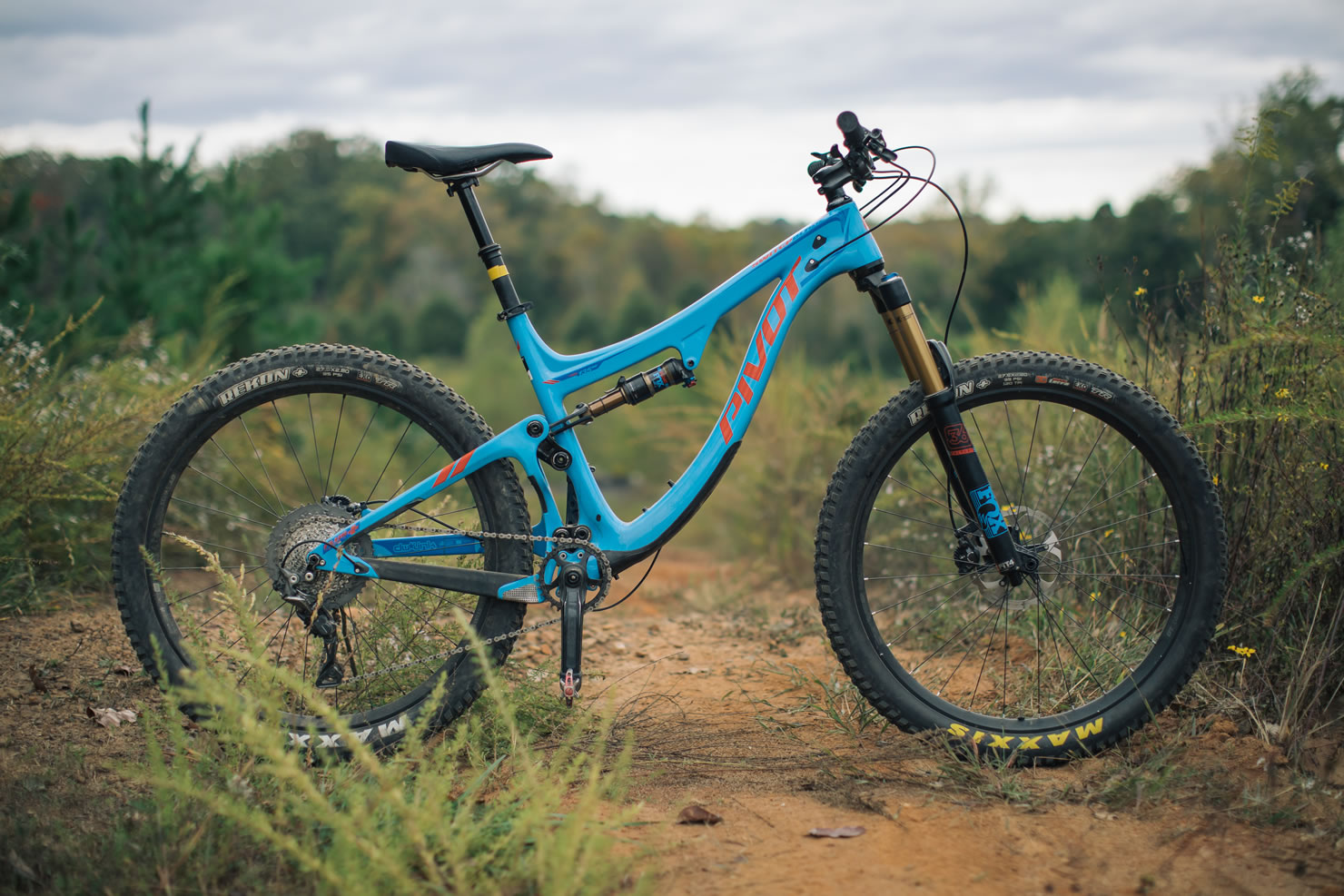
- Pivot: Small batches, cutting-edge suspension, premium build quality.
Tip: Brand is less important than fit, value, and local support. A well-fitted bike from a less-famous brand can be much more fun than an ill-fitted one from a top name.
Upgrades And Customization
One advantage of mountain bikes is how easily you can upgrade parts.
Common upgrades:
- Lighter wheels (makes the biggest difference in speed and handling)
- Better tires (improves grip and comfort)
- Dropper post (if your bike didn’t come with one)
- Suspension tuning (custom shock or fork for your weight and style)
- Better grips, saddle, or pedals for personal comfort
Non-obvious insight: The most noticeable upgrade for most riders is tires. Changing to a higher-quality, tubeless-ready tire can transform how your bike feels on the trail.
Environmental And Trail Access Considerations
Mountain biking is a trail-dependent sport. It’s important to ride responsibly.
- Respect trail closures: Riding muddy trails can cause damage.
- Yield to hikers and horses: Bikes give way on shared paths.
- Stay on marked trails: Prevents erosion and protects wildlife.
- Join your local trail group: Help build and maintain trails.
For more about trail use and access, check the rules from organizations like the International Mountain Bicycling Association.
Frequently Asked Questions
How Much Maintenance Does A Full Suspension Mountain Bike Need?
Full suspension bikes need more care than hardtails. You should clean and lube your chain weekly, check bolts and tire pressure before every ride, and have the suspension serviced at least once a year. Regular cleaning, especially after muddy rides, helps prevent wear on pivots and shocks.
Can I Use A Full Suspension Mountain Bike For Commuting Or Road Riding?
You can, but it’s not ideal. Full suspension bikes are heavier and less efficient on smooth surfaces. Lockout features can help, but you’ll get better speed and comfort on pavement with a hybrid or road bike.
Is Carbon Fiber Worth The Extra Cost?
Carbon frames are lighter and absorb vibration better, but they cost much more. For most riders, a high-quality aluminum frame offers nearly the same ride experience for less money. Only spend extra on carbon if weight is your top priority.
What’s The Best Wheel Size For Beginners?
Both 27. 5″ and 29″ wheels are good. 27. 5″ is easier to handle for smaller riders or twisty trails. 29″ rolls over obstacles better and feels more stable. Try both if possible to see which feels best for you.
Should I Buy A Bike With A Dropper Seatpost?
Yes, if you plan to ride on technical trails or steep descents. A dropper post lets you adjust saddle height quickly, improving control and safety. It’s one of the most useful features for modern mountain biking.
Choosing a full suspension mountain bike is a big investment, but with the right information, you can find the perfect ride. Remember to focus on fit, ride quality, and your local trails. Take your time to test different bikes, ask questions, and don’t be afraid to start with a more affordable model.
The best bike is the one that makes you excited to ride—so get out there and enjoy the trails!
Credit: bikepacking.com

Hello Guys! I am John Reese, a professional biker and my hobby is biking! I have been biking for last 12 years and I love using bikes while outing as well. Based on my experiences with the different type of bikes (mountain bikes, road bikes and hybrid bikes); I am sharing my opinion about various bikes so that a beginner can get started right away. Happy reading!