
Changing the rear hub on a mountain bike is not just a task for advanced mechanics. With the right tools, some patience, and this step-by-step guide, you can restore your bike’s smooth ride and prolong its life. Whether your hub has worn bearings, a broken freehub, or you want to upgrade to a better model, knowing how to swap out a rear hub is a valuable skill.
This process is more involved than replacing a tire, but it pays off in performance and reliability. Let’s break down the steps so you can tackle this repair with confidence, even if you’re not a professional mechanic.
What Is A Rear Hub And Why Change It?
The rear hub is the central part of your bike’s back wheel that lets it spin around the axle. It holds the cassette (the gears), connects to the spokes, and often houses the mechanism that lets you coast without pedaling. Over time, hubs can wear out from dirt, water, and heavy riding. Common signs you need a new hub include:
- Grinding or rough feeling when the wheel spins
- Clicking or slipping when pedaling
- Play or looseness at the axle
- Visible damage or cracks
Upgrading your hub can also give you benefits like lower weight, smoother rolling, or better engagement for technical riding. Choosing the right hub means matching it to your riding style, your bike’s frame, and your wheel.
Tools And Materials You’ll Need
Before you start, make sure you have the proper tools. Working with the right gear makes the process easier and reduces the risk of damage.
Essential tools:
- Cassette removal tool (lockring tool)
- Chain whip
- Cone wrenches (typically 13mm, 15mm)
- 5mm and 6mm Allen keys
- Adjustable wrench
- Spoke wrench (matched to your spoke nipples)
- Tire levers
- Floor pump or CO2 inflator
Other materials:
- Grease (bike-specific, waterproof)
- Rags or shop towels
- Replacement rear hub (matched to your wheel and bike)
- New spokes (if any are damaged or incompatible)
- Replacement bearings (if needed)
- Spoke tension meter (optional but helpful)
- Truing stand (optional but recommended)
Having a repair stand is also helpful, but you can work with the bike upside down in a pinch.
Credit: www.eventusrecruitmentgroup.com
Preparation: Remove The Rear Wheel
First, you need to get the rear wheel off your bike. This is a good time to check everything and keep your parts organized.
- Shift your chain to the smallest cog to release tension.
- Release your brake (if you have rim brakes).
- Open the quick-release lever or loosen the axle nuts.
- Pull the derailleur back gently and remove the wheel.
- Set the bike aside somewhere safe.
Non-obvious tip: Take a quick photo of your cassette and derailleur position. This makes reinstallation smoother later.
Removing The Cassette
The cassette must come off before you can remove the hub. Here’s how:
- Insert the cassette removal tool into the lockring.
- Wrap the chain whip around one of the bigger cogs to stop the cassette from turning.
- Turn the removal tool counter-clockwise using an adjustable wrench.
- Unscrew the lockring and slide the cassette off the freehub body.
Keep the cassette cogs and spacers in order—they need to go back the same way.
Removing The Tire, Tube, And Rim Tape
Now, strip the wheel down to the bare rim:
- Deflate the tire completely.
- Use tire levers to remove one side of the tire bead from the rim.
- Pull out the tube.
- Remove the tire fully.
- Peel off the rim tape, if it covers spoke holes.
Pro tip: Label the tire’s direction or position if you want to keep rotational orientation consistent.
Unlacing The Wheel: Removing The Old Hub
This is the most delicate part. The hub is laced to the rim with spokes, and you’ll need to remove them carefully.
- Use a spoke wrench to loosen all the spoke nipples by turning them counter-clockwise.
- Once loose, unscrew each nipple completely and set aside.
- Remove the spokes from the hub flanges and the rim.
Non-obvious insight: Take a photo of the lacing pattern before you start. This helps if you’re unfamiliar with spoke patterns (three-cross, two-cross, etc.).
You now have three main parts: rim, spokes, and old hub.
Choosing The Right Replacement Rear Hub
Not all hubs are created equal, and matching your new hub to your wheel and bike is critical. Consider:
- Axle type: Quick-release, thru-axle, or bolt-on
- Spacing: 135mm, 142mm, Boost (148mm), etc.
- Freehub compatibility: Shimano, SRAM XD, or Micro Spline
- Brake type: Disc (6-bolt or Centerlock) or rim brake
- Spoke count: Must match your rim (usually 32 or 36 holes)
If you’re unsure, measure your old hub and rim or consult your bike’s manual.
Here’s a simple comparison of common mountain bike rear hub specs:
| Specification | Option 1 | Option 2 | Option 3 |
|---|---|---|---|
| Axle Type | Quick Release | 12mm Thru-Axle | 10mm Bolt-On |
| Spacing | 135mm | 142mm/148mm Boost | 135mm |
| Disc Mount | 6-Bolt | Centerlock | N/A |
| Spoke Count | 32 | 28 | 36 |
Always double-check specs before buying a hub to avoid frustration later.
Lacing The New Hub To The Rim
Wheel building sounds intimidating, but with patience, you can do it at home. Here’s a straightforward method for a standard three-cross pattern (most common on mountain bikes):
- Lay out your parts: Place the rim, new hub, and spokes on a clean surface.
- Insert spokes: Start with the drive-side flange. Insert spokes into every other hole, heads out.
- Attach to rim: Push each spoke through the correct rim hole, following the original lacing pattern. Screw each nipple on loosely.
- Repeat for non-drive side: Insert the remaining spokes and attach them to the opposite flange and rim holes.
- Cross pattern: For a three-cross, each spoke crosses three others before entering the rim.
- Hand-tighten nipples: Get all the nipples just snug, not tight.
Practical tip: It’s normal for the wheel to look wobbly at first—truing comes later.

Credit: www.truckenvy.com
Tensioning And Truing The Wheel
This is where patience pays off. An untensioned or untrue wheel will wobble, wear out fast, or even fail on the trail.
- Gradually tighten: Turn each nipple a quarter-turn at a time, working around the wheel in a star pattern.
- Check dish: Make sure the rim is centered between the hub flanges.
- Spin and check: Use a truing stand or the bike frame to check for side-to-side wobbles.
- Adjust as needed: Tighten on one side to pull the rim toward that side, loosen to move it away.
- Check spoke tension: Ideally, use a spoke tension meter. All spokes should have similar tension.
Non-obvious insight: Don’t overtighten. Over-tensioned spokes can cause rims to crack or spokes to snap.
If you’re new to wheel building, expect this to take an hour or more. Take your time.
Installing The Cassette, Tire, And Tube
Once your wheel is trued, it’s time to rebuild it:
- Install rim tape: Cover the spoke holes with rim tape to protect your tube.
- Mount tire and tube: Put one side of the tire on, insert the tube, then work the other bead onto the rim. Inflate slightly to seat the tube properly, then bring up to full pressure.
- Slide cassette on: Place cogs and spacers in the right order. Screw on the lockring and tighten with the cassette tool.
- Spin by hand: Make sure everything spins freely.
Practical tip: Check for any wobbles or hops in the tire before reinstalling the wheel.

Credit: www.youtube.com
Reinstalling The Wheel On The Bike
Final steps before your test ride:
- Place the wheel back in the dropouts, ensuring the cassette lines up with the chain.
- Tighten the quick-release or axle nuts to the correct torque.
- Reconnect the brake and shift through the gears to ensure smooth operation.
Check for any unusual noises or play. If you feel resistance or hear grinding, double-check your installation.
Common Mistakes And How To Avoid Them
Changing a rear hub is not a race. Here are the errors beginners often make:
- Mismatched hub and rim: Always confirm spoke count and spacing before starting.
- Improper lacing pattern: Rebuilding with the wrong cross pattern weakens the wheel.
- Overtightened spokes: Leads to rim or spoke damage.
- Skipping truing: A wobbly wheel can wear out quickly and feel unsafe.
- Forgetting grease: Dry bearings or threads can seize or corrode.
If you’re unsure, ask an experienced mechanic or check online guides. Always keep your workspace organized and parts labeled.
Upgrading Your Rear Hub: Performance And Longevity
A better rear hub can change your ride quality. Here’s what to consider when upgrading:
| Feature | Standard Hub | High-End Hub |
|---|---|---|
| Weight | 350-450g | 200-300g |
| Engagement Points | 16-24 | 54-120 |
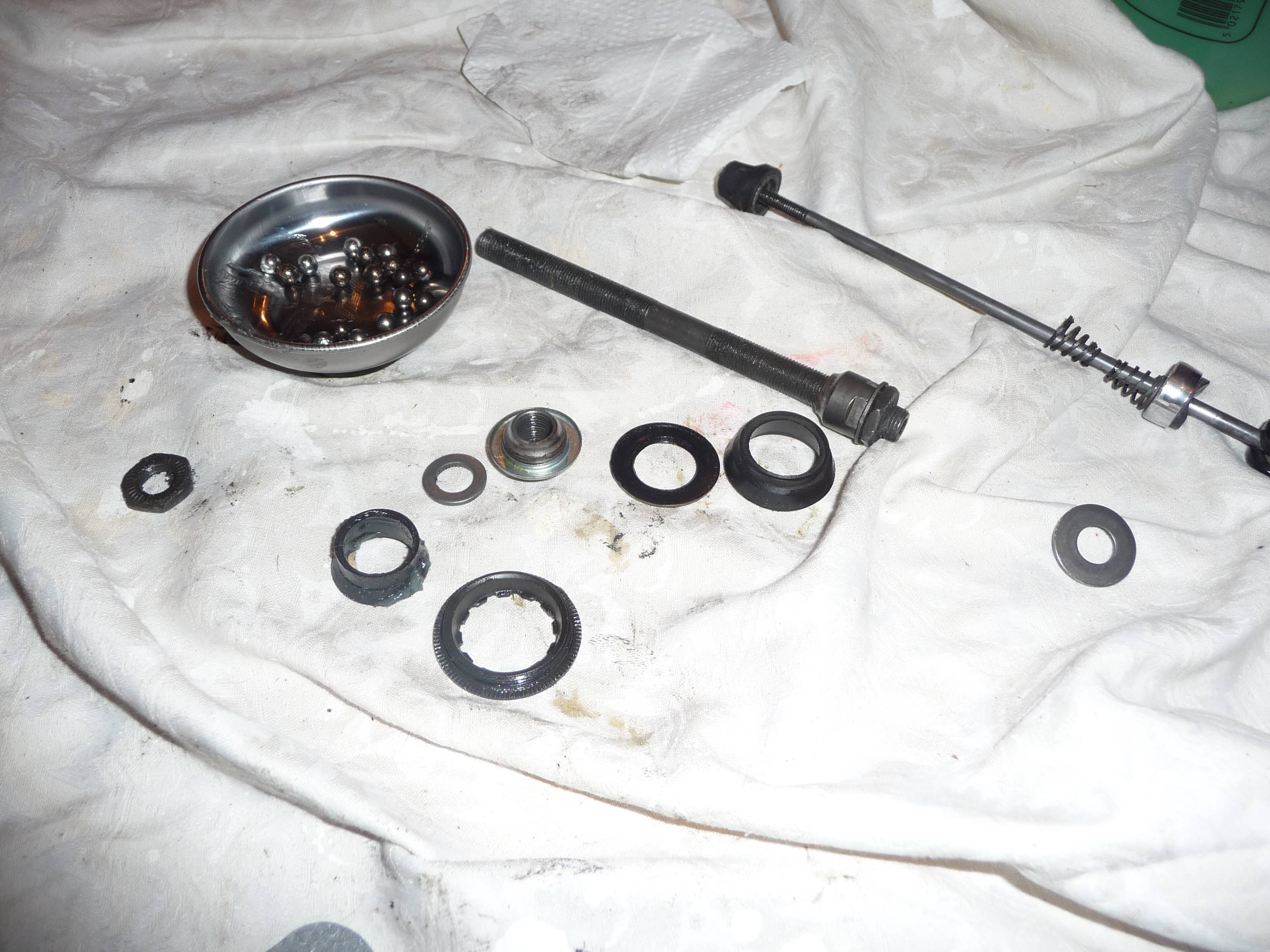
| Bearings | Loose ball | Sealed cartridge |
| Maintenance | Frequent | Less frequent |
| Price Range | $40–$80 | $150–$400 |
Engagement points affect how quickly power is transferred when you start pedaling. More points mean faster response—useful for technical trails. Sealed cartridge bearings are smoother and last longer but may cost more.
When To Replace, Rebuild, Or Upgrade
Not every hub problem requires a full swap. Sometimes, a rebuild or new bearings is enough. Here’s a quick decision guide:
| Symptom | Best Solution | Notes |
|---|---|---|
| Rough bearings | Replace bearings | Cheaper, easy fix |
| Cracked hub shell | Replace hub | Safety issue |
| Poor engagement | Upgrade hub | Better trail performance |
| Loose or broken axle | Replace hub | Check frame compatibility |
Pro tip: If you’re replacing the hub, it’s a good time to check for rim wear or spoke fatigue. Rebuilding a wheel with old, worn parts may not be worth the effort.
Essential Maintenance For Your New Rear Hub
Once you’ve installed your new hub, keep it running smoothly:
- Clean regularly: Wipe away dirt and grime after rides.
- Lubricate bearings: Use waterproof grease, especially after wet rides.
- Check spoke tension: Loose or uneven spokes can ruin your wheel.
- Inspect for play: Gently wiggle the rim side to side. Any movement means adjustment is needed.
A well-maintained hub can last thousands of miles. Regular care prevents costly repairs later.
The Value Of Professional Help
If you’re new to wheel building or unsure about compatibility, don’t hesitate to ask a bike shop for advice. Many mechanics will build a wheel for you if you provide the parts. The peace of mind is often worth the extra cost, especially for high-end bikes or if you ride aggressive trails.
For more technical details on hub standards and compatibility, you can check out the comprehensive guide on Park Tool.
Frequently Asked Questions
How Do I Know If My Rear Hub Needs To Be Replaced?
If you hear grinding, feel roughness when spinning the wheel, or notice play at the axle, your hub may be worn out. Visible cracks or repeated freehub slipping are also strong signs you need a new hub.
Do I Need Special Tools To Change A Mountain Bike Rear Hub?
Yes, you’ll need a cassette tool, chain whip, spoke wrench, and Allen keys at minimum. A truing stand and spoke tension meter are helpful but not required. Quality tools make the job smoother and reduce risk of damage.
Can I Reuse My Old Spokes And Rim With A New Hub?
Often, yes—if the spoke length and lacing pattern are compatible. But if your new hub has different flange spacing or diameter, you might need new spokes. Always check spoke length with an online calculator or ask a mechanic.
How Long Does It Take To Change A Rear Hub?
For a first-timer, expect 2–3 hours, including truing. Experienced mechanics can finish in under an hour. Take your time—accuracy matters more than speed.
What’s The Difference Between Sealed And Loose Ball Bearings In Hubs?
Sealed cartridge bearings are easier to maintain and keep out dirt and water, but cost more. Loose ball bearings are cheaper and easier to service, but require more frequent adjustment and cleaning.
Changing a rear hub is a rewarding project for any mountain biker. With patience and the right approach, you can restore your wheel’s strength, improve ride quality, and gain valuable mechanical skill. Whether you’re fixing a problem or upgrading for performance, following these steps will get you back on the trail with confidence.

Hello Guys! I am John Reese, a professional biker and my hobby is biking! I have been biking for last 12 years and I love using bikes while outing as well. Based on my experiences with the different type of bikes (mountain bikes, road bikes and hybrid bikes); I am sharing my opinion about various bikes so that a beginner can get started right away. Happy reading!