
Changing a mountain bike tire with disc brakes can feel tricky the first time. There’s the added worry of not damaging the delicate disc rotor, and the unique design of disc brake setups can make wheel removal seem more complex.
But if you know the right steps, you’ll find the process straightforward and stress-free. Whether you’re fixing a flat on the trail or swapping tires at home, mastering this skill means less downtime and more riding. Let’s walk through every detail so you can confidently change your mountain bike tire, protect your disc brakes, and avoid common mistakes that many beginners make.
Understanding Your Mountain Bike Wheel With Disc Brakes
Before you start, it’s useful to know the main differences between disc brake wheels and traditional rim brake setups. Disc brake wheels have a rotor attached near the hub and calipers mounted on the frame or fork. These rotors provide excellent stopping power, especially in wet or muddy conditions, but they’re sensitive to bending or contamination.
Key Parts You’ll Handle
- Disc rotor: The thin, metal disc attached to the wheel hub.
- Caliper: The device that squeezes the rotor to stop the bike.
- Thru-axle or quick release: The mechanism that holds your wheel in place.
- Tire and inner tube (or tubeless setup): The part you’ll actually be changing.
Knowing these parts helps you avoid accidental damage, especially to the rotor, and makes the process smoother.
Tools And Supplies You Need
Gather these tools before you begin. Having everything ready avoids delays and mistakes.
- Tire levers (preferably plastic to avoid rim damage)
- Floor pump or mini-pump (with a gauge if possible)
- Spare inner tube (or tubeless repair kit)
- Patch kit (for emergencies)
- Clean rag or gloves (to keep the rotor clean)
- Hex/Allen key (commonly 5mm or 6mm for thru-axle removal)
- Soapy water (optional, helps seat stubborn tires)
- Valve core tool (for tubeless setups)
- Tire sealant (if running tubeless)
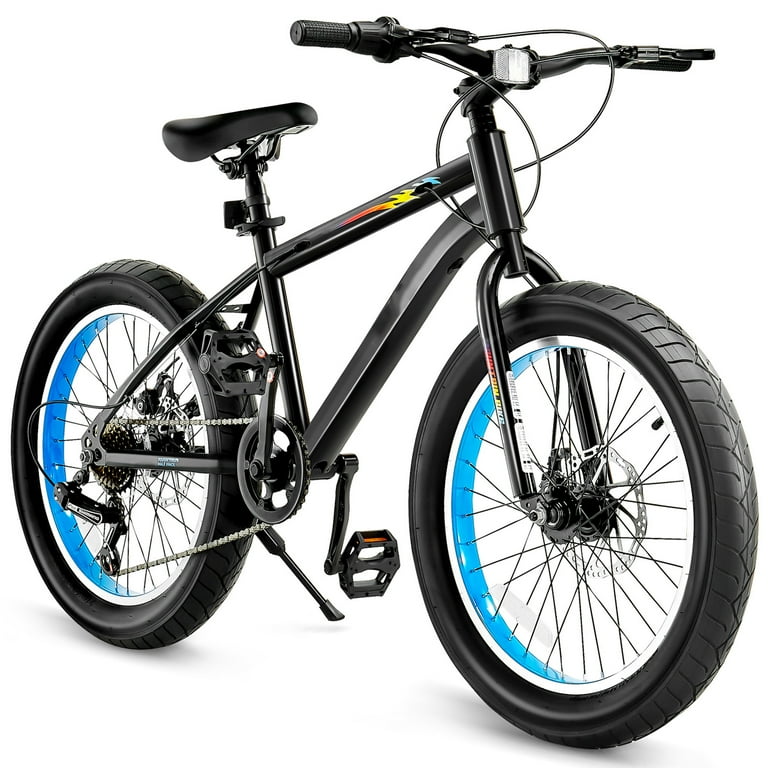
Credit: www.walmart.com
Preparing Your Bike For Tire Change
Preparation is often overlooked but makes a big difference. Start by shifting your bike into the smallest rear gear. This reduces chain tension and makes wheel removal easier.
Tip: If possible, use a bike stand to keep your bike upright. If you don’t have one, flip your bike upside down, resting it on the saddle and handlebars. Place a towel under the bars and saddle to avoid scratches.
Non-obvious insight: Always check your disc rotor for dirt or oil before starting. Contaminated rotors can cause noisy or weak braking after reassembly.
Removing The Wheel Safely
The biggest concern with disc brakes is avoiding rotor damage and keeping the braking surface clean. Here’s how to remove the wheel step by step.
Rear Wheel Removal
- Open the brake caliper (if possible): Some mountain bikes have a small lever that opens the caliper for more clearance. If yours does, use it.
- Release the axle: For a quick-release, open the lever and unscrew slightly. For a thru-axle, use the correct Allen key or the axle’s built-in lever to unscrew.
- Drop the wheel: Stand behind the bike, lift the frame gently, and let the wheel drop out, guiding the cassette (the gear cluster) clear of the chain and derailleur.
- Handle the rotor carefully: Avoid touching the disc rotor with your fingers. Even clean hands can leave oil residue.
Front Wheel Removal
- Open the thru-axle or quick-release: Unscrew or open the lever as needed.
- Remove the wheel: Lift the fork and let the wheel drop out. Be mindful of the rotor near the caliper.
Pro tip: Place the wheel flat, with the rotor facing up and away from dirt or surfaces that could bend it.
Quick Comparison: Thru-axle Vs. Quick Release
Here’s a snapshot of the two main axle types you might see:
| Feature | Thru-Axle | Quick Release |
|---|---|---|
| Security | Very secure | Less secure |
| Common on | Modern mountain bikes | Older or budget bikes |
| Tool Required | Yes (usually) | No |
| Damage Risk | Low | Medium |
Removing The Tire From The Rim
With the wheel off, you’re ready to remove the tire.
- Deflate the tire: Press the valve to let out all air. For tubeless, remove the valve core.
- Loosen the bead: Squeeze the tire’s sides towards the center of the rim to “unseat” the bead. This step makes the rest much easier.
- Insert tire levers: Place one lever under the tire bead, hook it to a spoke. Insert the second lever about 4-6 inches away, and slide it along the rim to lift more of the tire off.
- Remove one side of the tire: Once a section is off, run the lever around the rim to remove one side completely.
- Remove tube (if present): Pull out the inner tube. If you have a tubeless tire, check for punctures or debris inside.
Non-obvious insight: When removing the tire, always start opposite the valve. The valve area is tighter and harder to work with.
Beginner mistake: Forcing the lever under the bead near the valve can damage the valve or rim.
Inspecting The Tire, Tube, And Rim
Before installing anything new, take a moment to inspect all parts.
- Check the tire for cuts, embedded glass, or thorns.
- Examine the tube for punctures. Inflate it slightly—if it holds air, it may be reusable.
- Look at the rim strip: This protects the tube from spoke holes. Replace if it’s damaged or out of place.
- Inspect the disc rotor: Make sure it’s not bent or dirty.
Practical tip: If running tubeless, check for dried or missing sealant inside the tire. Add more if needed.
Installing The New Tube Or Repairing Tubeless
For Tubed Setups
- Inflate the new tube slightly: Just enough to give it shape.
- Insert the tube: Place the valve through the rim hole first, then tuck the rest of the tube inside the tire.
- Mount the tire: Push the bead back onto the rim. Start opposite the valve and work your way around, leaving the valve area for last.
- Seat the bead: Use your palms, not levers, to avoid pinching the tube.
- Check the tube: Make sure it’s not sticking out between the tire and rim.
For Tubeless Setups
- Inspect rim tape: Tubeless setups need airtight rim tape. Replace if damaged.
- Add sealant: Pour recommended amount (usually 2-4 oz) into the tire.
- Mount the tire: Fit one side of the bead fully, then the second. Leave a small section off to add sealant if not using the valve.
- Seat the bead: Use soapy water on the bead if it’s tight. A floor pump or air compressor helps “pop” the bead onto the rim.
Common mistake: Not seating the bead fully can cause leaks or tire blow-off.
Inflating And Seating The Tire
Now it’s time to inflate the tire and make sure it’s seated correctly.
- Inflate slowly: Pump air in while checking that the bead rises evenly all around the rim.
- Check for bulges or dips: If the tire isn’t seated evenly, deflate and adjust by pressing on the tire.
- Bring to recommended pressure: Most mountain bike tires run between 25-40 psi, but check your sidewall for specifics.
- Double-check the bead: Especially important for tubeless; listen for a “pop” as the bead seats.
Pro tip: For stubborn tubeless tires, remove the valve core for more airflow, then reinsert after the bead seats.

Credit: www.youtube.com
Reinstalling The Wheel With Disc Brakes
This is where many beginners get nervous. But with a little care, you’ll protect your rotor and align everything perfectly.
- Align the rotor: Guide the disc rotor between the brake pads in the caliper. Take it slow—don’t force it.
- Slide the axle in: Insert the thru-axle or quick-release skewer and tighten securely. For thru-axles, use the correct torque (usually printed on the axle).
- Spin the wheel: Make sure it spins freely and doesn’t rub the brake pads.
- Close the quick-release or lock the thru-axle: The lever should leave a clear imprint on your palm when closed—tight but not impossible to open.
Beginner mistake: Accidentally bending the rotor by forcing the wheel if it’s not aligned. Always check visually before pushing.
Testing And Fine-tuning After Installation
Before you ride, always double-check your work. This can save you from accidents or further repairs.
- Squeeze the brake lever: Ensure firm, immediate contact. If the lever feels soft, the wheel might not be seated correctly.
- Spin the wheel: Listen for scraping. If you hear rubbing, check rotor alignment and adjust the wheel.
- Check air pressure: Tires lose a little air after first inflation, especially tubeless. Top up before riding.
- Bounce test: Drop the bike gently from a few inches. Listen for odd noises or loose parts.
Data point: Studies show that poorly seated wheels are a leading cause of disc brake misalignment and rotor warping in amateur repairs.
Cleaning Up: Protecting Your Brakes And Bike
Disc brakes are powerful but sensitive to oil and dirt. Always finish by cleaning up properly.
- Wipe the rotor: Use a clean rag and isopropyl alcohol. Never touch the rotor with greasy hands.
- Check your tools: Make sure you haven’t left tire levers or other items inside the rim!
- Store your bike: If you worked outside, make sure your bike’s drivetrain is free of dirt.
Pro tip: Carry a small bottle of rotor cleaner and a rag on rides. A clean rotor gives better braking and longer life.
When To Change A Mountain Bike Tire
You might wonder how often you should change your mountain bike tire. There’s no universal rule, but here are some signs:
- Frequent flats: If you’re patching more than riding, it’s time.
- Worn tread: Mountain bike tires need deep knobs for grip. If they’re rounded or bald, replace them.
- Sidewall cracks: Look for small splits or dry rot on the side of the tire.
- Unusual handling: If the bike feels unstable or slides more, your tires may be worn.
Data: On average, mountain bike tires last 1,000–3,000 miles depending on terrain and riding style.
Comparing Tube Vs. Tubeless Tire Setups
Which setup is best for you? Here’s a side-by-side look:
| Aspect | Tube | Tubeless |
|---|---|---|
| Weight | Heavier (tube adds mass) | Lighter overall |
| Puncture Resistance | Lower | Higher (sealant plugs small holes) |
| Maintenance | Simpler | More complex (sealant needs checking) |
| Setup Cost | Lower | Higher (rim tape, valves, sealant) |
| Trailside Repair | Faster for most riders | Can be slower if bead is tight |
Mistakes To Avoid When Changing Tires With Disc Brakes
Even experienced riders slip up. Here’s what to watch for:
- Touching the rotor with greasy hands or gloves. Always handle by the rim or tire.
- Not seating the bead properly, leading to air leaks or a wobbly tire.
- Pinching the tube with tire levers, causing a new flat before you even ride.
- Forgetting to check rim tape on tubeless setups. A tiny gap can cause slow leaks.
- Over-tightening the axle, which can damage threads or make removal hard later.
Non-obvious insight: Using metal tire levers can scratch rims and even damage carbon wheels. Plastic is safer for most repairs.
Emergency Repairs On The Trail
Sometimes you’ll have to fix a flat in the mud, rain, or cold. Here’s how to speed things up:
- Carry a pre-glued patch kit: These save time compared to glue-on patches.
- Use CO2 inflators: They’re compact and inflate tires quickly, but check compatibility with your valve type.
- Bring a clean rag: For wiping your rotor before reinstalling the wheel.
- Practice at home: The more you practice, the faster you’ll be under pressure.
Data: Surveyed mountain bikers report an average of 2–4 flat tires per season, especially in rocky areas.
Best Practices For Long-term Tire And Brake Health
To keep your bike running smoothly and avoid future headaches, follow these habits:
- Inspect tires before every ride: Look for cuts, low pressure, or sidewall damage.
- Check rotor bolts: Make sure they’re tight. Loose rotors can be dangerous.
- Replace sealant every 2-3 months: For tubeless riders, sealant dries out and needs topping up.
- Clean the caliper and rotor regularly: Road grit and brake dust can build up.
- Store your bike indoors: UV light and moisture speed up tire aging.
Pro tip: Mark your tire’s position with a paint pen. If it slips on the rim (common on tubeless), you’ll notice.

Credit: www.der-stadtakustiker.de
Frequently Asked Questions
How Do I Avoid Bending The Disc Rotor During A Tire Change?
Always lay the wheel with the rotor facing up and never press down on it. When reinstalling, guide the rotor carefully between the brake pads and never force the wheel into place. If you’re unsure, practice wheel removal and installation a few times at home to build confidence.
Can I Convert My Tubed Mountain Bike Tires To Tubeless?
Most modern rims and tires are tubeless-ready, but you need airtight rim tape, tubeless valves, and sealant. Check your rim and tire sidewalls for “tubeless ready” markings. If you’re unsure, ask your local bike shop or check manufacturer specs. More info is available at Sheldon Brown’s Tubeless Guide.
What Tire Pressure Should I Use For My Mountain Bike?
The right tire pressure depends on your weight, terrain, and tire width. For most riders, 25–40 psi is a good range. Lower pressures give better grip but increase pinch flat risk (with tubes). Always check the sidewall of your tire for the recommended pressure range.
How Do I Know If My Tire Bead Is Seated Correctly?
A properly seated bead will look even all the way around, with no dips or bulges. Spin the wheel and check from the side. If you hear a “pop” during inflation, that’s often the bead settling into place. Deflate and adjust if anything looks uneven before riding.
Is It Ok To Touch My Disc Rotor With My Hands?
It’s best to avoid touching the rotor. Skin oils, grease, or dirt can cause brake squeal and reduce braking power. If you do touch it, clean the rotor with isopropyl alcohol and a lint-free rag before riding.
—
Changing a mountain bike tire with disc brakes is a skill that every rider should learn. With the right tools and careful attention to the disc rotor, you’ll avoid most common problems and keep your rides safe and fun. Take your time, practice at home, and soon this process will feel as easy as shifting gears.
Happy trails!

Hello Guys! I am John Reese, a professional biker and my hobby is biking! I have been biking for last 12 years and I love using bikes while outing as well. Based on my experiences with the different type of bikes (mountain bikes, road bikes and hybrid bikes); I am sharing my opinion about various bikes so that a beginner can get started right away. Happy reading!