
Mountain biking is all about adventure, speed, and skill. But even the best ride can be ruined by poor braking. The heart of your bike’s braking system is the rotor, the metal disc attached to your wheel. Keeping your rotors clean is not just about performance—it’s about safety. Dirty rotors can make your brakes squeak, reduce stopping power, and lead to dangerous situations on the trail. Whether you ride every weekend or only sometimes, knowing how to clean mountain bike rotors is a skill every rider should learn. This guide explains the process step by step, shares expert tips, and answers common questions, so you can ride with confidence.
Why Clean Mountain Bike Rotors?
A clean rotor means better braking performance. When dirt, oil, or grime builds up, your brake pads can’t grip the rotor properly. This can make your bike feel sluggish and unsafe. Dirty rotors also wear out pads faster, costing you money and time. Regular cleaning helps:
- Prevent brake squeal
- Ensure consistent stopping power
- Extend the life of your brake pads and rotors
- Reduce risk of accidents
Many riders overlook rotor cleaning until there’s a problem. But by making it part of your routine, you stay ahead of trouble.
Understanding Mountain Bike Rotors
Before you start cleaning, it’s important to understand what rotors are and how they work. Mountain bike rotors are usually made of stainless steel and come in different sizes, like 160mm, 180mm, or 203mm. Larger rotors give more stopping power. Rotors work with disc brake pads, which press against the rotor to slow the wheel. There are two main types of rotors:
- Centerlock: Uses a single lock ring to attach the rotor to the hub.
- 6-Bolt: Uses six bolts to fasten the rotor.
Knowing your rotor type helps with removal and cleaning. Some rotors have special coatings or shapes to improve heat dissipation and reduce weight.
Signs Your Rotors Need Cleaning
Not sure if your rotors are dirty? Look for these signs:
- Brake noise (squealing or screeching)
- Reduced braking power
- Visible dirt, oil, or sticky spots
- Uneven pad wear
- Vibration when braking
If you notice any of these, it’s time to clean your rotors.
Tools And Supplies Needed
Cleaning rotors doesn’t require fancy tools, but having the right items makes the job easier and safer. Here’s what you’ll need:
- Isopropyl alcohol (at least 70%, ideally 99%)
- Clean lint-free rags or shop towels
- Gloves (nitrile or latex)
- Torx or Allen wrench (for rotor removal, if needed)
- Soft-bristled brush
- Bike stand (optional but helpful)
- Compressed air (optional)
- Disc brake cleaner (optional, but not required)
- Paper towels
Avoid household cleaners, WD-40, or anything oily. These can leave residue and make things worse.
Preparing Your Bike
Start by finding a clean, well-lit area. If possible, use a bike stand to lift your bike and make the wheels easy to spin. Put on gloves to keep your hands clean and prevent oils from your skin getting on the rotors.
If you plan to remove the rotors, first check if you have Centerlock or 6-Bolt rotors. For Centerlock, you’ll need a cassette lockring tool. For 6-Bolt, use an Allen or Torx wrench. Removing rotors isn’t always necessary, but it can help with deeper cleaning.
Step-by-step: How To Clean Mountain Bike Rotors
Follow these steps for a thorough cleaning:
1. Inspect The Rotors
Spin the wheel and look at the rotor. Check for dirt, oil, or sticky spots. If you see deep scratches, warping, or blue discoloration, the rotor may need replacing.
2. Remove The Wheel (optional)
Taking the wheel off makes cleaning easier, but it’s not always needed. If you remove the wheel, set it on a clean surface.
3. Remove The Rotor (optional)
If your rotors are very dirty or contaminated (like after a muddy ride), remove them for a deep clean.
- For Centerlock: Use a cassette lockring tool to unscrew the lock ring.
- For 6-Bolt: Use an Allen or Torx wrench to remove the bolts.
Set the rotor aside, making sure not to touch the braking surface.
4. Apply Isopropyl Alcohol
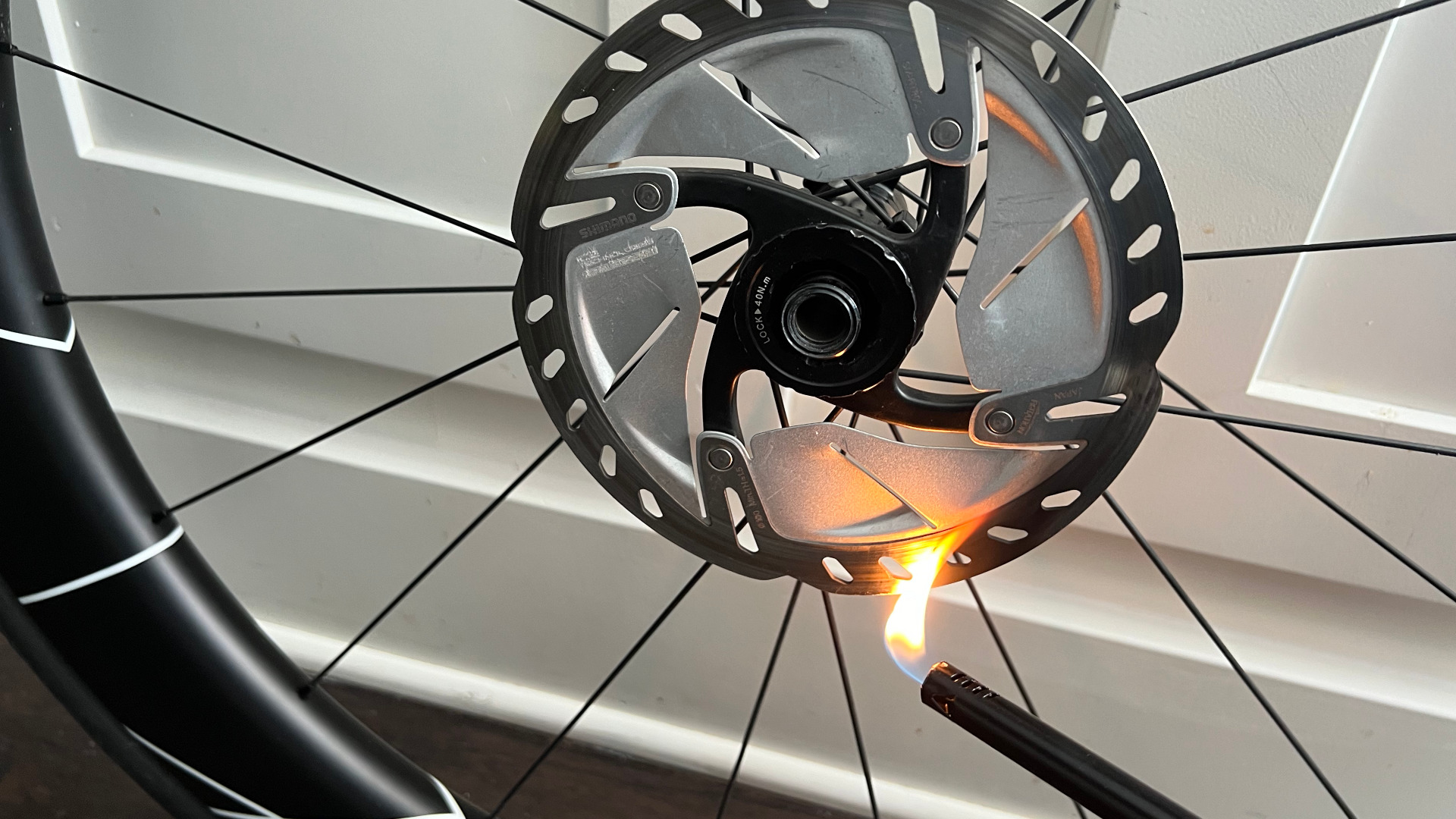
Spray or pour isopropyl alcohol onto a clean rag. Wipe the entire rotor surface. Rotate the wheel (or the rotor if removed) to clean every part. Isopropyl alcohol evaporates quickly and leaves no residue.
5. Use A Soft Brush
For stubborn dirt, use a soft-bristled brush. Gently scrub the rotor, focusing on the braking surface. Avoid using wire brushes, as they can scratch the metal.
6. Clean The Calipers And Pads (optional)
If the rotors are dirty, the pads and calipers may be too. Use a fresh rag and alcohol to wipe the caliper body. For pads, lightly sand the surface with fine sandpaper (like 120 grit) to remove glaze, then wipe with alcohol.
7. Dry The Rotors
Let the rotor air dry, or use compressed air to speed up the process. Make sure the rotor is completely dry before reassembling.
8. Reinstall The Rotor And Wheel
If you removed the rotor, carefully reinstall it. Use the correct torque settings for bolts (usually 4–6 Nm for 6-Bolt). Avoid touching the braking surface.
9. Spin And Test
Spin the wheel, squeeze the brake lever, and check for noise or smooth braking. If brakes still squeal or feel weak, repeat the process.
Deep Cleaning: Handling Oil And Grease Contamination
Sometimes, rotors get contaminated by chain lube, grease, or other oils. This can happen if you spray lubricant near the brakes or touch the rotor with oily hands. When this happens, basic cleaning may not be enough.
Removing Heavy Contamination
- Remove the rotor from the wheel.
- Clean with isopropyl alcohol as above.
- If oil remains, use a dedicated disc brake cleaner. Spray the cleaner, wait a minute, then wipe clean.
- For stubborn contamination, lightly sand the rotor with fine sandpaper (220 grit). Clean again with alcohol.
- Reinstall and test.
If contamination spreads to the pads, you may need to replace them. Sometimes, pads can be saved by sanding and cleaning, but not always.
Comparing Rotor Cleaning Methods
Different riders use different cleaning methods. Here’s a comparison of the most common approaches:
| Method | Effectiveness | Cost | Time Required | Risk of Damage |
|---|---|---|---|---|
| Isopropyl Alcohol | High | Low | Quick | Very Low |
| Disc Brake Cleaner | Very High | Medium | Quick | Low |
| Soap and Water | Medium | Low | Moderate | Medium |
| Sandpaper | For heavy contamination | Low | Moderate | Medium |
| Household Cleaners | Poor | Low | Quick | High |
Isopropyl alcohol and disc brake cleaner are the safest and most effective for regular use. Soap and water can work in a pinch, but may leave residue. Sandpaper is only for extreme contamination. Avoid household cleaners, as they can make things worse.
How Often Should You Clean Rotors?
Cleaning frequency depends on your riding conditions:
- Dry, clean trails: Every 4–6 rides
- Wet, muddy trails: After every ride
- Heavy use or racing: Before each event
If you ride in dusty or muddy areas, clean more often. After a wet ride, mud and grit can build up fast. Regular cleaning keeps your brakes sharp and reliable.
Common Mistakes To Avoid
Even experienced riders sometimes make mistakes. Here are some you should watch for:
- Using oily or greasy cleaners (like WD-40)
- Touching the rotor surface with bare hands
- Forgetting to clean pads and calipers
- Using rough or dirty rags
- Over-tightening rotor bolts (can warp the rotor)
- Cleaning only when problems arise
- Using household cleaners (can leave residue)
Avoid these errors for safe, effective cleaning.

Credit: www.youtube.com
Practical Tips For Better Rotor Cleaning
Some simple tricks make rotor cleaning easier and safer:
- Use new, clean rags each time. Even a small bit of oil can ruin your efforts.
- Always wear gloves. Skin oils are enough to contaminate rotors.
- Clean the rotors before the pads. If you clean pads first, dirty rotors can recontaminate them.
- If you ride in wet conditions, clean rotors after every ride.
- Store alcohol and cleaning supplies in a dry, cool place.
- Check torque settings for bolts to avoid damage.
Experienced riders know that even a tiny amount of oil can cause squealing. If you use chain lube, shield the rotors with a rag while spraying.
When To Replace Rotors
Cleaning works for most issues, but some problems require replacement. Here’s how to know:
- Deep grooves or scoring in the rotor
- Warping or bending (wheel wobbles when spinning)
- Blue discoloration (overheated metal)
- Thickness below manufacturer’s minimum (usually 1.5mm)
- Cracks or chips
Check your rotor thickness with calipers. Manufacturers list minimum thickness in their manuals. If your rotor is below this, replace it for safety.
Data: Rotor Wear And Cleaning Impact
Rotor wear affects braking performance. According to a study by Shimano, regular cleaning can increase pad life by up to 30% and reduce rotor wear by 20%. Riders who clean after each muddy ride report fewer brake issues and longer rotor life.
Here’s a simple comparison of rotor lifespan based on cleaning habits:
| Cleaning Frequency | Average Rotor Lifespan | Pad Lifespan | Brake Performance |
|---|---|---|---|
| After every ride | 2–3 years | 1 year | Excellent |
| Every 4–6 rides | 1.5–2 years | 9 months | Good |
| Only when noisy | 1 year | 6 months | Fair |
| Rarely cleaned | 6–12 months | 4 months | Poor |
Cleaning rotors regularly can save money and prevent dangerous situations.
Real-world Example: Cleaning Rotors After A Muddy Ride
Imagine you’ve just finished a muddy trail. Your brakes are squealing, and stopping power feels weak. Here’s how an experienced rider solves this:
- Wheels off, rotors removed.
- Wipe mud with a damp rag, then use isopropyl alcohol.
- Brush stubborn dirt, wipe dry.
- Sand lightly if needed, clean again.
- Clean pads with alcohol, sand if glazed.
- Reinstall, torque bolts, test brakes.
This simple routine restores braking performance and prevents long-term damage.
Rotor Cleaning For Different Types Of Riders
Cleaning needs vary by rider. Here’s how different riders approach rotor cleaning:
- Casual riders: Clean every month, focus on simple alcohol wipe.
- Racers: Clean before every event, deep clean with brake cleaner.
- Downhill riders: Clean after every ride, often replace pads and rotors.
- Bike commuters: Clean every 2–3 weeks, check for contamination from city grime.
Riders in wet climates clean more often. Dry, dusty areas may need less frequent cleaning, but still benefit from regular checks.
Comparing Different Rotor Brands
Rotor cleaning works for all brands, but some rotors have special features. Here’s a comparison of popular brands:
| Brand | Material | Coating | Cleaning Difficulty | Average Price |
|---|---|---|---|---|
| Shimano | Stainless Steel | No | Easy | $30–$60 |
| SRAM | Stainless Steel | Yes | Medium | $40–$70 |
| Hope | Stainless Steel | No | Easy | $35–$60 |
| Magura | Stainless Steel | Yes | Medium | $50–$80 |
Coated rotors (like SRAM and Magura) need careful cleaning to avoid damaging the coating. Always check manufacturer recommendations.
Credit: www.avantserveis.com
Expert Insights: Non-obvious Rotor Cleaning Tips
Most guides cover basic cleaning, but experienced riders know some extra tricks:
- Heat can help: After cleaning, ride and brake hard for a few minutes. This can burn off tiny residues.
- Avoid aerosol sprays: If you use disc brake cleaner, spray onto a rag, not the rotor. Aerosol can spread oil.
- Keep spares: Carry a spare rag and alcohol in your trail kit for emergency cleaning.
- Mark rotor position: When removing rotors, mark their position with a marker. This helps avoid misalignment when reinstalling.
- Check for pad contamination: If cleaning doesn’t fix brake noise, pads may need replacing.
These tips help avoid common issues and keep your brakes working at their best.
Safety Considerations
Rotor cleaning is simple, but safety matters. Always:
- Wear gloves to protect hands and avoid contaminating rotors
- Work in a well-ventilated area (alcohol fumes can be strong)
- Avoid getting alcohol or cleaner on tires (can cause loss of traction)
- Tighten bolts to manufacturer specs
- Test brakes before riding
Neglecting safety can lead to accidents or damage to your bike.
Environmental Impact Of Cleaning Products
Isopropyl alcohol is safe for most uses, but disc brake cleaners can contain chemicals. Always dispose of used rags and cleaner responsibly. Avoid washing rotors with cleaners near streams or trails. Use biodegradable products when possible.
Where To Learn More
Rotor cleaning is part of basic bike maintenance. Many top brands, like Shimano and SRAM, offer guides and videos. For more technical details, visit Wikipedia’s bicycle brake page.
Credit: www.avantserveis.com
Frequently Asked Questions
How Do I Know If My Rotors Are Contaminated?
If your brakes squeal, feel weak, or you see visible oil or dirt, your rotors are likely contaminated. Sometimes, contamination is invisible—if cleaning doesn’t help, check your brake pads.
Can I Use Household Cleaners To Clean Rotors?
No. Most household cleaners leave residue or contain oils. Use isopropyl alcohol or disc brake cleaner for best results.
Should I Clean My Rotors After Every Ride?
If you ride in muddy or wet conditions, yes. For dry, clean rides, clean every few weeks or when you notice brake noise or reduced power.
What Happens If I Touch The Rotor Surface With My Hands?
Skin oils can contaminate the rotor and cause squealing or reduced braking. Always wear gloves and avoid touching the braking surface.
How Long Do Mountain Bike Rotors Last?
With regular cleaning and proper care, rotors can last 1–3 years. Replace if they are worn, warped, or below minimum thickness.
Mountain bike rotor cleaning is simple, but often overlooked. Regular cleaning improves braking, extends component life, and keeps your rides safe. With the steps and tips above, you can keep your rotors in top condition and enjoy every ride to the fullest.
Whether you’re a weekend warrior or a daily commuter, clean rotors help you stop confidently and ride with peace of mind.

Hello Guys! I am John Reese, a professional biker and my hobby is biking! I have been biking for last 12 years and I love using bikes while outing as well. Based on my experiences with the different type of bikes (mountain bikes, road bikes and hybrid bikes); I am sharing my opinion about various bikes so that a beginner can get started right away. Happy reading!