
Mountain biking is more than just riding trails—it’s about keeping your bike in top condition. One of the most important parts to maintain is the chain. Over time, mountain bike chains wear out, stretch, or break. Replacing your chain not only improves performance, but also prevents damage to other parts of your bike. If you’ve never replaced a chain, the process can feel intimidating. But with the right steps, tools, and tips, you can do it at home and save money. This guide walks you through everything you need to know about how to replace a chain on a mountain bike, from preparation to expert advice.
Why Chain Replacement Matters
Your mountain bike’s chain is responsible for transferring power from your pedals to the wheels. As you ride, dirt and debris wear down the chain links, especially on rough trails. A worn chain can cause skipping gears, poor shifting, and even damage your cassette or chainring. According to bike maintenance data, chains should be replaced every 2,000–3,000 miles for optimal performance. If you often ride in muddy or sandy conditions, you may need to replace it sooner. Neglecting chain replacement can lead to expensive repairs—studies show that a neglected chain can wear out a cassette up to 50% faster.
Tools And Materials Needed
Before you start, gather these essential tools and materials:
- New mountain bike chain (make sure it’s the correct length and type for your bike)
- Chain tool (also called a chain breaker)
- Quick link pliers (if your chain uses a quick link)
- Chain wear checker (optional but helpful for measuring wear)
- Bike stand (optional; makes working easier)
- Gloves (to protect your hands from grease)
- Degreaser and rag (for cleaning)
- Lubricant (for after installation)
Choosing the right chain is crucial. Mountain bike chains come in different widths—10-speed, 11-speed, or 12-speed—depending on your drivetrain. Check your bike’s specifications before buying a replacement.
How To Check Chain Wear
Before replacing, it’s wise to check if your chain really needs it. Here’s how:
- Use a chain wear checker tool. Insert it into your chain and see if it fits snugly. If the tool drops in easily, your chain is worn.
- Alternatively, measure your chain. If it has stretched more than 0.75% (for most bikes) or 1% (for older bikes), it’s time to replace.
- Look for signs like rust, stiff links, or skipping gears.
Many riders miss the importance of regular wear checks. Skipping this step can mean changing your chain too late, leading to unnecessary costs.
Removing The Old Chain
Start with removing the existing chain. This step is simple but requires attention.
- Shift your bike onto the smallest chainring and sprocket. This reduces tension.
- Locate the master link (if your chain has one). It’s often a different color or shape.
- If there’s no master link, use the chain tool to push out a pin from one of the links. Be careful to avoid damaging surrounding links.
- Remove the chain from the drivetrain.
Some chains have a reusable master link. If so, you can keep it for emergencies. Otherwise, discard the old chain properly—metal recycling is recommended.
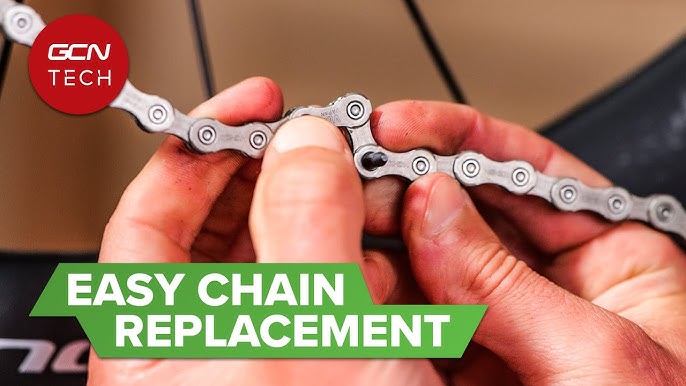
Credit: www.youtube.com
Preparing The New Chain
A new chain often comes longer than needed. Here’s how to size it:
- Lay the old chain next to the new one. Match the length by lining up the links.
- If you don’t have the old chain, use the big-big method: Wrap the new chain around the largest front chainring and the largest rear cog (without going through the derailleur), then add two full links.
- Use the chain tool to remove excess links.
Incorrect chain length is a common mistake. A chain that’s too short can damage your derailleur, while a chain that’s too long causes poor shifting. Double-check before cutting.
Installing The New Chain
Now you’re ready to install the new chain. Follow these steps:
- Thread the chain through the front derailleur, rear derailleur cage, and around the chainrings and cassette.
- Make sure the chain runs smoothly and is not twisted.
- If your chain uses a master link, join the ends and snap the link into place. Use quick link pliers if necessary.
- For chains without a master link, use the chain tool to push a new pin through the ends, securing the chain.
After installation, spin the pedals and shift through all gears. Watch for skipping or strange noises. If you notice issues, check the chain’s routing and connection points.
Lubricating Your New Chain
A new chain needs proper lubrication for smooth performance. Here’s how:
- Clean the chain with a rag to remove any factory grease.
- Apply a bike-specific lubricant along the inner links while turning the pedals backward.
- Wipe off excess lube with a clean rag.
Mountain bike chains need more frequent lubrication than road bikes, especially after wet or muddy rides. A well-lubed chain lasts longer and shifts better.
Practical Tips For Mountain Bike Chain Replacement
Replacing a chain is simple, but these practical tips will help you avoid common mistakes:
- Always check compatibility between your new chain and your bike’s drivetrain. Not all chains fit all bikes.
- Use gloves to keep your hands clean and avoid cuts.
- Inspect the cassette and chainring for wear. If they look sharp or hooked, replacing them along with the chain is best.
- Keep your workspace clean and organized. Small parts like pins can get lost easily.
- Practice on an old bike if you’re nervous—experience builds confidence.
Many beginners forget to thread the chain correctly through the derailleur. Take your time and follow the path carefully. Also, after installation, check for stiff links by running the chain between your fingers. If you find any, flex them gently to loosen.
Common Mistakes To Avoid
Even experienced riders can make errors. Here are some common mistakes:
- Cutting the chain too short or too long: Measure twice before removing links.
- Forgetting to check wear on other components: A new chain on worn sprockets causes poor performance.
- Overlooking lubrication: Dry chains wear quickly and shift poorly.
- Installing the chain backwards: Some chains are directional—look for arrows or markings.
Paying attention to these details saves you time and money, and keeps your bike running smoothly.
Comparing Chain Types And Compatibility
Mountain bike chains come in various types. Choosing the right one matters for shifting and durability.
| Chain Type | Speed | Width (mm) | Typical Use |
|---|---|---|---|
| 10-speed | 10 | 5.88 | Older mountain bikes |
| 11-speed | 11 | 5.50 | Modern mountain bikes |
| 12-speed | 12 | 5.25 | High-end bikes |
Check your bike’s specs before purchasing. Using the wrong chain type can cause shifting issues or damage.
Durability And Maintenance Data
How long does a mountain bike chain last? It depends on riding style, conditions, and maintenance.
| Riding Condition | Average Lifespan (Miles) | Maintenance Needed |
|---|---|---|
| Dry, clean trails | 3,000 | Lubricate every 100 miles |
| Muddy, wet trails | 2,000 | Clean and lubricate after each ride |
| Sandy conditions | 1,500 | Inspect for wear every 500 miles |
Regular cleaning and lubrication extend chain life. Neglecting maintenance leads to faster wear and costly repairs.
Step-by-step Summary For Beginners
If you’re new to mountain bike maintenance, here’s a simplified summary:
- Check chain wear with a tool or by measuring.
- Remove the old chain using a chain tool or quick link pliers.
- Size the new chain by matching length or using the big-big method.
- Install the new chain through the drivetrain, securing with a master link or pin.
- Lubricate and wipe down the chain.
- Test ride your bike to check for smooth shifting.
It’s easy to overlook chain routing or lubrication, but both are key for performance. Don’t rush—take your time.

Credit: www.youtube.com
Advanced Advice For Experienced Riders
If you ride often or maintain several bikes, consider these advanced tips:
- Replace chains proactively: Don’t wait for obvious wear. Many pro riders change chains every 1,500 miles for peak performance.
- Keep a spare chain and master link in your trail kit. Quick repairs prevent long walks home.
- Track chain mileage: Use a maintenance log to note when you replace chains and other parts.
- Upgrade lubrication: Try ceramic or wax-based lubes for less dirt buildup.
Understanding chain compatibility is also vital. Not all 11-speed chains work perfectly with every 11-speed drivetrain. Brands like Shimano, SRAM, and KMC have subtle differences. Mixing brands can affect shifting, so stick with what your bike manufacturer recommends.
Real-world Example: Trail Repair Scenario
Imagine you’re on a trail and your chain snaps. Here’s how to handle it:
- Carry a multi-tool with a chain breaker and a spare master link.
- Remove the broken link and reconnect the chain with the master link.
- If the chain is too short, ride gently in the easiest gear to avoid straining the derailleur.
Many riders don’t carry spare links, but they’re small and can save your ride. Practice quick repairs at home so you’re ready when it counts.

Credit: www.wikihow.com
How Chain Replacement Saves Money
Replacing your chain is one of the most cost-effective bike maintenance tasks. A new chain costs between $20 and $50, while a cassette can cost over $100. According to bike industry data, regular chain replacement can extend cassette life by up to 30%. Over time, this saves you hundreds of dollars and keeps your bike running smoothly.
Environmental Impact: Recycling Old Chains
Metal bike chains are recyclable. Many bike shops collect old chains for recycling, or you can drop them at a local metal recycling center. Some creative riders turn old chains into art or keychains. Recycling helps reduce waste and supports sustainability.
Comparison: Diy Vs. Professional Chain Replacement
Should you replace your chain yourself, or take it to a shop? Here’s a comparison:
| Method | Cost | Time Required | Skill Needed | Pros/Cons |
|---|---|---|---|---|
| DIY | $20–$50 (chain cost) | 30–60 minutes | Basic mechanical skill | Save money, learn skills. Risk of mistakes. |
| Professional | $50–$100 | 1–2 days (including shop wait) | None | No hassle, guaranteed results. Higher cost. |
Most riders can learn to replace a chain with practice. If you’re unsure, ask a friend or watch tutorials online.
Safety Precautions
Safety is important during any bike repair:
- Wear gloves to protect your hands.
- Work in a well-lit area.
- Keep small parts away from children and pets.
- Dispose of old chains responsibly.
Never force a chain tool or quick link. If you struggle, check instructions or seek help.
Key Insights Beginners Often Miss
- Chain compatibility is crucial. Even chains with the same speed rating may not fit perfectly—always check manufacturer recommendations.
- Proper lubrication makes a big difference. Many new riders apply too much lube, attracting dirt. Less is more—wipe off excess.
These tips make your chain last longer and your rides smoother.
Where To Learn More
If you want detailed tutorials or product reviews, visit official resources like Bicycling Magazine. They offer trusted advice and step-by-step guides for every skill level.
Frequently Asked Questions
How Often Should I Replace My Mountain Bike Chain?
Most mountain bike chains need replacement every 2,000–3,000 miles, but this depends on riding conditions and maintenance. Muddy or sandy trails wear chains faster.
What’s The Best Way To Measure Chain Wear?
Use a chain wear checker tool for accuracy. If the tool drops in easily, your chain is worn. Alternatively, measure link stretch—over 0.75% means it’s time to replace.
Can I Use Any Chain On My Mountain Bike?
No. Chains come in different widths for 10-speed, 11-speed, and 12-speed drivetrains. Check your bike’s specs and use recommended brands for best performance.
Do I Need A Bike Stand To Replace A Chain?
A bike stand makes the process easier, but it’s not required. You can prop your bike against a wall or turn it upside down to work on the drivetrain.
What Should I Do With My Old Chain?
Recycle it at a local metal recycling center or bike shop. Some riders use old chains for art or repairs, but recycling is best for the environment.
Replacing a chain on your mountain bike is a simple job that saves money, improves performance, and extends the life of your bike. With the right tools, careful steps, and regular maintenance, you’ll enjoy smoother rides and fewer breakdowns. Don’t be afraid to learn—each repair builds your confidence and skill as a mountain biker.

Hello Guys! I am John Reese, a professional biker and my hobby is biking! I have been biking for last 12 years and I love using bikes while outing as well. Based on my experiences with the different type of bikes (mountain bikes, road bikes and hybrid bikes); I am sharing my opinion about various bikes so that a beginner can get started right away. Happy reading!