
Buying a mountain bike is more than just a trip to the store. It’s a journey to find the right fit for your style, your needs, and your budget. For beginners, the choices can feel overwhelming. Frames, wheels, suspension — what matters most?
How do you avoid mistakes and get a bike that lasts? This guide will help you step-by-step, using simple words and clear advice. If you dream of exploring trails, riding with friends, or simply enjoying fresh air and adventure, the right mountain bike makes all the difference.
With careful planning and a bit of knowledge, you can find a bike that suits you perfectly. Let’s dig deeper into the details you need to know before buying.
Understanding Mountain Bike Types
Before shopping, you need to know the main mountain bike categories. Each type is designed for a different kind of riding. Understanding these differences is key to making a smart choice.
Hardtail
A hardtail bike has a front suspension fork but no rear shock. It’s lighter and usually cheaper. Hardtails work well for beginners, cross-country trails, and smooth paths. Maintenance is simpler, and repairs cost less. If you plan to ride mostly on gentle trails or roads, a hardtail gives good value and performance. Many riders start with hardtails because they help develop basic skills like balance and handling.
Full Suspension
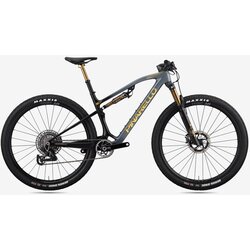
A full suspension bike has both front and rear shocks. It absorbs bumps better, making rough terrain easier. These bikes are ideal for rocky, steep, or technical trails. Full suspension bikes offer more comfort, especially on long rides or uneven surfaces. They help reduce fatigue, allowing you to ride further and tackle more challenging routes. However, they require more maintenance and can be heavier, which may make climbing hills a bit harder for some.
Trail Bikes
Trail bikes are the most versatile. They handle a variety of terrain — not too specialized, not too extreme. If you want one bike for many uses, a trail bike is a safe choice. Trail bikes balance climbing and descending, making them suitable for local parks, forest trails, or mountain paths. Their design makes them stable, yet still fun and lively to ride.
Enduro Bikes
Enduro bikes are built for tough climbs and fast descents. They’re strong and stable, designed for aggressive riders who tackle demanding trails. These bikes often have longer suspension travel and reinforced frames. If you want to try racing or tackle big mountain routes, enduro bikes are worth considering. For casual riders, they may be too heavy or expensive.
Downhill Bikes
Downhill bikes focus on speed and control during steep, dangerous descents. They’re heavy, with strong suspension. If you’re not planning extreme downhill riding, these are not necessary. Downhill bikes are often used in bike parks or competitions. For normal trails, they are overkill and not practical.
Fat Bikes
Fat bikes have wide tires for sand, snow, or loose terrain. They’re less common but perfect for special conditions. Their unique tires give extra grip and stability, letting you ride where other bikes cannot. Fat bikes are great for winter riding, beach trips, or exploring soft trails.
Comparison Of Mountain Bike Types
Here’s how the main types compare:
| Type | Suspension | Terrain | Price Range (USD) |
|---|---|---|---|
| Hardtail | Front only | Smooth to moderate | $400–$1,500 |
| Full Suspension | Front & rear | Moderate to rough | $1,200–$6,000+ |
| Trail | Front & rear | Mixed | $800–$4,000 |
| Enduro | Front & rear | Tough climbs & descents | $2,000–$7,000 |
| Downhill | Front & rear | Steep descents | $3,000–$8,000 |
| Fat Bike | Varies | Sand, snow | $600–$2,500 |
Different types suit different goals. For most beginners, hardtail or trail bikes are ideal. If you plan to ride in snow or sand, consider fat bikes.
Setting Your Budget
How much should you spend on a mountain bike? Prices range from a few hundred dollars to over $10,000. Most beginners should look for bikes between $500 and $1,500. This price gets you reliable quality without paying for pro features. Setting a clear budget helps you focus on options you can afford and avoid feeling pressured by expensive models.
What Influences Price?
- Frame material: Aluminum is cheaper, carbon fiber is lighter and expensive.
- Suspension: Full suspension costs more.
- Components: High-quality gears, brakes, and wheels raise the price.
- Brand: Famous brands often cost more.
Extra features like dropper posts, tubeless tires, or advanced suspension also increase price. If you see a bike with many “extras,” check if you really need them as a beginner.
Smart Budgeting
- Decide your absolute maximum.
- Include extra costs: Helmet, gloves, water bottle, lock, pump.
- Don’t spend all your money on the bike itself. Good safety gear matters.
Think about future expenses, too — for example, replacement parts, yearly maintenance, or upgrades. Many beginners forget about these costs and spend their entire budget on the bike, leaving nothing for essentials.
Example Budget Breakdown
| Item | Estimated Cost |
|---|---|
| Bike | $1,000 |
| Helmet | $50 |
| Gloves | $20 |
| Water Bottle | $10 |
| Lock | $40 |
| Pump | $30 |
| Total | $1,150 |
If your budget is tight, consider buying used gear or waiting for seasonal discounts. Sometimes, shops offer starter packs with basic accessories at lower prices.
Choosing The Right Frame Size
Getting the correct frame size is essential. A bike too big or small is uncomfortable and unsafe. Many beginners think they can adapt to any size, but this often leads to pain and frustration.
How To Find Your Size
Most brands have size charts. You need your height and inseam (distance from crotch to floor). Stand straight, measure your inseam, and compare to the brand’s chart.
- Small: 5’2”–5’6”
- Medium: 5’6”–5’10”
- Large: 5’10”–6’2”
- Extra Large: 6’2” and up
If you are between sizes, try both. Sometimes, a smaller frame is easier to handle, while a larger frame feels more stable.
Why Size Matters
A bike that fits is easier to control, more comfortable, and safer. You avoid knee pain, back pain, and crashes. Riding a poorly sized bike can also make learning harder and decrease your confidence.
Test Ride
If possible, visit a shop and try different sizes. Notice how your arms, legs, and back feel. Can you reach the handlebars easily? Do your feet touch the ground? Pay attention to how the bike responds when turning, braking, and climbing.
Even a short ride can reveal problems that aren’t obvious in the store.
Example Size Chart (generic)
| Rider Height | Frame Size (Inches) | Frame Size (cm) |
|---|---|---|
| 5’2”–5’6” | 15–17 | 38–43 |
| 5’6”–5’10” | 17–19 | 43–48 |
| 5’10”–6’2” | 19–21 | 48–53 |
| 6’2”–6’4” | 21–23 | 53–58 |
Some brands may use “S, M, L, XL” instead of inches or centimeters. Always check their chart, as sizes can vary between brands.
Picking The Best Suspension
Suspension is the system that absorbs bumps and shocks. The right suspension makes your ride smoother. If you plan to ride mostly on roads or gentle trails, you won’t need as much suspension as someone who rides in rocky mountains.
Front Suspension (hardtail)
- Good for simple trails and roads.
- Lower cost, easier maintenance.
Front suspension is often enough for beginners, offering comfort without adding much weight. If you want to learn basic mountain biking skills, starting with a hardtail can help you understand how to shift weight and steer.
Full Suspension
- Handles rough terrain, rocks, roots, and jumps.
- More comfort, but heavier and pricier.
Full suspension is best if you plan to ride on challenging trails or want to try jumps and drops. It makes longer rides more comfortable, but you may need to learn extra maintenance.
Lockout Feature
Some bikes let you lock out suspension, making it stiff for climbing or road riding. This saves energy and improves speed. If you often switch between trails and roads, lockout is useful.
Suspension Travel
Measured in millimeters (mm). More travel means more shock absorption. For beginners, 80–120mm is enough. For rough trails, look for 120–170mm.
Suspension travel affects how the bike feels. Less travel is good for smooth trails and climbing, while more travel suits rough descents.
Wheel Size: 26”, 27.5”, Or 29”?
Wheel size affects speed, handling, and comfort. The most common sizes are 26”, 27.5”, and 29”. Choosing the right size depends on your riding style and terrain.
26” Wheels
- Once standard, now less common.
- Easier to turn, lighter.
26” wheels are good for riders who want quick handling, especially on tight trails or technical paths. Some smaller riders may prefer 26” because the bike feels less bulky.
27.5” Wheels
- Good balance between speed and agility.
- Popular with most riders.
- 5” is now the most common size for trail and all-around mountain bikes. It combines easy handling with good speed and comfort. Many brands offer this size as their main option.
29” Wheels
- Roll over obstacles better.
- Faster on straight paths, heavier.
29” wheels are excellent for longer rides or rough terrain. They help you keep speed and make climbing easier. However, they may feel harder to turn in tight spaces.
Which To Choose?
- If you want quick turns and a lighter bike, choose 26” or 27.5”.
- If you ride long, fast trails, pick 29”.
Try to test different wheel sizes if possible. Personal preference and comfort matter as much as technical details.
Essential Bike Components
Quality components mean better performance and longer life. Beginners often overlook these parts, but they are important for safety and fun.
Gears (drivetrain)
Mountain bikes usually have 1x (single front gear) or 2x/3x (multiple front gears).
- 1x: Simpler, lighter, easier to use.
- 2x/3x: More gear options, but heavier and complex.
For most beginners, 1x systems are easier and more reliable. Gear range is still wide enough for most rides.
Brakes
Two main types:
- Disc brakes: Strong, work in wet/mud, now standard.
- Rim brakes: Cheaper, less effective.
For mountain biking, choose disc brakes. They are safer, especially in bad weather or on steep paths.
Tires
- Wider tires offer more grip.
- Look for tread patterns that match your terrain.
If you ride on muddy or loose trails, pick tires with deep tread. For hard, dry trails, smoother tires are fine.
Seat (saddle)
A comfortable saddle prevents pain. Try different types. Some shops let you test saddles. Don’t be afraid to adjust the saddle height or angle for comfort.
Handlebar
Wide handlebars give more control. Check if you can adjust them. Some bikes offer riser bars or flat bars; choose what feels best for your hands and shoulders.

Credit: www.bhbikes.com
Frame Materials: Aluminum, Steel, Carbon Fiber
The bike’s frame is its backbone. Each material has pros and cons. This affects weight, price, and durability.
Aluminum
- Light, strong, affordable.
- Most common for entry-level bikes.
Aluminum resists rust and is easy to repair. It’s a good balance between price and performance.
Steel
- Heavy, but very strong.
- Smooth ride, lasts long.
Steel frames are popular for touring and custom bikes. They absorb bumps well, but can feel heavy on climbs.
Carbon Fiber
- Very light, absorbs shocks well.
- Expensive, used in high-end bikes.
Carbon fiber is best for serious riders or racers. It can be delicate, so avoid crashes and inspect regularly.
Which Is Best?
For most beginners, aluminum is best. If you want top performance and don’t mind paying more, carbon fiber is excellent. Steel is a good choice for those who value durability and comfort.
Where To Buy: Shop, Online, Or Secondhand?
Each option has benefits and risks. Think about your needs, budget, and local resources.
Local Bike Shop
- Expert advice, test rides, fitting help.
- Free tune-ups and support.
- Usually higher prices.
Shops can help with sizing, repairs, and accessories. Building a relationship with a shop is useful for future maintenance.
Online Stores
- Bigger selection, lower prices.
- No test rides, risk of wrong size.
- Shipping fees may apply.
Read reviews and check return policies. Many online stores offer detailed specs and customer support.
Secondhand
- Cheap, good deals possible.
- Risk: Hidden damage, old parts.
- Always inspect carefully, ask for maintenance records.
Buying used is smart if you know what to look for. Ask for receipts, check serial numbers, and avoid bikes with missing or broken parts.
How To Inspect A Used Bike
- Check frame for cracks or dents.
- Spin wheels — are they straight?
- Test brakes and gears.
- Look for rust on chain and bolts.
- Ask about last service.
Bring a friend who knows bikes if you’re unsure. Some shops offer used bikes with warranties.
Making The Final Decision
With all these factors, how do you decide? Take your time and compare options carefully.
List Your Needs
- Where will you ride? (forest, mountains, parks)
- How often? (daily, weekends, rare)
- What’s your skill level? (beginner, intermediate, advanced)
Be honest about your goals. If you only ride once a month, you don’t need a high-end bike.
Compare Bikes
Make a simple list or table of your top choices. Compare:
- Price
- Size
- Suspension
- Components
- Reviews
Look for patterns — do most bikes have similar features? Which ones stand out?
Try Before You Buy
If you can, test ride your favorite bikes. Notice comfort, handling, and balance. Even a quick ride can show you if the bike fits your body and riding style.
Ask Questions
Don’t be shy. Ask shop staff or online forums. Most riders love to help beginners. Questions about maintenance, upgrades, and accessories are welcome.
Common Mistakes To Avoid
Even experienced buyers can make errors. Watch out for these:
- Buying the wrong size: Always check the size chart.
- Ignoring suspension: For rough trails, full suspension is worth extra cost.
- Overbuying: Don’t buy a pro bike if you’re just starting.
- Forgetting extras: Helmet, pump, lock are essential.
- Not test riding: Comfort is key.
- Skipping research: Read reviews from real users.
- Not checking warranty: Good brands offer at least 1 year.
Avoiding these mistakes saves money and improves your biking experience. Remember, upgrades are possible later, so you don’t need every feature right away.
Practical Tips For First-time Buyers
- Visit at least two shops before deciding.
- Ask about return policy and warranty.
- Check online for price comparisons.
- Don’t rush — a good bike lasts years.
- Look for seasonal sales or discounts.
- Consider buying last year’s model — same quality, lower price.
Ask shops if they offer free maintenance for new bikes. Some shops include first tune-ups or adjustments.
Real-world Example: Beginner’s Story
Maria wanted a mountain bike for weekend rides. She visited two shops, tried three bikes, and read reviews online. She chose a medium-size hardtail with disc brakes, aluminum frame, and 27.5” wheels. Total cost was $980, including helmet and lock. After two months, Maria felt comfortable and confident on trails. She avoided overspending by sticking to her budget and asking lots of questions.
Maria’s experience shows that careful research, testing, and planning help you make a smart choice. She also learned basic maintenance skills from her local shop, making her rides safer and more enjoyable.
Advanced Insights Beginners Often Miss
Suspension settings: Many bikes let you adjust suspension for your weight and riding style. Ask for help at the shop. Setting suspension correctly can improve comfort and control, especially on varied terrain.
Tubeless tires: Some bikes offer tubeless tires — fewer flats, better grip. Worth considering if you ride rough trails. Tubeless setups need special rims and sealant, but reduce punctures and let you use lower tire pressure.
Dropper posts: A dropper seatpost lets you lower your saddle with a button. This helps on steep descents. Not essential, but useful as you progress. If you plan to ride technical trails, a dropper post adds convenience and safety.
Beginners often miss these features, but they can make riding easier and more fun as your skills grow.
What About Maintenance?
No matter which bike you buy, regular care is needed.
- Clean your bike after muddy rides.
- Oil the chain every month.
- Check tire pressure before every ride.
- Visit the shop for yearly tune-ups.
Learning basic maintenance prevents breakdowns and saves money. Invest in a simple tool kit and watch online tutorials. If you notice strange noises or poor shifting, visit your shop early to avoid bigger problems.
Credit: www.momentbikes.com
Trusted Resources
If you want deep technical info, try Bicycling Magazine. They cover bike reviews, maintenance tips, and trail guides.
Frequently Asked Questions
How Much Should I Spend On My First Mountain Bike?
Most beginners should budget $500–$1,500 for a reliable mountain bike. Spending more can get you advanced features, but it’s not necessary unless you plan serious riding.
What Size Mountain Bike Should I Get?
Bike size depends on your height and inseam. Use the brand’s size chart and, if possible, test ride before buying. A well-fitting bike is safer and more comfortable.
Is A Hardtail Or Full Suspension Better For Beginners?
A hardtail is usually best for beginners. It costs less and is easier to maintain. If you plan to ride rough, rocky trails, consider a full suspension.
Can I Buy A Mountain Bike Online Safely?
Yes, but check the seller’s reputation, read reviews, and confirm return policies. Make sure you know your exact size before ordering.
How Often Should I Service My Mountain Bike?
Basic maintenance like cleaning and oiling the chain should be done every month. A full professional tune-up is recommended once a year or after heavy use.
Buying a mountain bike is exciting. With the right knowledge, you’ll avoid costly mistakes and enjoy years of adventure. Take your time, ask questions, and choose a bike that fits your needs, your budget, and your dreams. Happy riding!

Credit: www.youtube.com

Hello Guys! I am John Reese, a professional biker and my hobby is biking! I have been biking for last 12 years and I love using bikes while outing as well. Based on my experiences with the different type of bikes (mountain bikes, road bikes and hybrid bikes); I am sharing my opinion about various bikes so that a beginner can get started right away. Happy reading!