
Electric mountain bikes are changing how people ride on trails, hills, and rough terrain. These bikes use powerful motors and smart batteries to help riders go faster and climb steeper paths. Many people want to know: How fast do electric mountain bikes go? This question matters for adventure seekers, beginners, and anyone considering buying an eMTB. Understanding speed is not just about thrill—it’s about safety, laws, and choosing the right bike for your needs.
This article explores electric mountain bike speeds in detail. We’ll look at what affects speed, how different models compare, and what you should know before riding fast. You’ll find real-world data, expert tips, and answers to common questions. Whether you’re new to eMTBs or looking to upgrade, you’ll get a clear picture of how fast these bikes can really go.
What Is An Electric Mountain Bike?
An electric mountain bike (often called eMTB) is a mountain bike with an electric motor and battery. The motor gives extra power to help you pedal, especially on difficult terrain. Most eMTBs are designed for off-road use, with strong frames, wide tires, and advanced suspensions.
E-bikes come in different classes:
- Class 1: Pedal-assist only, max speed 20 mph
- Class 2: Pedal-assist and throttle, max speed 20 mph
- Class 3: Pedal-assist only, max speed 28 mph
Most eMTBs fall into Class 1 or 2, but some high-end models can go faster (although these are often not street legal).
How Fast Do Electric Mountain Bikes Go?
The speed of an electric mountain bike depends on many factors. Here are the main influences:
Motor Power
The motor power is measured in watts (W). Common sizes are:
- 250W: Entry-level, mostly pedal-assist
- 500W: Mid-range, can handle hills better
- 750W–1000W: High power, faster acceleration
A more powerful motor can help the bike reach higher speeds, especially uphill or on rough terrain. However, local laws often limit motor size.
Battery Voltage And Capacity
Batteries come in different voltages and capacities:
- 36V: Standard for most basic eMTBs
- 48V: Common in higher-end models
- 52V or more: Premium bikes
Higher voltage and larger capacity mean more power and longer rides. But battery size alone doesn’t make the bike faster—it works together with the motor.
Terrain And Riding Conditions
Speed changes a lot depending on where you ride:
- Flat roads: Highest speed, less resistance
- Uphill: Lower speed, motor works harder
- Downhill: Natural gravity boost, can exceed motor limits
Trail surfaces also matter. Rocky, muddy, or sandy paths slow down eMTBs compared to paved or hard-packed trails.
Rider Weight And Technique
Heavier riders or those carrying gear may find the bike slower. Good riding technique, such as smooth pedaling and shifting, helps maximize speed. Riding in the right gear and using pedal-assist efficiently can boost your average pace.
Legal Speed Limits
Most countries and states set legal speed limits for eMTBs:
- USA: Class 1 and 2 limited to 20 mph; Class 3 limited to 28 mph
- Europe: Most eMTBs limited to 25 km/h (15.5 mph)
- Australia: 25 km/h (15.5 mph)
Some bikes can go faster, but they might be illegal to ride on public trails or roads.
Electric Mountain Bike Speed: Real-world Data
Manufacturers often publish top speeds, but real-world riding is different. Here’s how speed looks in practice:
| Bike Model | Motor Power | Claimed Top Speed | Average Trail Speed |
|---|---|---|---|
| Specialized Turbo Levo | 250W | 20 mph | 12–16 mph |
| Trek Powerfly FS | 250W | 20 mph | 11–15 mph |
| Bulls E-Stream EVO AM | 750W | 28 mph | 16–22 mph |
| Haibike XDURO AllMtn | 500W | 20 mph | 13–17 mph |
| QuietKat Apex | 1000W | 30 mph | 18–24 mph |
This table shows that real trail speeds are usually lower than the bike’s top speed. Terrain, obstacles, and rider skill play a big part.
Pedal Assist Vs Throttle: How They Affect Speed
Most eMTBs use pedal-assist systems. This means the motor only works when you pedal. The harder you pedal, the more boost you get.
Some bikes include a throttle. With a throttle, you can get power without pedaling, like a motorcycle. Throttle bikes often reach their top speed faster, but pedal-assist is more common for mountain riding.
Comparing Pedal-assist Levels
Pedal-assist usually comes in 3–5 levels:
- Low: Gentle boost, max speed around 10–12 mph
- Medium: Stronger boost, max speed 15–18 mph
- High: Maximum boost, max speed 20–28 mph (depends on bike)
Choosing the right assist level helps balance speed, battery life, and control. High levels drain the battery faster but give top speeds.
Legal And Safety Considerations
Going fast on an electric mountain bike is exciting, but there are rules and risks:
Speed Limits
Laws restrict how fast you can ride on public land. Exceeding these limits can result in fines or bans. Always check local regulations before riding.
Trail Rules
Many mountain bike trails ban or limit electric bikes. Some only allow Class 1 eMTBs, others forbid any motorized bikes. Riding too fast can damage trails, scare hikers, or lead to accidents.
Safety Gear
Higher speeds mean higher risks. Always wear a helmet, gloves, and protective clothing. Consider goggles and pads for rocky or muddy trails.
Insurance And Liability
Some places require insurance for faster or higher-powered bikes. If you cause an accident, you might be held responsible, especially if you ride above the legal limit.
Electric Mountain Bike Speed Vs Regular Mountain Bike
How does an eMTB compare to a traditional mountain bike? The main difference is power:
| Type | Typical Top Speed (Flat) | Average Trail Speed | Uphill Speed |
|---|---|---|---|
| Regular Mountain Bike | 12–18 mph | 7–12 mph | 3–7 mph |
| Electric Mountain Bike (250W–500W) | 20–28 mph | 12–18 mph | 9–16 mph |
| Electric Mountain Bike (750W–1000W) | 28–30 mph | 16–24 mph | 12–20 mph |
E-bikes are much faster on hills and rough terrain. They allow riders to maintain steady speed where a regular bike would slow down.

Credit: www.youtube.com
Top Factors That Limit Electric Mountain Bike Speed
Even if a bike is built for speed, some factors can hold it back:
- Motor Cut-Off: Most eMTBs shut off motor power when you reach the legal speed limit (20 or 28 mph).
- Battery Depletion: As the battery drains, the motor may lose power, reducing speed.
- Weight: Heavy bikes or loads slow down acceleration and top speed.
- Wind and Weather: Strong headwinds or wet conditions reduce speed.
- Tire Type and Pressure: Knobby tires grip better but roll slower. Low tire pressure can make the bike sluggish.
- Software Settings: Some bikes have adjustable speed limits in their electronics, but unlocking higher speeds may void warranties or break laws.
Speed And Battery Life: Finding The Balance
Riding at full speed uses a lot of battery power. If you always ride at maximum assist, your range drops quickly. Here are practical ways to balance speed and battery life:
- Use lower assist levels on easy terrain
- Pedal hard when possible
- Keep tires inflated to proper pressure
- Avoid constant stops and starts
- Plan your route for steady riding
For most riders, using medium assist is best for longer rides. High assist is great for short bursts or steep climbs.
Battery Range Example
A typical 500Wh battery, used at high assist, may last:
- 20–28 miles at top speed
- 35–55 miles at moderate speed
Actual range depends on terrain and rider weight. Beginners often overestimate how far they can go at full speed.
How Manufacturers Report Speed
Bike brands often publish top speed numbers, but these can be misleading. Here’s what to watch for:
- “Up to 28 mph” means the motor cuts off at this speed, not that you’ll always reach it.
- Average speed is usually much lower, especially on trails.
- Downhill speeds can exceed motor limits, but this is from gravity, not motor power.
Always look for real-world tests and rider reviews. Some brands exaggerate performance to attract buyers. Reading independent tests is a smart move.
Speed Tuning And Modifications
Some riders want to make their eMTB go faster. This is possible, but there are risks:
- Software hacks: Unlock higher speed limits, but often void warranties and break laws.
- Aftermarket motors: Stronger motors can increase speed, but may damage the bike or drain battery faster.
- Changing tire size: Larger tires can increase speed slightly, but may affect handling.
Most experts recommend riding within legal and manufacturer limits. Going too fast can lead to mechanical problems or legal trouble.
Common Mistakes When Modifying For Speed
- Ignoring battery capacity: Bigger motors need bigger batteries.
- Overheating the motor: Running at high speed for long periods can cause failure.
- Unsafe riding: Faster bikes are harder to control on rough trails.
If you want more speed, consider buying a higher-powered bike instead of modifying your current one.
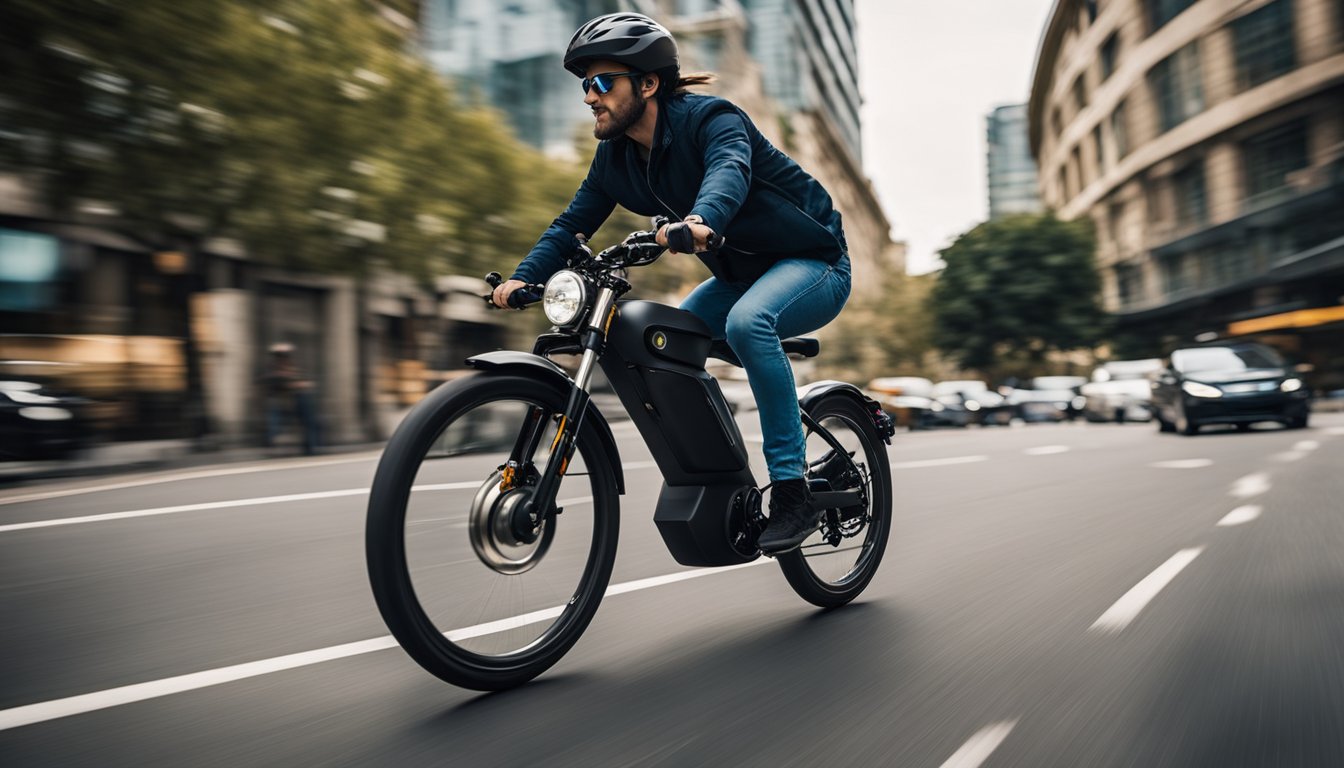
Credit: www.isinwheel.com
Speed In Different Riding Scenarios
Electric mountain bikes perform differently depending on the situation:
Uphill Riding
E-bikes shine on hills. Most can maintain 9–16 mph on steep slopes, compared to 3–7 mph for regular bikes. This lets riders climb longer and steeper paths without fatigue.
Downhill Riding
On descents, gravity takes over. Even low-powered eMTBs can reach speeds above their motor cut-off. Always control your speed downhill; brakes are more important than the motor.
Technical Trails
Tight turns, rocks, and roots slow all bikes. EMTBs help keep a steady pace, but speed is limited by skill and safety, not motor power.
Commuting And Flat Terrain
On roads or flat trails, eMTBs can reach their top motor speed easily. Class 3 bikes are popular for mixed commuting, allowing 28 mph on pavement.
Comparing Popular Electric Mountain Bike Models
Let’s look at some well-known eMTBs and their performance:
| Model | Motor | Battery | Top Speed | Price Range |
|---|---|---|---|---|
| Specialized Turbo Levo | 250W Brose | 504Wh | 20 mph | $5,500–$12,000 |
| Trek Powerfly FS | 250W Bosch | 500Wh | 20 mph | $4,500–$7,500 |
| Bulls E-Stream EVO AM | 750W Brose | 750Wh | 28 mph | $6,000–$8,500 |
| QuietKat Apex | 1000W Bafang | 1000Wh | 30 mph | $6,500–$7,500 |
| Haibike XDURO AllMtn | 500W Yamaha | 500Wh | 20 mph | $5,000–$7,000 |
Higher-priced models often have more powerful motors and bigger batteries, but legal speed limits still apply.
Non-obvious Insights About Electric Mountain Bike Speed
Many beginners overlook these points:
- Steady speed is more important than top speed. On trails, the ability to keep a consistent pace through tough sections matters more than how fast you can go on flat stretches.
- Downhill speed is not motor-limited. The motor’s cut-off doesn’t stop you from going faster downhill—but you must manage brakes and safety carefully.
- Battery health affects speed. Old or poorly maintained batteries deliver less power, reducing both speed and range.
- Speed can affect trail access. Some parks limit eMTBs because of speed concerns. Riding responsibly helps keep trails open to electric bikes.
- Weight distribution impacts handling. Going fast on an eMTB feels different than on a regular bike, especially in corners or jumps.
Practical Tips For Safe And Efficient High-speed Riding
If you want to ride your eMTB fast, follow these tips:
- Always check local speed limits and trail rules
- Wear proper protective gear
- Practice braking and cornering at higher speeds
- Keep your bike well-maintained—especially brakes and tires
- Ride within your skill level—don’t push beyond what feels safe
- Monitor battery and motor temperatures on long, fast rides
Experienced riders know that speed is not everything. Control, skill, and safety are just as important.
How To Choose The Right Electric Mountain Bike For Speed
When picking an eMTB, consider these factors:
- Motor power: Higher watts mean more speed, but also more weight and cost.
- Battery size: Larger batteries support higher speeds longer.
- Class rating: Make sure your bike is legal for your local trails.
- Frame and suspension: Stronger frames and better suspension help handle higher speeds safely.
- Brakes: Hydraulic disc brakes are best for stopping quickly.
- Weight: Lighter bikes are easier to handle at speed, but may have smaller batteries.
Don’t just buy the fastest bike—choose one that fits your needs, trails, and skill level.
Comparing Speed: E-mtbs Vs Other E-bikes
Electric mountain bikes are not the fastest type of e-bike. Let’s compare:
| E-Bike Type | Typical Top Speed | Purpose |
|---|---|---|
| Electric Mountain Bike | 20–28 mph | Off-road, trails, hills |
| Electric Road Bike | 28–32 mph | Pavement, commuting |
| Electric Fat Bike | 20–28 mph | Sand, snow, rugged terrain |
| Electric Cargo Bike | 20 mph | Heavy loads, urban delivery |
| Electric Scooter | 15–25 mph | Urban, short trips |
Mountain bikes focus on handling rough terrain, not maximum speed. Road e-bikes can go faster, but aren’t built for off-road use.
The Future Of Electric Mountain Bike Speed
Technology is advancing quickly. New motors and batteries are lighter, stronger, and smarter. In the future, we may see:
- Adaptive speed controls: Adjust motor power for different terrain automatically
- Better battery management: Longer range at higher speeds
- Improved safety features: Automatic braking, stability controls
- Legal changes: More trails opening to high-speed eMTBs
Still, the balance between speed, safety, and trail access will remain important. Riders, manufacturers, and trail managers must work together.
Frequently Asked Questions
How Fast Can An Electric Mountain Bike Go On Flat Terrain?
Most eMTBs reach 20–28 mph on flat ground, depending on motor power and legal limits. Some high-powered bikes can go faster, but this is not usually allowed on public trails or roads.
Can I Make My Electric Mountain Bike Go Faster?
It’s possible to unlock higher speeds by changing software settings or upgrading components. However, this may void your warranty, break local laws, and risk safety. Experts recommend riding within legal and manufacturer limits.
Is It Safe To Ride An Electric Mountain Bike At Top Speed?
Safety depends on your skill, the terrain, and the bike’s quality. Always wear protective gear and practice braking at high speeds. Going fast on rough trails can be dangerous, so ride within your limits.
Does Speed Affect Battery Life On An Emtb?
Yes. Riding at higher speeds uses more battery power and reduces range. Using medium assist levels and pedaling efficiently will help your battery last longer.
Are Electric Mountain Bikes Faster Than Regular Mountain Bikes?
Yes, especially on hills and rough terrain. EMTBs can maintain higher speeds with less effort. On flat ground, strong riders on regular bikes may match eMTB speed, but the electric motor gives eMTBs a clear advantage on tough trails.
Electric mountain bikes open new possibilities for riders. Speed is a big part of the excitement, but understanding how fast eMTBs really go—and what affects that speed—will help you make smart choices. Always consider safety, laws, and your own skill level.
With the right bike and careful riding, you can enjoy both the thrill and the freedom of electric mountain biking.
For more technical details and legal information, you can visit Wikipedia.

Credit: hidoes.com

Hello Guys! I am John Reese, a professional biker and my hobby is biking! I have been biking for last 12 years and I love using bikes while outing as well. Based on my experiences with the different type of bikes (mountain bikes, road bikes and hybrid bikes); I am sharing my opinion about various bikes so that a beginner can get started right away. Happy reading!