
Mountain biking is an exciting sport that combines adventure, fitness, and a love of the outdoors. If you are thinking about buying a mountain bike, or already own one, you may have wondered: How heavy should a mountain bike be? This question matters more than you might think. The weight of your bike affects how you ride, how much energy you use, and even your safety. In this article, we’ll break down the facts, compare options, and help you decide what mountain bike weight is right for you. Whether you are a beginner or a seasoned rider, understanding bike weight can make your rides more enjoyable and efficient.
Why Mountain Bike Weight Matters
The weight of a mountain bike is not just a number. It influences many parts of your ride. A lighter bike can be easier to carry, faster to accelerate, and simpler to control. But a heavier bike can sometimes be more stable, durable, and affordable. Let’s look at the main reasons why bike weight matters:
- Performance: A lighter bike is easier to pedal uphill and can feel more lively on trails. Heavier bikes may slow you down, especially on steep climbs.
- Handling: Light bikes are usually easier to maneuver. This is important when you need to dodge rocks or roots quickly.
- Durability: Heavier bikes often use tougher materials. They can handle rough rides and crashes better.
- Price: Lightweight materials like carbon fiber cost more. Heavier bikes are often cheaper but may not perform as well.
- Comfort: Extra weight can absorb bumps, but too much can make long rides tiring.
Many beginners think only lighter is better. But in mountain biking, it’s about finding the right balance for your style, terrain, and budget.
Typical Mountain Bike Weights
Mountain bikes come in many types, and each type has its own weight range. Here are the main categories and their typical weights:
- Hardtail mountain bikes: 24–30 pounds (10.8–13.6 kg)
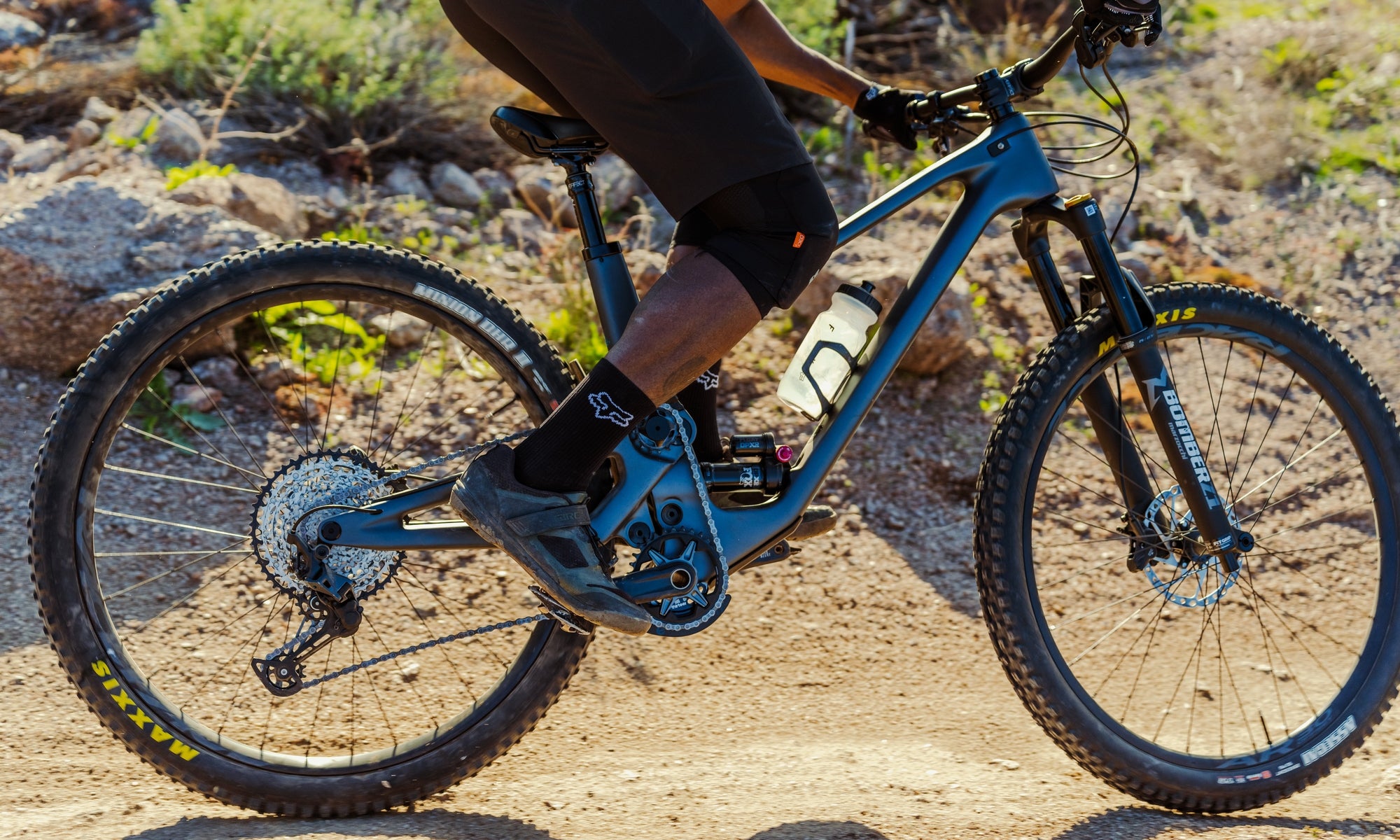
- Full suspension mountain bikes: 28–35 pounds (12.7–15.8 kg)
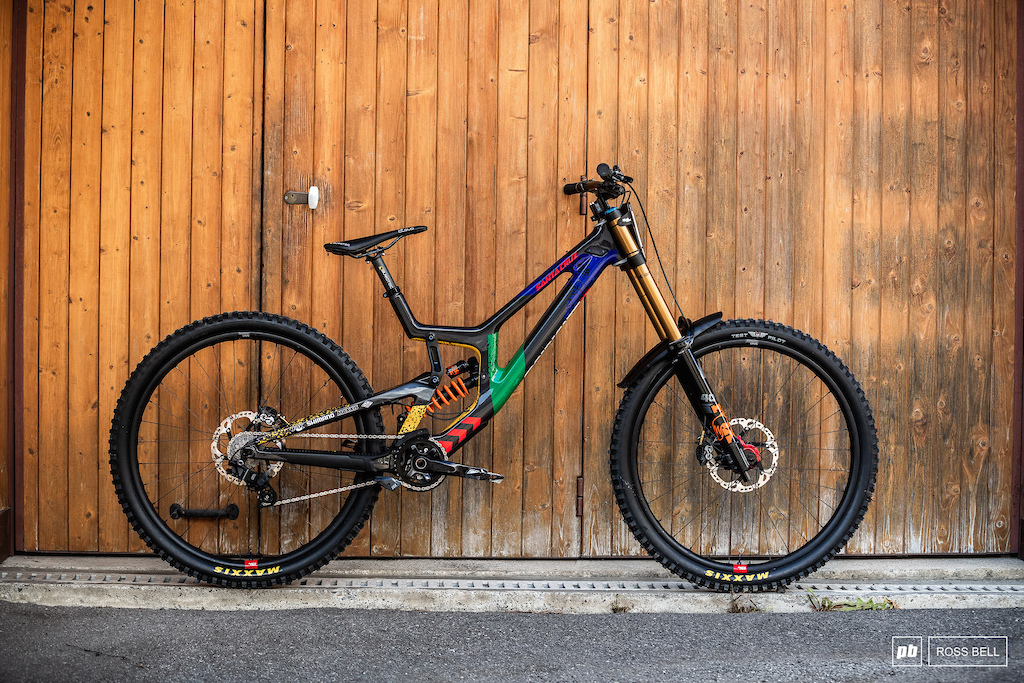
- Downhill bikes: 35–45 pounds (15.8–20.4 kg)
- Cross-country bikes: 20–28 pounds (9–12.7 kg)
- Fat bikes: 35–45 pounds (15.8–20.4 kg)
These numbers are averages. Some high-end bikes can be lighter, and some cheaper or older bikes may be heavier.
Weight Comparison Table
Below is a quick comparison of average weights for popular mountain bike types.
| Bike Type | Average Weight (lbs) | Average Weight (kg) |
|---|---|---|
| Hardtail | 24–30 | 10.8–13.6 |
| Full Suspension | 28–35 | 12.7–15.8 |
| Downhill | 35–45 | 15.8–20.4 |
| Cross-Country | 20–28 | 9–12.7 |
| Fat Bike | 35–45 | 15.8–20.4 |
Factors Affecting Mountain Bike Weight
Many elements affect how much a mountain bike weighs. Here are the most important:
Frame Material
The frame is the main part of the bike. Materials make a big difference:
- Aluminum: Most common. Light and strong. Average weight, good for beginners.
- Steel: Heavier but very tough. Used for durable bikes.
- Carbon Fiber: Lightest and stiffest. Used in high-end bikes.
- Titanium: Light and strong, but expensive. Rare in mountain bikes.
Suspension
Suspension adds comfort but also adds weight.
- Hardtail: Only front suspension. Lighter and simpler.
- Full Suspension: Front and rear suspension. Heavier but absorbs bumps better.
Wheel Size
Mountain bikes come with different wheel sizes:
- 26-inch: Older standard. Often lighter.
- 27.5-inch (650B): Good balance between weight and speed.
- 29-inch: Rolls over obstacles better but can add weight.
Components
Parts like the fork, drivetrain, brakes, and wheels can change the weight. High-end parts are often lighter.
Tires
Wide tires add weight but give more grip. Narrow tires are lighter and faster.
Accessories
Adding extras like bottle cages, lights, or racks increases the weight.
How Bike Weight Affects Riding Experience
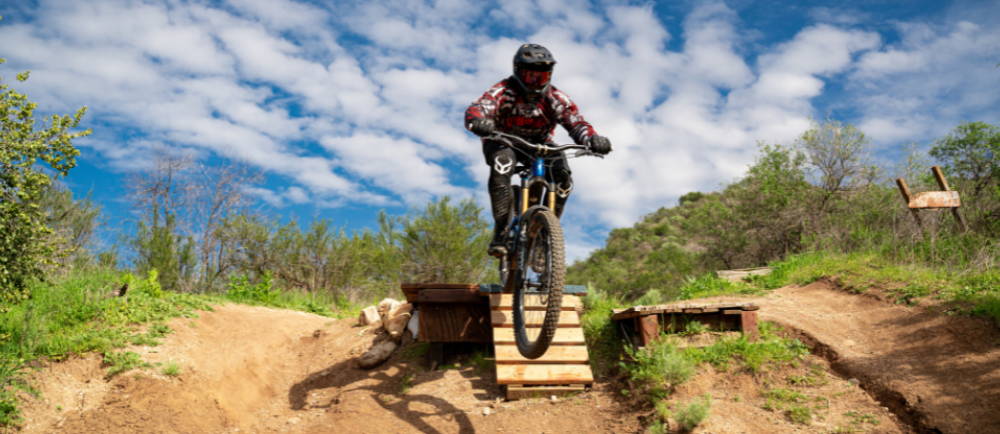
Bike weight changes how you feel on the trail. Here are some real-life effects:
- Climbing: Lighter bikes make climbing hills easier.
- Descending: Heavier bikes can feel more stable when going downhill.
- Cornering: Light bikes turn quickly, but heavy bikes may be more planted.
- Jumping: Lighter bikes are easier to lift off the ground.
- Carrying: If you need to lift your bike over logs or fences, lighter is better.
Non-obvious insight: Many riders worry about bike weight, but rider fitness and technique often matter more for speed and control than a few extra pounds on the bike.
Credit: upway.co
Ideal Mountain Bike Weight For Different Riders
What is the best weight for your mountain bike? It depends on your riding style, skill, and the terrain you choose.
Beginners
If you are new to mountain biking, look for a bike that is not too heavy or too light. Aim for 25–32 pounds (11–14.5 kg). This weight is comfortable, easy to handle, and not too expensive.
Trail Riders
Trail riders need a balance. Bikes between 28–35 pounds (12.7–15.8 kg) work well. These bikes can handle rough terrain but are not too heavy to climb.
Downhill Riders
Downhill bikes are heavier for a reason. They need to survive big jumps and hard landings. A weight of 35–45 pounds (15.8–20.4 kg) is common.
Cross-country Racers
Cross-country racers want light bikes for speed. Look for bikes 20–28 pounds (9–12.7 kg). But remember, very light bikes cost more and are less durable.
Fat Bike Riders
Fat bikes are heavier due to wide tires. Expect 35–45 pounds (15.8–20.4 kg). These bikes are good in snow or sand.
Pros And Cons Of Lightweight Vs Heavy Mountain Bikes
There are clear advantages and disadvantages to both lightweight and heavy bikes.
Lightweight Mountain Bikes
Pros:
- Easier to climb hills
- Faster acceleration
- Easier to carry
- Quick handling
Cons:
- More expensive
- Can be less durable
- May feel less stable
Heavy Mountain Bikes
Pros:
- Tougher and more durable
- Stable at high speeds
- Often less expensive
Cons:
- Harder to climb
- Slower acceleration
- More tiring to carry
Non-obvious insight: Many riders focus only on weight, but geometry and suspension setup can be just as important for comfort and performance.
Mountain Bike Weight And Rider Size
Your body size also affects what bike weight is best for you. Here’s what to consider:
- Light riders: A heavy bike may feel slow and hard to handle.
- Heavy riders: A very light bike may not be strong enough. Look for a bike that matches your weight.
- Height: Taller riders often need bigger bikes, which weigh more.
If you are small, aim for a lighter bike. If you are bigger, a slightly heavier bike is fine. Always make sure the bike feels comfortable and safe.
Rider Size And Bike Weight Table
Here’s a simple guide for matching rider weight to bike weight.
| Rider Weight (lbs) | Recommended Bike Weight (lbs) | Notes |
|---|---|---|
| Under 120 | 20–28 | Light bikes preferred |
| 120–180 | 25–35 | Balanced weight |
| 180–250 | 28–40 | Durable, heavier bikes |
How To Reduce Mountain Bike Weight
If your bike feels heavy, there are ways to make it lighter without spending too much. Here are practical steps:
- Swap tires: Lighter tires can save up to 1–2 pounds.
- Change wheels: High-quality wheels reduce weight and improve performance.
- Upgrade drivetrain: Lighter gears and cranks can help.
- Remove accessories: Take off racks, heavy lights, or other extras.
- Replace seatpost and saddle: Lighter seats can save grams.
- Carbon fiber parts: If possible, replace handlebars or forks with carbon fiber.
Don’t forget: Every change you make should not reduce safety or durability. Sometimes a small weight reduction costs a lot but gives little benefit.
Credit: www.pinkbike.com
Is Weight The Most Important Factor?
Many riders focus too much on weight. But mountain biking is about more than numbers. Here are other things to think about:
- Fit: A bike that fits your body is more comfortable and safer.
- Suspension: Good suspension makes rough trails easier.
- Geometry: The shape of the bike affects how it turns and climbs.
- Tires: The right tires give grip and control.
- Brakes: Powerful brakes are more important than saving a few grams.
Experienced riders know that a well-fitting bike with good components often beats a lighter bike with poor setup.
Real-world Examples
Let’s look at some real bikes to see how weight changes with type and price.
- Specialized Rockhopper (Hardtail): 28 pounds (12.7 kg), good for beginners, affordable.
- Trek Fuel EX (Full Suspension): 32 pounds (14.5 kg), popular trail bike, balance of weight and comfort.
- Santa Cruz Nomad (Downhill): 37 pounds (16.8 kg), tough and stable for big drops.
- Scott Scale RC (Cross-Country): 22 pounds (10 kg), lightweight, fast, expensive.
In races like the World Cup, elite cross-country bikes can weigh as little as 19 pounds (8. 6 kg), but they cost over $6,000. Most riders do not need bikes that light.
Credit: www.theproscloset.com
Mountain Bike Weight And Terrain
The right bike weight depends on where you ride. Here’s how terrain affects your choice:
- Smooth trails: Lighter bikes are best. Less rolling resistance and easier climbs.
- Rocky or technical trails: Slightly heavier bikes are more stable and durable.
- Downhill tracks: Heavy bikes with strong frames and big suspension are safest.
- Snow or sand: Fat bikes are heavy but necessary for grip.
Always match your bike weight to your main riding environment.
Comparing Mountain Bike Weight With Other Bikes
Mountain bikes are heavier than road bikes and BMX bikes. Here’s a simple comparison:
| Bike Type | Average Weight (lbs) | Purpose |
|---|---|---|
| Mountain Bike | 25–40 | Off-road, trails |
| Road Bike | 15–22 | Paved roads, speed |
| BMX Bike | 20–27 | Stunts, jumps |
| Hybrid Bike | 23–35 | Mix of road and trail |
As you can see, mountain bikes are heavier because they are built to handle rough ground, rocks, and jumps.
Common Mistakes When Choosing Bike Weight
Many riders make mistakes when picking a bike based only on weight. Here are some to avoid:
- Ignoring fit: A light bike that does not fit well is uncomfortable.
- Choosing extreme lightness: Very light bikes can be less durable and cost much more.
- Overlooking terrain: Your bike should match where you ride most.
- Not considering accessories: Extra gear adds weight.
- Focusing on weight, not skill: Improving your riding skill gives bigger gains than saving a pound.
If you avoid these mistakes, your mountain bike will suit you better.
Practical Tips For Choosing The Right Weight
Here are some easy tips to help you pick the right mountain bike weight:
- Test ride different bikes. See how they feel on real trails.
- Don’t worry about a pound or two. Comfort and handling matter more.
- Ask local riders about their bikes and weights.
- Make sure you can lift the bike easily.
- Think about the future. Will you add gear or ride rougher trails?
- If unsure, choose a mid-weight bike around 28–32 pounds.
Frequently Asked Questions
What Is The Average Weight Of A Mountain Bike?
Most mountain bikes weigh between 25 and 35 pounds (11–16 kg). Hardtail bikes are lighter, and full suspension or downhill bikes are heavier. The exact weight depends on frame material, components, and wheel size.
Is A Lighter Mountain Bike Always Better?
No. While lighter bikes are easier to climb and carry, they can be less durable and more expensive. The best bike is one that fits your body, riding style, and terrain. Sometimes a heavier bike is safer and more comfortable.
Does Bike Weight Affect Speed?
Yes, but not as much as you think. Bike weight affects acceleration and climbing more than flat speed. Other factors like tires, fit, and suspension have a bigger impact on overall speed.
Can I Make My Mountain Bike Lighter?
Yes. You can replace tires, wheels, seatposts, and handlebars with lighter parts. Removing accessories also helps. But be careful—some upgrades cost a lot and may not improve your riding much.
What Is The Best Mountain Bike Weight For Beginners?
For most beginners, a bike weighing 25–32 pounds (11–14.5 kg) is ideal. It offers a good balance of comfort, control, and price. Avoid extreme lightweight or heavy bikes unless you have special needs.
Mountain biking is about adventure, challenge, and fun. Choosing the right bike weight can help you enjoy the trails more and improve your skills. Remember, weight is just one part of the picture. Fit, comfort, and quality matter too. If you want to learn more about bike materials and performance, check out this Wikipedia article for deeper details.
The perfect mountain bike weight is the one that helps you ride confidently, comfortably, and safely—no matter where the trail takes you.

Hello Guys! I am John Reese, a professional biker and my hobby is biking! I have been biking for last 12 years and I love using bikes while outing as well. Based on my experiences with the different type of bikes (mountain bikes, road bikes and hybrid bikes); I am sharing my opinion about various bikes so that a beginner can get started right away. Happy reading!