
Mountain biking is more than just a sport—it’s a passion for many people. Whether you use your bike for weekend adventures or daily commutes, you may wonder, how many miles does a mountain bike last? This question is important for both new and experienced riders. Knowing the expected lifespan of your bike helps you plan repairs, upgrades, or even a new purchase.
The truth is, the answer is not simple. Mountain bikes face rough terrain, mud, rain, sun, and sometimes even crashes. All these factors affect how long your bike will last. But with the right information, you can get the most out of your investment and enjoy many miles of fun and safe riding.
This article explains what influences a mountain bike’s lifespan, how to spot signs of wear, what you can do to extend its life, and how different components compare. You will also find real-world examples, data tables, and answers to common questions.
If you care about your mountain bike, or you are planning to buy one, this guide will help you make smarter decisions.
What Determines The Lifespan Of A Mountain Bike?
Many people think of a mountain bike as a single unit, but it’s actually a collection of parts. Each part wears out at a different rate. The frame might last for decades, while chains and brake pads often need replacing after a single season.
The total miles a mountain bike lasts depends on:
- Quality of components: High-end bikes use stronger materials and better engineering. Cheaper bikes might not survive repeated hard use.
- Riding style: Aggressive riding over jumps, rocks, and roots causes more stress.
- Maintenance: Regular cleaning, lubrication, and tuning make a huge difference.
- Terrain: Rocky, muddy, or sandy trails wear out parts faster than smooth paths.
- Weight: Heavier riders and loaded bikes put more stress on frames and wheels.
- Climate: Wet or salty conditions cause faster rust and corrosion.
To give you a sense of the variation, many mountain bikes last between 10,000 and 20,000 miles on the original frame. However, some parts (like the drivetrain and brakes) require frequent replacement. With careful use and good maintenance, some riders have frames that last 20 years or more.
Average Lifespan Of Key Mountain Bike Parts
Let’s break down the typical mileage you can expect from each main part. Remember, these are averages—your results may vary.
| Component | Average Lifespan (Miles) | Notes |
|---|---|---|
| Frame (Aluminum/Steel) | 15,000–30,000+ | Can last decades with care |
| Frame (Carbon Fiber) | 10,000–20,000 | Light, but sensitive to impact |
| Suspension Fork | 3,000–7,000 | Needs regular servicing |
| Wheels | 8,000–15,000 | Rims may wear faster on rim brakes |
| Chain | 1,000–2,000 | Subject to mud and grit |
| Brake Pads | 500–1,500 | Depends on terrain and braking habits |
| Drivetrain (Cassette & Chainrings) | 2,000–5,000 | Replace chain regularly to extend life |
| Bearings (Hubs/Bottom Bracket) | 3,000–8,000 | Keep clean and lubricated |
| Cables and Housing | 2,000–4,000 | Check for rust and friction |
The frame is often the longest-lasting part. Other parts—like chains and brake pads—are “consumables” and need regular replacement to keep your bike safe and efficient.
Real-world Examples: How Long Do Mountain Bikes Last?
Let’s look at some stories from everyday riders. These examples show how different habits affect mileage:
- Beginner rider: Rides 20 miles each weekend, on smooth trails. After 5 years (about 5,000 miles), the bike still works well with only minor part changes.
- Active trail rider: Rides 50 miles per week, mixes smooth and rocky trails. After 3 years (about 7,500 miles), the original frame is fine, but chains and brake pads replaced many times. Suspension fork needed a rebuild.
- Competitive racer: Rides 100+ miles per week, pushes bike hard. Bike frame sees 10,000 miles in 2 years, but most drivetrain parts replaced yearly.
These stories show that mileage varies with use and care. If you maintain your bike and replace worn parts, you can easily reach 10,000–20,000 miles on the same frame.
Why Do Mountain Bikes Wear Out?
Mountain bikes face harsh conditions. Here are the main reasons they wear out:
- Vibration and impacts: Jumps, drops, and bumpy trails stress the frame and wheels.
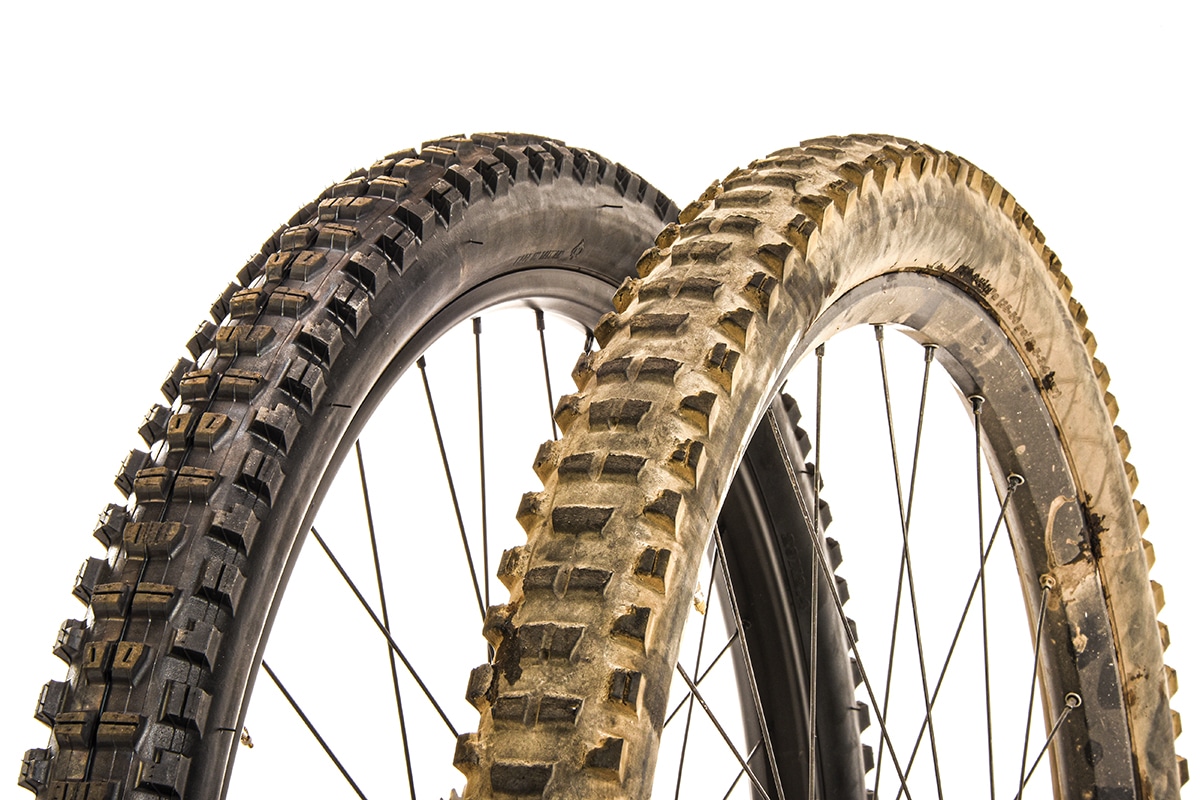
- Dirt and water: Mud, sand, and water get inside moving parts, causing faster wear.
- Chain stretch: Grit and force slowly stretch and wear the chain, which then wears the cassette and chainrings.
- Brake heat: Fast descents heat up brake pads and rotors, wearing them out.
- UV and weather: Sun, rain, and even sweat slowly degrade paint, seals, and rubber.
A key insight: Even if a bike looks fine, small cracks or hidden rust can form over time. Regular checks are important for safety.
Credit: mbaction.com
How To Make Your Mountain Bike Last Longer
You can do a lot to extend your bike’s lifespan. Here are practical steps:
- Clean after muddy rides: Use a gentle spray, soft brush, and bike-specific cleaner. Don’t use high-pressure water, which can force dirt into bearings.
- Lubricate the chain: After cleaning, apply a thin layer of bike chain lube. Wipe off extra—too much lube attracts more dirt.
- Check tire pressure: Low pressure can cause rim damage. Too high can make riding harsh.
- Inspect for cracks: Check the frame, fork, and wheels for cracks or dents, especially after hard rides or crashes.
- Service suspension: Most forks and shocks need oil changes every 50–100 hours. Skipping service causes expensive damage.
- Replace worn parts early: Don’t wait until the chain breaks. Replacing the chain on time saves the whole drivetrain.
- Store indoors: Keep your bike out of rain and sun. Moisture and UV light speed up wear.
One tip many riders miss: Keep a maintenance log. Write down when you replace parts or do major cleaning. This makes it easier to spot patterns and schedule future care.
Comparing Different Mountain Bike Types
Not all mountain bikes are the same. Here’s how different styles compare:
| Bike Type | Typical Use | Lifespan (Frame) | Comments |
|---|---|---|---|
| Cross-Country (XC) | Smoother trails, less impact | 20,000–30,000+ | Usually lasts longest |
| Trail/All-Mountain | Mixed terrain, moderate jumps | 15,000–25,000 | Needs more frequent suspension service |
| Enduro/Downhill | Steep, rough, big jumps | 10,000–20,000 | Frames and parts wear faster |
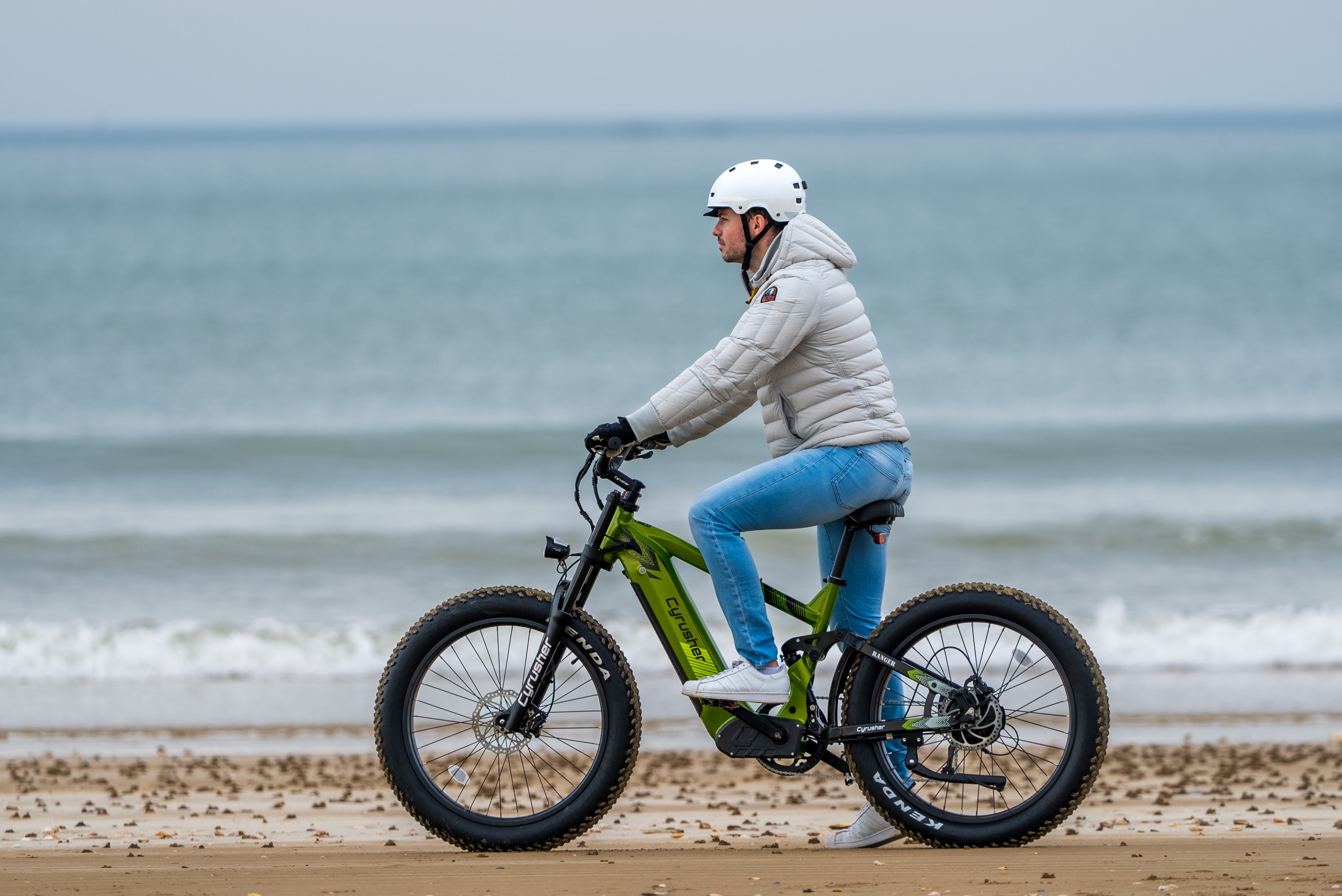
| Fat Bike | Sand, snow, soft ground | 15,000–25,000 | Less impact, but wider tires wear faster |
Cross-country bikes often last the longest because they face less stress. Downhill bikes suffer the most, but that’s expected due to the extreme terrain.
Signs That Your Mountain Bike Needs Replacement
Even the best bikes reach a point where replacement is safer or more cost-effective. Here’s what to watch for:
- Cracks in the frame or fork: Any visible crack, especially near welds or joints, is a safety risk.
- Severe rust or corrosion: Deep rust weakens steel frames or components.
- Worn-out suspension: If forks or shocks don’t hold air or oil, or the ride feels harsh, it may be time for a new bike.
- Frequent, expensive repairs: If you’re replacing expensive parts every few months, a new bike may be cheaper in the long run.
- Obsolete standards: Older bikes might not fit new wheels, brakes, or drivetrains, making upgrades hard or impossible.
A non-obvious sign: If your riding style changes (e.g., from casual to aggressive), your old bike may not be strong enough for new challenges.
How To Track Your Mountain Bike’s Mileage
Many riders lose track of how far they’ve ridden. Keeping a record helps with maintenance and resale value.
Ways to track mileage:
- Bike computer or GPS device: Mounts on your handlebar and records miles automatically.
- Smartphone apps: Apps like Strava, Komoot, and Ride with GPS are popular and free.
- Manual log: Write down miles after each ride. Simple, but effective.
Using this data, you’ll know when parts are due for replacement. For example, if your chain lasts 1,500 miles and you ride 60 miles a week, you’ll need a new chain every six months.
How Maintenance Affects Bike Longevity
Maintenance isn’t just about keeping your bike clean—it’s about preventing expensive damage. Here’s how good habits pay off:
- A well-lubed chain reduces wear on the cassette and chainrings.
- Regular brake checks prevent sudden failures.
- Suspension servicing prevents oil leaks and keeps the ride smooth.
- Bearing checks avoid “gritty” feeling hubs or bottom brackets.
Skipping maintenance can cut your bike’s lifespan in half. For example, a neglected chain can wear out the whole drivetrain in a season, while a well-cared-for system can last years.
Upgrading Vs. Replacing: Which Is Better?
At some point, you’ll wonder: Should I upgrade parts or buy a new bike?
Upgrade if:
- The frame is in good shape.
- You want better brakes, lighter wheels, or a new fork.
- You love your bike’s fit and feel.
Replace if:
- The frame is cracked or severely damaged.
- The bike uses old standards (e.g., 26″ wheels, rim brakes) that limit new parts.
- Repairs cost more than half the price of a new bike.
One mistake beginners make: Spending too much on upgrades for an old, heavy frame. Sometimes, saving for a new bike is the smarter choice.
How Mountain Bike Brands Affect Lifespan
Brand reputation matters. Companies like Trek, Specialized, Giant, and Santa Cruz have strong records for quality. Their bikes often last longer and have better support for spare parts.
But even the best brands are not immune to poor maintenance or rough use. A cheap bike well cared for can sometimes outlast a neglected high-end model.
Always check warranty policies. Some brands offer lifetime frame warranties—a sign they trust their product. For more details on specific brands and longevity, see this Wikipedia guide.
Environmental Impact: Why Longevity Matters
A longer-lasting bike is better for the environment. Making new bikes uses energy, metals, and plastics. By keeping your bike running for many years, you help reduce waste and resource use.
You can also recycle parts. Many bike shops accept old tires, tubes, and metal frames for recycling.
Credit: www.cyrusher.com
Common Mistakes That Shorten A Mountain Bike’s Life
- Ignoring cleaning: Mud and grit eat through chains and gears quickly.
- Over-tightening bolts: Leads to stripped threads or cracked frames.
- Using the wrong lube: Car oil or WD-40 can attract dirt or damage rubber seals.
- Skipping suspension service: Old oil and dirt ruin expensive forks and shocks.
- Storing outdoors: Sun, rain, and theft risk all shorten bike life.
A surprising tip: Don’t hang your bike by its wheels for long periods if it has hydraulic brakes. Air bubbles can move into the brake lines, causing spongy brakes.
Frequently Asked Questions
How Many Miles Can A Mountain Bike Frame Last?
Most modern mountain bike frames last between 15,000 and 30,000 miles with good care. Aluminum and steel frames often last longer than carbon fiber, especially if you avoid crashes. Regular checks for cracks and rust are important for safety.
When Should I Replace My Mountain Bike Chain?
Replace your chain every 1,000 to 2,000 miles, depending on riding conditions. If you ride in muddy, sandy, or wet areas, replace it sooner. Use a chain checker tool to measure stretch—changing the chain early saves money by protecting your cassette and chainrings.
Is It Better To Upgrade Parts Or Buy A New Mountain Bike?
Upgrade parts if your frame is in good shape and you want better performance. Buy a new bike if the frame is damaged, repairs are very expensive, or if your bike uses old parts that are hard to replace. Always compare upgrade costs to the price of a new model.
How Do I Know If My Mountain Bike Is Worn Out?
Look for cracks in the frame, constant breakdowns, or repairs that cost more than half the price of a new bike. Other signs include worn-out suspension, heavy rust, or parts that no longer fit current standards. Safety should always come first.
Does Riding Style Affect How Long My Mountain Bike Lasts?
Yes. Aggressive riding over rocky or technical trails wears out bikes much faster than gentle rides on smooth paths. Downhill and enduro riders often replace bikes and parts more often than cross-country riders.
Taking care of your mountain bike means it can last many years and thousands of miles. With smart maintenance, careful upgrades, and honest assessment of wear, you’ll get the best value and most fun from your rides.
Credit: emountainbikekings.com

Hello Guys! I am John Reese, a professional biker and my hobby is biking! I have been biking for last 12 years and I love using bikes while outing as well. Based on my experiences with the different type of bikes (mountain bikes, road bikes and hybrid bikes); I am sharing my opinion about various bikes so that a beginner can get started right away. Happy reading!