
Mountain biking is all about adventure, adrenaline, and exploring rough trails. But if you’ve ever found yourself hiking your bike back to the trailhead after a flat, you know how much your mountain bike tires matter. It’s easy to forget about tires until there’s a problem. Yet, knowing how many miles your mountain bike tires last can help you plan better, save money, and most importantly—stay safe. In this article, we’ll look at what affects the lifespan of mountain bike tires, how to spot wear, and ways to make your tires last longer. Whether you’re a weekend rider or a dedicated trail crusher, you’ll find practical insights here.
What Determines Mountain Bike Tire Lifespan?
Mountain bike tires don’t have a fixed expiration date. Their lifespan depends on several factors. Most riders see somewhere between 1,000 and 3,000 miles from a set of quality tires. But why do some tires wear out in a single season, while others keep rolling for years? Let’s break down the main factors.
1. Terrain And Riding Style
The surface you ride on is the biggest factor in tire wear. Riding on rocky, technical trails shreds rubber much faster than rolling on smooth dirt or packed sand. Trails with sharp roots, loose gravel, or jagged rocks can eat through soft tire compounds quickly.
Your riding style also matters. Aggressive riders who brake hard, corner fast, or love to skid often see accelerated wear. On the other hand, smooth riders who roll over obstacles and avoid harsh braking can get more miles from their tires.
2. Tire Compound And Tread Design
Not all mountain bike tires are created equal. Softer rubber compounds provide better grip but wear out quicker—sometimes in as little as 800 miles. Harder compounds, often used on the rear tire, can last over 2,500 miles but might not grip as well in tricky conditions.
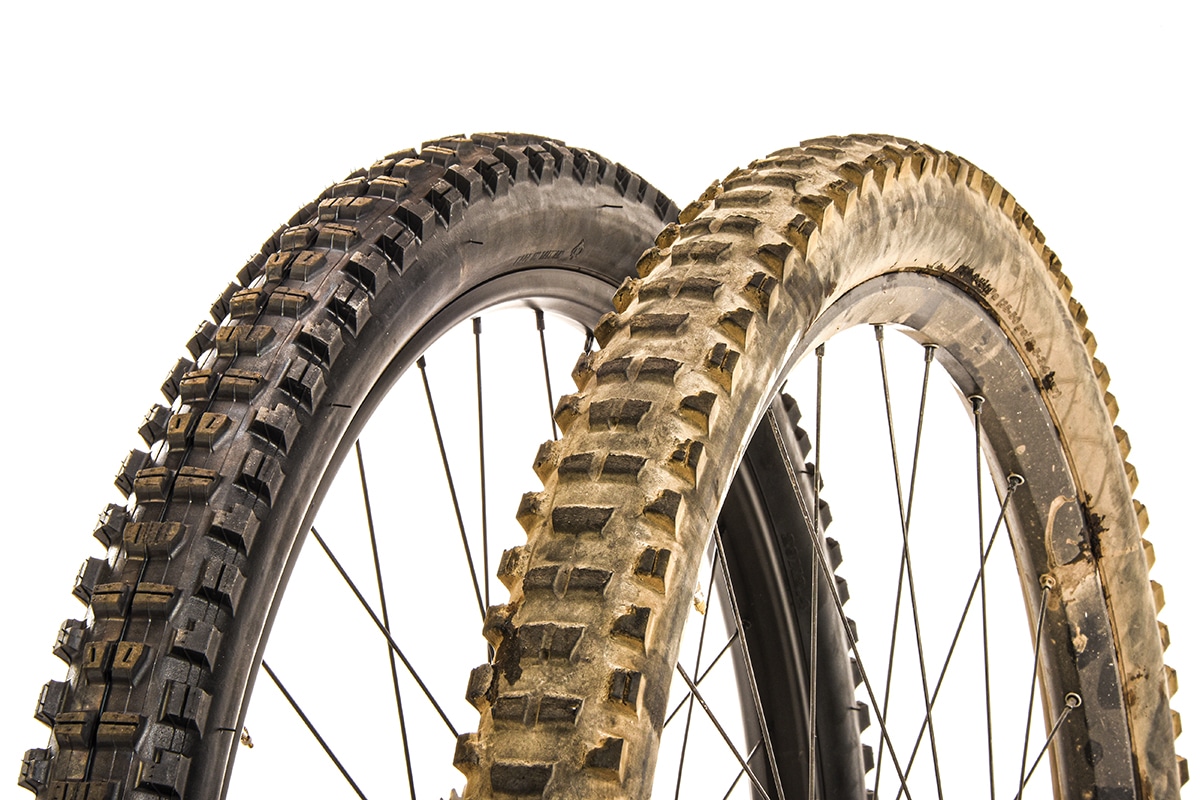
Tread design plays a role, too. Tires with large, widely spaced knobs (good for mud and loose terrain) tend to wear faster than those with smaller, tighter tread patterns (better for hardpack).
3. Tire Pressure And Maintenance
Riding with the right tire pressure helps prevent pinch flats and rim damage, but it also affects wear. Underinflated tires flex more and can wear unevenly, while overinflated tires may lose grip and wear faster in the center.
Regular maintenance, like checking for cuts, cleaning your tires after muddy rides, and rotating front and rear tires, can extend their life.
4. Rider Weight And Bike Setup
Heavier riders, or those carrying extra gear, put more pressure on tires, shortening their lifespan. Suspension setup also matters. If your suspension is too stiff, your tires absorb more impact, leading to quicker wear.
Typical Mileage Expectations
How many miles can you expect from your mountain bike tires? While there’s no single answer, most riders fall within a certain range. Here’s what you can generally expect:
| Tire Type | Expected Lifespan (Miles) | Best Use |
|---|---|---|
| Cross-country (XC) | 2,000–3,000 | Smooth trails, light terrain |
| Trail/All-Mountain | 1,000–2,500 | Mixed terrain, moderate roots/rocks |
| Enduro/Downhill | 800–1,500 | Rough, technical, rocky trails |
| Fat Bike | 1,500–3,000 | Snow, sand, soft surfaces |
This table offers a general guideline. Some riders get more, some less. The actual number can swing depending on the factors above.
Signs Your Mountain Bike Tires Need Replacing
You don’t always have to count miles to know when your tires are done. Here are the main signs to watch for:
- Worn Tread: When the knobs in the center or sides are almost flat, traction drops. If you see bald spots, it’s time for new tires.
- Cracks or Cuts: Rubber dries out over time. Cracks, especially on the sidewalls, can lead to blowouts.
- Frequent Flats: More punctures than usual often mean the tire casing is thin or damaged.
- Bulges or Deformities: Any lump or wobble in the tire shows internal damage. This is dangerous and requires immediate replacement.
- Deteriorating Rubber: If the tire feels unusually soft or sticky, or if bits of rubber flake off, the compound is breaking down.
A practical tip: Front tires often last longer than rear ones. If your front is still in good shape but the rear is worn, consider swapping them to maximize value.
Why Rear Tires Wear Faster
Many riders notice that their rear tire wears out long before the front. This isn’t just luck. The rear tire:
- Handles most of the bike’s weight (especially during climbs)
- Delivers power to the ground
- Absorbs more skids and braking force
For these reasons, rear tires usually last half as long as front tires. Some riders double the life of their tire set by rotating them before the rear is too worn.
Tire Lifespan: Real-world Examples
Let’s look at some real rider experiences:
- A 180-pound rider, mostly on rocky New England trails, reported burning through a soft-compound enduro rear tire in just 900 miles.
- A lightweight cross-country racer, riding mainly on smooth hardpack, got over 3,000 miles from a set of XC tires.
- Riders who split their time between pavement and trail often see longer tire life, since road riding is less abrasive.
Non-obvious insight: Tire life also depends on how often you ride in wet or muddy conditions. Mud can carry grit that acts like sandpaper, grinding away rubber, especially if you don’t clean your tires after rides.
How To Make Mountain Bike Tires Last Longer
Tire replacement isn’t cheap. Here’s how to stretch your investment:
1. Choose The Right Tire For Your Terrain
A tire designed for muddy trails won’t last long on dry, rocky ground. Match your tire choice to your usual riding conditions.
2. Monitor Tire Pressure Regularly
Check pressure before every ride. Most mountain bike tires work best between 22–35 psi, but always follow the manufacturer’s guidelines. Use a quality gauge for accuracy.
3. Rotate Tires When Possible
If your front tire is in better condition, swap it to the rear before it’s too worn. This practice can extend the life of both tires.
4. Keep Tires Clean
After muddy or sandy rides, rinse tires with water to remove debris. Letting mud dry and harden can lead to faster tread wear.
5. Avoid Skidding
Skidding not only damages trails but also tears tire knobs. Practice controlled braking to preserve your rubber.
6. Store Your Bike Properly
Keep your bike indoors or out of direct sunlight. UV rays can dry out and crack tire rubber over time.
7. Check For Embedded Objects
After rides, inspect tires for glass, thorns, or sharp stones. Removing them quickly can prevent punctures and further damage.
Extra insight: Some riders use tire liners or go tubeless with sealant to reduce flats and extend tire life. While these solutions don’t stop tread wear, they can keep a worn tire rolling a bit longer in emergencies.
Comparing Mountain Bike Tire Brands And Models
Different brands and models have different lifespans, even under similar use. Here’s a comparison of popular mountain bike tire brands and their average mileage based on rider reports:
| Brand/Model | Average Mileage (Rear) | Average Mileage (Front) | Compound |
|---|---|---|---|
| Maxxis Minion DHR II (EXO/TR) | 1,200 | 2,200 | Medium/Soft |
| Schwalbe Nobby Nic (Addix Speedgrip) | 1,800 | 2,800 | Medium |
| Continental Trail King | 2,000 | 3,000 | Hard |
| Specialized Ground Control | 2,300 | 3,200 | Medium |
| WTB Vigilante TCS | 1,600 | 2,400 | Soft |
These figures vary depending on rider weight, style, and terrain. But it’s clear that some brands and compounds offer longer life than others.
When To Replace: Measuring Tread Depth
You don’t need special tools to know when your tires are worn out, but measuring tread depth can help. Most mountain bike tires start with a tread depth between 3–7 millimeters. When the center knobs are less than 1 millimeter tall, it’s time to replace.
Here’s a practical way to check:
- Use a ruler or small gauge to measure the height of the center tread.
- Compare to a new tire (or manufacturer spec).
- If the tread is less than 1 mm, or visibly rounded and bald, your tire is at the end of its life.
Some tires also have wear indicators—small holes or lines in the tread. When these disappear, the tire is worn.

Credit: www.reddit.com
Tubeless Vs. Tubed Tire Lifespan
Many modern mountain bikers use tubeless tires. Does this change lifespan? Not much for tread wear, but tubeless tires:
- Suffer fewer pinch flats and small punctures (thanks to sealant)
- May last a little longer since they handle lower pressures better
- Still wear out at the same rate if the tread is gone
If you ride with tubes, you might replace tires a bit sooner due to increased risk of flats.
The Impact Of Rider Skill
A less obvious factor in tire life is rider skill. Experienced riders often “float” over obstacles, pick smoother lines, and avoid locking up their brakes. This style reduces wear, especially on technical trails. Beginners may burn through tires faster as they learn—skidding, hitting sharp rocks, or riding with poor pressure.
If you’re new to mountain biking, expect to replace your first set of tires sooner. As your technique improves, tire life usually increases.
Credit: mbaction.com
Cost Vs. Mileage: Is Expensive Worth It?
Higher-priced tires often use advanced rubber compounds and stronger casings. They can provide better grip, more puncture protection, and sometimes a longer lifespan. However, “expensive” doesn’t always mean “long-lasting.”
For example:
- A $90 soft-compound tire might wear out in 900 miles but give unbeatable grip in wet conditions.
- A $50 hard-compound tire could last 2,500 miles but feel less secure on roots and rocks.
It’s important to match tire choice to your needs, not just price. If you ride in dry, hard conditions, a harder compound tire offers the best value. If you race or ride in challenging terrain, performance may matter more than mileage.
How Tire Width And Size Affect Lifespan
Wider tires, like 2. 6” or 2. 8”, spread your weight over a larger area. This can reduce wear slightly, especially for heavier riders. But wider tires are also heavier and might pick up more cuts from sharp rocks.
Narrower tires (like 2. 1”–2. 3”) are lighter and roll faster, but can wear faster if overinflated or used in rough terrain.
It’s a balance. Choose the width that matches your riding style and trails, not just what’s trendy.
Environmental Factors: Heat, Sun, And Storage
Tire rubber ages, even if you don’t ride often. Heat and sun exposure can dry out rubber, leading to cracks and reduced grip. Storing your bike in a cool, dry place (preferably indoors) can add months, even years, to tire life.
Tip: If your tires are more than 5 years old—even if they look unworn—inspect them for cracks before riding. Old rubber can fail unexpectedly.
Comparing Tire Lifespan To Other Bike Parts
How does tire wear compare to other mountain bike components? Here’s a quick look:
| Component | Typical Replacement Interval (Miles) |
|---|---|
| Chain | 1,500–2,500 |
| Brake Pads | 1,000–2,000 |
| Cassette | 3,000–5,000 |
| Mountain Bike Tires | 1,000–3,000 |
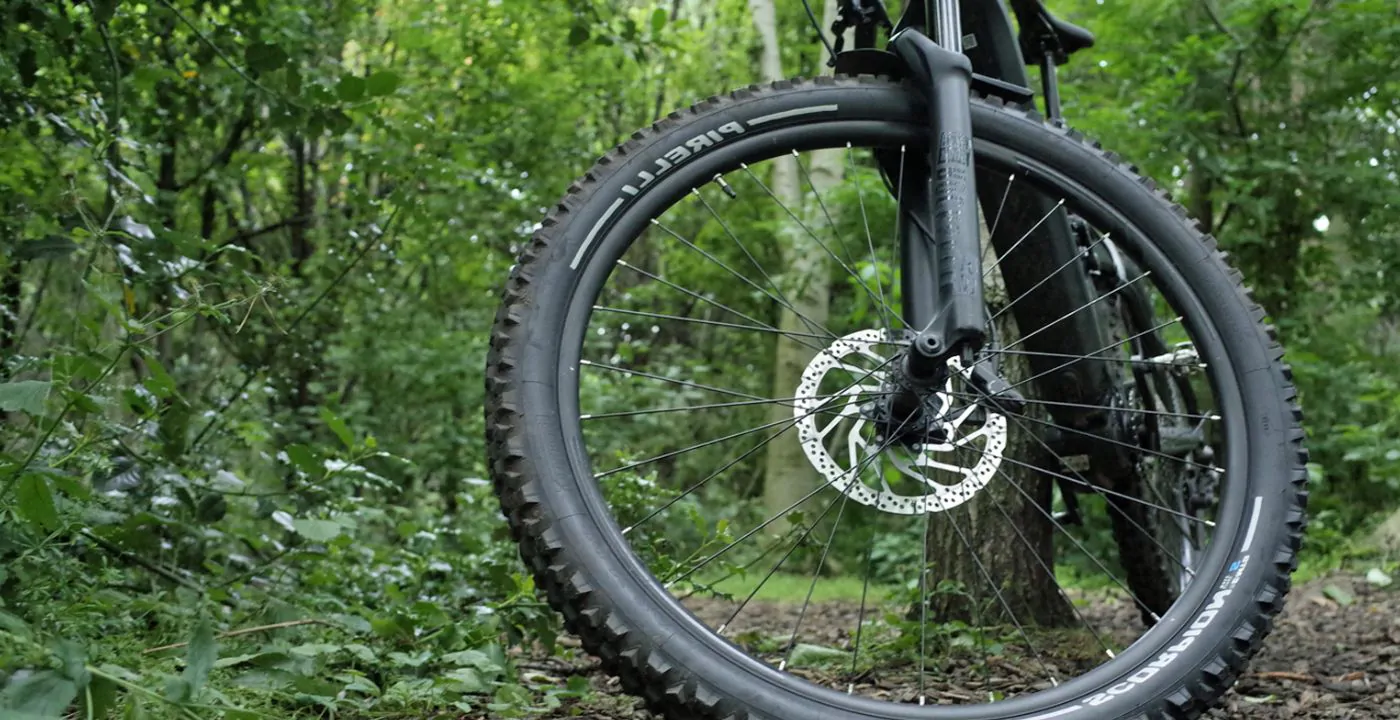
Tires are among the most frequently replaced parts on a mountain bike—especially if you ride technical trails.
Credit: emountainbikekings.com
Common Mistakes That Shorten Tire Life
Many riders unknowingly reduce their tire lifespan. Here are the most common mistakes:
- Riding with incorrect pressure (too low or too high)
- Ignoring embedded debris after rides
- Storing bikes in direct sunlight or damp garages
- Failing to clean off mud and grit
- Using tires meant for a different terrain (e.g., mud tires on rock gardens)
- Overloading the bike with gear, increasing pressure on tires
Avoiding these mistakes can add hundreds of miles to your tire’s life.
Should You Trust Mileage Claims From Manufacturers?
Tire makers often suggest mileage ranges, but these are based on ideal lab conditions. Real-world mileage is usually less, especially on tough trails. Use manufacturer claims as a rough guide, but rely on your own observation and maintenance habits.
Pro tip: Keep a simple log of your rides and tire changes. You’ll quickly learn how long your tires last and can plan replacements better.
The Bottom Line
So, how many miles do mountain bike tires last? For most riders, expect 1,000 to 3,000 miles from a set, with rear tires wearing out faster. Factors like terrain, tire compound, rider weight, and maintenance habits all play a role. By choosing the right tires, riding smart, and taking care of your equipment, you can maximize your investment and stay safe on the trails.
If you want more detailed data on mountain bike tires and their performance, visit the official Wikipedia page on bicycle tires.
Frequently Asked Questions
How Do I Know When My Mountain Bike Tires Need Replacing?
Look for worn tread, cracks, frequent flats, or bulges. If the center knobs are nearly flat or less than 1 mm tall, it’s time to replace.
Do Front And Rear Tires Wear At The Same Rate?
No, rear tires wear out faster because they handle most of the weight and power. Expect to replace rear tires about twice as often as front ones.
Can I Use Road Tires On My Mountain Bike To Get More Miles?
Road tires last longer on pavement but are not safe for off-road use. Always use mountain bike-specific tires for trail riding.
Is It Worth Buying Expensive Tires For Longer Life?
Not always. Expensive tires may offer better grip or puncture protection but don’t always last longer. Choose tires that match your riding style and terrain.
Will Riding Tubeless Make My Tires Last Longer?
Tubeless setups reduce flats and allow lower pressures, but tread wear happens at the same rate. Tubeless may help you get the full life out of your tires by preventing early damage.
Mountain bike tire life isn’t just a number—it’s about safety, performance, and confidence on the trail. With the right knowledge, you can ride farther and enjoy every mile.

Hello Guys! I am John Reese, a professional biker and my hobby is biking! I have been biking for last 12 years and I love using bikes while outing as well. Based on my experiences with the different type of bikes (mountain bikes, road bikes and hybrid bikes); I am sharing my opinion about various bikes so that a beginner can get started right away. Happy reading!