
Buying a full suspension mountain bike is a big investment. Whether you’re a beginner or a seasoned rider, the price can feel confusing. There are bikes for a few hundred dollars, and others that cost more than a used car.
Why is there such a huge range? What do you really get for your money? And how do you know if a bike is worth the price?
Let’s explore the real costs behind full suspension mountain bikes. We’ll break down price ranges, show what matters most, and help you understand what you’re paying for—so you can make a smart, confident choice.
What Is A Full Suspension Mountain Bike?
A full suspension mountain bike has both front and rear suspension. The front suspension is in the fork, and the rear is in the frame. This design absorbs bumps and shocks, making rough trails feel smoother and safer. Compared to hardtail bikes (which have only front suspension), full suspension models are better for rough terrain, downhill rides, and technical trails. They are usually heavier and more complex, but offer greater comfort and control.
Price Ranges For Full Suspension Mountain Bikes
If you search online or visit a bike shop, you’ll see huge price differences. Let’s look at the main price categories:
| Price Range | Typical Features | Who It’s For |
|---|---|---|
| $800–$1,500 | Entry-level components, heavier frame, basic suspension | Beginners, casual riders |
| $1,500–$3,000 | Better suspension, lighter materials, improved brakes and drivetrain | Regular riders, intermediate level |
| $3,000–$6,000 | High-quality suspension, carbon frame, advanced drivetrain, lighter weight | Experienced riders, enthusiasts |
| $6,000+ | Top-tier suspension, premium frame, electronic shifting, custom parts | Professional racers, extreme enthusiasts |
Most people buy bikes in the $1,500–$3,000 range. This is where you get solid quality without paying for pro-level features you may not need.
What Drives The Cost?
The price of a full suspension mountain bike depends on several factors:
1. Frame Material
Most entry bikes use aluminum, which is strong and affordable. High-end bikes use carbon fiber, which is lighter and absorbs shocks better—but costs much more.
2. Suspension Quality
Cheaper bikes use basic shocks that aren’t adjustable. Mid-range and high-end models have air shocks with adjustable settings, letting you customize for your weight and riding style.
3. Drivetrain And Brakes
Entry bikes have simple gear systems, often 1×8 or 1×9 setups. Higher prices bring wide-range drivetrains (1×12), faster shifting, and hydraulic disc brakes for better stopping power.
4. Wheelset And Tires
Expensive bikes have lighter, stronger wheels and high-performance tires. This affects speed, grip, and durability.
5. Brand Reputation
Big brands charge more because they use better designs, testing, and support.
6. Technology Features
Some bikes offer electronic shifting, dropper seatposts, and other extras that push up the price.
A beginner might miss how much these parts affect the ride. For example, a high-quality shock makes downhill trails safer and smoother, while a carbon frame saves several pounds—so long climbs are easier.
Entry-level Full Suspension Mountain Bikes ($800–$1,500)
These bikes are for beginners or those on a budget. They’re heavier and have basic parts, but still offer the comfort of full suspension. You’ll find aluminum frames, coil spring shocks, and simple drivetrains.
- Example: Giant Stance 29 ($1,500)
- Frame: Aluminum
- Suspension: SR Suntour, coil shock
- Drivetrain: Shimano 1×9
- Brakes: Hydraulic disc
- Weight: About 32 lbs
While these bikes work well for easy trails and learning, they are not built for aggressive riding or big jumps. The suspension is often less adjustable, and the bike may feel sluggish on climbs. Still, they are a good starting point if you want comfort but don’t plan to race.
Mid-range Full Suspension Mountain Bikes ($1,500–$3,000)
Most riders end up here. These bikes use better shocks, lighter frames, and improved drivetrains. You’ll find air suspension (lighter and easier to adjust), 1×12 gear setups, and sometimes dropper posts.
- Example: Trek Fuel EX 5 ($2,500)
- Frame: Aluminum
- Suspension: RockShox air fork and shock
- Drivetrain: Shimano Deore 1×12
- Brakes: Hydraulic disc
- Weight: About 30 lbs
These bikes are strong enough for rough trails and small jumps. You’ll notice the lighter weight and smoother ride, especially compared to entry bikes. Many riders keep these bikes for years, upgrading parts as needed.
High-end Full Suspension Mountain Bikes ($3,000–$6,000)
If you ride often and want the best, this is your range. Here, you’ll see carbon frames, top-notch suspension (Fox or RockShox), advanced gear systems, and lighter wheels.
- Example: Specialized Stumpjumper Comp Carbon ($4,400)
- Frame: Carbon fiber
- Suspension: Fox Float air fork and shock
- Drivetrain: SRAM GX Eagle 1×12
- Brakes: SRAM hydraulic disc
- Weight: About 27 lbs
These bikes are lighter, faster, and more responsive. They handle rough terrain easily, and the suspension can be tuned for different trails. If you ride technical trails, race, or want the best experience, this is where the extra money pays off.
Professional And Custom Full Suspension Mountain Bikes ($6,000+)
At this level, bikes are built for pro racers or extreme enthusiasts. You’ll see electronic shifting, custom frames, and top-tier components. Some brands offer custom paint, geometry, and even personalized suspension tuning.
- Example: Santa Cruz Megatower XX1 AXS ($11,000)
- Frame: Carbon fiber, custom geometry
- Suspension: RockShox Super Deluxe Ultimate, adjustable
- Drivetrain: SRAM XX1 Eagle AXS electronic
- Brakes: SRAM Code RSC
- Weight: About 25 lbs
These bikes are overkill for most riders. You’re paying for the best technology, lightest materials, and pro-level performance. Unless you race at a high level, it’s hard to justify the cost.
Comparing Full Suspension Mountain Bike Features By Price
To make things clearer, here’s a quick comparison:
| Feature | Entry ($800–$1,500) | Mid ($1,500–$3,000) | High ($3,000–$6,000) | Pro ($6,000+) |
|---|---|---|---|---|
| Frame | Aluminum | Aluminum/Carbon | Carbon fiber | Custom carbon |
| Suspension | Coil, basic | Air, adjustable | Top-tier air, tunable | Custom, pro-level |
| Drivetrain | 1×9/1×10 | 1×12 | 1×12, advanced | Electronic 1×12 |
| Brakes | Hydraulic disc | Hydraulic disc | High-end hydraulic | Custom hydraulic |
| Weight | 32+ lbs | 30–32 lbs | 27–30 lbs | 25–27 lbs |
| Extras | None | Dropper post | Dropper, tubeless, advanced tires | Custom paint, geometry |
Brand Differences And Pricing
Some brands are known for high quality and innovation. This affects price, even for similar bikes:
- Trek, Specialized, Giant: Wide range, good support, reliable designs
- Santa Cruz, Yeti, Pivot: High-end, focus on carbon frames, often pricier
- Canyon, Commencal: Direct-to-consumer, lower prices for similar specs
A non-obvious insight: Sometimes, a lesser-known brand offers the same features as a big brand for less money. If you check reviews and specs, you can save hundreds of dollars without giving up quality.
Used Full Suspension Mountain Bikes
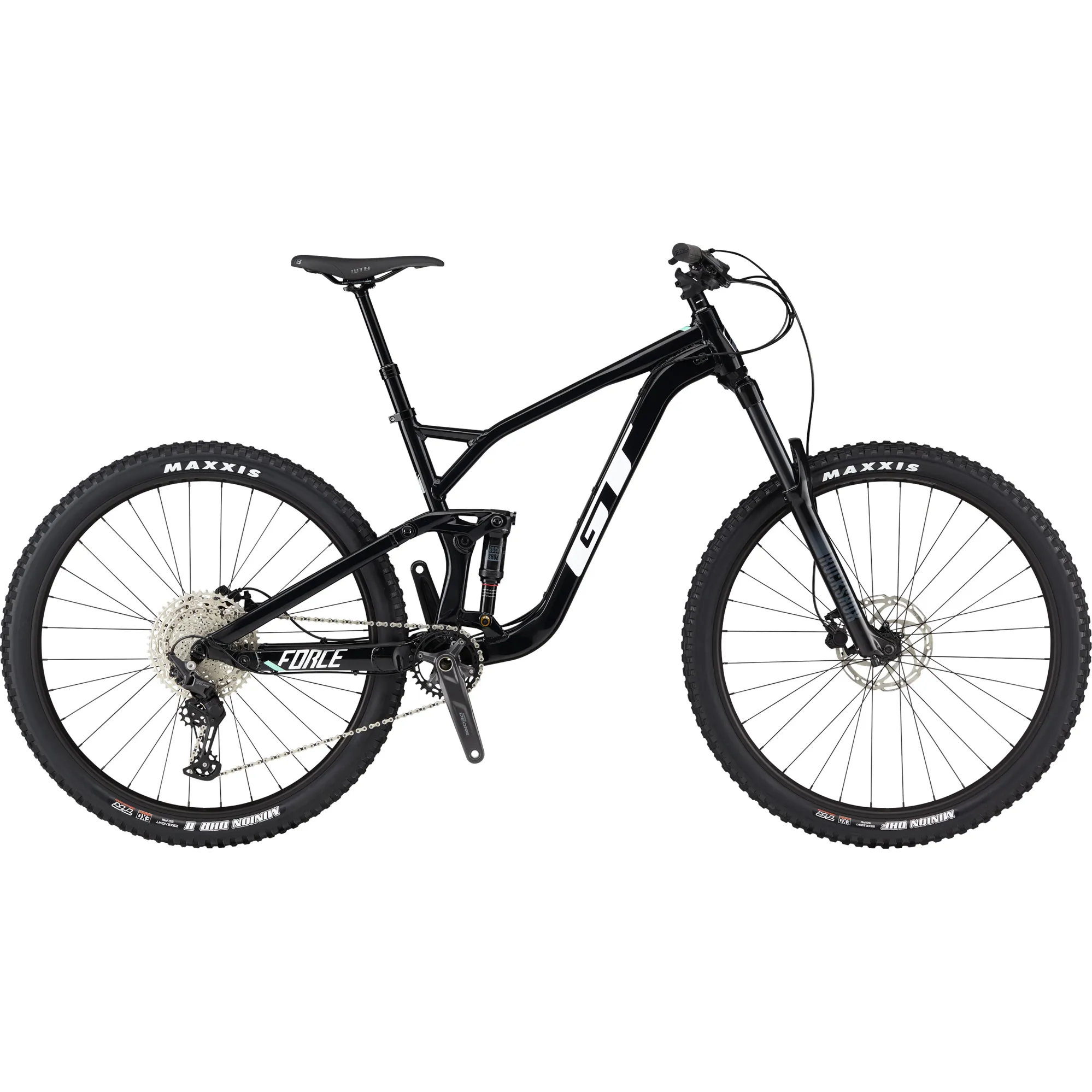
Buying used can save you 30–50% compared to new bikes. For example, a $3,000 bike often sells for $1,500–$2,000 after two years. However, used bikes may need new parts or repairs, so always check:
- Suspension for leaks or damage
- Frame for cracks
- Drivetrain and brakes for wear
- Wheels for dents
Many local shops sell certified used bikes, which include safety checks. Online sites like Pinkbike and eBay have lots of options, but always ask for detailed photos and maintenance history.
Credit: www.paulscycles.co.uk
Additional Costs To Consider
The bike is just part of the cost. You’ll need other gear to ride safely and comfortably:
- Helmet: $50–$200 (essential for safety)
- Pedals: Many bikes come without pedals; add $50–$150 for quality ones
- Shoes: $80–$200 for mountain bike shoes
- Protective gear: Knee/elbow pads ($40–$100)
- Maintenance: $150–$300 per year for parts and service
- Upgrades: Many riders upgrade grips, tires, or saddle over time ($20–$100 per item)
A common mistake is forgetting these costs. If your budget is $2,000, remember to set aside $200–$500 for gear and maintenance.
Key Factors When Choosing A Full Suspension Mountain Bike
Understanding what matters most can help you avoid spending too much or too little. Here are the main things to consider:
1. Type Of Riding
- Trail: Most bikes are designed for general trails. Look for balanced suspension and moderate weight.
- Enduro: For aggressive riding and big jumps. Choose longer travel suspension and strong frames.
- Cross-country (XC): Lighter bikes with less suspension travel for speed and climbing.
- Downhill: Heavy bikes, maximum suspension, best for steep descents.
If you aren’t sure, a trail bike is the safest choice.
2. Suspension Travel
Measured in millimeters (mm), this tells you how much the bike absorbs. Typical ranges:
- XC: 100–120mm
- Trail: 120–150mm
- Enduro: 150–180mm
- Downhill: 180–220mm
More travel means more comfort and control on rough trails, but adds weight.
3. Frame Size And Fit
A bike must fit your height and riding style. Most brands offer size charts, but it’s best to test the bike if possible. Too small or too large makes riding uncomfortable and unsafe.
4. Weight
Lighter bikes climb easier and feel quicker. Heavier bikes are stronger but can be tiring. For most riders, 27–32 lbs is a good range.
5. Wheel Size
Most bikes use 27.5” or 29” wheels. 29” wheels roll over obstacles easier and are faster, while 27.5” are more playful and agile.
6. Component Quality
Higher-priced bikes have more reliable parts. This means less maintenance, better shifting, and safer braking. Look for brands like Shimano, SRAM, Fox, and RockShox.

Credit: bikes.com
How To Decide Your Budget
Many riders wonder, “How much should I spend?” Here’s a simple guide:
| Budget | Ideal For | What You Get |
|---|---|---|
| $800–$1,500 | Learning, casual rides | Entry-level comfort, basic suspension |
| $1,500–$3,000 | Regular trail riding | Better components, lighter frame, adjustable suspension |
| $3,000–$6,000 | Frequent riding, technical trails | High-end parts, carbon frame, advanced performance |
| $6,000+ | Racing, pro level | Best technology, custom build |
Set your budget based on how often you ride, what terrain you use, and how important performance is for you. If you’re unsure, start with a mid-range bike; it’s easy to upgrade parts later.
Common Mistakes When Buying
Many beginners make these errors:
- Ignoring frame size: Always check the size chart and test the bike if possible.
- Buying the cheapest bike: Entry bikes are tempting, but may not last or feel good on tougher trails.
- Overpaying for pro features: Unless you race, you don’t need electronic shifting or custom geometry.
- Skipping maintenance: A neglected bike breaks down quickly, costing more in repairs.
- Not budgeting for gear: Remember helmet, pedals, and protective gear.
A non-obvious insight: The resale value of mid-range bikes is often higher. If you decide to upgrade later, you’ll recover more of your investment.
Where To Buy Full Suspension Mountain Bikes
There are three main options:
- Local bike shops: Good for advice, fitting, and support. Prices may be higher, but you get expert help.
- Online retailers: Larger selection and often better prices. Examples include Jenson USA, Competitive Cyclist, and Chain Reaction Cycles.
- Direct-to-consumer brands: Companies like Canyon and Commencal sell bikes online, cutting out the middleman. You get more features for your money, but must handle assembly and setup.
If you buy online, make sure to check shipping fees, assembly requirements, and warranty.
Value Vs. Price: What Is “worth It”?
A higher price doesn’t always mean better value. Here’s how to judge:
- Test ride if possible: Feeling comfortable is more important than specs.
- Check reviews: Look for feedback from real riders, not just marketing.
- Compare specs: Use comparison tables to see if a cheaper bike offers the same features.
- Consider upgrades: Sometimes, buying a mid-range bike and upgrading parts later is smarter.
A useful tip: If you plan to ride often and want to avoid problems, spending $2,000–$3,000 is usually the best value. Entry bikes save money but may need upgrades or repairs sooner.
How Much Do Mountain Bike Parts Cost?
Sometimes you want to upgrade or replace parts. Here’s a guide:
- Suspension fork: $200–$800 (higher for top models)
- Rear shock: $150–$600
- Drivetrain: $150–$600 for 1×12 setups
- Brakes: $100–$300 for hydraulic disc
- Wheelset: $300–$1,000
- Dropper post: $100–$300
Upgrading can boost performance and comfort, but sometimes it’s smarter to buy a better bike from the start.
The Real Cost Of Ownership
When you add up purchase, gear, upgrades, and maintenance, here’s what a typical 3-year ownership looks like:
- Entry-level bike: $1,200 + $500 gear + $450 maintenance = $2,150
- Mid-range bike: $2,500 + $700 gear + $600 maintenance = $3,800
- High-end bike: $4,500 + $1,000 gear + $900 maintenance = $6,400
This estimate doesn’t include big upgrades or travel, but it shows how costs add up over time. If you care about long-term value, a mid-range bike is often best.
Understanding The Market: Trends And Insights
In recent years, prices have gone up due to better technology, supply chain issues, and higher demand. According to the National Bicycle Dealers Association, the average price for a new mountain bike in the US rose from $1,200 in 2019 to $1,700 in 2023.
High-end models saw even bigger jumps.
Another trend: Direct-to-consumer brands are growing fast. They offer better specs for less money, but you need to handle assembly and setup.
Finally, many riders now prefer to upgrade bikes slowly, starting with a strong frame and improving parts as needed. This spreads out costs and lets you customize the bike over time.
Should You Buy New Or Used?
Both options have pros and cons:
New bikes:
- Full warranty
- Latest technology
- No hidden wear or damage
Used bikes:
- Lower price
- Can afford better components
- Risk of hidden damage
If you buy used, check the suspension, frame, and drivetrain carefully. Ask for maintenance records and test ride if possible. Used bikes from local shops are safer than buying from strangers online.
Real-world Examples
Let’s look at three riders and what they spent:
- Anna, beginner: Bought a Giant Stance 29 for $1,500. Added helmet, pedals, and shoes ($250). Total: $1,750. Rides easy trails twice a month.
- Mike, intermediate: Bought a Trek Fuel EX 5 for $2,500. Added dropper post ($150), upgraded tires ($80), bought gear ($300). Total: $3,030. Rides weekly, upgrades as needed.
- Sara, advanced: Bought a Specialized Stumpjumper Comp Carbon for $4,400. Added custom grips ($40), tubeless conversion ($60), gear ($400). Total: $4,900. Races and rides technical trails.
These examples show how costs vary based on needs and riding style.
How To Save Money Without Sacrificing Quality
If you want a great bike but don’t want to overspend, try these strategies:
- Wait for sales: Many shops offer discounts at the end of the season.
- Buy last year’s model: Same quality, lower price.
- Consider direct-to-consumer brands: Canyon, Commencal, YT offer good value.
- Upgrade key parts: Invest in suspension or wheels, keep other parts basic.
- Check certified used bikes: Safe, inspected, and often half the price.
A tip most beginners miss: Upgrading tires or suspension makes a bigger difference than upgrading the drivetrain.
Environmental And Sustainability Factors
Some riders care about sustainability. Carbon fiber frames have a bigger environmental impact than aluminum. Brands like Trek and Specialized now offer recycling programs for old frames and parts. If you want to reduce your footprint, choose aluminum, buy used, and recycle gear when possible.
Frequently Asked Questions
How Much Should A Beginner Spend On A Full Suspension Mountain Bike?
Most beginners should spend $1,500–$2,500. This range gets you a reliable bike with good suspension and components. If your budget is lower, entry bikes work, but may need upgrades sooner.
Are Expensive Bikes Really Worth The Price?
For regular riders and racers, expensive bikes offer lighter weight, better suspension, and advanced features. For casual riders, mid-range bikes provide enough comfort and performance.
Can I Upgrade My Entry-level Bike Instead Of Buying A New One?
Yes, you can upgrade tires, suspension, brakes, and other parts. However, upgrading too much can cost more than buying a better bike. Start with key upgrades and check total costs.
How Long Does A Full Suspension Mountain Bike Last?
With proper care, a quality bike lasts 5–10 years. Suspension parts may need service every 1–2 years. Frames usually last longer, but check for cracks and wear.
Where Can I Find Reliable Reviews And Price Comparisons?
Trusted sources include BikeRadar, Pinkbike, and official brand sites. For in-depth comparisons and advice, check BikeRadar.
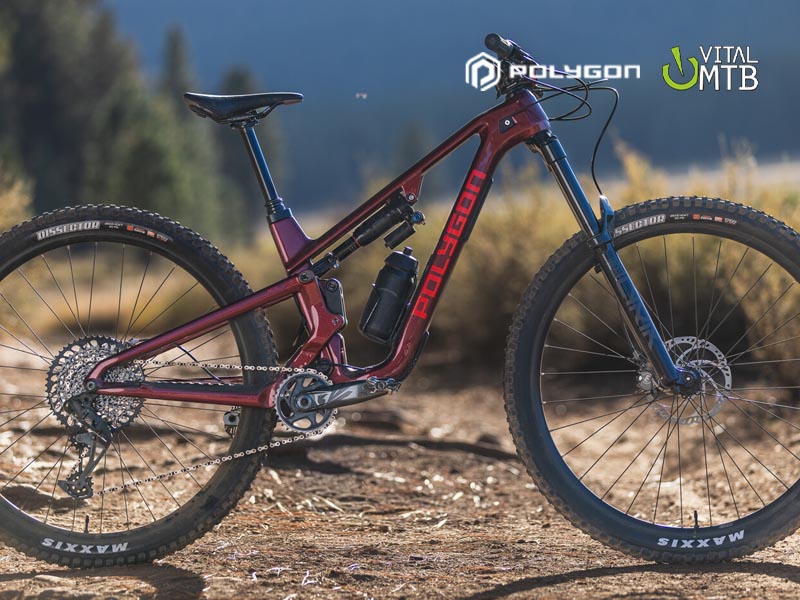
Making a smart purchase is easier when you know what you’re paying for. Full suspension mountain bikes range from $800 to over $10,000, but most riders find the best value in the $1,500–$3,000 range. Focus on suspension quality, frame material, and fit.
Consider used bikes and upgrades to stretch your budget. With the right knowledge, your next ride will be smoother, safer, and more fun.
Credit: www.polygonbikes.com

Hello Guys! I am John Reese, a professional biker and my hobby is biking! I have been biking for last 12 years and I love using bikes while outing as well. Based on my experiences with the different type of bikes (mountain bikes, road bikes and hybrid bikes); I am sharing my opinion about various bikes so that a beginner can get started right away. Happy reading!