
Buying a mountain bike is more than just getting a set of wheels—it’s an investment in adventure, health, and fun. But as you start searching, prices can be confusing. Some bikes cost less than $200, while others go above $10,000. So, how much does a decent mountain bike cost? The answer depends on your needs, experience, and what you call “decent.” Whether you’re new to trails or an experienced rider, understanding price points and what you get for your money helps you make a smart choice—and avoid expensive mistakes.
This guide will break down mountain bike price ranges, explain what makes a bike “decent,” and show you what to expect at each budget level. You’ll learn about features, value, and hidden costs that most beginners miss. By the end, you’ll be ready to choose the right mountain bike for your goals, without wasting money or buying the wrong thing.
What Does “decent” Mean For A Mountain Bike?
The word decent can be subjective. For some, it means a reliable bike for weekend rides. For others, it’s a machine ready for rocky trails and tough climbs. Here’s what most riders expect from a decent mountain bike:
- Durability: The bike should handle rough terrain and last several years with basic care.
- Good performance: It should shift gears smoothly, brake reliably, and feel stable.
- Quality components: The frame, suspension, and brakes are made by trusted brands.
- Comfort: The bike fits your body and doesn’t cause pain or discomfort.
- Upgrade potential: You can improve parts later if you want.
A “decent” bike is not the cheapest, but you don’t need top-of-the-line race gear, either. It’s a balance of quality and value—good enough for real trails, but not overkill for beginners or casual riders.
Mountain Bike Price Ranges Explained
Mountain bikes come in a wide price range. Let’s break down typical categories, what you get at each level, and who they’re for.
1. Under $400: Entry-level Or Big Box Store Bikes
You’ll see bikes at Walmart, Target, or other large retailers for $150–$400. These are usually called “big box” bikes.
- Frame: Heavy steel or low-grade aluminum
- Suspension: Basic, often for looks only
- Brakes: Mechanical disc brakes or rim brakes
- Gears: 21–24 speeds, low-quality shifters
Who are they for?
- Young kids, teens, or anyone riding only on smooth paths
- Not designed for real trail riding
Key Insight: Most bikes under $400 are not built for true mountain trails. They can break easily under stress, and repairs often cost more than the bike itself. For anything more than casual park riding, it’s best to avoid this category.
2. $400–$800: Beginner Trail Bikes
This is the starting point for a decent mountain bike. Here, you’ll find:
- Frame: Lighter aluminum, better design
- Suspension: Basic front fork (hardtail), works well for light trails
- Brakes: Mechanical or basic hydraulic disc brakes
- Gears: Shimano or SRAM entry-level groupsets
Who are they for?
- Beginners who want to try real trails
- Riders on a tight budget, but want something reliable
Limitations: These bikes can handle dirt trails and small obstacles, but may struggle on rocky, technical terrain. Suspension is basic, and parts wear out faster if pushed hard.
Example: Giant Talon, Trek Marlin, Specialized Rockhopper
3. $800–$1,500: Enthusiast Hardtail Mountain Bikes
This is a sweet spot for many riders. Bikes here offer:
- Frame: High-quality aluminum, sometimes carbon fiber
- Suspension: Better front forks with adjustable settings
- Brakes: Hydraulic disc brakes (more stopping power)
- Gears: Mid-range components, smoother shifting
Who are they for?
- Riders who want to explore more difficult trails
- People who plan to ride regularly
Upgrade potential: Many bikes in this range can be upgraded with better parts over time.
Non-obvious Insight: Buying at this level means you’ll enjoy riding more, and spend less time fixing problems. The resale value is also higher if you decide to upgrade later.
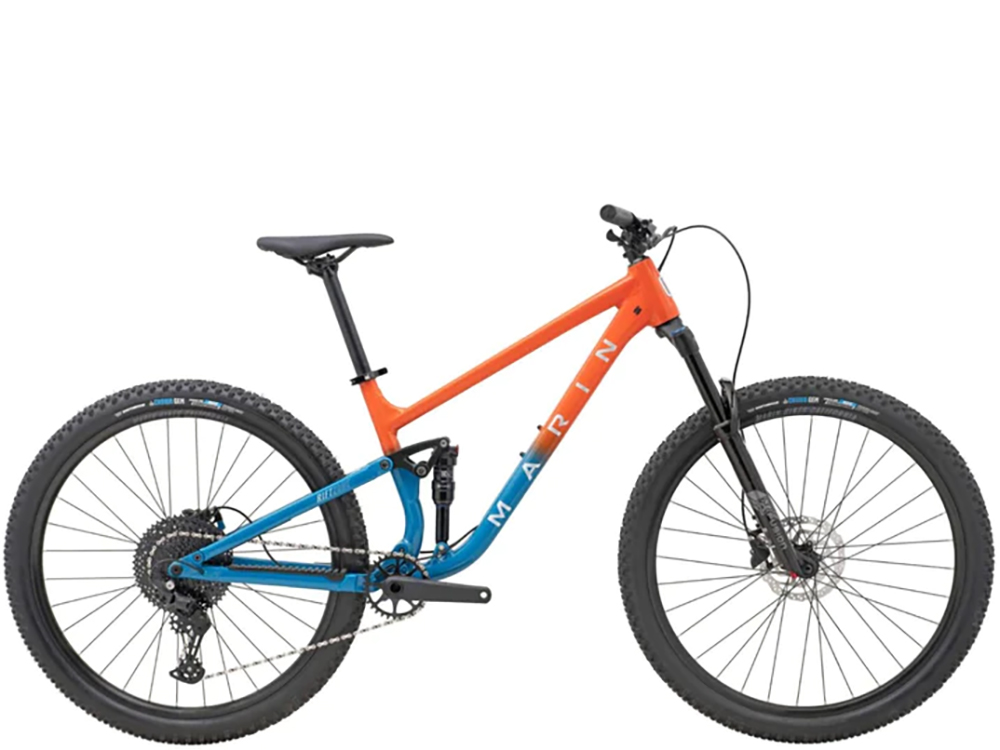
4. $1,500–$3,000: Quality Full-suspension & Advanced Hardtails
At this price, you get real performance improvements:
- Frame: Lightweight aluminum or entry-level carbon fiber
- Suspension: Quality front and rear suspension (full-suspension), more travel
- Brakes: High-quality hydraulic disc brakes
- Gears: 1x or 2x drivetrains, better range and reliability
- Wheels/Tires: Tubeless-ready, stronger wheels
Who are they for?
- Serious riders wanting to tackle tough terrain (rocks, roots, jumps)
- People who want a bike that will last for years
Common Mistake: Many new riders think they need a full-suspension bike, but a quality hardtail can be better for learning basic skills and costs less to maintain.
Example: Trek Fuel EX, Specialized Stumpjumper, Giant Trance
5. $3,000 And Up: Expert And Race-ready Mountain Bikes
These are high-end machines for experienced riders or those who want the best.
- Frame: Full carbon fiber, advanced engineering
- Suspension: High-end, fully adjustable (air shocks, lockout, rebound)
- Brakes: Four-piston hydraulic disc brakes
- Gears: Top-tier groupsets, electronic shifting on some models
- Wheels/Tires: Carbon wheels, custom tubeless setups
Who are they for?
- Racers, professionals, or passionate riders who want the lightest, fastest bike
- People who ride demanding trails every week
Reality Check: Spending this much is overkill for most beginners. Expensive bikes need expensive maintenance, and small crashes can be costly. But if you want top performance and have the budget, these bikes deliver.
Comparing Mountain Bike Types And Prices
Different mountain bike types serve different purposes. Here’s how costs and uses compare:
| Type | Price Range (USD) | Main Use |
|---|---|---|
| Hardtail | $500–$2,000 | XC, light trail, learning skills |
| Full-Suspension | $1,500–$10,000 | All-mountain, enduro, technical trails |
| Fat Bike | $800–$3,000 | Snow, sand, adventure |
| Dirt Jump | $500–$1,800 | Jumps, skate parks |
| Electric Mountain Bike | $2,000–$12,000 | Long climbs, assisted rides |
Non-obvious Insight: Hardtails give the best value for new riders. Full-suspension bikes are more comfortable on rough trails, but are more expensive and require extra care.
What Factors Affect The Cost Of A Mountain Bike?
The price of a mountain bike isn’t just about the frame—it’s a mix of many things. Here are the biggest factors:
1. Frame Material
- Aluminum: Light, affordable, common in most bikes between $500–$1,500.
- Carbon fiber: Super light, absorbs shocks, but can be expensive ($1,500+).
- Steel: Durable, smooth ride, heavier, used in some specialty bikes.
- Titanium: Rare, very strong and light, usually $3,000+.
Tip: For most people, a good aluminum frame is the best value.
2. Suspension
- Hardtail: Suspension only in the front. Cheaper, lighter, easier to maintain.
- Full-suspension: Front and rear shocks. Smoother ride but costs more and needs more maintenance.
3. Drivetrain (gears)
- Entry-level: Shimano Tourney, Altus, or SRAM X3/X4
- Mid-range: Shimano Deore, SRAM NX
- High-end: Shimano XT/XTR, SRAM GX/XO
Better gears give smoother shifting and last longer, but raise the price.
4. Brakes
- Rim brakes: Cheap, but weak in mud/wet. Rare on new mountain bikes.
- Mechanical disc brakes: Better stopping, but heavier and less powerful than hydraulic.
- Hydraulic disc brakes: Best stopping power, especially on steep trails.
5. Wheels And Tires
- Tubeless-ready wheels cost more but reduce flats and allow lower tire pressure for grip.
- Carbon wheels are light and strong, but add hundreds or thousands to the price.
6. Brand And Warranty
Big brands (Trek, Specialized, Giant) charge more but offer better support and warranties. Direct-to-consumer brands (Canyon, YT Industries) offer more value but less local support.
Example: A Trek bike may cost $200 more than a similar no-name brand, but you get better warranty and service.
7. Extra Features
- Dropper seatpost: Lets you lower the seat on steep descents. Adds $100–$300.
- Upgraded cockpit (bars, stem, grips): Improves comfort and control.
Non-obvious Insight: Don’t focus only on the frame and suspension. Little upgrades (seat, pedals, tires) can make a big difference in feel and performance.
Credit: www.bikeperfect.com
What Do You Get For Your Money At Each Price Level?
Here’s a quick overview of what you can expect at different budgets:
| Price Range | What You Get | Limitations |
|---|---|---|
| Under $400 | Basic frame, low-quality parts | Not for trails, breaks easily |
| $400–$800 | Entry-level hardtail, basic suspension, disc brakes | Limited to easy trails, parts wear faster |
| $800–$1,500 | Quality hardtail, better components, hydraulic brakes | Rough on very technical terrain |
| $1,500–$3,000 | Full-suspension, advanced hardtail, tubeless-ready wheels | Higher maintenance, still not “pro” level |
| $3,000+ | High-end full-suspension, carbon frame, top components | Expensive repairs, overkill for casual use |
Practical Insight: If your budget is around $1,000, you’ll get a bike that can handle most trails and last for years with care.
Real-world Examples: What Does A Decent Mountain Bike Cost In 2024?
Let’s look at actual models (2024 prices) to see what you get for your money:
- Specialized Rockhopper Comp 29: $950
- Aluminum frame, air fork, hydraulic disc brakes, Shimano Deore drivetrain
- Trek Marlin 8 Gen 3: $1,300
- Upgraded frame, RockShox fork, tubeless-ready wheels, 12-speed
- Giant Talon 1: $1,000
- Lightweight frame, 100mm fork, tubeless tires
All these bikes are ready for real trails and can be upgraded as your skills grow. They’re not the cheapest, but they offer the best mix of performance, durability, and fun for most riders.
Experience-Based Tip: Spending less than $800 often leads to frustration—bikes feel heavy, parts break, and repairs cost more than the upgrade. Spending $1,000–$1,500 gives you a bike that’s a joy to ride and holds its value.

Credit: mbaction.com
How Much Should You Spend If You’re New To Mountain Biking?
If you’re just starting, you don’t need a pro-level bike. But you do want something that’s safe, reliable, and feels good to ride. Most new riders are happiest with a bike between $800–$1,500.
Why not less? Cheaper bikes often have:
- Weak frames that can bend or break
- Poor brakes that may fail on steep trails
- Heavy weight that makes riding harder and less fun
Spending a little more up front saves money and headaches later. You’ll enjoy riding more, stay safer, and avoid quick upgrades.
The True Cost Of Ownership: What Beginners Often Miss
Buying the bike is only part of the story. Other costs add up over time. Here’s what to expect:
1. Essential Gear
- Helmet: $50–$150 (never ride without one)
- Gloves: $20–$50
- Padded shorts: $30–$100
- Water bottle/cage or hydration pack: $15–$100
- Basic tools and pump: $30–$80
2. Maintenance
- Tire/tube replacement: $20–$60 per year (more if you ride a lot)
- Chain and cassette: $40–$100 every 1–2 years
- Brake pads: $20–$50 per year
3. Upgrades
You may want better pedals, a more comfortable saddle, or tubeless tires. Budget an extra $100–$200 for these in your first year.
4. Trail Fees And Transport
Some parks charge trail fees ($5–$10 per visit). If you drive to trails, gas adds up, too.
Non-obvious Insight: Many new riders forget these ongoing costs. A $1,200 bike may really cost $1,500–$1,700 in your first year when you add gear and basic care.
Should You Buy New Or Used?
Buying used can save hundreds, sometimes thousands. But there are risks, especially for beginners. Here’s how to decide:
Pros Of Buying Used
- Lower price for higher quality (a $2,000 bike may sell for $1,000)
- Good for finding discontinued models or rare sizes
Cons Of Buying Used
- No warranty, limited support
- Hidden problems (worn bearings, bent frames, bad suspension)
- May need costly repairs right away
Tips For Safe Used Bike Shopping
- Buy from a trusted source: Local bike shops sometimes sell used bikes with a basic tune-up.
- Inspect before buying: Check frame for cracks, test brakes and gears, spin wheels to check for wobbles.
- Ask for maintenance history: Bikes that are well-cared-for last much longer.
Straight-to-the-point Insight: If you’re not confident inspecting bikes, bring a friend who rides or pay a shop to check it before buying. If you want peace of mind, buying new is safer.
Should You Build Or Buy A Mountain Bike?
Some riders ask: “Can I build my own bike to save money?” The answer depends on your skill, patience, and access to tools.
Pros Of Building
- Custom parts, unique look
- Learn how your bike works
Cons Of Building
- Usually costs more than buying a complete bike
- Hard to get discounts on individual parts
- Need special tools and know-how
Reality: For most beginners, buying a complete bike offers the best value and support. Building makes sense only if you want something very specific and have experience.
How To Get The Best Value For Your Budget
Want to stretch your dollars? Here’s how to get the most from your mountain bike budget:
- Buy last year’s model: Shops discount older bikes when the new ones arrive. The differences are small, but you can save 10–30%.
- Focus on the frame and fork: These are the hardest and most expensive to upgrade. You can improve wheels, gears, and brakes later.
- Shop local: Local bike shops offer fitting, after-sales support, and free tune-ups. This is worth more than a small online discount.
- Watch for sales: Late fall and winter are the best times to buy, as shops clear space for new inventory.
- Don’t overspend on “bling”: Fancy paint, carbon bits, or electronic shifting may look cool, but they don’t help beginners ride better.
Experience-Based Advice: A solid $1,000–$1,500 hardtail is better than a cheap full-suspension. You’ll learn more, spend less on repairs, and have more fun.
Mountain Bike Cost: Common Mistakes To Avoid
Even experienced buyers make errors. Here are some common mistakes and how to avoid them:
- Chasing specs: Don’t buy a bike just because it has the latest gears or shocks. Fit and ride feel matter more.
- Buying too cheap: Saving money up front can lead to more costs in repairs and upgrades.
- Ignoring fit: A bike that’s too big or small will hurt and be hard to control.
- Forgetting about gear: You need a helmet, gloves, and tools—not just the bike.
- Not testing first: Always ride before you buy, even around the shop parking lot.
Where To Buy A Decent Mountain Bike
You have several choices, each with pros and cons:
1. Local Bike Shops
- Pros: Expert advice, fitting help, after-sales service
- Cons: Higher prices than online, limited models in stock
2. Online Retailers
- Pros: Lower prices, bigger selection, can shop any brand
- Cons: Must assemble the bike (sometimes only minor work), less support
3. Direct-to-consumer Brands
Some brands (like Canyon, YT) sell only online and ship direct to you.
- Pros: Best value for the money, high-quality parts
- Cons: No local support; must handle assembly and repairs
4. Secondhand Marketplaces
Craigslist, Facebook Marketplace, Pinkbike Buy/sell
- Pros: Lowest prices, rare finds
- Cons: Higher risk, no warranty, must inspect carefully
Practical Advisor Tip: For your first bike, a local shop is often the best bet. The extra support and fitting advice are worth the slightly higher price.
For more details on choosing a mountain bike, the REI Co-op guide is an excellent resource.
Frequently Asked Questions
How Much Should I Spend On My First Mountain Bike?
Most new riders should budget $800–$1,500 for a decent mountain bike. This range gives you reliable components, safe brakes, and a frame that can handle real trails. Spending less often means more repairs and less fun.
Is It Worth Buying A Used Mountain Bike?
Yes, if you know what to look for and check the bike carefully. Used bikes can offer big savings, but there’s more risk of hidden problems. If you’re unsure, buy from a shop or bring an experienced friend.
Do I Really Need A Full-suspension Mountain Bike?
Not always. Hardtail bikes (front suspension only) are perfect for beginners and most trails. Full-suspension is better for rocky, technical trails, but costs more and needs extra care.
What’s The Difference Between A $500 And A $2,000 Mountain Bike?
A $2,000 bike is lighter, stronger, and has better suspension, brakes, and gears. It rides smoother, handles tough terrain, and lasts longer. A $500 bike is heavier, with basic parts, and struggles on real trails.
Can I Use A Mountain Bike For Commuting Or Road Riding?
Yes, but mountain bikes are heavier and slower on pavement than road or hybrid bikes. You can use them for commuting, but consider adding smoother tires for faster rides on city streets.
Credit: www.cyclesuk.com
Final Thoughts
A decent mountain bike is an investment in adventure, but you don’t need to break the bank. For most riders, spending $800–$1,500 gets you a bike that’s reliable, fun, and ready for real trails. Focus on quality, fit, and features that match your riding style—not just the lowest price or the fanciest parts. Remember, the right bike is one you’ll ride often and enjoy. Take your time, ask questions, and test before you buy. A smart choice now means years of safe, exciting rides ahead.

Hello Guys! I am John Reese, a professional biker and my hobby is biking! I have been biking for last 12 years and I love using bikes while outing as well. Based on my experiences with the different type of bikes (mountain bikes, road bikes and hybrid bikes); I am sharing my opinion about various bikes so that a beginner can get started right away. Happy reading!