
How Fast Can A Mountain Bike Go
When you see a mountain bike flying down a steep trail, you might wonder just how fast it can really go. Mountain bikes are built for rugged terrain, but speed is still a big part of the experience—especially for riders who love the thrill of fast descents and tight corners.
If you’re curious about the top speeds a mountain bike can reach, what affects those speeds, and how to go faster safely, you’re in the right place. Let’s break down what you need to know about mountain bike speed, from the science to the real-world numbers.
What Determines Mountain Bike Speed?
Many factors affect how fast a mountain bike can go. It’s not just about how strong your legs are! Here are the main things that influence speed:
- Bike type and weight: Lighter bikes are usually faster, but heavy-duty bikes may be more stable at high speed.
- Tire type and pressure: Smooth, narrow tires roll faster on hard surfaces, while knobby, wide tires grip better off-road but are slower.
- Terrain: Downhill slopes mean higher speeds, while uphill or muddy trails slow you down.
- Rider fitness and technique: Experienced, fit riders can go much faster.
- Weather and wind: Strong headwinds or wet trails can reduce your speed.
One non-obvious insight: rolling resistance matters more than most beginners realize. Even small changes in tire pressure or tread can change your speed by several miles per hour. Another often-missed factor is suspension setup. Too much or too little damping can rob you of energy, especially on bumpy trails.
Typical Mountain Bike Speeds: Real Numbers
So, what speeds are we talking about? Here’s a look at common ranges for mountain bike riders, both on and off the trail.
| Riding Situation | Average Speed (mph) | Top Speed (mph) |
|---|---|---|
| Flat, off-road trail | 10-15 | 20 |
| Uphill climb | 5-10 | 15 |
| Downhill trail | 15-25 | 35+ |
| Paved road (with MTB tires) | 12-18 | 25 |
On flat, off-road trails, most riders cruise between 10-15 mph. Downhill, speeds can easily jump to 25 mph or more for experienced bikers. The fastest riders, especially in downhill races, sometimes break 40 mph on steep, open descents. However, these speeds are not typical for everyday riding and require skill and the right conditions.
Mountain Bike Types And Their Speed Potential
Not all mountain bikes are built the same. The type of bike has a big effect on how fast you can go:
| Bike Type | Best For | Max Typical Speed (mph) |
|---|---|---|
| Cross-country (XC) | Climbing, long rides | 30 |
| Trail | All-around use | 28 |
| Enduro | Steep descents, technical trails | 35 |
| Downhill | Racing down steep tracks | 45+ |
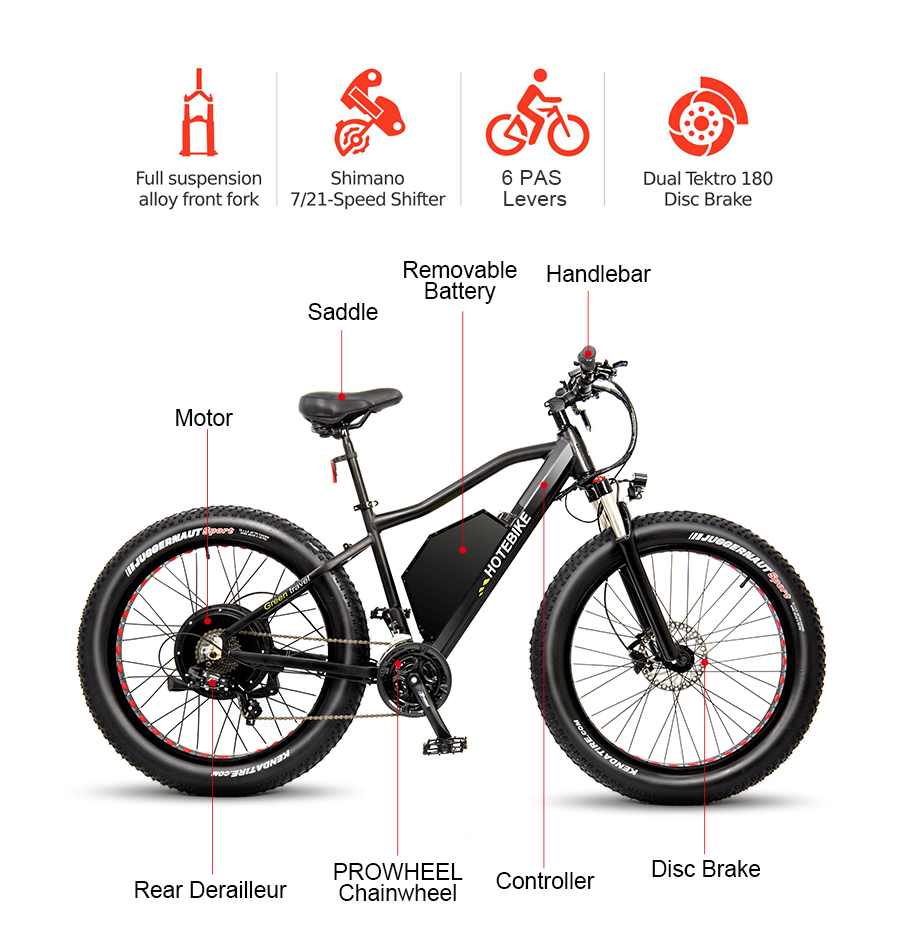
| Fat bike | Sand, snow, soft surfaces | 20 |
Downhill bikes are the fastest, built to go quickly on steep slopes and handle big jumps. Cross-country bikes are lighter and can be fast on climbs or smoother trails. Fat bikes are much slower because of their wide tires designed for soft surfaces.
How Professional Riders Reach High Speeds
Professional mountain bikers regularly push the limits of their bikes and bodies. For example, in downhill racing, it’s common to see speeds above 40 mph on open sections. The world record for the fastest speed on a mountain bike was set by Markus Stöckl in 2017 at 104 mph (167.6 km/h) on a volcanic slope in Nicaragua. This was done with special equipment and safety gear, not on a typical trail!
On most race tracks, downhill competitors often average between 25-35 mph for the fastest segments. Enduro and cross-country racers might see top speeds around 25 mph, especially on descents.
What allows these pros to go so fast? It’s a mix of:
- Skill: Years of practice handling a bike at speed
- Aerodynamics: Crouched positions, tight clothing, and even custom helmets
- Bike setup: Suspension, brakes, and tires tuned for each course
- Risk management: Knowing when to brake and when to let it roll
Credit: www.hotebike.com
Factors That Can Limit Your Speed
You might want to go as fast as possible, but there are important things that can slow you down.
Terrain And Obstacles
Rocky paths, loose sand, mud, and tree roots all require you to slow down. Even the best riders have to hit the brakes if the trail gets too technical. On smooth, wide trails, you can keep your speed high, but on technical singletrack, speeds drop quickly.
Rider Safety And Control
Going faster means less time to react. Most crashes happen when riders go beyond their skill level or lose control on a tricky section. Good brakes and knowing how to use them are crucial.
Bike Condition
A well-maintained bike is a fast bike. Dirty chains, worn-out tires, and loose parts all steal speed. Make sure your bike is in top condition before pushing your limits.
How To Increase Your Mountain Bike Speed
If you want to go faster, there are safe and smart ways to do it. Here’s what makes a real difference:
- Improve your skills: Taking a riding course or practicing cornering, braking, and body position can make you faster and safer.
- Upgrade your tires: Choose tires with lower rolling resistance for your usual trails. Set the right pressure for grip and speed.
- Maintain your bike: Clean and lube your chain, check your brakes, and make sure your wheels spin freely.
- Adjust your suspension: A properly set-up suspension keeps your wheels on the ground, helping you carry more speed over bumps.
- Optimize your position: Tuck your elbows in and keep your body low when going fast. This reduces wind drag.
- Use your gears: Shift to the right gear for the terrain. Spinning at a steady, high cadence helps you accelerate and maintain speed.
A useful tip for beginners: practice smooth braking, not just hard stops. Many riders lose speed by grabbing the brakes too often or too hard. Learning to “feather” the brakes lets you carry more speed safely.
Credit: bicycles.stackexchange.com
Mountain Biking Vs. Road Biking: Speed Comparison
How does mountain biking stack up against road biking for speed? Here’s a quick look:
| Bike Type | Average Speed (mph) | Typical Max Speed (mph) |
|---|---|---|
| Mountain bike (off-road) | 10-15 | 20-35 |
| Mountain bike (on road) | 12-18 | 25 |
| Road bike (on road) | 16-22 | 30-45 |
Road bikes are faster because they’re lighter, have thinner tires, and are more aerodynamic. Mountain bikes are much slower on pavement, but they shine where roads end.
The Role Of E-mountain Bikes (e-mtbs)
E-mountain bikes are changing the speed game. With a small motor to help you pedal, you can go faster uphill and maintain higher average speeds on any trail. Most E-MTBs are limited to 20 mph (by law in many places), but riders often report higher speeds on downhills or with the motor derestricted (though this can be illegal).
An E-MTB can let you climb at 10-15 mph—much faster than a normal mountain bike on steep slopes. This opens up longer rides and more fun for many people.
Staying Safe At High Speeds
Speed is exciting, but safety should always come first. Here’s how to protect yourself:
- Wear a helmet: Always, no matter how short or easy the ride.
- Use pads: Knee and elbow pads help on rough trails.
- Check your bike: Inspect brakes, tires, and suspension before each ride.
- Ride within your limits: Don’t chase speeds you aren’t ready for.
- Watch for others: Trails are often shared—be ready to slow down.
One insight: slowing down before corners and obstacles, then accelerating out, is usually faster (and safer) than trying to maintain speed everywhere. Advanced riders know where to push and where to play it safe.
Record-breaking Mountain Bike Speeds
The absolute fastest mountain bike speeds have been set in special conditions. Markus Stöckl’s world record of 104 mph was done on a custom downhill bike, on a volcano, wearing a motorcycle helmet and leathers. This is not possible on a normal trail!
Other records include downhill race tracks, where speeds of 50-60 mph have been clocked in straight sections. However, most mountain bikers will never reach these numbers outside of controlled events.
If you’re interested in the history and numbers behind these records, check out the Wikipedia list of cycling records for more details.

Credit: www.youtube.com
Frequently Asked Questions
How Fast Can An Average Person Ride A Mountain Bike?
Most average riders can reach 10-15 mph on flat trails and up to 25 mph on a smooth downhill. Fitness, confidence, and trail conditions make a big difference.
What Is The Fastest Speed Ever Recorded On A Mountain Bike?
The fastest recorded speed is 104 mph (167.6 km/h) by Markus Stöckl, set on a volcanic slope. This is not typical or safe for normal riding.
Is It Safe To Go Fast On A Mountain Bike?
It can be safe if you have the skills, proper equipment, and ride within your limits. Always wear a helmet and check your bike before fast rides.
Do Mountain Bikes Go As Fast As Road Bikes?
No, road bikes are usually much faster on pavement. Mountain bikes are slower due to heavier frames, wider tires, and less aerodynamic positions.
Can Upgrading My Bike Make Me Go Faster?
Yes, lighter wheels, better tires, and good suspension tuning can help. But rider skill and fitness are usually more important for real speed gains.
Speed is a big part of mountain biking’s excitement, but it’s not everything. Focus on building your skills and enjoying the ride—speed will come with time and practice. By understanding your bike, the trail, and your own abilities, you’ll find the right balance of speed and safety for every adventure.

Hello Guys! I am John Reese, a professional biker and my hobby is biking! I have been biking for last 12 years and I love using bikes while outing as well. Based on my experiences with the different type of bikes (mountain bikes, road bikes and hybrid bikes); I am sharing my opinion about various bikes so that a beginner can get started right away. Happy reading!