
Mountain biking is not just about the trails and adventure. It’s also about keeping your bike working well and safe. One key part is the cassette—the set of sprockets on your rear wheel that helps you shift gears smoothly. Many riders wonder, “How often should I replace my mountain bike cassette?” The answer is not simple. It depends on how you ride, your maintenance habits, and even the conditions where you bike. This article will guide you through all the details. You’ll learn how to spot wear, understand factors that affect cassette life, and know when replacement is really needed. By the end, you’ll feel confident managing your cassette, making your rides smoother and your bike last longer.
What Is A Mountain Bike Cassette?
A cassette is a cluster of sprockets (gears) attached to your rear wheel’s freehub. When you shift gears, your chain moves across these sprockets to change how hard or easy it is to pedal. Most mountain bikes today use cassettes with 9, 10, 11, or 12 speeds, which means they have that many sprockets.
The cassette works closely with your chain and derailleur. As you ride, these parts wear together. If you ignore cassette wear, shifting becomes rough, and your chain may slip or even break. This can lead to frustrating rides, especially when you need reliable shifting for steep climbs or technical descents.
Cassette Types And Materials
Mountain bike cassettes come in different materials:
- Steel: Durable and cheaper, but heavier. Steel cassettes are common for beginner bikes and those used in harsh conditions, as they resist damage from grit and mud.
- Aluminum: Lighter, often used for higher-end bikes, but can wear faster. Aluminum cassettes are popular for racers or those who want to reduce bike weight.
- Titanium: Rare and expensive, but combines light weight with good durability. Titanium cassettes are usually found on top-level bikes.
Some cassettes have a mix, like steel for smaller sprockets and aluminum for larger ones. This balances weight and durability. For example, bigger sprockets handle less force and benefit from lighter aluminum, while smaller ones, which take more pressure, are made from steel.
Why Cassette Health Matters
A worn cassette leads to poor shifting, chain skipping, and can damage other parts. It can even make your rides unsafe, especially on technical trails or steep climbs. If your cassette is bad, you can lose control during gear changes, which is risky. Keeping your cassette healthy also protects your chain and derailleur, saving you money in the long run.
Another detail many beginners miss is that cassette wear can reduce your pedaling efficiency. If your gears slip, you waste energy and tire faster. So, cassette care is not just about avoiding breakdowns—it’s about making every ride enjoyable and smooth.
How Long Does A Cassette Last?
Cassette lifespan varies a lot. Most mountain bikers replace their cassette every 1,000 to 4,000 miles (1,600 to 6,400 km), but this is just a rough estimate. Some riders get even more miles if they ride gently, clean their bike often, and avoid mud.
Factors That Affect Cassette Life
- Riding Conditions: Mud, dust, and grit speed up wear. Riding in dry, clean conditions extends cassette life. Sand and small stones can get stuck between sprockets, grinding them down faster.
- Rider Strength and Style: Stronger riders or those who pedal hard (like sprinting uphill) wear out cassettes quicker. If you often ride standing up, you put more force on the cassette.
- Chain Maintenance: Clean and lubricate your chain often. A dirty or dry chain increases cassette wear. Chains pick up dirt, which moves onto sprockets and causes faster wear.
- Gear Changes: Frequent shifting, especially under load, wears sprockets faster. Shifting while going uphill or accelerating puts extra stress on the cassette.
- Cassette Quality: High-quality cassettes last longer than cheap ones. They use better materials and more precise manufacturing, so teeth wear slower.
Many beginners forget that cassette wear is not just about distance. If you ride in hilly areas, your cassette works harder than on flat roads. The same goes for riding in wet weather versus dry.
Typical Lifespan By Riding Style
| Riding Style | Estimated Cassette Life (miles) | Notes |
|---|---|---|
| Casual trail | 2,500-4,000 | Mostly dry, moderate pace |
| Enduro/Downhill | 1,000-2,500 | High force, lots of mud |
| Cross-country | 2,000-3,500 | Long distances, mixed terrain |
| Commuting | 3,000-5,000 | Mostly paved, less mud |
You can see that tough conditions and aggressive riding shorten cassette life. But regular cleaning and gentle shifting help your cassette last longer. One useful tip: if you ride both off-road and paved paths, you may notice your cassette lasts longer in dry, urban environments.
Signs That Your Cassette Needs Replacing
Replacing your cassette only when needed saves money and keeps your bike running well. Here are clear signs your cassette is worn:
1. Poor Shifting
If you notice rough shifting, hesitation, or your chain jumps between gears, your cassette may be worn. Sometimes the problem comes from the chain or derailleur, but a worn cassette is often the cause, especially if you’ve already replaced the chain. Shifting problems can appear slowly, so pay attention to small changes in how your bike feels.
2. Chain Skipping
When you put pressure on the pedals (like climbing), the chain may skip or slip. This is a classic sign the cassette teeth are worn. Even a slight skip can make you lose balance or momentum, especially on tricky trails.
3. Visible Wear
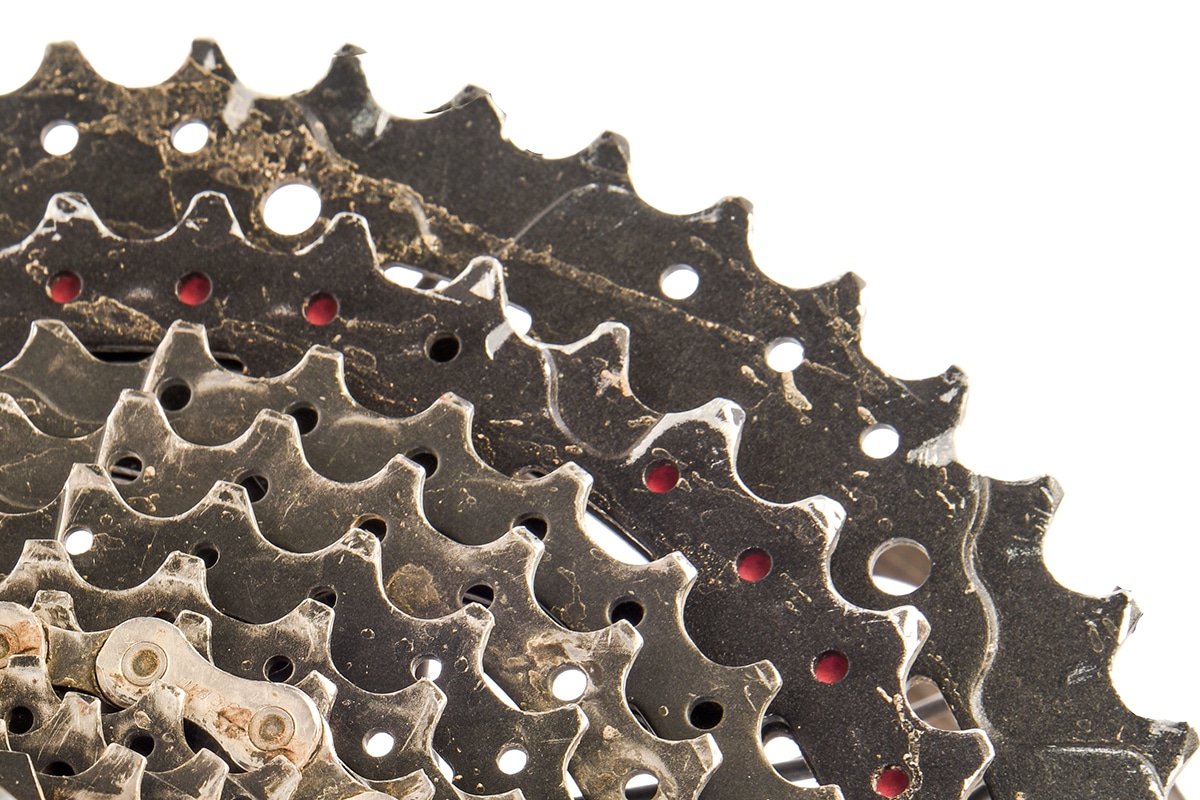
Check the teeth on your cassette. If they look sharp, hooked, or uneven, it’s time for a replacement. New cassette teeth are more square and even. Sometimes, only the most-used sprocket shows wear. If your cassette allows, you may be able to replace just that sprocket.
4. Mismatched Wear With New Chain
If you fit a new chain and it skips on the old cassette, the cassette is too worn. Chains and cassettes wear together. Mixing new and old can cause problems. This mismatch is common if you leave chain replacement too late.
5. Measured Wear
Bike shops use tools like a chain checker and sometimes a cassette wear gauge. If the chain is worn and the cassette is worn too, both should be replaced. Some shops will test shifting with a new chain to see if the cassette is still good.
Another insight: Sometimes shifting issues come from dirt build-up, not wear. Clean your cassette before deciding it needs replacement.
How To Check Cassette Wear
Many riders rely on feel, but you can check cassette wear in more precise ways.
Visual Inspection
Look for:
- Shark fin or hooked teeth
- Teeth that are thinner or shorter than new
- Uneven wear across sprockets
Take photos of your cassette at different times. Comparing images helps spot gradual wear.
Chain Stretch Test
A worn chain damages the cassette. Use a chain checker tool. If your chain is stretched beyond 0. 75%, inspect the cassette closely. Sometimes, a chain wears faster than the cassette, but usually both need replacement together.
Sprocket Fit Test
Put a new chain on your cassette. Pedal hard. If the chain skips or jumps, your cassette is worn. Do this test on each sprocket, as some wear faster than others.
Manual Tooth Check
Try wiggling the cassette teeth with your fingers. If they move or feel loose, that’s another sign. Loose teeth can mean the cassette is damaged or the lockring is loose.
Comparing Old Vs. New
If you have an old and new cassette, compare their teeth side by side. You’ll see clear differences in shape. Some stores display new cassettes for comparison.
For detailed checking, you can use a magnifying glass or good lighting. Subtle wear is easier to spot this way.
Credit: mbaction.com
When Should You Replace The Cassette?
The best time to replace a cassette is:
- When your chain is worn and you’re replacing it, and the cassette shows signs of wear
- If you notice chain skipping, especially with a new chain
- When shifting becomes rough and other fixes don’t help
Some riders replace their cassette every other chain; others do it with every chain. This depends on how fast your chain wears. If you replace chains often (every 1,000–2,000 miles), your cassette may last through two chains.
A small but important insight: If you do lots of high-force riding (like mountain climbs), your cassette may wear faster than your chain. In this case, check cassette teeth more often.
Cassette And Chain Replacement Cycle
| Replacement Scenario | Chain | Cassette | Notes |
|---|---|---|---|
| Early chain replacement | Every 1,000–1,500 miles | Every 2 chains | Extends cassette life |
| Late chain replacement | Every 2,000–3,000 miles | With every chain | Cassette wears faster |
| High-performance riding | Every 1,000 miles | Every chain | For best shifting |
If you ride in a group, ask other riders how often they replace their cassette. This gives you a practical benchmark for your conditions.
How Riding Habits Impact Cassette Life
Your riding habits have a big effect on cassette longevity. Here are some examples:
Frequent Shifting
If you shift gears often—especially under heavy load—you put extra stress on sprockets. Try to shift smoothly and avoid shifting while standing or sprinting. For example, shift gears before you reach a steep climb, not while climbing.
Riding In Mud And Rain
Wet, muddy conditions bring dirt and grit into your drivetrain. This acts like sandpaper, wearing out sprockets faster. Clean your cassette after wet rides. Using a hose or bike-specific cleaner helps remove hidden grit.
Aggressive Riding
If you ride steep trails and push hard, your cassette works harder. Strong riders, especially those who ride uphill often, see faster wear. Downhill riders also stress the cassette during fast gear changes.
Maintenance Routine
Regular cleaning and lubrication make a big difference. Neglecting your drivetrain leads to faster wear. Even a quick wipe after each ride helps. At least once a month, deep clean your cassette and chain.
One tip: Store your bike indoors to avoid moisture and dust build-up, which speeds up wear.
Cassette Replacement Cost And Options
Replacing a cassette is not expensive compared to other bike parts, but costs vary.
Price Range
- Entry-level cassettes: $20–$40 (usually steel, 9–10 speed)
- Mid-range: $50–$90 (mixed materials, 11–12 speed)
- High-end: $100–$350 (aluminum/titanium, 12 speed, lightweight)
Prices can vary by region, brand, and bike shop. Online stores sometimes offer discounts, but double-check compatibility before ordering.
Cost Vs. Performance
Higher-end cassettes are lighter and shift better, but may not last much longer than mid-range ones. If you ride often, a durable steel cassette can save money. Aluminum and titanium cassettes are best for racers or those who want every ounce of weight saved.
Another detail: Mid-range cassettes offer a good balance for most riders. You get reliable shifting and solid lifespan without paying for high-end materials.
Cassette Comparison
| Cassette Type | Material | Weight (g) | Typical Lifespan (miles) | Price Range ($) |
|---|---|---|---|---|
| Entry-level | Steel | 400-500 | 2,000–4,000 | 20–40 |
| Mid-range | Steel/Aluminum | 300-400 | 2,500–5,000 | 50–90 |
| High-end | Aluminum/Titanium | 200-300 | 2,000–4,500 | 100–350 |
Real-world Example
A rider who bikes 50 miles a week in mixed conditions may need a new cassette every year. If you ride less, your cassette may last two years or more. If you race or ride tough trails, expect to replace your cassette more often.
How To Replace A Mountain Bike Cassette
You can replace your cassette yourself with basic tools, or ask a bike shop. Doing it at home saves money and is not too hard.
Tools Needed
- Cassette lockring tool
- Chain whip
- Adjustable wrench
- Clean rag
If you don’t have these tools, many bike shops offer cassette replacement for a small fee. Investing in these tools is worthwhile if you plan to do regular maintenance.
Steps
- Remove the rear wheel from your bike.
- Use the chain whip to hold the cassette in place.
- Insert the lockring tool and turn counterclockwise to loosen the lockring.
- Remove the cassette from the freehub.
- Clean the freehub body.
- Fit the new cassette, aligning the splines.
- Tighten the lockring with the tool.
- Reinstall the wheel.
Tips
- Check your chain at the same time. If it’s worn, replace both.
- Clean and lightly grease the freehub before installing the new cassette.
- Check shifting after replacement. Adjust the derailleur if needed.
- Take note of the cassette orientation. Some cassettes only fit one way.
If you’re unsure, watch a video or ask a friend for help the first time. Practicing on an old bike makes the process easier.

Credit: reactionteam.org
Mistakes To Avoid When Replacing Cassettes
Many riders make simple mistakes that shorten cassette life or cause trouble.
1. Using A Worn Chain With A New Cassette
A stretched chain will quickly damage a new cassette. Always check chain wear and replace both if needed. This is one of the most common beginner mistakes.
2. Mixing Incompatible Parts
Not all cassettes fit all freehubs. Check compatibility before buying. For example, Shimano and SRAM sometimes use different splines.
3. Ignoring Derailleur Adjustment
After replacing a cassette, shifting may change. Adjust your derailleur as needed. Proper adjustment ensures smooth shifting and protects your drivetrain.
4. Skipping Lubrication
A dry chain and cassette wear quickly. Lubricate after replacement. Use bike-specific lubricants for best results.
5. Failing To Clean Regularly
Dirt and mud build up fast. Clean your cassette after every few rides, especially in wet conditions. Even a quick rinse can help.
One overlooked mistake: Forgetting to check cassette tightness. Loose lockrings can cause noise and poor shifting.
Advanced Tips For Maximizing Cassette Life
If you want your cassette to last longer, try these less obvious strategies:
1. Rotate Chains
Some experienced riders use two chains and swap them every few hundred miles. This keeps both chain and cassette wear even, extending their life. Chain rotation is especially useful if you ride in tough conditions.
2. Avoid Cross-chaining
Don’t use extreme gear combinations (like smallest front ring with smallest rear sprocket). This puts strain on your drivetrain and speeds up wear. Try to keep your chain as straight as possible.
3. Inspect Sprockets Individually
Sometimes only one sprocket wears out quickly, often the most-used one. If your cassette allows, replace just the worn sprocket. This is more common on high-end cassettes.
4. Use Higher Quality Lubricants
Basic oil works, but bike-specific lubricants reduce friction and wear better. Wet lubes are best for rainy conditions; dry lubes work well in dust.
5. Record Mileage
Keep a log of your rides. Note when you replace chains and cassettes. This helps predict future replacements and spot unusual wear. Apps or a simple notebook work well.
Another tip: If you notice sudden wear, check for bent teeth or other drivetrain problems.
Credit: reactionteam.org
Cassette Replacement And Bike Performance
A fresh cassette improves your bike’s performance:
- Smooth shifting: No more hesitation or skipped gears.
- Efficient pedaling: Less friction and wasted energy.
- Better chain life: A new cassette prevents chain stretch and wear.
Some riders notice faster acceleration or easier climbs after replacing a worn cassette. If you’re preparing for a race or big ride, a new cassette is a smart upgrade. Even for regular riding, fresh drivetrain parts make every ride feel better.
Environmental Impact And Recycling
Cassette replacement creates waste. Luckily, many bike shops recycle old metal cassettes. Steel and aluminum are easy to recycle. If your local shop doesn’t recycle, check with metal recycling centers.
Eco-friendly Choices
- Buy cassettes made from recycled materials if available.
- Dispose of old cassettes properly.
- Use durable cassettes to reduce waste.
- Consider upcycling old cassettes into art or tools—some riders turn them into clocks or keychains.
For more information on recycling bike parts, visit Wikipedia.
Frequently Asked Questions
How Do I Know If My Cassette Is Worn Out?
Look for sharp, hooked teeth, rough shifting, and chain skipping. If you replace your chain and it skips on the old cassette, it’s time for a new one. Visual inspection and chain checker tools help.
Can I Use Any Cassette On My Mountain Bike?
No. Cassettes must match your bike’s freehub, number of speeds, and chain type. Check compatibility before buying. Mixing brands sometimes works, but it’s safest to match.
Is It Better To Replace The Cassette With The Chain?
Often, yes. If both are worn, replacing together prevents problems. If your cassette is still good, you can replace the chain alone, but check for skipping afterward.
How Much Does A New Mountain Bike Cassette Cost?
Prices range from $20 to $350, depending on material, speed, and brand. Most riders use mid-range cassettes ($50–$90) for good durability and performance.
How Can I Make My Cassette Last Longer?
Clean and lubricate your chain often, avoid shifting under heavy load, and replace your chain before it wears out. Using two chains and swapping them can extend cassette life.
Taking care of your mountain bike cassette is simple but important. With regular checks and smart maintenance, you’ll enjoy smoother rides, save money, and keep your bike in top shape. Now you know how often to replace your mountain bike cassette—and how to get the most from every mile.

Hello Guys! I am John Reese, a professional biker and my hobby is biking! I have been biking for last 12 years and I love using bikes while outing as well. Based on my experiences with the different type of bikes (mountain bikes, road bikes and hybrid bikes); I am sharing my opinion about various bikes so that a beginner can get started right away. Happy reading!