
Getting a flat tire while mountain biking can turn a great adventure into a frustrating pause. Most riders experience a flat tire at some point, especially when riding rough trails with rocks, thorns, or sharp debris. Knowing how to change a flat tire quickly and correctly not only saves your ride but also builds your confidence as a cyclist.
Many beginners feel nervous about fixing a flat, but with clear steps and simple tools, anyone can handle it. This guide explains the process in detail, covers common mistakes, and provides tips that even some experienced riders overlook. Whether you’re preparing for your first mountain bike ride or you’ve already faced a few flats, you’ll find practical advice here to help you get rolling again.
Why Flat Tires Happen On Mountain Bikes
Mountain bikes are designed for tough terrain, but their tires still face risks. Most flats are caused by:
- Sharp objects like thorns, glass, or nails
- Pinch flats from hitting rocks or curbs hard
- Worn-out tires with thin rubber
- Improper tire pressure
According to a survey by the International Mountain Bicycling Association, about 60% of riders report at least one flat tire per month during peak riding seasons. The rougher the trail, the higher the chance of a puncture.
Essential Tools And Supplies
Before you start, gather the right tools. Missing one can make the job much harder. Here’s what you need:
- Spare inner tube (make sure it fits your tire size)
- Tire levers (usually plastic, to avoid rim damage)
- Bike pump (hand pump or CO2 inflator)
- Patch kit (optional, for temporary repairs)
- Multi-tool (for removing wheels, especially if your bike has nuts)
- Gloves (optional, for keeping hands clean)
- Small rag (to wipe dirt from components)
Some mountain bikes use tubeless tires, which require sealant and special repair tools. For this article, we focus on standard tubed tires, which are more common for beginners.

Credit: www.youtube.com
How To Change A Flat Tire On A Mountain Bike
Changing a flat is a step-by-step process. Doing each step carefully prevents mistakes and keeps your bike in good condition.
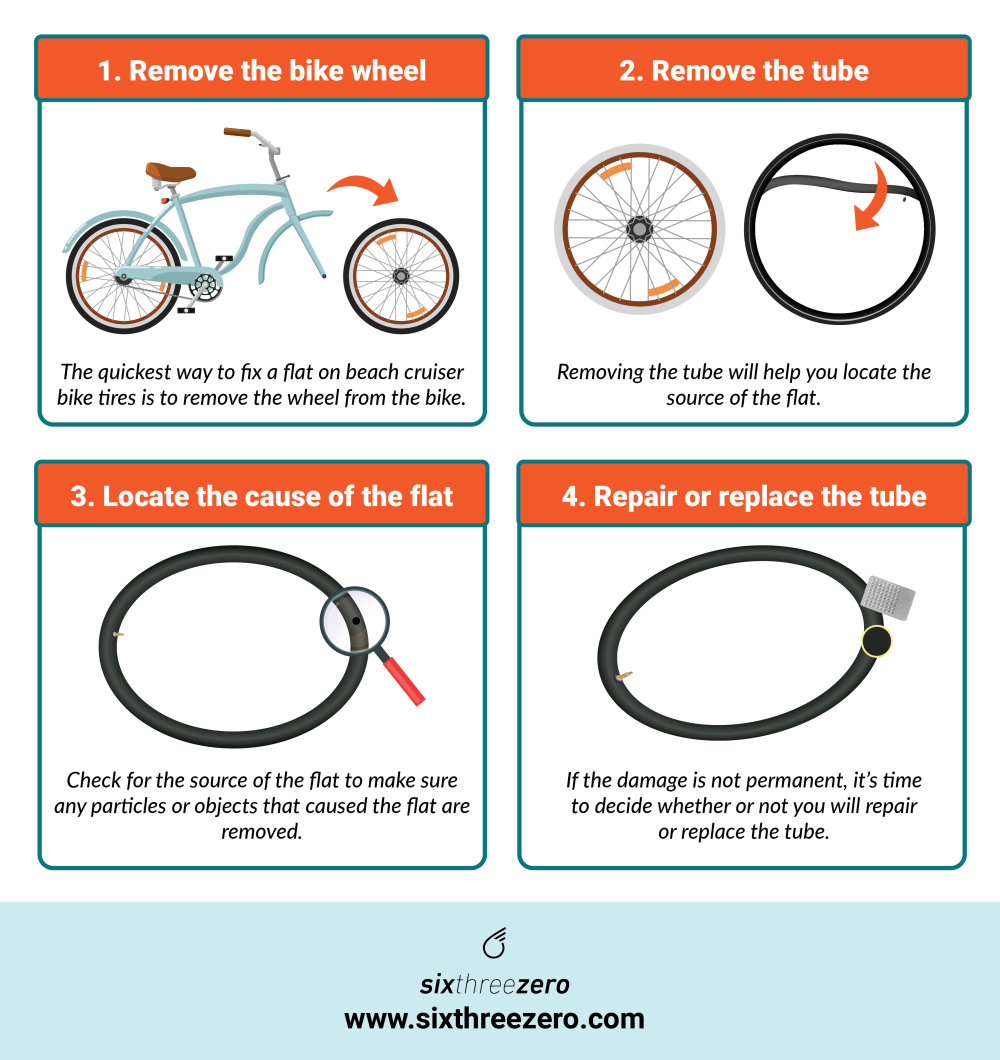
Step 1: Remove The Wheel
First, shift the gears to the smallest cog on the rear. This makes wheel removal easier.
- For quick-release wheels, open the lever and pull the wheel out.
- For bolt-on wheels, use your multi-tool to loosen the nuts.
If the front tire is flat, simply lift the bike and remove the wheel. For the rear, lift the bike, pull back the derailleur, and slide the wheel out.
Non-obvious tip: Check for stuck brake pads. On some bikes, the pads can grip the rim. Squeeze the brakes and release them before removing the wheel.
Step 2: Deflate The Tire Completely
Even if the tire is flat, some air remains. Press the valve to let out all the air. This makes tire removal much easier.
Step 3: Use Tire Levers To Remove The Tire
Insert a tire lever under the edge (bead) of the tire. Hook it onto the spoke. Use a second lever a few inches away and pry the tire off the rim.
Most tires require two levers. If the tire is very tight, work slowly around the rim.
Common mistake: Trying to pull off the tire with fingers. This can damage nails and is rarely successful for mountain bike tires.
Step 4: Remove The Inner Tube
Once the tire is loose, pull out the inner tube. Start near the valve and gently slide it out.
Non-obvious tip: Keep the old tube for inspection. It helps you find what caused the puncture.
Step 5: Check The Tire And Rim
Look inside the tire for sharp objects. Run your fingers around the inside, but do so carefully. Small thorns or glass shards often hide and can cause another flat.
Inspect the rim for damage or sharp edges. Check the rim strip (a layer that protects the tube from the spoke holes).
Step 6: Insert The New Tube
Lightly inflate the new tube. It should hold its shape but still be soft. Insert the valve into the hole first, then tuck the tube around the rim.
Practical tip: Inflate the tube just enough so it’s not floppy. This prevents pinching the tube when reinstalling the tire.
Step 7: Reinstall The Tire
Push the tire bead back onto the rim, starting opposite the valve. Use your fingers as much as possible. Near the end, use tire levers if needed, but be careful not to pinch the tube.
Common mistake: Pinching the new tube with levers. Always check that the tube is not caught under the tire bead.
Step 8: Inflate The Tire
Pump air into the tire. For mountain bikes, typical pressure ranges from 30–50 psi. Lower pressure gives more traction, but too little increases the risk of pinch flats.
Check the tire sidewall for the recommended psi. If you use a CO2 inflator, follow the instructions carefully.
Step 9: Reinstall The Wheel
Place the wheel back onto the bike. Ensure it’s seated straight in the frame.
- For quick-release, close the lever firmly (but not too tight).
- For bolt-on, tighten nuts evenly.
Spin the wheel to make sure it turns freely and doesn’t rub on brake pads.
Step 10: Pack Up And Ride
Put away your tools, old tube, and anything else. If you patched the tube, keep it as a backup. Ride slowly for the first few minutes to check the repair.
Common Mistakes And How To Avoid Them
Changing a flat tire seems simple, but many riders make errors that lead to more flats or damage.
- Skipping tire inspection: Always check for the cause of the flat. Missing a small thorn can cause repeated flats.
- Pinching the new tube: When reinstalling the tire, make sure the tube is not caught between the rim and tire bead.
- Over-inflating: Pumping too much air can burst the tube, especially if it’s not seated correctly.
- Wrong tube size: Using a tube that doesn’t match your tire size leads to weak repairs.
- Loose wheel: Failing to tighten the wheel can cause accidents.
Bonus insight: Many beginners forget to align the tire logo with the valve. This helps locate punctures later, but isn’t essential for function.
Tubeless Tires Vs. Tubed Tires
Mountain bikes can use either tubeless or tubed tires. Tubeless tires use sealant and special rims, making them less likely to get flats from small punctures. However, fixing a large cut or a failed seal is more complex.
Below is a comparison of tubeless and tubed tires:
| Feature | Tubed Tires | Tubeless Tires |
|---|---|---|
| Flat Repair Speed | Quick (10–20 minutes) | Slower if sealant fails |
| Puncture Resistance | Low | High (with sealant) |
| Tools Needed | Basic | Specialized |
| Cost | Lower | Higher |
| Beginner Friendly | Yes | No (requires experience) |
Most beginners use tubed tires because repairs are easier and cheaper. If you ride regularly on rocky trails, consider tubeless tires in the future.
How Tire Pressure Affects Flat Risks
The right tire pressure is critical. Too low, and you risk pinch flats. Too high, and you lose traction and comfort.
Typical mountain bike tire pressures:
| Rider Weight | Tire Pressure (psi) | Flat Risk |
|---|---|---|
| Under 120 lbs | 30–35 | Medium |
| 120–180 lbs | 35–45 | Lower |
| Over 180 lbs | 45–50 | Low |
Non-obvious tip: Tire pressure changes with temperature and altitude. If you ride in cold weather or high mountains, check pressure before every ride.
Credit: cefzanzibar.org
How To Patch A Tube For Temporary Repairs
Sometimes, you don’t have a spare tube. A patch kit can help you finish your ride. Here’s how to patch a tube:
- Locate the hole: Inflate the tube and listen for a hiss or submerge it in water to see bubbles.
- Dry and clean the area: Use a rag to wipe dirt.
- Roughen the surface: Use the sandpaper from the kit.
- Apply glue: Cover the hole and area around it.
- Stick the patch: Press firmly and hold for a minute.
- Wait for glue to dry: Usually 5–10 minutes.
- Reinstall the tube: Follow earlier steps.
Important: Patches are best for small punctures. Large tears or valve damage need a new tube.
What To Do If You Can’t Change The Flat
Sometimes, you can’t fix the flat on the trail. Maybe your spare is missing, or the damage is too big. Here’s what to do:
- Walk your bike: Carry it if the rim is at risk.
- Call for help: Use your phone if you have signal.
- Ask other riders: Many mountain bikers carry extra tubes or tools.
- Hide the bike safely: If leaving it, choose a hidden spot and note the location.
Practical tip: Some local parks or trailheads have repair stations. Check maps before your ride.
Preventing Flat Tires On Mountain Bikes
Prevention is smarter than repair. Here are ways to reduce flat risks:
- Check tire condition: Replace worn tires.
- Maintain correct pressure: Check before every ride.
- Avoid sharp objects: Scan the trail ahead.
- Use tire liners: These add a protective layer inside the tire.
- Upgrade tires: Look for models with thicker rubber or anti-puncture layers.
Bonus insight: Tubeless tires with sealant can fix small punctures while you ride, but you must check the sealant level regularly.
Real-world Example: Fixing A Flat On The Trail
Imagine you’re riding the Colorado Trail, a popular mountain bike route. You hit a sharp rock and hear a hiss—your rear tire is flat.
- You stop, move off the trail, and flip the bike upside down.
- Quickly remove the wheel using the quick-release.
- Deflate the tire fully and use two tire levers to pry off the bead.
- Pull out the tube, find a small hole caused by a thorn.
- Inspect the tire, find and remove the thorn.
- Insert a slightly inflated new tube, tuck it in, and push the tire back on.
- Inflate to 40 psi, check for leaks, and reinstall the wheel.
- Spin the wheel, pack up, and continue your ride.
This process takes about 15 minutes with practice. Beginners may need 25–30 minutes the first time.
Comparison: Mountain Bike Vs. Road Bike Flat Repairs
Mountain bikes and road bikes have different tires and flat repair processes. Here’s a comparison:
| Aspect | Mountain Bike | Road Bike |
|---|---|---|
| Tire Width | Wide (2.0–2.5″) | Narrow (0.7–1.0″) |
| Removal Difficulty | Moderate | Easy |
| Tools Needed | Levers, pump | Levers, pump |
| Flat Frequency | Higher (due to terrain) | Lower (mostly glass/debris) |
| Repair Time | 15–30 min | 10–20 min |
Mountain bike tires are tougher but face more hazards. Road bike flats are usually from glass or sharp objects on pavement.
Safety Tips When Changing A Flat Tire
Flat tire repairs often happen on trails, roads, or in less-than-ideal spots. Here’s how to stay safe:
- Move away from traffic: If near a road, find a safe spot.
- Keep tools organized: Avoid losing small parts in dirt or grass.
- Watch your hands: Use gloves to protect from sharp objects.
- Check for wildlife: In some areas, animals may approach while you’re stopped.
Non-obvious tip: Always carry a headlamp or small flashlight. Flats can happen near sunset, and a light helps you see what you’re doing.

Credit: ambassadoradvertising.com
How Often Should You Practice Changing A Flat?
Many mountain bikers only change a tire when they get a flat. Practicing at home can save time and stress. Try to change a tire every few months, especially before a big ride or race.
Bonus insight: Practicing with both front and rear wheels helps you learn how the derailleur and brake pads affect removal.
What If You Get Multiple Flats In One Ride?
Getting two or more flats in one ride is rare but possible, especially on rough trails. Here’s what to do:
- Check tire thoroughly: A missed thorn or shard can cause repeat flats.
- Patch tubes if needed: Use a patch kit for temporary repairs.
- Consider tire liners or tougher tires: If you get frequent flats, upgrade your gear.
- Ride slower: Speed increases risk on rocky paths.
Environmental Impact: Proper Disposal Of Tubes
Old inner tubes are not biodegradable. Don’t throw them in nature. Many bike shops offer recycling. Some companies use old tubes to make bags or accessories.
Practical tip: Carry your used tube home. If you patch it, keep as an emergency backup.
Summary: Key Steps And Tips
Changing a flat tire on a mountain bike is a skill every cyclist should learn. The main steps are:
- Remove the wheel
- Deflate the tire
- Use tire levers to remove the tire
- Remove the tube
- Inspect for sharp objects
- Insert a new or patched tube
- Reinstall the tire
- Inflate to the correct pressure
- Reinstall the wheel
- Check your repair and pack up
Be careful with tire levers, always check for hidden thorns, and keep your tools ready before every ride. Practice at home to make repairs faster and easier.
If you want more in-depth information on mountain bike maintenance, visit the REI Expert Advice page.
Frequently Asked Questions
How Long Does It Take To Change A Flat Tire On A Mountain Bike?
For most riders, changing a flat takes 15–30 minutes. Beginners may need extra time, especially on the trail. Practicing at home can reduce your repair time.
What Is The Best Tire Pressure For Mountain Bikes To Prevent Flats?
The ideal pressure depends on your weight and terrain. Most mountain bikers use 35–45 psi. Lower pressure gives more grip but increases pinch flat risk. Always check the tire’s sidewall for guidance.
Can I Patch A Tube Instead Of Replacing It?
Yes, you can patch small holes with a patch kit. This works well for tiny punctures. However, for big tears or damage near the valve, replace the tube.
What Should I Do If My Spare Tube Doesn’t Fit?
A tube that’s too small or too large won’t seal properly. In an emergency, you can try patching your old tube. Always carry the correct size for your tire.
How Can I Reduce The Risk Of Flat Tires On Mountain Bike Trails?
Use high-quality tires, maintain correct pressure, avoid sharp objects, and consider tire liners or tubeless setups. Regularly inspect your tires for wear and replace them as needed.
Changing a flat tire is an essential skill for every mountain biker. With the right tools, a bit of practice, and smart prevention, you’ll be ready for any adventure.

Hello Guys! I am John Reese, a professional biker and my hobby is biking! I have been biking for last 12 years and I love using bikes while outing as well. Based on my experiences with the different type of bikes (mountain bikes, road bikes and hybrid bikes); I am sharing my opinion about various bikes so that a beginner can get started right away. Happy reading!