
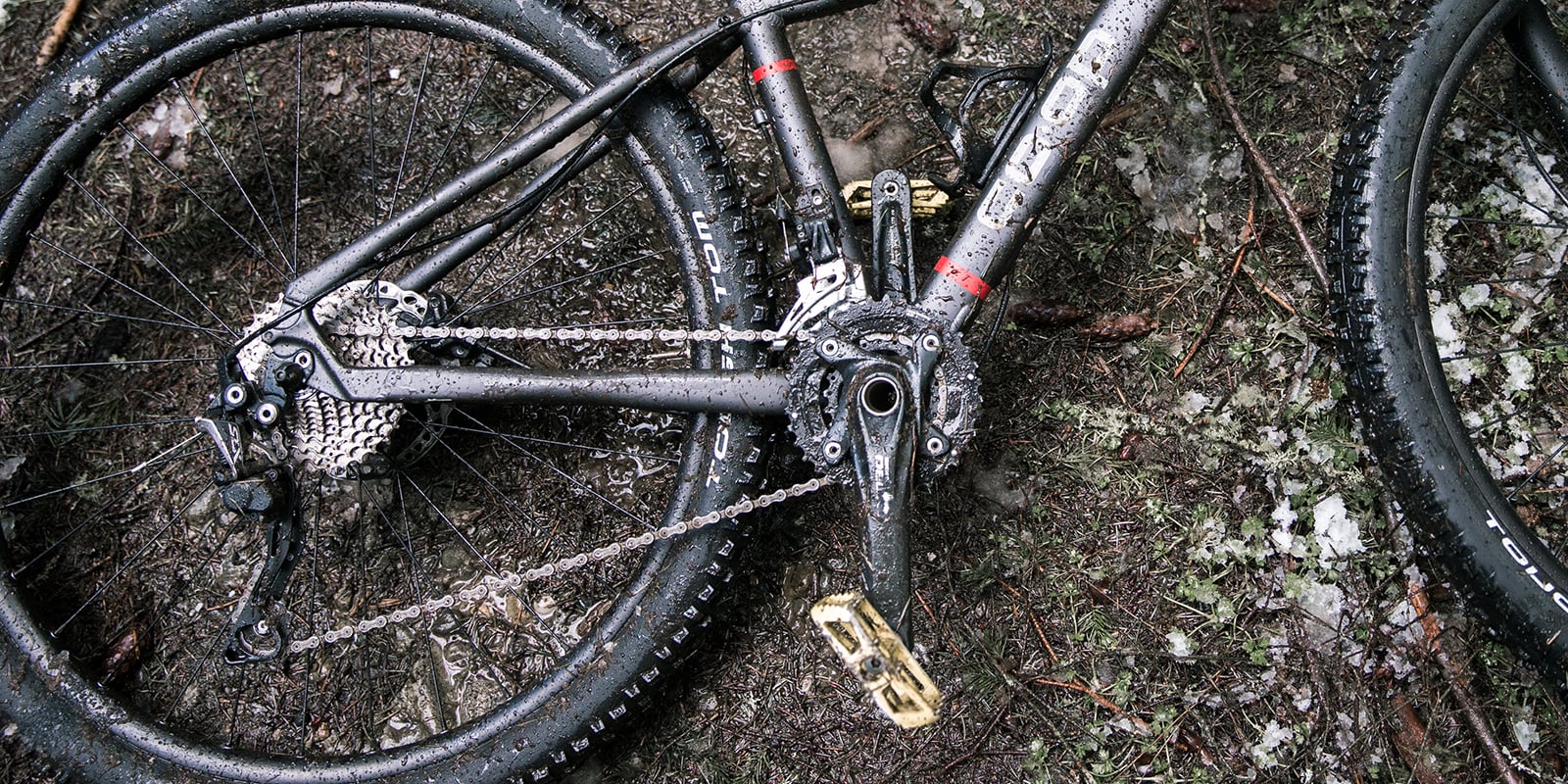
Mountain biking is an adventure full of challenges, excitement, and mud. After a ride, your mountain bike often looks like it survived a storm. Mud sticks everywhere—from the tires and frame to the chain and gears. Riding a muddy bike is not only uncomfortable, but it can also damage your bike’s parts.
Cleaning your mountain bike properly after a muddy ride is crucial. It extends the life of your bike, keeps it working smoothly, and protects your investment.
Many beginners just rinse their bikes and think that’s enough. But mud can hide in places you don’t see and cause problems later. This guide will show you how to clean a muddy mountain bike step by step, give expert tips, and explain why some cleaning habits matter more than others.
You’ll learn which tools and products to use, common mistakes to avoid, and ways to make cleaning faster and easier. Whether your bike is caked in thick mud or just splattered, you’ll know exactly what to do.
Why Cleaning A Muddy Mountain Bike Matters
Mud is more than just dirt. It often contains small rocks, sand, and plant material. These can scratch your bike’s frame, wear out moving parts, and cause rust. When mud dries, it becomes harder to clean and can block your brakes or gears. Here are a few reasons why regular cleaning is important:
- Protects components: Mud wears down parts like the chain, cassette, and derailleur.
- Prevents corrosion: Moisture in mud causes rust, especially if left for days.
- Improves performance: A clean bike shifts better and brakes more reliably.
- Saves money: Cleaning now prevents expensive repairs later.
A study by the International Mountain Bicycling Association found that riders who cleaned their bikes after each muddy ride had 30% fewer mechanical issues over a year. That’s a big difference for such a simple habit.
Essential Tools And Materials
Before you start, gather the right tools. Using proper cleaning equipment makes the job faster and safer for your bike.
- Bucket of water: Clean, not too hot or cold.
- Bike-specific cleaner or mild soap: Avoid harsh detergents.
- Soft brushes: Large for frame, small for tight spots.
- Chain cleaning tool: Optional but useful.
- Degreaser: For drivetrain only.
- Old toothbrush: Great for cassette and chainrings.
- Rags or microfiber towels: For drying and wiping.
- Chain lubricant: Essential after cleaning.
- Gloves: Protect your hands from chemicals and mud.
Don’t use high-pressure washers; they can push water and grit into bearings. Instead, use a garden hose with low pressure if you need to rinse.
Preparing Your Bike For Cleaning
Before you wash, make a few simple preparations. These steps help avoid common mistakes and protect your bike.
- Shift gears to smallest cog and chainring: This exposes the drivetrain and makes cleaning easier.
- Remove accessories: Take off lights, GPS units, and bags. Mud can hide under these.
- Stand your bike upright: Use a bike stand if you have one. If not, lean the bike against a wall or tree.
Many beginners forget to shift gears before cleaning. This makes it harder to reach the chain and rear cassette. Small details like these save time later.
Step-by-step Guide: Cleaning A Muddy Mountain Bike
Cleaning is easier if you follow a logical order. Mud falls from the top down, so start with the frame and finish with the drivetrain.
Step 1: Rinse Off Loose Mud
Use a hose with low pressure or a bucket of water. Splash water gently over the whole bike. Focus on the tires, frame, and under the saddle. Avoid spraying directly into bearings or suspension seals.
If the mud is thick and dry, let water soak for a few minutes. This softens the mud and makes it easier to remove. Some riders make the mistake of scrubbing dry mud, which can scratch the paint.
Step 2: Clean The Frame
Dip a soft brush in soapy water. Gently scrub the frame, fork, and handlebars. Work in sections. Pay attention to the underside of the frame—mud often hides there.
For stubborn spots, use a sponge or soft cloth. Never use wire brushes or abrasive pads; they damage paint and decals.
Step 3: Wash Wheels And Tires
Mud cakes onto tires and rims. Spin each wheel and scrub the tread and sidewalls with a brush. Use a smaller brush to clean between spokes and around the valve stem.
Check for small stones stuck in the tire tread. Remove these carefully. Stones can cause punctures or make cleaning harder next time.
Step 4: Clean Brakes
Mud can block your brakes, making them less effective. For disc brakes, use a brush and mild soap. Avoid oily products near brake pads. For rim brakes, clean the pads and rim surface. If you see mud stuck under the pads, use a toothpick or small tool to remove it.
Some riders use alcohol wipes for disc rotors, but avoid touching brake pads directly with your hands. Oils can reduce braking power.
Step 5: Clean The Drivetrain
The drivetrain (chain, cassette, derailleur, chainrings) is the hardest part. Mud mixes with old oil and forms a sticky paste.
- Apply degreaser to the chain, cassette, and chainrings. Let it sit for a few minutes.
- Use a chain cleaning tool if you have one. Run the chain through the tool several times.
- Scrub with a toothbrush. Clean between cassette cogs, derailleur pulleys, and chainring teeth.
- Rinse with water to remove all degreaser and dirt.
Don’t leave degreaser on for too long. It can dry out rubber parts and seals.
Step 6: Final Rinse
Rinse the whole bike gently with fresh water. Make sure all soap and degreaser are gone. Check tight spots—mud can hide behind the bottom bracket and around the seat tube.
Step 7: Dry The Bike
Use clean rags or microfiber towels. Dry the frame, wheels, drivetrain, and brakes. Don’t let water sit on the bike. It can cause rust and make your chain squeak.
If possible, let the bike air dry in a shady spot. Avoid direct sunlight; it can fade paint and damage rubber parts.
Step 8: Lubricate The Chain And Drivetrain
Once the bike is dry, apply chain lubricant. Use a bike-specific oil. Drip a small amount onto each link while turning the pedals. Wipe off excess with a rag.
Don’t use WD-40 or household oils. These can attract more dirt or damage parts. Lubricate only the chain, not the cassette or derailleur pulleys.
Step 9: Reinstall Accessories And Check Everything
Put back lights, GPS units, and bags. Spin the wheels, shift gears, and test brakes. Make sure everything works smoothly.
Comparison: Bike Cleaning Products
Choosing the right cleaning products makes a big difference. Some cleaners are safe for bikes, others are not. Here’s a quick comparison:
| Product | Safe for Bikes? | Price Range | Effectiveness |
|---|---|---|---|
| Bike-specific cleaner | Yes | $10–$20 | High |
| Mild dish soap | Yes | $2–$5 | Moderate |
| Car wash soap | Sometimes | $7–$15 | Moderate |
| Degreaser | Yes (drivetrain only) | $8–$15 | Very High |
| Household cleaners | No | $3–$8 | Low |
Use bike-specific cleaners for the best results. Avoid household cleaners—they can damage paint and rubber parts.
Tips For Faster And More Effective Cleaning
Even if you’re in a hurry, a few smart habits can speed up the process without sacrificing quality.
- Clean soon after riding: Mud is easier to remove when it’s fresh.
- Use two buckets: One for soapy water, one for rinsing brushes. This prevents spreading dirt.
- Keep separate brushes: Have one for the frame, one for the drivetrain. Don’t mix them.
- Work from top to bottom: Gravity helps dirt fall away.
- Check hidden spots: Mud often hides under the saddle, behind the crank, and inside the fork arch.
Many beginners don’t realize that using the same brush for the chain and frame spreads greasy dirt everywhere. Keeping tools separate is a simple but powerful trick.
How Often Should You Clean Your Mountain Bike?
Cleaning frequency depends on how often and where you ride. Muddy rides require more cleaning than dry ones.
- After every muddy ride: Full cleaning recommended.
- After dry, dusty rides: Quick wipe down and chain lube.
- After wet, but not muddy rides: Clean drivetrain, dry frame.
According to a survey of mountain bike owners, 65% clean their bikes after each muddy ride, but only 28% clean after every dry ride. Skipping cleaning after mud shortens the life of your drivetrain by up to 40%.
Common Mistakes To Avoid
Some mistakes seem harmless but can cause big problems later. Here are a few to watch out for:
- Using high-pressure water: Forces dirt into bearings and seals.
- Scrubbing dry mud: Scratches paint and finishes.
- Leaving degreaser on too long: Damages rubber parts.
- Not drying the bike: Leads to rust and corrosion.
- Lubricating dirty chains: Traps dirt and makes cleaning harder next time.
- Using household cleaners: Damages paint, seals, and decals.
A surprising mistake: Many riders forget to check their brake pads for mud. This reduces braking power and can cause accidents.
Credit: www.rei.com
Cleaning Suspension And Bearings
Suspension and bearings are sensitive parts. Mud can get into seals and cause wear. Clean these areas gently.
- Suspension forks and shocks: Use a soft brush and water. Avoid degreaser or soap near seals.
- Headset and bottom bracket: Wipe with a damp rag. Don’t spray water directly.
If you see mud inside seals or bearings, consider professional maintenance. Forcing water into these parts can cause long-term damage.
Detailed Comparison: Bike Brushes
Different brushes serve different purposes. Choosing the right ones makes cleaning easier.
| Brush Type | Best Use | Bristle Material | Average Price |
|---|---|---|---|
| Large soft brush | Frame, wheels | Nylon | $8–$12 |
| Small detail brush | Drivetrain, tight spots | Nylon | $5–$8 |
| Chain cleaning tool | Chain | Plastic/nylon | $15–$25 |
| Toothbrush | Cassette, chainrings | Nylon | $1–$3 |
Investing in good brushes saves time and prevents damage.
Environmental Considerations
Cleaning your bike creates dirty water and waste. Be mindful of where you clean and what products you use.
- Use biodegradable cleaners: They’re safer for plants and animals.
- Avoid cleaning in streams or rivers: Dirty water can harm wildlife.
- Dispose of dirty water responsibly: Pour it onto gravel or grass, not into drains.
The Environmental Protection Agency warns that harsh cleaners and lubricants can pollute local water sources. Choose bike-specific, eco-friendly products whenever possible.
Storing Your Bike After Cleaning
Proper storage keeps your bike clean longer. Here’s what to do:
- Store indoors or under cover: Protects from rain and dust.
- Hang the bike if possible: Keeps tires and drivetrain off the ground.
- Check for moisture: Make sure the bike is dry before storing.
Storing a wet bike leads to rust and corrosion, especially on the chain and bolts.
Maintenance After Cleaning
Cleaning is just one part of bike care. Regular maintenance improves performance and safety.
- Inspect tires for wear and damage: Mud can hide cuts or punctures.
- Check bolts and screws: Mud loosens fasteners.
- Test brakes and gears: Make sure they work smoothly.
- Lubricate moving parts: Not just the chain; use a small amount on derailleur pulleys and cables.
After cleaning, some riders forget to check tire pressure. Mud can hide leaks or slow punctures.
Real-world Example: Cleaning A Muddy Bike After A Race
Let’s look at a practical example. After a mountain bike race, bikes are often covered in thick mud. Here’s how a professional mechanic cleans a bike in under 30 minutes:
- Rinses the bike quickly with a hose, avoiding bearings.
- Uses a bike-specific cleaner and large brush for the frame.
- Scrubs wheels and tires, removes stones.
- Cleans brakes and drivetrain with degreaser and small brushes.
- Rinses again, dries with microfiber towels.
- Lubricates the chain, checks brakes and gears.
- Stores the bike indoors.
This process keeps the bike ready for the next race and prevents mechanical problems.

Credit: us.amazon.com
Advanced Cleaning Tips For Experienced Riders
If you ride often or in extreme conditions, you may need extra steps.
- Remove wheels for deep cleaning: Easier access to fork and rear triangle.
- Use compressed air (carefully): Blows out water from tight spots.
- Apply frame polish: Protects paint and makes mud slide off next time.
- Clean pedals and cleats: Mud can block clip-in mechanisms.
Some riders use a torque wrench to check bolts after cleaning. Loose bolts can cause accidents and are easy to miss after a muddy ride.
Quick Comparison: Lubricant Types
Choosing the right lubricant depends on your riding conditions.
| Lubricant Type | Best For | Water Resistance | Attracts Dirt? |
|---|---|---|---|
| Wet lube | Muddy, wet rides | High | Yes |
| Dry lube | Dry, dusty rides | Low | No |
| Ceramic lube | All conditions | Moderate | No |
Wet lube protects the chain in muddy conditions but attracts more dirt. Dry lube is better for dust but washes off easily.

Credit: www.youtube.com
Deep Cleaning: When Should You Do It?
Regular cleaning is enough most of the time. But after very muddy rides or races, deep cleaning is needed.
- Remove wheels, chain, and cassette: Clean each part separately.
- Inspect bearings and seals: Look for mud inside.
- Use specialized tools: Chain wear checker, torque wrench.
Deep cleaning takes more time but prevents long-term damage. Most riders do this once a month or after heavy mud rides.
Protecting Your Bike After Cleaning
After cleaning, you can add extra protection.
- Apply frame protector film: Prevents scratches.
- Use mudguards: Keeps mud off frame and drivetrain.
- Check tire tread: Mud wears tires faster.
Many riders miss the importance of mudguards. They keep your bike cleaner and save time on every wash.
Extra Tips For Cleaning In Cold Or Rainy Weather
Cold or rainy weather makes cleaning harder. Water freezes, soap doesn’t work well, and mud sticks more.
- Clean indoors if possible: Use a garage or shed.
- Use warm water: Helps loosen mud.
- Dry thoroughly: Cold air slows drying, so use extra towels.
In freezing weather, never use hot water directly on cold bike parts. It can crack paint and seals.
Common Questions Beginners Have
Many new riders wonder about cleaning frequency, products, and techniques. Here are some answers:
- Is it okay to use car wash soap? Sometimes, but bike-specific cleaner is better.
- Can I use WD-40 as chain lube? No. It’s not designed for bike chains.
- Should I clean my bike after every ride? Only after muddy or wet rides. Quick wipe for dry rides.
- Do I need a bike stand? It helps but isn’t required.
- How long does cleaning take? 20–40 minutes, depending on mud and tools.
Frequently Asked Questions
How Often Should I Clean My Mountain Bike After Muddy Rides?
Clean your bike after every muddy ride. Mud can damage parts and cause rust if left too long. Even a quick rinse is better than waiting. For dry rides, a wipe down and chain lube is enough.
Can I Use A Pressure Washer To Clean My Mountain Bike?
It’s not recommended. Pressure washers force water and grit into bearings, seals, and suspension. This can cause expensive damage. Use a hose with low pressure or a bucket of water instead.
What Is The Best Chain Lubricant For Muddy Conditions?
Use wet lube for muddy and wet rides. It sticks to the chain and protects against water. But wipe off extra lube—too much attracts dirt. For all conditions, ceramic lube is a good choice.
How Do I Prevent Rust After Cleaning?
Dry your bike fully after every wash. Use microfiber towels and let the bike air dry. Apply chain lubricant right after cleaning. Store your bike indoors or under cover to keep moisture away.
Are Household Cleaners Safe For Mountain Bikes?
No. Most household cleaners are too harsh and can damage paint, rubber, and seals. Use bike-specific cleaners or mild soap for best results. For more information, see Bike Maintenance Guide.
Keeping your mountain bike clean after muddy rides isn’t just about looks—it’s about performance, safety, and saving money. With the right tools, habits, and products, cleaning becomes fast and easy. A well-cared-for bike lasts longer, rides better, and keeps you ready for every adventure.
If you follow these steps, you’ll not only protect your investment but also enjoy every ride with confidence.

Hello Guys! I am John Reese, a professional biker and my hobby is biking! I have been biking for last 12 years and I love using bikes while outing as well. Based on my experiences with the different type of bikes (mountain bikes, road bikes and hybrid bikes); I am sharing my opinion about various bikes so that a beginner can get started right away. Happy reading!