
Changing the crankset on a mountain bike can seem intimidating, especially if you’re new to bike maintenance. But with the right guidance and tools, you can upgrade or replace your crankset at home, saving money and learning more about your bike.
This guide will walk you through each step, explain the parts, and highlight common mistakes. Along the way, you’ll find expert tips that help you avoid trouble and get the job done right the first time.
A crankset is not just a set of pedals and gears. It’s the heart of your bike’s drivetrain, transferring your pedaling power to the chain and wheels. Swapping it out can improve your bike’s performance, fix worn-out parts, or let you customize for your riding style.
Whether you’re upgrading to a lighter model, switching to a single chainring, or just replacing a damaged crank, this guide covers everything you need to know.
Before you start, it’s important to understand why cranksets vary and what makes a good replacement. You’ll learn how to choose the right crankset, gather tools, and handle each step safely. By the end, you’ll have the confidence to tackle the job yourself and troubleshoot any issues along the way.
Understanding Mountain Bike Cranksets
A crankset is made up of crank arms, chainrings, and the bottom bracket spindle. On mountain bikes, cranksets come in several designs. Knowing these differences helps you pick the right replacement and avoid compatibility issues.
Types Of Cranksets
- Single (1x) Crankset: One chainring, simpler shifting, popular for trail and enduro riding.
- Double (2x) Crankset: Two chainrings, more gear range, good for varied terrain.
- Triple (3x) Crankset: Three chainrings, wide range, older bikes, less common now.
The crank arms connect the pedals to the chainrings. The chainrings are attached to the crank spider or directly to the crank arm. The spindle fits through the bottom bracket shell, linking the crankset to the bike frame.
Crankset Compatibility
Not all cranksets fit all mountain bikes. You need to match:
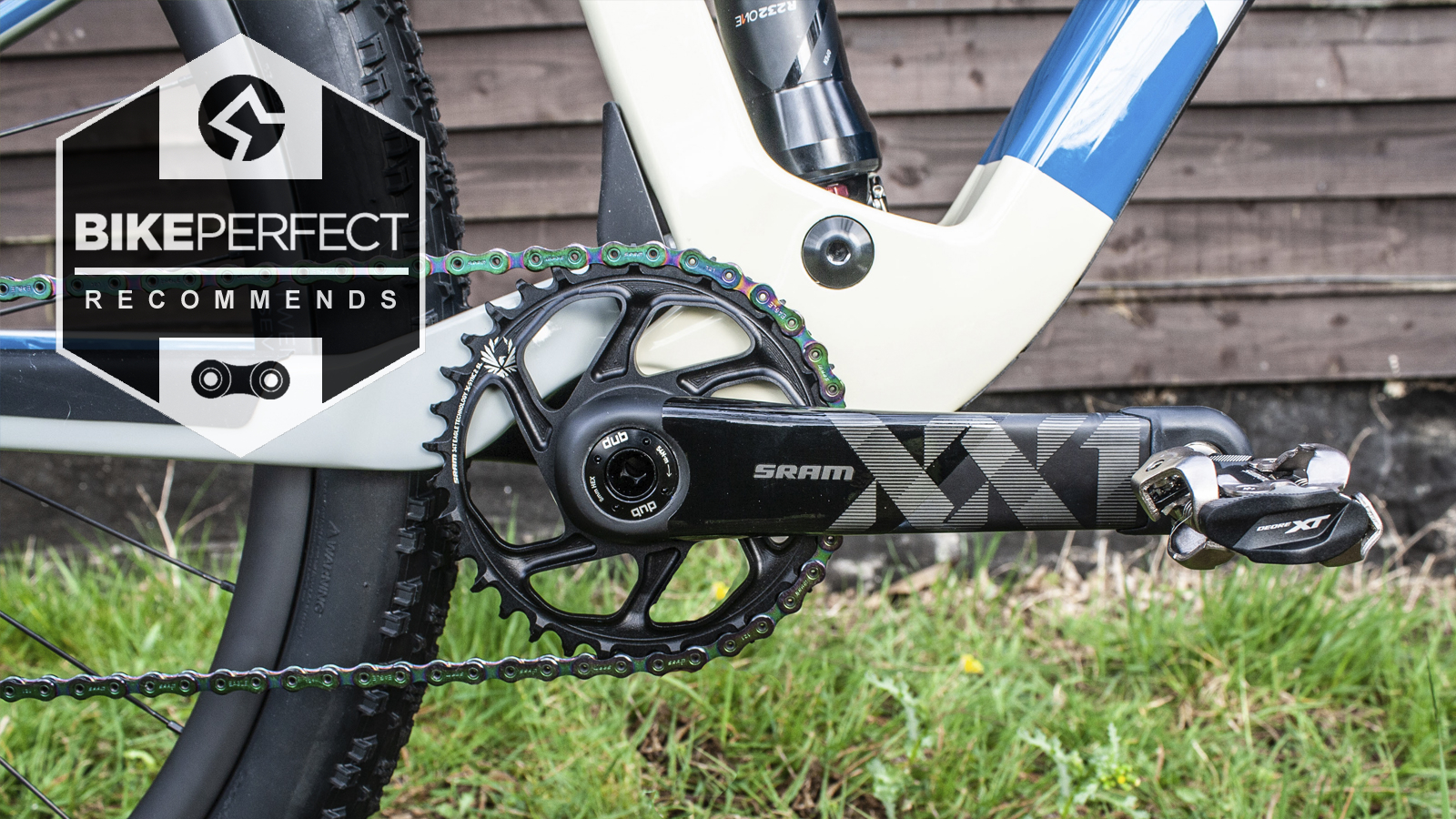
- Bottom bracket type (e.g., threaded, press-fit, BB30, SRAM DUB)
- Spindle diameter (e.g., 24mm, 30mm)
- Chainring size (number of teeth, bolt circle diameter)
- Q-factor (distance between pedal attachment points)
- Chainline (alignment with the rear cassette)
Here’s a quick comparison of common crankset standards:
| Crankset Type | Bottom Bracket | Spindle Diameter | Chainring Mount |
|---|---|---|---|
| Shimano Hollowtech II | Threaded/Press-fit | 24mm | 4-bolt |
| SRAM GXP | Threaded/Press-fit | 24mm | 3-bolt |
| SRAM DUB | Threaded/Press-fit | 28.99mm | 3-bolt |
| BB30 | Press-fit | 30mm | Direct mount |
Non-obvious insight: Many beginners overlook spindle diameter and bottom bracket compatibility. Always check both before buying a crankset.
When Should You Change A Crankset?
Changing a crankset isn’t just for upgrades. Sometimes, it’s necessary:
- Worn out chainrings: Teeth get sharp, bent, or missing.
- Damaged crank arms: Cracks or bends from crashes.
- Upgrading drivetrain: Moving to a 1x setup or lighter crankset.
- Changing bottom bracket: Sometimes new bottom brackets require a new crankset.
- Improving performance: Lighter, stiffer cranksets can make pedaling more efficient.
If you notice chain skipping, rough shifting, or visible damage, it’s time to inspect your crankset.
Credit: ambassadoradvertising.com
Tools And Parts Needed
Before you start, gather these tools:
- Bike stand (optional, but makes work easier)
- Hex/Allen wrenches (usually 4mm, 5mm, 8mm)
- Crank puller tool (for square taper or ISIS cranksets)
- Bottom bracket tool (specific to your bike’s bottom bracket)
- Torque wrench (for correct tightening)
- Grease (to prevent corrosion)
- Rag and degreaser (for cleaning)
- Replacement crankset
- Replacement bottom bracket (if needed)
Some cranksets, like Shimano Hollowtech II or SRAM DUB, don’t need a crank puller. Always check your crankset type before buying tools.
Here’s a summary of tool compatibility:
| Crankset Type | Crank Removal Tool | Bottom Bracket Tool |
|---|---|---|
| Square Taper/ISIS | Crank Puller | Bottom Bracket Socket |
| Shimano Hollowtech II | None (Allen wrench) | Hollowtech II Tool |
| SRAM GXP/DUB | None (Allen wrench) | DUB Tool |
| BB30 | None (Allen wrench) | Press-fit Removal Tool |
Pro tip: If you’re unsure about your bottom bracket, check the markings on the shell or consult your bike’s manual.
Step-by-step Guide To Changing A Crankset
Now let’s walk through the process. Take your time, and follow each step carefully.
1. Prepare Your Bike
Place your bike in a stable position, ideally on a bike stand. Shift the chain onto the smallest chainring and smallest rear cog. This relieves chain tension and makes removal easier.
Clean the crankset and bottom bracket area with a rag and degreaser. Dirt can hide bolts and make removal difficult.
2. Remove Pedals
Use a pedal wrench or Allen key to unscrew the pedals from the crank arms. Remember:
- The right pedal unscrews counterclockwise.
- The left pedal unscrews clockwise.
Set the pedals aside. Beginners often forget this step, making crank removal harder.
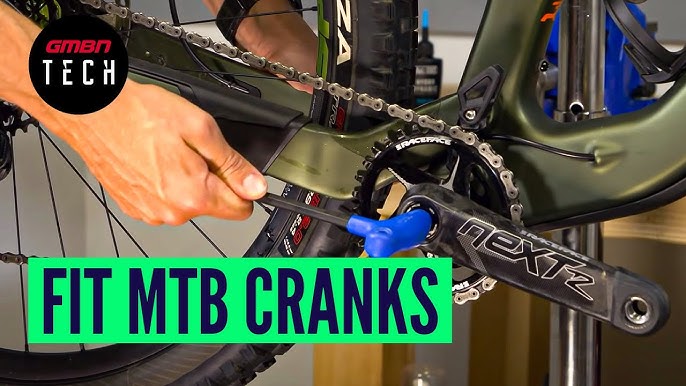
3. Remove The Old Crankset
The removal method depends on crankset type.
Square Taper Or Isis Crankset
- Unscrew the crank bolts (usually 8mm Allen).
- Thread the crank puller tool into the crank arm.
- Turn the tool to pull the crank arm off the spindle.
- Repeat for both sides.
Shimano Hollowtech Ii, Sram Gxp, Dub, Bb30
- Unscrew pinch bolts or main crank bolt (usually 5mm or 8mm Allen).
- Remove any plastic end caps.
- Gently wiggle and slide the crank arms off the spindle.
- For press-fit systems, use a rubber mallet if necessary, but avoid force.
Non-obvious insight: Some cranksets have hidden washers or spacers. Keep track of these for reassembly.
4. Remove The Bottom Bracket (if Needed)
If you’re replacing the bottom bracket:
- Use the correct bottom bracket tool.
- Unscrew both cups or press-fit units.
- Clean the bottom bracket shell with a rag and inspect for damage.
If reusing the bottom bracket, inspect for roughness or play. A worn bottom bracket can cause poor shifting and noise.
5. Install New Bottom Bracket
- Apply a thin layer of grease to threads or shell.
- Carefully thread or press-fit the new bottom bracket.
- Tighten to manufacturer specs (usually 30–40 Nm).
If using a torque wrench, follow the recommended torque. Overtightening can damage the frame.
6. Install New Crankset
- Slide the new crank arms onto the spindle.
- Install any spacers or washers as needed.
- Tighten crank bolts to manufacturer specs.
- For systems with pinch bolts, tighten each evenly.
Always check for play or movement after installation. The crank arms should spin smoothly, with no wobble.
7. Reinstall Pedals
Apply a little grease to pedal threads. Install:
- Right pedal: Clockwise.
- Left pedal: Counterclockwise.
Tighten securely, but don’t overtighten.
8. Adjust Chainline And Shifting
Check the chainline—the alignment between chainring and cassette. Improper chainline can cause chain drop or poor shifting.
Test shifting through all gears. Adjust front derailleur if necessary:
- If chain drops off the chainring, adjust the limit screws.
- For single chainring setups, remove front derailleur.
9. Test Ride And Fine Tune
Take your bike for a short ride. Listen for creaks, check shifting, and watch for chain skipping. If you notice any issues, recheck bolt tightness and chainline.
Common mistake: Forgetting to retighten bolts after the first ride. Always check again after the bike settles.
Credit: www.youtube.com
Choosing The Right Crankset For Your Mountain Bike
Selecting a crankset is more than picking a brand or style. You need to match it to your bike’s needs and your riding goals.
Key Factors To Consider
- Bottom bracket compatibility: Confirm spindle and shell type.
- Chainring size: Bigger rings mean higher gears, smaller rings for easier climbing.
- Crank arm length: Standard is 170–175mm. Shorter arms for smaller riders or technical terrain.
- Q-factor: Wider Q-factor gives more stability; narrower for efficiency.
- Weight: Lighter cranksets help with climbing and acceleration.
- Material: Aluminum is common, carbon is lighter but more expensive.
Comparing Popular Cranksets
Here’s a look at three common mountain bike cranksets:
| Model | Weight (g) | Material | Price (USD) | Chainring Options |
|---|---|---|---|---|
| Shimano Deore M6100 | 738 | Aluminum | $120 | 30T, 32T, 34T |
| SRAM GX Eagle | 600 | Aluminum | $140 | 30T, 32T |
| Race Face Next SL | 425 | Carbon | $430 | 28T–38T |
Non-obvious insight: The lighter crankset isn’t always the best. Heavier aluminum cranksets can be more durable for aggressive riding.
Mistakes To Avoid When Choosing
- Overlooking bottom bracket compatibility.
- Choosing chainrings that don’t fit your cassette range.
- Ignoring crank arm length for your height and riding style.
- Buying carbon cranksets without considering terrain (they can chip or crack on rocky trails).
Practical Tips For A Smooth Crankset Swap
Changing a crankset is simple if you plan ahead. Here are some practical tips:
- Lay out all parts and tools before starting.
- Take photos during disassembly to help with reassembly.
- Check manufacturer specs for torque and order of assembly.
- Inspect chainrings and chain for wear—replacing crankset with a worn chain can cause skipping.
- Test ride on gentle terrain before hitting rough trails.
If you run into trouble, don’t force parts. Double-check compatibility or consult a bike shop.
Troubleshooting Common Problems
Even with careful work, issues can arise. Here’s how to solve the most common crankset problems.
Crank Arms Won’t Fit
- Check spindle diameter and bottom bracket type.
- Inspect for hidden spacers or washers.
Creaking Or Clicking Noise
- Tighten crank bolts to correct torque.
- Grease contact points.
- Inspect bottom bracket bearings.
Poor Shifting Or Chain Drop
- Adjust derailleur limit screws.
- Check chainline.
- Inspect for worn chainrings or chain.
Pedals Won’t Thread
- Check pedal thread direction.
- Inspect for damaged threads.
- Apply grease and thread carefully.
Crank Arms Wobble
- Retighten bolts.
- Inspect bottom bracket for play.
- Check for bent crank arms.
If problems persist, take your bike to a professional mechanic. Some issues, like damaged bottom bracket shells, require expert tools and experience.
Safety And Maintenance Tips
A crankset change is a good time to improve your bike’s safety and maintenance. Here’s how:
- Inspect frame for cracks near the bottom bracket.
- Clean and grease all parts during assembly.
- Replace chain if it’s stretched or worn.
- Check pedal bearings for smooth rotation.
- Use a torque wrench for all bolts.
Regular maintenance helps prevent damage and keeps your bike running smoothly.
Real-world Example: Upgrading To A 1x Crankset
Many mountain bikers upgrade from a triple or double crankset to a single (1x) setup. This simplifies shifting, reduces weight, and makes riding easier.
Let’s say you have a Shimano Deore triple crankset. You want to switch to a SRAM GX Eagle 1x crankset.
Steps:
- Remove old triple crankset and bottom bracket.
- Install new DUB bottom bracket.
- Fit SRAM GX Eagle crankset with 32T chainring.
- Remove front derailleur and shifter.
- Adjust chainline and rear derailleur.
Benefits:
- Weight savings: About 300g lighter.
- Simpler shifting: No front derailleur to maintain.
- Better chain retention: Narrow-wide chainring reduces chain drop.
Expert tip: Always check rear cassette compatibility. A wide-range cassette (like 10–50T) is ideal for 1x setups.
Environmental Impact Of Crankset Choices
Bike parts, including cranksets, have an environmental footprint. Aluminum cranksets are recyclable, while carbon fiber is harder to recycle.
- Aluminum cranksets: Durable, easy to recycle.
- Carbon cranksets: Lightweight, but production uses more energy.
When disposing of old cranksets, recycle metal parts and avoid landfill. Some bike shops offer recycling programs.

Credit: pizzavilleusa.com
Cost Breakdown: Diy Vs Bike Shop
Changing a crankset yourself can save money. Here’s a comparison:
| Expense | DIY Cost | Bike Shop Cost |
|---|---|---|
| Crankset | $100–$400 | $100–$400 |
| Bottom Bracket | $30–$70 | $30–$70 |
| Tools | $40–$80 | Included |
| Labor | Free | $40–$80 |
| Total | $170–$550 | $170–$550 + labor |
Non-obvious insight: Investing in tools pays off if you plan to do more maintenance in the future.
Frequently Asked Questions
How Do I Know If My Crankset Needs Replacing?
Look for worn teeth, bent arms, or cracks. If your chain skips, shifts poorly, or you hear creaks, inspect your crankset. If the damage is visible or performance drops, it’s time to replace it.
Can I Change A Crankset Without Special Tools?
Some modern cranksets (like Shimano Hollowtech II) only need Allen wrenches. Older types require a crank puller and bottom bracket tool. Using correct tools prevents damage and makes the job easier.
How Do I Choose The Right Crank Arm Length?
Standard mountain bike crank arms are 170–175mm. Shorter arms (165mm) suit smaller riders or technical terrain. Longer arms (180mm) can give more leverage but may cause pedal strikes.
Is It Necessary To Replace The Bottom Bracket When Changing Cranksets?
If the new crankset uses a different spindle diameter or bottom bracket type, you must replace it. If your current bottom bracket is smooth and fits, you can keep it. Always check compatibility.
What Is The Chainline And Why Does It Matter?
The chainline is the alignment between the chainring and cassette. Proper chainline improves shifting and reduces wear. If it’s off, you may get chain drops or poor performance.
Swapping a crankset can transform your mountain bike, making it smoother and more reliable. With careful planning and patience, you can do it at home. For more detailed technical info, visit Sheldon Brown’s bike tech guide.
Taking on this job yourself builds confidence and saves money. If you get stuck, don’t hesitate to ask for help at your local bike shop. Every bike is a little different, so adapt these steps as needed. Enjoy your new crankset and the improved ride—it’s worth the effort!

Hello Guys! I am John Reese, a professional biker and my hobby is biking! I have been biking for last 12 years and I love using bikes while outing as well. Based on my experiences with the different type of bikes (mountain bikes, road bikes and hybrid bikes); I am sharing my opinion about various bikes so that a beginner can get started right away. Happy reading!