
Changing the stem on your mountain bike might sound complicated, but it’s one of those upgrades that can transform your ride. Maybe you’re looking to improve comfort, boost control, or adjust your fit for a better riding position. With the right guidance and a few tools, you can swap your stem at home, saving money and learning more about your bike in the process.
Many riders overlook the stem, focusing more on flashy components like wheels or suspension. But the stem is a small part with a big effect. It connects your handlebars to your fork steerer tube, and the length, angle, and clamp size can change how your bike handles.
If you’ve ever felt stretched out, cramped, or unstable, a stem swap might be the fix you need.
In this article, you’ll learn every step of changing a mountain bike stem, from picking the right replacement to avoiding common mistakes. Along the way, you’ll find practical tips, clear examples, and expert advice that even beginners can follow. Whether you’re upgrading for performance or comfort, this guide will help you get it right the first time.
Why Change Your Mountain Bike Stem?
There are several reasons why riders change their stem. Each reason has a direct impact on the bike’s behavior or how it feels to ride.
Improving Fit And Comfort
One of the most common reasons is rider fit. If your bike feels uncomfortable—maybe your back aches, your arms are stretched too far, or your handling feels awkward—a different stem length or angle can help. For example, a shorter stem brings the handlebars closer, making the riding position more upright and relaxed.
Boosting Handling And Performance
Stem length and angle also affect how the bike handles. A shorter stem makes steering quicker and more responsive, which is great for technical trails. A longer stem slows down steering but can help with stability, especially on climbs.
Upgrading Components
Some riders upgrade their stem for better quality, lighter materials, or a modern look. The original stem might be heavy, rusty, or simply outdated.
Repairing Damage
Stems can bend or crack in crashes. If your stem is damaged, swapping it out is necessary for safety.
Adjusting For New Handlebars
If you change your handlebars—say, from a flat bar to a riser bar—you might need a new stem to match the clamp size or angle.
Types Of Mountain Bike Stems
Choosing the right stem starts with understanding the different types. Each type has its own features and purpose.
Threadless Stems
Most modern mountain bikes use threadless stems. These clamp onto the outside of the fork steerer tube and use bolts for adjustment. They’re easy to install and come in many lengths and angles.
Quill Stems
Older bikes often have quill stems, which slide inside the steerer tube and use a wedge to hold them in place. They’re less common now but still found on some bikes.
Adjustable Stems
Adjustable stems allow you to change the angle after installation. They’re heavier but useful for riders who want to experiment with fit.
Direct Mount Stems
Some downhill bikes use direct mount stems that bolt directly onto the fork crown. These are specialized and not common on most mountain bikes.
| Stem Type | Common Use | Adjustability | Weight (Approx) |
|---|---|---|---|
| Threadless | Modern MTB | Fixed length/angle | 120-180g |
| Quill | Older bikes | Fixed length/angle | 180-240g |
| Adjustable | Hybrid/Comfort | Angle adjustable | 200-300g |
| Direct Mount | Downhill | Fixed | 160-210g |
How To Choose The Right Stem
Picking the right stem is more than just grabbing what looks good. Here are the main factors to consider.
Length
Stem length is measured from the center of the steerer tube to the center of the handlebar clamp. Common mountain bike stems range from 35mm to 100mm. Shorter stems (35–60mm) improve handling; longer stems (80–100mm) are often used for cross-country riding.
Angle (rise)
Stem angle is called rise. A higher rise brings the handlebars up, making your position more upright. Most stems have a rise between 0° and 10°, but some go higher.
Clamp Diameter
There are two clamp diameters:
- Steerer tube clamp: Usually 1 1/8 inches (28.6mm) for modern bikes.
- Handlebar clamp: Most mountain bikes use 31.8mm or 35mm. Always match your handlebar diameter.
Material
Stems are made from aluminum, carbon, or steel. Aluminum is most common—light and strong. Carbon is lighter but expensive. Steel is heavy but durable.
Weight
Weight matters for performance. Most stems weigh 120–180 grams, but lighter options exist.
Compatibility
Check that your new stem matches:
- Steerer tube diameter
- Handlebar clamp diameter
- Desired length and angle
Example: Matching Stem To Bike
If you have a modern mountain bike with a 1 1/8 inch steerer and 31. 8mm handlebars, pick a stem that matches these sizes. If your bike uses a 35mm handlebar, get a stem with a 35mm clamp.
Non-obvious Insight: Torque Values
Many riders forget that stems have torque values for bolts. Overtightening can damage the stem or handlebars. Always check the recommended torque printed on the stem.
Tools And Supplies You Need
Before you start, gather these tools:
- Allen wrenches (usually 4mm, 5mm, and 6mm)
- Torque wrench (for precise tightening)
- Grease (optional, prevents corrosion)
- Rags (for cleaning)
- New stem
- Optional: Handlebars (if swapping)
Having everything ready saves time and avoids frustration.
Non-obvious Insight: Use A Torque Wrench
Many riders use regular Allen wrenches, but a torque wrench ensures bolts are not overtightened. This prevents damage and keeps your bike safe.

Credit: www.youtube.com
Step-by-step: How To Change A Mountain Bike Stem
Changing a stem is straightforward, but careful steps are important.
1. Prepare Your Workspace
Find a clean, flat area. Lay down a rag or mat to protect the bike and parts.
2. Secure Your Bike
Use a bike stand if you have one. If not, lean the bike against a stable surface.
3. Remove The Handlebar
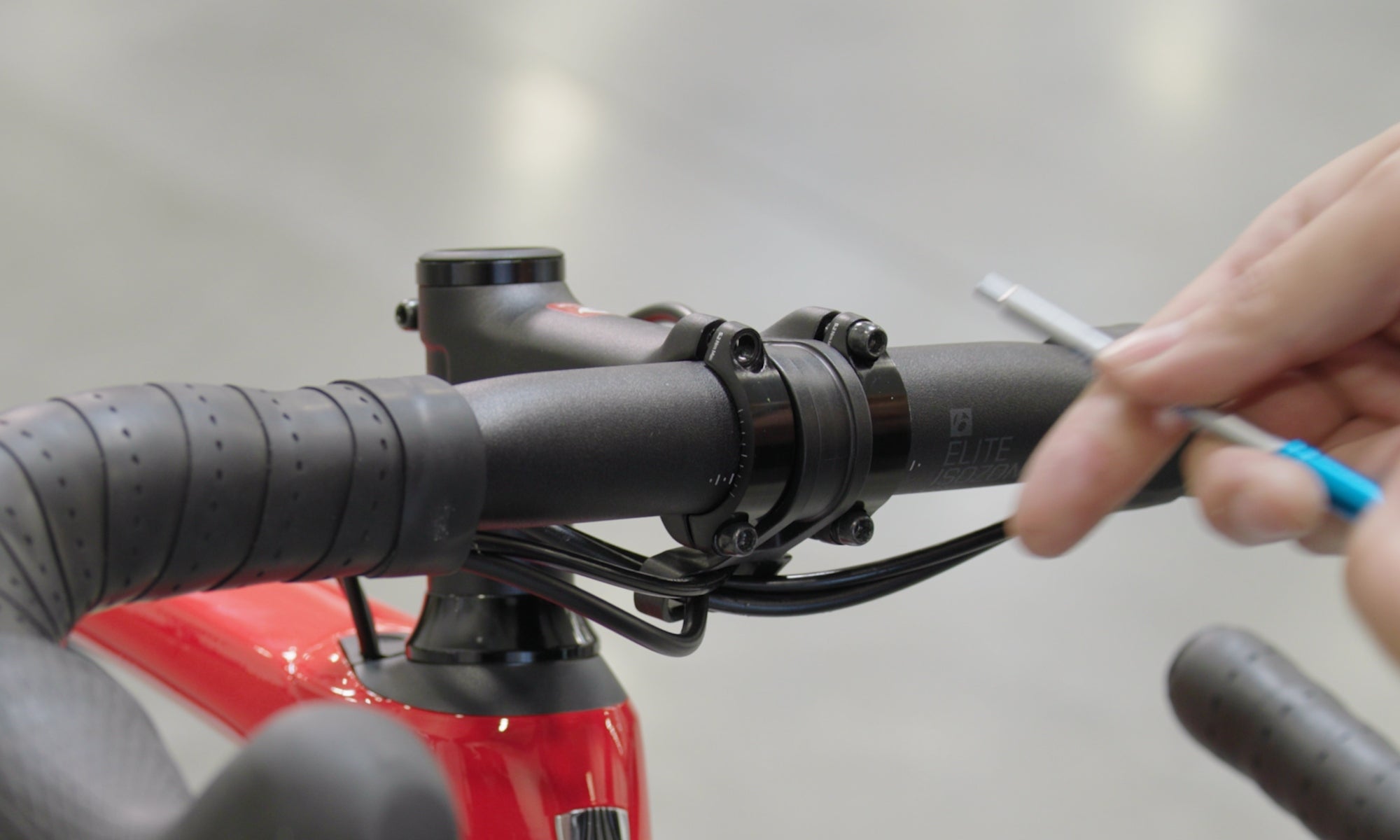
Loosen the faceplate bolts on the stem using the appropriate Allen wrench. Remove the faceplate and gently lift the handlebars away. If the bars have cables attached, let them hang carefully—do not pull or stretch them.
4. Remove The Stem
Loosen the bolts at the back of the stem (steerer tube clamp). Remove the top cap bolt, then slide the stem off the steerer tube.
- For threadless stems: Remove the spacers if any.
- For quill stems: Loosen the expander bolt and wiggle the stem out.
5. Clean Steerer Tube And Handlebars
Wipe the steerer tube and handlebar clamp area with a rag. Remove old grease, dirt, or debris.
6. Install The New Stem
Slide the new stem onto the steerer tube. If using spacers, arrange them as before. Make sure the stem sits flush and straight.
7. Attach The Handlebar
Place the handlebars into the new stem’s faceplate. Install the faceplate bolts loosely, then tighten evenly in a cross pattern. Use a torque wrench for final tightening.
8. Align The Stem
Stand in front of the bike and check that the stem is perfectly aligned with the front wheel. Adjust as needed before fully tightening the steerer clamp bolts.
9. Tighten All Bolts
Use the torque wrench to tighten:
- Faceplate bolts (usually 5–6Nm)
- Steerer clamp bolts (usually 5–6Nm)
- Top cap bolt (just snug, not overly tight)
10. Check Fit And Function
Lift the front wheel and turn the handlebars. There should be no play or movement. If the stem or bars move, retighten bolts.
11. Test Ride
Take a short test ride. Check for comfort, steering response, and stability. Make small adjustments if needed.
Common Mistakes And How To Avoid Them
Many beginners make simple mistakes when changing a stem. Here’s how to avoid them:
Over-tightening Bolts
This can crack the stem or handlebars. Always use a torque wrench and follow the manufacturer’s values.
Misaligned Stem
If the stem isn’t lined up with the wheel, steering will feel off. Always check alignment visually before tightening.
Wrong Clamp Size
Trying to force a stem onto the wrong handlebar or steerer size can damage parts and be unsafe.
Forgetting Spacers
Missing spacers can affect headset adjustment and bike handling. If your bike had spacers, reinstall them in the same order.
Not Checking For Play
After installation, always check for movement in the stem or bars. Loose parts can cause accidents.
Example: What Happens If You Use The Wrong Torque
A rider overtightens the faceplate bolts. This cracks the carbon handlebars, costing hundreds in repairs. Using a torque wrench prevents this.
Adjusting Your Bike After Changing The Stem
A new stem changes your bike’s fit and handling. Adjust other parts as needed.
Handlebar Angle
Sometimes, changing the stem alters the angle of your bars. Adjust the bars so your wrists feel comfortable.
Brake And Shifter Position
Loosen and rotate brake levers and shifters to match your new position. Tighten securely after adjustment.
Headset Adjustment
If you removed the stem, the headset may need adjustment. Check for play or tightness by rocking the bike with the front brake held.
Example: Fine-tuning After Installation
After installing a shorter stem, a rider finds their wrists feel strained. Adjusting the handlebar angle and lever positions solves the issue.
How Changing Stem Length Affects Bike Handling
Stem length isn’t just about comfort; it affects how your bike rides.
Shorter Stems
- Quicker steering
- More responsive handling
- Upright position
Longer Stems
- Slower steering
- Increased stability
- More stretched riding position
| Stem Length | Steering Response | Riding Position | Typical Use |
|---|---|---|---|
| 35–50mm | Fast | Upright | Trail, Enduro |
| 60–80mm | Balanced | Neutral | All-mountain |
| 90–100mm | Stable | Stretched | Cross-country |
Non-obvious Insight: Small Changes Make Big Differences
Moving from a 70mm to a 50mm stem can make a bike feel completely different. Test changes in small steps.

Credit: ambassadoradvertising.com
Comparing Popular Mountain Bike Stem Brands
There are many good stem brands, each with their own features. Here’s how a few compare:
| Brand | Material | Weight | Price Range | Key Features |
|---|---|---|---|---|
| Race Face | Aluminum/Carbon | 120–150g | $40–$120 | Wide range, durable |
| Easton | Aluminum | 135–170g | $50–$100 | Reliable, good fit |
| Truvativ | Aluminum | 140–180g | $30–$80 | Affordable, solid |
| Thomson | Aluminum | 125–150g | $90–$150 | High precision, lightweight |
Example: Choosing Between Brands
If you want light weight and high quality, Thomson and Race Face are good choices. For a solid, budget option, Truvativ is reliable.
When To Get Professional Help
Most riders can change a stem at home, but some situations need a pro.
- If you have a carbon steerer tube or handlebars, professional installation is safer.
- If the stem or bars are damaged or don’t fit, seek expert help.
- If you’re not confident in your skills, a bike shop can do the job quickly and safely.
Cost Of Professional Installation
Bike shops usually charge $20–$40 for stem installation. It’s worth it if you’re unsure.
Safety Checks After Changing A Stem
Safety is crucial. Always check these after installation:
- All bolts tight (using torque values)
- No play or movement in stem or handlebars
- Proper alignment with front wheel
- Headset adjusted (no looseness or binding)
- Brake and shifter cables not stretched
Example: Safety Check Saves A Ride
A rider notices slight play in the bars after a stem swap. Rechecking and tightening bolts prevents a dangerous situation on the trail.
Upgrading Other Components Along With Your Stem
Changing the stem is a good time to upgrade other parts.
Handlebars
New handlebars can improve comfort and control. Match the clamp diameter to the new stem.
Headset
If your headset is worn or loose, replacing it improves steering.
Grips
New grips can reduce hand fatigue and improve your hold.
Example: Complete Cockpit Upgrade
A rider upgrades stem, bars, and grips. The bike feels new, and handling improves.
Tips For Making Stem Changes Easier
- Take clear photos before removing anything. This helps with reassembly.
- Keep bolts and spacers together in a small container.
- Use a marker to mark the alignment before removal.
- Read the manufacturer’s instructions for your new stem.
- Practice on a spare bike if possible.
Real-world Examples: Riders Who Changed Their Stem
Case Study: Trail Rider
A trail rider switches from a 70mm to a 40mm stem. Steering becomes quicker, and technical descents feel easier. The rider’s back pain also improves.
Case Study: Cross-country Racer
A racer goes from a 60mm to a 90mm stem. Stability increases on climbs, and the rider feels more efficient during long rides.
Case Study: Beginner Mistake
A beginner installs a stem with the wrong clamp size. The handlebars slip during a ride, leading to a crash. Lesson learned: always check compatibility.
Credit: www.theproscloset.com
Stem Maintenance Tips
Even after installation, regular checks keep your bike safe.
- Inspect bolts for tightness monthly.
- Check for cracks or wear in the stem and handlebars.
- Clean the stem area to prevent corrosion.
- Replace damaged or worn stems immediately.
Useful Resources For Stem Replacement
For more detailed information, visit BikeRadar’s stem fitting guide. This site offers clear photos and professional advice.
Frequently Asked Questions
How Do I Know If My New Stem Fits My Mountain Bike?
Check the steerer tube diameter (usually 1 1/8 inch) and the handlebar clamp diameter (usually 31.8mm or 35mm). Match these to your new stem’s specifications.
Can I Change My Stem Without Special Tools?
You need Allen wrenches for most stems, but a torque wrench is strongly recommended for safe, precise tightening. Don’t use pliers or makeshift tools.
What Happens If My Stem Is Too Short Or Too Long?
A too short stem can make steering twitchy and uncomfortable. A too long stem can make handling sluggish and stretch your riding position. Test different lengths to find what suits your style.
How Often Should I Check Stem Bolts After Changing?
Check bolts after your first ride, then monthly. Bolts can loosen over time, especially after impacts or rough trails.
Is It Safe To Use A Carbon Stem Or Handlebar?
Carbon parts are light and strong but require careful installation. Use a torque wrench, follow manufacturer’s instructions, and avoid over-tightening. If unsure, get professional help.
Swapping your mountain bike stem is a smart upgrade—whether you want better comfort, sharper handling, or a new look. With the right stem, your bike becomes easier to control and more fun to ride. Follow these steps carefully, use the right tools, and enjoy your improved setup.
Don’t forget regular maintenance and safety checks to keep your rides smooth and safe.

Hello Guys! I am John Reese, a professional biker and my hobby is biking! I have been biking for last 12 years and I love using bikes while outing as well. Based on my experiences with the different type of bikes (mountain bikes, road bikes and hybrid bikes); I am sharing my opinion about various bikes so that a beginner can get started right away. Happy reading!