
Riding a mountain bike is more than just pushing pedals. It’s about feeling the trail, enjoying the outdoors, and mastering your bike’s controls. If you own a Huffy mountain bike, learning how to change gears smoothly can make your ride easier and more fun. Many beginners struggle with gears—sometimes the bike makes strange noises, feels hard to pedal, or the chain slips. This guide will help you understand how to use gears on your Huffy mountain bike, so you can ride with confidence, avoid common mistakes, and get the best performance from your bike.
Why Gear Changes Matter On A Huffy Mountain Bike
Gears are not just for racing. They help you ride up hills, go faster on flat roads, and control your bike in different conditions. On a Huffy mountain bike, gears let you:
- Climb hills with less effort
- Ride faster on flat or downhill roads
- Control your speed on tricky trails
- Protect your knees from strain
Think of gears like tools. You wouldn’t use a hammer to cut wood. In the same way, the right gear makes cycling easier. Using the wrong gear can make your ride hard, slow, or even damage your bike.
Understanding Gear Systems On Huffy Mountain Bikes
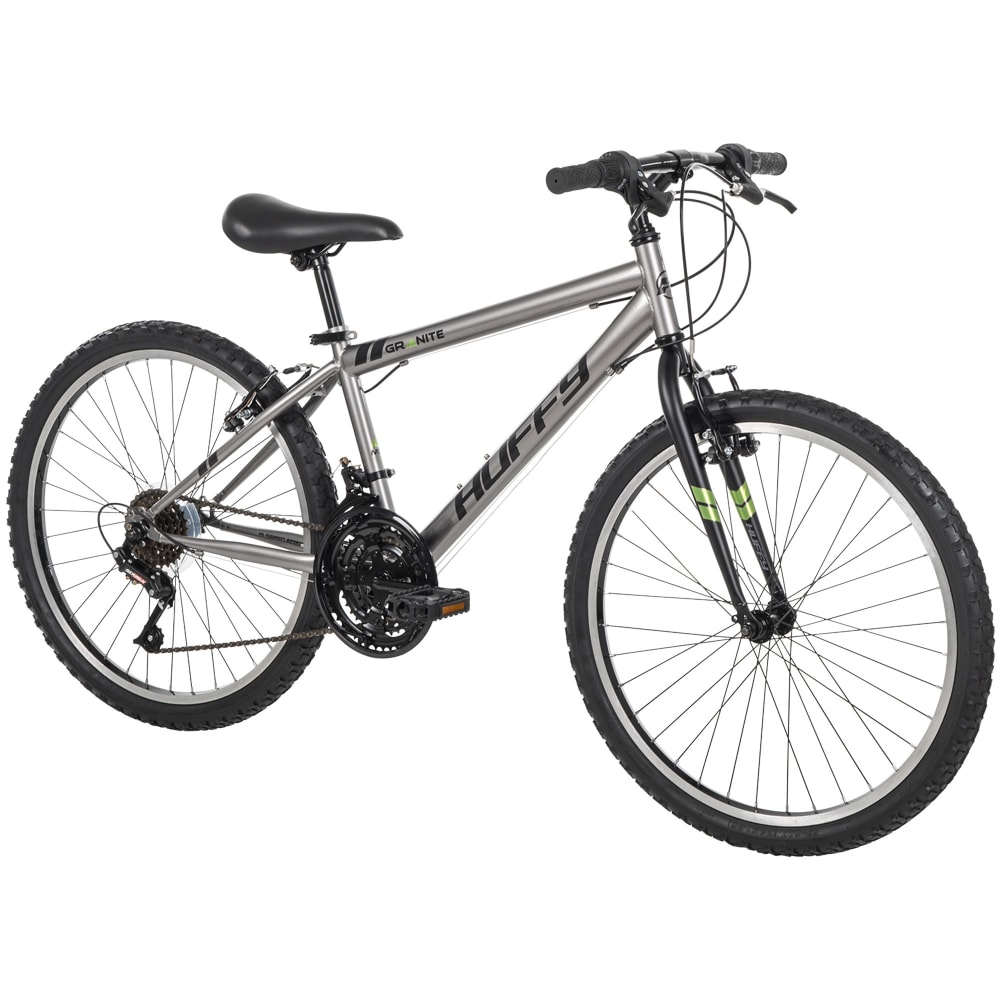
Before you start changing gears, you need to know how your bike’s gear system works. Most Huffy mountain bikes use a derailleur system with multiple gears.
Main Parts Of The Gear System
- Shifters: Located on the handlebars. These let you change gears with your fingers.
- Derailleurs: Small mechanisms near the chain. They move the chain between different gears.
- Cogs and Chainrings: The cogs are on the rear wheel; chainrings are near the pedals.
- Chain: Connects everything and moves to different cogs or chainrings.
Types Of Shifters
Huffy bikes often use two types:
- Twist shifters: Turn the handle grip to change gears.
- Trigger shifters: Push or pull small levers to shift.
Some models may combine both. Check your bike before you ride.
Gear Numbers
A typical Huffy mountain bike may have 18, 21, or 24 speeds. This means there are multiple combinations of front and back gears:
- Front gears (chainrings): Usually 2 or 3
- Rear gears (cogs): Usually 6, 7, 8, or more
The total number of speeds = front gears × rear gears. For example, 3 front × 7 rear = 21 speeds.
How Gears Work Together
- Lower gears: Good for climbing hills or riding slowly. The chain is on the smallest chainring (front) and largest cog (rear).
- Higher gears: Good for going fast on flat ground or downhill. The chain is on the largest chainring (front) and smallest cog (rear).
Switching gears changes how hard or easy it is to pedal.
Credit: www.smithsfoodanddrug.com
When And Why To Change Gears
Changing gears is about matching your pedaling effort to the terrain. Here are some examples:
- Going uphill: Use low gears for easier pedaling.
- Going downhill: Use high gears for more speed and control.
- Flat roads: Medium gears are best for steady speed.
- Starting or stopping: Shift to a lower gear before you stop so you can start easily.
Changing gears at the right time saves energy, protects your knees, and helps you ride longer.
Signs You Need To Change Gears
- Pedaling feels too hard or too easy
- Bike makes grinding or clicking noises
- You can’t keep a steady speed
Don’t wait until you struggle. Shift gears early to keep your ride smooth.
Step-by-step Guide: How To Change Gears On Huffy Mountain Bike
Changing gears is simple, but doing it wrong can cause problems. Follow these steps to change gears smoothly:
1. Get Moving Before You Shift
Always change gears while you’re pedaling and the bike is moving. If you try to shift while stopped, the chain may get stuck or fall off.
2. Identify Your Shifters
Look at your handlebars. The left shifter controls front gears (chainrings). The right shifter controls rear gears (cogs).
- Left shifter: Big changes (e.g., flat to hill)
- Right shifter: Fine-tuning (e.g., adjusting speed)
3. Shift One Gear At A Time
Don’t shift multiple gears at once. Shift one gear, let the chain move, then shift again if needed. Quick, multiple shifts can jam the chain.
4. Pedal Steadily
Keep pedaling with steady force—not too hard, not too soft. If you pedal hard while shifting, the chain can slip or make noise.
5. Listen And Feel
When you shift, listen for clicking or grinding sounds. Feel the change in pedal resistance. If something feels wrong, shift back and try again.
6. Avoid Cross-chaining
Cross-chaining happens when you use the smallest front gear with the smallest rear cog or the largest front gear with the largest rear cog. This stretches the chain and can damage your bike.
Example of cross-chaining:
- Front gear: 1 (smallest)
- Rear gear: 1 (smallest)
Try to keep the chain straighter. Use middle gears for most rides.
7. Practice Shifting In Safe Areas
Before riding on busy roads or rough trails, practice shifting gears in a safe, flat area. Get used to how your bike responds.
Common Mistakes Beginners Make
Many new riders struggle with gears. Here are some common mistakes to avoid:
- Shifting while stopped: Always pedal while shifting.
- Cross-chaining: Avoid extreme gear combinations.
- Forcing the shifters: Use gentle pressure; don’t force.
- Ignoring weird noises: If the bike clicks or grinds, check the gears and chain.
- Shifting too late: Change gears before you need them (e.g., shift before you reach a hill).
- Skipping maintenance: Dirty or dry chains cause bad shifts.
Knowing these mistakes can help you ride safer and extend your bike’s life.
Troubleshooting Gear Problems
Sometimes gears don’t shift smoothly. Here’s what you can do:
Gear Won’t Shift
- Check if the chain is stuck or jammed.
- Inspect shifter cables for damage.
- Make sure derailleurs aren’t bent.
Chain Slips Or Falls Off
- Adjust the derailleur.
- Tighten loose bolts.
- Clean and lubricate the chain.
Gears Make Noise
- Check for cross-chaining.
- Clean the cassette and chainrings.
- Adjust the cable tension.
If you can’t fix the problem, visit a bike shop. They have special tools and experience.
Essential Maintenance For Smooth Gear Changes
Regular maintenance keeps your gears working well. Here’s what you should do:
Cleaning
- Wipe the chain and gears after every ride.
- Use a soft brush to remove dirt.
- Avoid high-pressure water, which can push dirt inside.
Lubrication
- Apply bike chain lubricant every 100–150 miles or after riding in rain.
- Wipe off extra oil; too much attracts dirt.
Cable Checks
- Look for frayed or rusty cables.
- Replace if needed.
Gear Adjustment
- If shifting is rough, adjust the derailleur screws.
- Small turns can make a big difference.
Professional Tune-up
- Every 6–12 months, get a tune-up at a bike shop.
- They’ll check everything—gears, brakes, tires, and more.
Comparing Huffy Mountain Bike Gear Systems
Huffy offers different mountain bike models with varying gear setups. Here’s a comparison of gear systems on popular Huffy bikes:
| Model | Number of Gears | Shifter Type | Target Rider |
|---|---|---|---|
| Huffy Stone Mountain | 21 | Twist | Beginner |
| Huffy Highland | 18 | Trigger | Casual |
| Huffy Escalate | 24 | Twist | Intermediate |
| Huffy Nighthawk | 18 | Trigger | Beginner |
| Huffy Scout | 21 | Twist | Intermediate |
Understanding your model helps you know which shifter type you have and how many gears to use.
Practical Tips For Changing Gears
Changing gears is more than just moving levers. Here are tips to make it easier:
1. Anticipate Changes
Shift gears before you reach a hill or rough terrain. Waiting too long can make it harder.
2. Use The Right Gear For The Right Situation
- Uphill: Lower gears (easier pedaling)
- Downhill: Higher gears (more speed)
- Gravel or mud: Lower gears for control
3. Don’t Shift Under Heavy Load
If you’re pedaling hard, ease up slightly before shifting. This prevents chain wear.
4. Check Gear Alignment Regularly
Misaligned gears cause poor shifting. If your bike shifts slowly or skips, adjust the derailleurs.
5. Learn Your Gear Range
Spend time riding and testing different gear combinations. Find the best setup for your style.
6. Avoid Sudden Movements
Shift smoothly and steadily. Sudden shifts can damage your bike.
7. Keep Your Bike Clean
Dirt and grime cause bad gear changes. Clean your bike after every ride.
How Gears Affect Your Ride: Data And Examples
Proper gear use can make a big difference in your ride. For example:
- Hill climbing: Using low gears reduces knee strain by up to 40% (source: bike biomechanics studies)
- Speed on flat roads: Riders who shift to higher gears can increase speed by 10–15% compared to staying in low gears
- Energy savings: Efficient gear use can save 20% energy over a long ride
Here’s a comparison of pedaling effort in different gears:
| Terrain | Gear Combination | Pedal Effort (1–5) | Knee Strain (1–5) |
|---|---|---|---|
| Uphill | Low front, high rear | 2 | 2 |
| Downhill | High front, low rear | 5 | 5 |
| Flat | Middle front, middle rear | 3 | 3 |
| Gravel | Low front, high rear | 2 | 2 |
Using the right gear makes rides smoother, safer, and easier on your body.
How To Adjust Gears For Best Performance
You don’t need to be a mechanic to adjust your gears, but knowing a few basics can help:
Fine-tuning The Rear Derailleur
- Shift to the smallest rear cog
- Turn the derailleur adjustment screw to align the chain
- Test shifting; make small changes as needed
Fine-tuning The Front Derailleur
- Shift to the largest front chainring
- Adjust the screw so the chain moves smoothly
- Check for rubbing or noise
Cable Tension
- Loosen or tighten the cable using the barrel adjuster
- Small turns make a big difference
When To Seek Help
If you’re unsure, visit a local bike shop. They can adjust gears quickly and safely.
Comparing Huffy Mountain Bikes To Other Brands
Huffy mountain bikes are popular for their value and reliability. How do their gear systems compare to other brands?
| Brand | Average Gear Count | Shifter Quality | Maintenance Needs |
|---|---|---|---|
| Huffy | 18–24 | Basic | Low |
| Trek | 21–27 | Advanced | Medium |
| Schwinn | 21–24 | Basic–Intermediate | Low–Medium |
| Giant | 24–30 | Advanced | Medium |
Huffy bikes offer easy gear systems for beginners and casual riders. Other brands may offer more gears or better shifters, but often at a higher price.

Credit: www.ebay.com
Non-obvious Insights For Smooth Gear Changes
Many guides skip these tips, but they make a big difference:
1. Shift Before You Need To
Most riders wait until they hit a hill to shift. Instead, shift just before you reach the slope. This keeps your speed steady and prevents chain stress.
2. Use Your Ears
Bike gears should be quiet. If you hear clicks or grinding, you may be cross-chaining or need to adjust the derailleur. Listen for changes and respond quickly.
3. Don’t Ignore Weather
Rain, mud, or dust can affect gear performance. Clean and lubricate your gears after wet rides for better shifting.
4. Practice Gear Changes Without Looking
Learn to shift by feel, not just by sight. This keeps your eyes on the trail and improves safety.
5. Keep A Spare Link
Chains can break, especially when shifting under load. Carry a spare link and learn to fix it. This can save your ride.
Safety Considerations When Changing Gears
Changing gears is safe, but you should be careful:
- Keep your hands on the handlebars while shifting
- Don’t shift when crossing busy roads or during sharp turns
- If your bike makes strange noises, stop and check before continuing
- Wear gloves to protect your hands during repairs
Real-life Example: Smooth Gear Changing On Trails
Let’s look at how a rider uses gears during a typical mountain bike ride.
Sarah owns a Huffy Stone Mountain. She starts her ride on flat ground using middle gears. As she approaches a hill, she shifts to a lower gear before the climb. On the way down, she moves to higher gears for speed. When she reaches a muddy patch, she shifts to a low gear for control. Throughout the ride, Sarah keeps her chain clean and avoids cross-chaining. She finishes the ride without knee pain, chain problems, or gear noise.
Sarah’s experience shows how smart gear changes make riding smoother and safer.
Tips For Teaching Kids To Change Gears
If your child rides a Huffy mountain bike, teach them these basics:
- Show them where the shifters are and how they work
- Teach them to shift while moving, not stopped
- Explain why different gears are used (hill, flat, downhill)
- Encourage practice in safe, flat areas
- Remind them to keep their bike clean
Kids learn faster with hands-on practice. Make it fun and reward them for smooth gear changes.
Upgrading Huffy Mountain Bike Gears
Some riders want better performance. Here’s how you can upgrade:
- Install higher-quality shifters (e.g., Shimano, SRAM)
- Replace old derailleurs with newer models
- Use lighter, stronger chains
- Upgrade to a wider gear range (more speeds)
Upgrading can improve shifting, make rides smoother, and extend your bike’s life. But check compatibility—some parts may not fit all Huffy models.
Environmental Impact Of Proper Gear Use
Using gears efficiently reduces energy waste. It also:
- Helps prevent knee injuries
- Makes rides longer and more enjoyable
- Reduces the need for repairs, lowering waste
Keeping your bike well-maintained means fewer parts end up in landfills. Every small change helps the planet.

Credit: www.youtube.com
Frequently Asked Questions
How Do I Know Which Gear To Use On My Huffy Mountain Bike?
Choose gears based on terrain and your comfort. Use lower gears for hills, higher gears for flat or downhill roads, and middle gears for steady riding. If pedaling feels too hard or too easy, shift to a different gear.
Why Does My Chain Slip When I Change Gears?
Chain slipping can happen if the derailleur is misaligned, the chain is dirty, or the cables are loose. Clean your chain, adjust the derailleur, and check cable tension. If problems continue, visit a bike shop.
Can I Change Gears While Stopped?
You should only change gears while pedaling and moving. Shifting while stopped can cause the chain to jam or fall off. If you need to start in a lower gear, shift just before you stop.
How Often Should I Maintain My Bike’s Gear System?
Clean and lubricate your chain every 100–150 miles or after riding in rain. Check cables and derailleurs monthly. Get a professional tune-up every 6–12 months for best performance.
Are Huffy Mountain Bike Gears Good For Beginners?
Yes. Huffy mountain bikes have simple gear systems that are easy to use and maintain. They are perfect for beginners and casual riders. More advanced riders may want to upgrade for better performance.
Changing gears on your Huffy mountain bike is a skill worth learning. It makes rides smoother, protects your knees, and helps your bike last longer. Remember to shift while moving, avoid cross-chaining, and keep your bike clean. Practice makes perfect—so get out, ride, and enjoy the trails. If you need more technical details, check out the official guidance at Bicycling.com. Happy cycling!

Hello Guys! I am John Reese, a professional biker and my hobby is biking! I have been biking for last 12 years and I love using bikes while outing as well. Based on my experiences with the different type of bikes (mountain bikes, road bikes and hybrid bikes); I am sharing my opinion about various bikes so that a beginner can get started right away. Happy reading!