
Changing the sprocket on a mountain bike is more than just a mechanical task—it’s a way to boost performance, improve shifting, and extend the life of your drivetrain. Whether your gears are skipping, your chain keeps slipping, or you simply want a different gear ratio, knowing how to replace a sprocket can save you money and keep your rides smooth.
Many beginners worry this job is too complex, but with the right guidance and a bit of patience, anyone can do it. This article shows you how, step by step, and explains everything you need to know for a successful sprocket swap.
Understanding Mountain Bike Sprockets
A sprocket is a gear attached to the cassette or freewheel at the rear wheel. Mountain bikes usually have multiple sprockets arranged in a cassette, giving you a range of gears for climbing, descending, or riding flat terrain. The front gears (chainrings) are also sprockets, but this guide focuses on changing the rear ones, since they wear out faster and are most commonly replaced.
Why Change Your Sprocket?
Changing your sprocket can solve several issues:
- Worn teeth cause chain skipping and poor shifting.
- Different gear ratios help with hills or speed.
- Upgrading material (like steel to aluminum) can reduce weight.
A worn sprocket affects the chain, derailleur, and overall bike performance. If you see shark fin-shaped teeth or notice rough shifting, it’s probably time to replace your sprocket.
Types Of Sprockets
Mountain bikes usually use one of these:
- Cassette: Slides onto a freehub body. Most modern bikes use this.
- Freewheel: Screws directly onto the hub. Older bikes often have this.
Knowing which you have is important; cassettes and freewheels require different tools and removal steps.
Tools And Materials Needed
Before starting, gather these tools and parts:
- Cassette removal tool (for cassette bikes)
- Chain whip (holds cassette in place during removal)
- Adjustable wrench
- New sprocket or cassette
- Bike grease (for installation)
- Gloves (to protect hands)
- Rags (for cleaning)
- Degreaser (optional)
- Torque wrench (recommended for precise tightening)
- Chain checker tool (optional, to check chain wear)
Having the right tools makes the process easier and prevents damage. For freewheel bikes, you need a freewheel remover tool instead of a cassette tool.
Preparing Your Bike
A clean workspace and a stable bike are key. Set your bike on a stand or lean it against a wall. Shift the chain onto the smallest rear sprocket and smallest front chainring. This releases tension, making removal easier.
Remove the rear wheel by opening the quick-release lever or unscrewing the axle nuts. Lay the wheel flat, with the sprocket side facing up.
Identifying Your Sprocket Type
If you’re unsure which system your bike uses, look closely:
- Cassette: Has a lockring and slides onto the freehub. The hub rotates independently when coasting.
- Freewheel: Screws onto the hub. The whole mechanism turns when you pedal.
Check your bike’s manual or look for model numbers on the hub. If still unsure, search your bike model online or ask at a local bike shop.
Removing The Old Sprocket
Removing A Cassette
- Insert the cassette removal tool into the lockring.
- Hold the cassette with the chain whip. This prevents it from spinning as you loosen the lockring.
- Turn the removal tool counter-clockwise using an adjustable wrench.
- Once loose, remove the lockring and slide the cassette off the freehub body.
Removing A Freewheel
- Insert the freewheel remover tool into the freewheel.
- Secure the tool with the axle nut or quick-release, so it stays in place.
- Turn the tool counter-clockwise. You may need extra force as freewheels can be tight.
- Once unscrewed, remove the freewheel from the hub.
Tip: Older freewheels can seize or corrode. Apply penetrating oil and wait a few hours if stuck.
Cleaning And Inspecting Components
Before installing the new sprocket, clean the freehub or hub threads with a rag and degreaser. Inspect for damage or wear—look for scoring, cracks, or excessive dirt. Clean the area thoroughly; dirt and grit can cause poor installation and faster wear.
If your cassette body has grooves or wear, consider replacing it. A damaged freehub can affect gear shifting and chain engagement.
Choosing The Right Sprocket
Selecting a new sprocket depends on your riding style, terrain, and bike compatibility. The number of sprockets (speeds) must match your shifters and derailleur. For example, if you have a 10-speed bike, buy a 10-speed cassette.
Gear Ratio And Teeth Count
Mountain bike cassettes come in different teeth counts. Common sizes:
- 11–32T: Good for general riding.
- 11–36T: Offers easier climbing gears.
- 10–50T: Used on modern 1x drivetrains for wide range.
Higher teeth numbers mean easier pedaling (better for hills), lower teeth mean faster speeds on flat terrain. Make sure your derailleur can handle the largest sprocket size. Check manufacturer specs.
Material And Quality
Cassettes are made from steel, aluminum, or titanium. Steel is durable and affordable, aluminum is lighter but wears faster, titanium is expensive and lasts longer.
Compatibility
Compare your bike’s drivetrain components. Sprockets must match:
- Speed (number of gears)
- Shimano/SRAM/Campagnolo systems (they have unique designs)
- Freehub type
Here is a quick comparison of cassette options:
| Model | Speeds | Teeth Range | Material | Approximate Price |
|---|---|---|---|---|
| Shimano Deore | 10 | 11–36T | Steel/Aluminum | $45 |
| SRAM Eagle GX | 12 | 10–50T | Steel/Aluminum | $120 |
| SunRace MX3 | 10 | 11–42T | Steel | $65 |
Installing The New Sprocket
Cassette Installation
- Align the splines: Cassettes have grooves (splines) that fit only one way onto the freehub. Find the smallest spline and line it up.
- Slide each sprocket onto the hub, followed by the spacers (if your cassette uses them).
- Install the lockring: Thread it by hand first, then tighten with the cassette tool.
- Torque to specification: Use a torque wrench if possible. Most lockrings require 35–40 Nm.
Freewheel Installation
- Thread the new freewheel onto the hub by hand.
- Tighten by turning clockwise. It will self-tighten as you ride.
- No extra tools needed for final tightening.
Tip: Apply a small amount of bike grease to the hub threads. This prevents seizing and makes future removal easier.
Reinstalling The Rear Wheel
With the new sprocket in place, lift the chain onto the smallest cog and reinstall the wheel:
- Fit the wheel back into the frame, making sure it sits straight.
- Tighten the quick-release lever or axle nuts securely.
- Check brake alignment; adjust as needed so the wheel spins freely.
Spin the pedals and shift through the gears. If the chain jumps or won’t shift smoothly, double-check the sprocket installation.
Adjusting The Derailleur
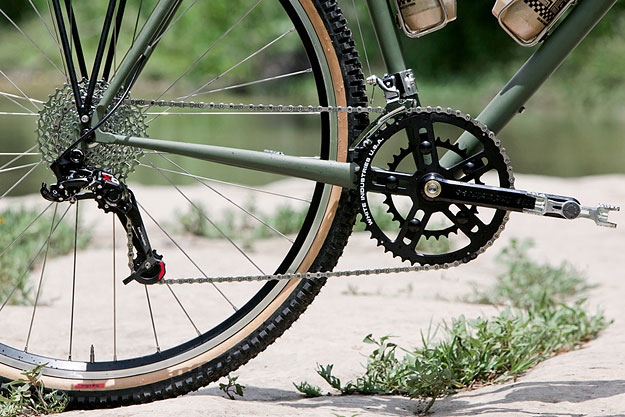
Changing sprocket size can require derailleur adjustment. The derailleur moves the chain across the gears. If you install a larger cassette, the derailleur may need to reach further.
How To Adjust
- Check chain length: Larger sprockets may need a longer chain.
- Set limit screws: On the derailleur, adjust the H (high) and L (low) screws to prevent the chain from overshooting.
- Fine-tune indexing: Use the barrel adjuster to make small changes to cable tension.
If unsure, follow your derailleur’s manual or watch a video guide. Mistakes can cause chain drops or shifting problems.
Credit: werttreuhand.de
Checking Chain Wear
A new sprocket works best with a new or lightly used chain. Old chains can damage new sprockets quickly. Use a chain checker tool to measure chain stretch:
- If the chain is worn (usually 0.75% or more stretch), replace it.
- If unsure, compare chain length side by side with a new chain.
Replacing both sprocket and chain ensures smooth shifting and longer drivetrain life.
Common Mistakes To Avoid
Many beginners make errors during sprocket changes. Here are some to watch for:
- Wrong sprocket type: Double-check compatibility before buying.
- Missing spacers: Some cassettes need spacers between sprockets. Forgetting them causes poor shifting.
- Over-tightening lockring: Too much force can damage threads. Use a torque wrench.
- Skipping chain check: A worn chain ruins new sprockets quickly.
- Dirty installation: Dirt and grit can cause premature wear.
Real-world Example: Upgrading For Hill Climbing
Sarah, a mountain biker from Colorado, struggled on steep climbs. Her bike had an 11–32T cassette. She upgraded to 11–42T, giving her easier gears for hills. She also checked her derailleur compatibility and swapped for a longer cage model. After the upgrade, she noticed smoother shifting and easier pedaling uphill.
This example shows how a sprocket change can boost performance. Always check your whole drivetrain when making upgrades.
Practical Tips For A Smooth Sprocket Change
- Work in a clean, well-lit area. Small parts are easy to lose.
- Wear gloves to avoid cuts from sharp gear teeth.
- Take photos before removing parts, so you remember assembly order.
- Label spacers or keep them together if your cassette uses different sizes.
- Lubricate moving parts after installation for longer life.
Many people rush the process and end up with poor shifting or noisy rides. Take your time, follow each step, and check your work.
Comparing Cassette Vs Freewheel Systems
Understanding the differences helps you choose the right parts and tools.
| Feature | Cassette | Freewheel |
|---|---|---|
| Mounting Method | Slides onto freehub | Screws onto hub |
| Tool Required | Cassette removal tool + chain whip | Freewheel remover tool |
| Weight | Lighter | Heavier |
| Gear Range | Wide (up to 12 speeds) | Narrow (usually up to 7 speeds) |
| Durability | Higher | Lower |
| Modern Use | Most mountain bikes | Older bikes |
Sprocket Maintenance And Longevity
Proper care extends the life of your sprocket and drivetrain:
- Clean regularly: Use a brush and degreaser to remove dirt.
- Lubricate: After cleaning, apply bike-specific chain lube.
- Inspect for wear: Check teeth for rounding or shark fin shapes.
- Avoid cross-chaining: Don’t use extreme gear combinations; this wears parts faster.
With good maintenance, a mountain bike sprocket lasts 1,500–3,000 miles. Riding in mud or rain reduces lifespan, so clean more often in harsh conditions.

Credit: www.lily-bearing.com
Data On Sprocket Wear And Replacement
Studies show that chain and sprocket wear is the leading cause of drivetrain issues. According to a 2026 cycling industry report, 60% of mechanical problems on mountain bikes relate to shifting and drivetrain wear. Replacing sprockets and chains together reduces repair costs by up to 40% over time.
Regular checks and timely replacement mean fewer breakdowns and more reliable rides.
Troubleshooting After Sprocket Change
Sometimes, problems arise after installation:
- Chain skipping: Often caused by chain wear or poor derailleur adjustment.
- Noisy shifting: May mean spacers are missing or sprocket isn’t seated properly.
- Poor gear range: Check if the derailleur can handle the new sprocket size.
- Stiff pedal feel: Make sure the lockring isn’t too tight.
If issues persist, double-check each step or visit a bike shop for advice.
Advanced Upgrades: Wide-range Cassettes
Modern mountain bikes often use wide-range cassettes (like 10–50T). These require:
- Compatible derailleur: Usually a long cage.
- Matching shifter: For 12-speed setups.
- Chain length adjustment: Longer chain needed.
Upgrading to wide-range cassettes improves climbing and lets you run a single front chainring. This simplifies shifting and reduces weight.
Here’s a comparison of typical gear ranges:
| Setup | Lowest Gear (Teeth) | Highest Gear (Teeth) | Number of Speeds |
|---|---|---|---|
| Traditional 3×9 | 32 | 11 | 27 |
| Modern 1×12 | 50 | 10 | 12 |
| Mid-Range 2×10 | 36 | 11 | 20 |
Wide-range setups are popular for technical terrain and steep climbs.
When To Seek Professional Help
If you encounter:
- Seized freewheel or cassette
- Damaged hub or freehub body
- Complex gear upgrades (like changing speeds)
- Unusual noises or shifting problems
Visit a bike shop or consult an experienced mechanic. Some issues require special tools or deep expertise.
Credit: www.youtube.com
Environmental Impact Of Sprocket Replacement
Replacing bike parts has a small environmental footprint compared to cars, but it’s good practice to recycle old sprockets. Many shops collect metal for recycling. Some creative riders repurpose sprockets for art or DIY projects.
Choosing durable sprockets and maintaining your bike reduces waste and supports sustainable riding.
Frequently Asked Questions
How Often Should I Change My Mountain Bike Sprocket?
The typical sprocket lifespan is 1,500–3,000 miles. If you ride in muddy or wet conditions, replace it sooner. Signs like chain skipping, poor shifting, and shark fin-shaped teeth show it’s time for a new sprocket.
Can I Change The Sprocket Myself If I’m A Beginner?
Yes, with patience and the right tools, beginners can replace sprockets. Follow step-by-step guides, take photos as you go, and don’t rush. If stuck, ask a bike shop for advice or check trusted online resources like Park Tool.
Do I Need To Replace The Chain When Changing The Sprocket?
It’s best to check chain wear at the same time. A worn chain can damage a new sprocket quickly. If the chain is stretched more than 0.75%, replace both for best performance.
How Do I Know If My Bike Uses A Cassette Or Freewheel?
Look for a lockring (cassette) or a one-piece threaded gear cluster (freewheel). Most modern mountain bikes use cassettes. If unsure, check your bike manual or search the model online.
What Should I Do With Old Sprockets?
Recycle old sprockets at a bike shop or local metal recycling center. Some riders use them for DIY projects or art. Don’t throw metal parts in the regular trash.
Changing a mountain bike sprocket is a rewarding skill that improves your ride and saves money. With clear steps, careful preparation, and a bit of patience, you can tackle this task confidently. If you want smoother shifting, better climbing, or just a fresh drivetrain, follow the guide above and enjoy the results on your next trail adventure.

Hello Guys! I am John Reese, a professional biker and my hobby is biking! I have been biking for last 12 years and I love using bikes while outing as well. Based on my experiences with the different type of bikes (mountain bikes, road bikes and hybrid bikes); I am sharing my opinion about various bikes so that a beginner can get started right away. Happy reading!