
Keeping your mountain bike chain clean isn’t just about looks—it’s about performance, safety, and saving money on repairs. A dirty chain can slow you down, wear out parts faster, and even cause gear shifting problems. Many riders overlook chain cleaning, but it’s one of the simplest ways to keep your bike running smoothly on every trail. If you’ve never cleaned a chain before or want to know the best methods, this guide breaks down everything you need, step-by-step, without confusing jargon. You’ll learn what tools to use, which mistakes to avoid, and how regular cleaning can make a real difference. Let’s get your mountain bike chain sparkling clean and ready for adventure.
Why A Clean Mountain Bike Chain Matters
A clean chain is the heart of your bike’s drivetrain. It keeps your gears working well, reduces friction, and helps you ride faster with less effort. If you ignore chain maintenance, you risk:
- Increased wear on cassette and chainrings
- Poor shifting and skipping gears
- Higher risk of chain breakage
- Rust and corrosion buildup
- Lower overall efficiency
Studies show that a dirty chain can waste up to 10 watts of your pedaling power, which is a lot for any rider. On muddy, wet trails, grime can build up quickly, making chain cleaning even more important for mountain bikers.
Tools And Supplies You Need
Before you start, gather these essential items. Having the right tools makes the process faster and more effective.
- Degreaser – Bike-specific degreasers are best. Avoid harsh chemicals like gasoline, which can damage the chain and environment.
- Chain cleaning tool – These clamp onto the chain and scrub it as you pedal.
- Brushes – Toothbrushes, dedicated bike brushes, or old paintbrushes work well.
- Rags – Use clean, lint-free cloths for wiping down the chain.
- Chain lubricant – Choose between wet or dry lube depending on riding conditions.
- Disposable gloves – Keeps your hands clean and protected.
- Water – For rinsing away degreaser and dirt.
- Chain checker – Measures chain wear (optional, but useful).
- Bucket or spray bottle – Holds water or cleaning solution.
If you don’t have a chain cleaning tool, you can use brushes and rags, but the tool makes it easier.
| Tool | Purpose | Cost Range |
|---|---|---|
| Degreaser | Breaks down grease and dirt | $7 – $15 |
| Chain cleaning tool | Scrubs chain efficiently | $15 – $35 |
| Brush set | Reaches tight spaces | $8 – $20 |
| Chain lubricant | Protects chain, reduces friction | $5 – $20 |
Step-by-step Guide: Cleaning Your Mountain Bike Chain
Follow these steps for a thorough clean. The process takes about 20–30 minutes, depending on how dirty your chain is.
Step 1: Prepare Your Bike
Find a stable spot, ideally outdoors or in a garage. Use a bike stand if you have one—it makes pedaling and cleaning easier. Shift to the smallest chainring and cog so the chain is loose.
Put on disposable gloves. Lay down old newspaper or a towel to catch drips and dirt.
Step 2: Apply Degreaser
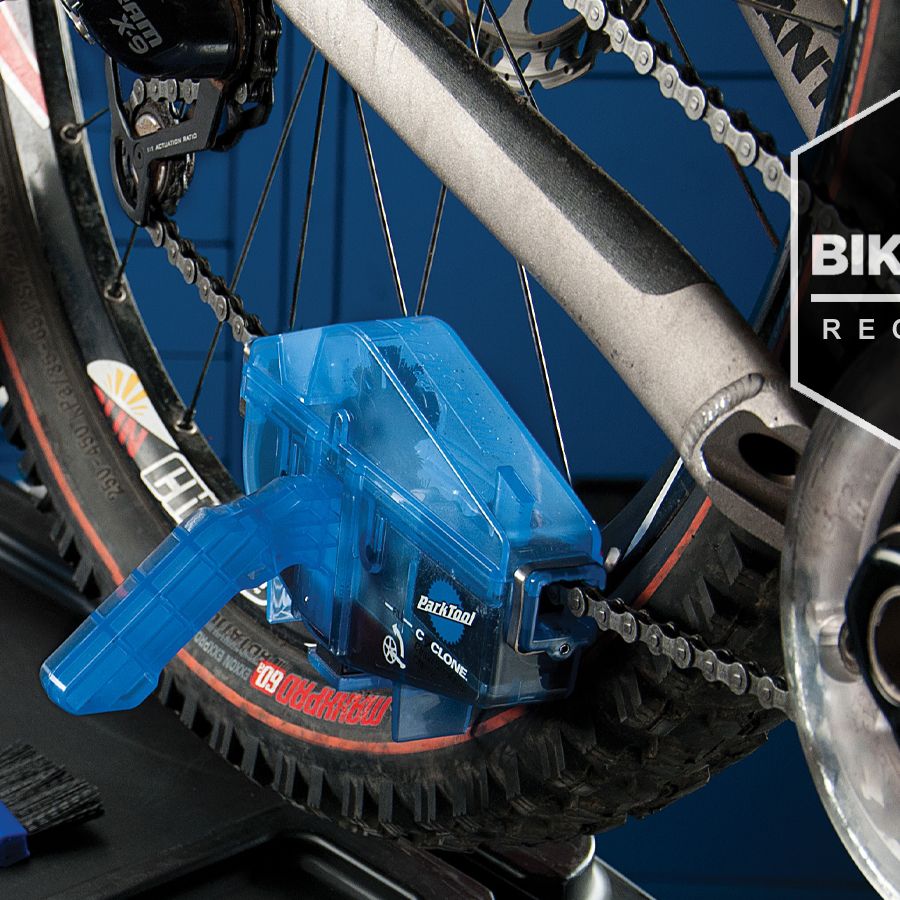
Apply a generous amount of degreaser to the chain. You can spray it on or use a brush to coat each link. If you have a chain cleaning tool, fill it with degreaser and clamp it onto the chain.
Slowly pedal backward to run the chain through the tool several times. This scrubs off grime, old lubricant, and dirt. If you don’t have the tool, scrub with a brush, making sure to get all sides of the chain.
Non-obvious tip: Let the degreaser sit for 5–10 minutes before rinsing. This gives it time to break down tough grease.
Step 3: Scrub The Chain
Use a stiff brush or toothbrush to scrub the chain links, rollers, and side plates. Pay attention to the spaces between links where mud and grit hide.
If the chain is very dirty, use a second brush for a deeper clean. For stubborn spots, rotate the pedals and scrub as the chain moves.
Beginner mistake: Many people forget to clean the chainrings and cassette. These collect grime and can quickly re-dirty your chain. Scrub these parts as well.
Step 4: Rinse Thoroughly
Rinse the chain with water. A spray bottle works if you don’t want to use a hose. Make sure to remove all degreaser, as leftover residue can attract more dirt.
Dry the chain with a clean rag. Spin the pedals to help shake off excess water.
Step 5: Inspect For Wear
Check your chain for signs of wear or rust. If you have a chain checker tool, use it to measure chain stretch. Most chains need replacing when they reach 0.5%–0.75% stretch.
Look for cracked, stiff, or missing links. If you spot damage, consider replacing the chain before your next ride.
| Chain Wear Level | Action | Expected Lifespan |
|---|---|---|
| 0-0.5% | Keep using | 2,000-3,000 miles |
| 0.5-0.75% | Replace soon | 1,000-2,000 miles |
| >0.75% | Replace immediately | <1,000 miles |
Step 6: Lubricate The Chain
Once the chain is dry and clean, apply chain lubricant. Use a bike-specific lube—never motor oil or WD-40.
Put one drop of lube on each link while slowly pedaling backward. Avoid over-lubricating, which can attract dirt. Let the lube sit for 5–10 minutes, then wipe off any excess with a rag.
Choose wet lube for muddy or rainy conditions, and dry lube for dusty or dry trails.
Step 7: Final Wipe And Check
Give the chain a final wipe with a clean rag. Spin the pedals and shift gears to distribute the lube. The chain should look shiny, but not oily.
Check that the chain moves smoothly. If you hear squeaks or feel roughness, repeat lubrication. If everything feels good, your bike is ready for the trail.
Deep Cleaning: Removing The Chain
For a really dirty chain or after a long season, consider removing the chain for a deep clean.
When To Remove The Chain
- After riding in extreme mud or sand
- Before storing your bike for winter
- If the chain has stubborn dirt that won’t come off
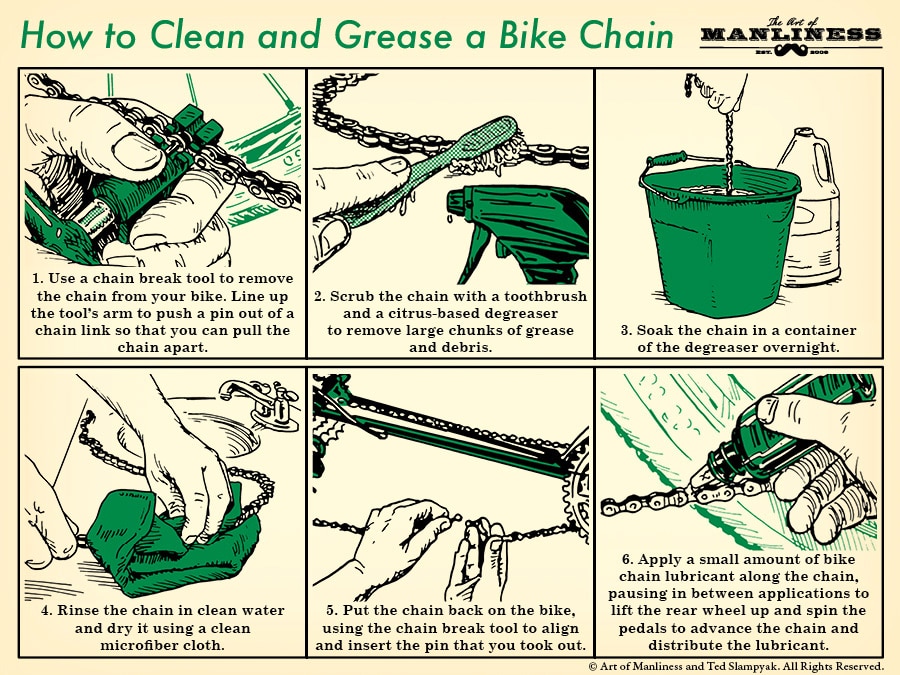
How To Remove The Chain
Most modern mountain bikes have a quick link or master link. Use a quick link tool or pliers to disconnect the chain.
If your chain has no quick link, use a chain tool to push out a pin and break the chain. Note the direction and placement of the link for reassembly.
Cleaning Off The Bike
Place the chain in a jar or container. Add degreaser and shake for 2–3 minutes. Rinse with water, then dry thoroughly.
Inspect links for damage. Lubricate the chain before reinstalling.
Pro tip: When reinstalling, make sure the chain runs smoothly. Incorrect installation can cause shifting problems.
Credit: www.icaldenomattarello.it
Cleaning Frequency: How Often Should You Clean Your Chain?
How often you clean your chain depends on riding conditions and mileage. For mountain biking:
- After every muddy or wet ride: Clean and lube the chain
- Every 100–150 miles: Basic cleaning and lubrication
- After every 10–15 hours of riding: Deep clean, especially in dusty or sandy regions
If you ride mostly on dry, smooth trails, cleaning can be less frequent. But regular maintenance always keeps your bike running longer.
Mountain Bike Chain Cleaning Vs. Road Bike Chain Cleaning
Mountain bike chains get dirtier faster due to mud, grit, and water. Road bike chains face mostly dust and road grime.
| Bike Type | Cleaning Frequency | Common Contaminants |
|---|---|---|
| Mountain Bike | Weekly or after muddy rides | Mud, sand, water |
| Road Bike | Every 2-3 weeks | Dust, oil, road grime |
Choosing The Best Chain Cleaning Products
With dozens of degreasers and lubricants available, selecting the right one can be confusing. Here’s how to pick:
Degreasers
Look for bike-specific degreasers. They are designed to be safe for metal and bike components. Avoid harsh household cleaners—they can damage the chain or harm the environment.
Popular brands include Finish Line, Muc-Off, and Park Tool.
Chain Lubricants
- Wet lube: Best for rainy, muddy, or humid conditions. Stays on longer but attracts more dirt.
- Dry lube: Ideal for dry, dusty, or sandy trails. Washes off faster, so needs more frequent application.
- Ceramic lube: Offers smoother performance and lasts longer, but costs more.
Beginner insight: Don’t mix wet and dry lubes. Choose one type based on your usual riding conditions.
Brushes And Tools
Buy a set with different shapes. Narrow brushes reach between links; wider brushes clean chainrings. Chain cleaning tools save time and give better results.
Common Mistakes When Cleaning Mountain Bike Chains
Avoid these errors that many beginners make:
- Using household degreasers – They can harm your chain and bike finish.
- Skipping lubrication – Running a dry chain increases wear and friction.
- Over-lubricating – Excess lube attracts dirt and makes the chain sticky.
- Not drying the chain – Water left on the chain can cause rust.
- Forgetting to clean other drivetrain parts – Chainrings, cassette, and derailleur pulleys need cleaning too.
- Using high-pressure water – It can force dirt into bearings and cause damage.
- Ignoring chain wear – Old chains damage the cassette and chainrings, leading to costly repairs.
Non-obvious insight: Always check the compatibility of your chain lube with your bike’s drivetrain. Some advanced lubes aren’t suited for certain chain types.
Advanced Tips For Mountain Bike Chain Care
- Carry a small rag and lube on long rides. Cleaning and lubricating mid-ride prevents chain squeaks and skipping.
- Rotate your chain cleaning tools. Using different brushes helps reach all parts.
- Store your bike indoors. Humidity and rain can rust the chain, even when not in use.
- Use a chain protector when transporting your bike. This avoids accidental scratches and dirt buildup.
- Replace the chain before it wears out. Prevents damage to more expensive parts.
Eco-friendly Chain Cleaning
Chain cleaning can produce waste and use chemicals. You can minimize environmental impact by:
- Using biodegradable degreasers
- Collecting dirty water and disposing responsibly
- Avoiding single-use wipes or paper towels
- Cleaning outdoors on gravel or grass, not near drains
Many brands now offer eco-friendly cleaning products. They work as well as traditional options and protect the trails you love.
Real-world Example: Cleaning After A Muddy Ride
Imagine finishing a mountain ride in the rain. Mud splashes everywhere, and your chain is caked with dirt. Here’s how to clean it fast:
- Rinse the chain with water to remove loose mud.
- Apply degreaser and scrub with a brush.
- Rinse again and dry with a rag.
- Check for grit in the cassette and chainrings.
- Apply wet lube and wipe off excess.
- Spin the pedals to check smoothness.
Result: Your chain is clean, gears shift well, and you avoid wear caused by mud.
Credit: www.bikeperfect.com
The Science Behind Chain Cleaning
Friction and wear are real enemies. Studies by cycling labs show that a dirty chain can reduce efficiency by up to 5–10%. Clean chains last longer, saving money on replacements.
Chain wear is measured by how much the links stretch. A new chain measures 12. 7 mm between pins. At 0. 75% stretch (12. 8 mm), the chain needs replacement. Regular cleaning slows this process.
How To Clean A Mountain Bike Chain Without Removing It
Most riders prefer cleaning the chain while it’s still on the bike. Here’s a quick method:
- Shift to the smallest gear.
- Apply degreaser and scrub with a brush.
- Pedal backward to move the chain.
- Rinse with water and dry.
- Apply lubricant and wipe off excess.
This method is fast and effective for weekly cleaning.
Credit: www.youtube.com
When Should You Replace Your Chain?
Cleaning helps extend chain life, but chains wear out. Replace your chain when:
- You notice skipping gears or poor shifting
- The chain checker shows over 0.75% stretch
- Links are stiff or rusted
A new chain costs $15–$50 and protects your cassette and chainrings, which are more expensive.
Maintaining Drivetrain Health
Your chain is part of a bigger system. Keep the cassette, chainrings, and derailleur pulleys clean. Dirty parts cause rapid chain wear.
Clean these parts monthly, or after muddy rides. Use brushes and degreaser, then rinse and dry. Lubricate moving parts as needed.
Quick Cleaning For Busy Riders
If you don’t have time for a full clean, try this:
- Wipe the chain with a rag after every ride
- Apply lubricant and wipe off excess
- Check for visible dirt and remove with a brush
This takes only 2–3 minutes and keeps your chain in good shape between full cleans.
Choosing Wet Vs. Dry Lube
The right lubricant makes a big difference. Here’s a comparison:
| Lube Type | Best For | Longevity | Attracts Dirt? |
|---|---|---|---|
| Wet | Muddy, wet, humid conditions | Long-lasting | Yes |
| Dry | Dry, dusty, sandy trails | Medium | No |
Tip: If you ride in mixed conditions, carry both types and switch based on weather.
How To Clean Chains With A Quick Link
Quick links make chain removal easy. To clean:
- Disconnect the quick link with pliers.
- Soak the chain in degreaser.
- Scrub, rinse, and dry.
- Lubricate and reconnect.
Always inspect the quick link for wear before reinstalling.
Signs Of Chain Damage
Look for:
- Stiff links
- Rust spots
- Cracks
- Missing rollers
Damaged chains must be replaced. Riding with a bad chain risks breaking and injury.
Best Practices For Mountain Bike Chain Cleaning
- Use bike-specific products
- Clean after every muddy ride
- Lubricate after cleaning
- Inspect for wear monthly
- Replace chain before it damages other parts
These simple habits prevent problems and keep your bike ready for any trail.
Frequently Asked Questions
How Often Should I Clean My Mountain Bike Chain?
Clean your chain after every muddy or wet ride and every 100–150 miles of regular riding. If you ride in dry, dust-free conditions, cleaning can be less frequent.
Can I Use Wd-40 As A Chain Cleaner?
WD-40 works as a degreaser, but it isn’t a good lubricant. Use it to clean, but always apply a proper bike lube afterward.
What’s The Best Chain Lubricant For Mountain Bikes?
Use wet lube for muddy, humid conditions and dry lube for dusty, sandy trails. Choose bike-specific lubricants for best results.
Should I Remove My Chain To Clean It?
For deep cleaning, removing the chain is helpful, especially after heavy mud or long rides. Use a quick link tool if your chain has a master link.
How Can I Check If My Chain Needs Replacing?
Use a chain checker tool. Replace the chain when it reaches 0.75% stretch or if you notice skipping gears, stiff links, or rust.
Taking care of your mountain bike chain doesn’t need to be complicated. With regular cleaning and the right products, your chain will last longer, shift better, and make every ride smoother. For more maintenance tips, visit Bicycling.com. Keep your bike ready for every adventure—your chain is the key to a great ride.

Hello Guys! I am John Reese, a professional biker and my hobby is biking! I have been biking for last 12 years and I love using bikes while outing as well. Based on my experiences with the different type of bikes (mountain bikes, road bikes and hybrid bikes); I am sharing my opinion about various bikes so that a beginner can get started right away. Happy reading!