
Riding a mountain bike is more than just a way to explore nature or exercise. Many riders wonder: How fast can a 21 speed mountain bike go? The answer depends on many factors, from the bike itself to the rider’s skills and the environment. If you’re thinking about buying a 21 speed mountain bike, or just curious about its speed potential, this guide will help you understand everything that affects it. You’ll discover real numbers, practical tips, and why mountain bikes are not just about speed, but about control and adventure.
What Does “21 Speed” Mean?
A 21 speed mountain bike has a gear system with 21 different combinations. This usually means:
- 3 front chainrings (near the pedals)
- 7 rear cogs (on the back wheel)
You shift gears to make pedaling easier or harder, depending on the terrain. The idea is to give you more options for climbing hills, riding on flat surfaces, or going downhill. More speeds can help you find the right balance between power and efficiency.
The Top Speed Of A 21 Speed Mountain Bike
Let’s get straight to the numbers. On flat, smooth pavement with a fit rider, a 21 speed mountain bike can reach 20–30 mph (32–48 km/h). But on rough trails or uphill, the speed drops to 5–15 mph (8–24 km/h). Here’s a quick comparison:
| Condition | Average Speed (mph) | Average Speed (km/h) |
|---|---|---|
| Flat, smooth road | 20–30 | 32–48 |
| Uphill | 5–10 | 8–16 |
| Downhill (steep) | 25–40 | 40–64 |
| Rough trail | 8–15 | 13–24 |
These numbers are averages. Some skilled riders can go faster, but mountain bikes are not built for extreme speed—they’re designed for rough terrain and stability.
21 Key Factors That Affect Mountain Bike Speed
To really understand how fast a 21 speed mountain bike can go, you need to know what influences speed. Here are 21 important factors that play a role, each with its own impact.
1. Rider Fitness
A strong, fit rider can push a bike faster. Endurance, leg strength, and aerobic capacity matter. Beginners often underestimate how much their physical condition affects speed. Regular training can improve your average speed by 10–30%.
2. Bike Weight
Lighter bikes move faster, especially uphill. Most mountain bikes weigh 25–35 lbs (11–16 kg). Heavy bikes slow you down, especially on climbs. Some riders upgrade parts to reduce weight.
3. Tire Type And Pressure
Mountain bikes use wide, knobby tires for grip. These tires create more friction, slowing the bike on pavement. If you use smoother tires and higher pressure, you can gain 2–5 mph on flat roads.
4. Gear Selection
Choosing the right gear helps you pedal efficiently. Lower gears are good for climbing; higher gears for speed. Many beginners stick to one gear, which limits speed. Practice shifting for better results.
5. Terrain
Smooth, paved roads allow higher speeds than rocky or muddy trails. Mountain bikes lose speed on rough ground due to bumps and obstacles.
6. Wind Resistance
The faster you go, the more wind pushes against you. Riding upright creates more drag. Lowering your body position can increase speed by 10–15%.
7. Suspension System
Full suspension bikes (front and rear shocks) absorb bumps but add weight. Hardtail bikes (only front suspension) are lighter and faster on smooth trails.
8. Bike Maintenance
A well-maintained bike rolls smoother. Clean chains, lubricated gears, and properly inflated tires make a difference. Dirty or rusty parts can reduce speed by up to 10%.
9. Rider Position
Leaning forward reduces air resistance. Using aerodynamic handlebars or tucking your elbows can help you go faster.
10. Clothing
Loose clothing flaps in the wind, slowing you down. Tight, cycling-specific clothing can add 1–2 mph to your average speed.
11. Bike Frame Material
Frames made from carbon fiber or aluminum are lighter and stiffer, helping you accelerate and maintain speed better than steel.
12. Age And Experience
Younger, more experienced riders usually ride faster. Beginners may be cautious, reducing speed. Confidence grows with practice.
13. Weather Conditions
Rain, mud, or snow slow down mountain bikes. Dry, sunny days offer better traction and speed.
14. Brake Type
Disc brakes are powerful, but can add weight. Rim brakes are lighter. Good brakes allow you to ride faster safely, especially downhill.
15. Wheel Size
Standard mountain bikes have 26”, 27.5”, or 29” wheels. Larger wheels roll over obstacles better and maintain speed, but can be harder to accelerate.
16. Trail Traffic
Crowded trails with walkers or other riders force you to slow down for safety.
17. Nutrition And Hydration
Well-fueled and hydrated riders perform better. Dehydration can reduce performance and speed by up to 20%.
18. Bike Fit
A bike that fits your body lets you pedal efficiently. If your seat or handlebars are too high or low, you’ll waste energy and ride slower.
19. Group Riding
Riding with others can increase speed. Drafting (riding close behind another rider) reduces wind resistance.
20. Personal Goals
Some riders cruise for fun; others push for maximum speed. Your mindset matters. Training for speed leads to higher averages.
21. Gear Ratio Range
Not all 21 speed bikes have the same gear ratios. Some offer higher top gears, allowing more speed on flats. Check the gear range before buying.
How Gear Selection Changes Speed
The 21 speed gear system helps riders adapt to different terrains. Here’s how it works:
- Lower gears: Easy to pedal uphill, slower speed.
- Middle gears: Balanced for flat surfaces.
- Higher gears: Harder to pedal, but allow higher speed on flat or downhill sections.
Shifting gears smoothly is a skill. Many beginners forget to shift early, losing momentum on climbs or sprints. Practice is key.
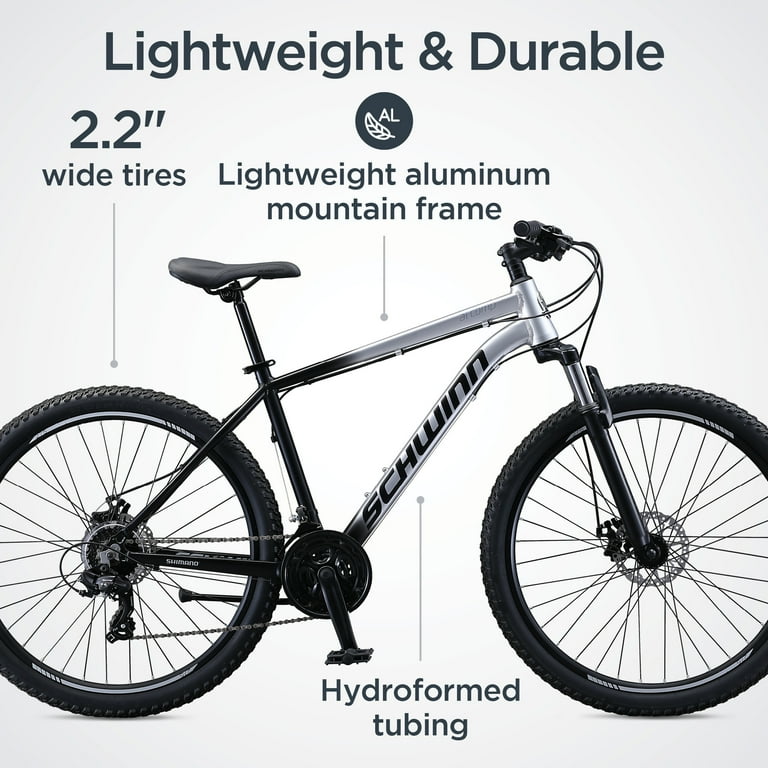
Credit: www.walmart.com
Comparing 21 Speed Mountain Bikes To Other Bikes
How does a 21 speed mountain bike compare to road bikes or single-speed bikes? Here’s a quick look:
| Bike Type | Average Top Speed (mph) | Main Purpose |
|---|---|---|
| 21 Speed Mountain Bike | 20–30 | Trail, rough terrain |
| Road Bike (21+ speed) | 25–40 | Speed, pavement |
| Hybrid Bike (7–21 speed) | 15–25 | Mixed use |
| Single Speed Bike | 10–20 | Urban, simple |
Mountain bikes are slower on roads, but much faster and safer on rough trails.
Real-life Examples: Speed In Action
Let’s look at how different riders use their 21 speed mountain bikes:
- Beginner rider: On a flat trail, averages 10–15 mph. On rough terrain, drops to 8 mph.
- Experienced rider: On pavement, can reach 25–30 mph. On technical trails, maintains 15–18 mph.
- Professional downhill racer: Hits 35–40 mph on steep descents, but only for short bursts.
Many beginners think mountain bikes are slow. In reality, speed depends on the conditions and the rider’s skills. Even a basic 21 speed mountain bike can be fast with proper technique.
How To Make Your Mountain Bike Go Faster
If you want to increase your speed, here are some proven methods:
- Upgrade tires to smoother tread for road use.
- Reduce bike weight by changing parts (seat, pedals, wheels).
- Maintain your bike regularly—clean, lubricate, and check for wear.
- Improve your fitness with cycling-specific workouts.
- Learn efficient gear shifting to keep momentum.
- Optimize your riding position for aerodynamics.
- Wear tight clothing to reduce wind drag.
- Join group rides to push your limits.
These tips can help you gain 2–10 mph, depending on your starting point.
Safety Considerations At High Speed
Riding fast on a mountain bike is exciting but risky. Here’s what you need to know:
- Always wear a helmet.
- Check brakes before every ride.
- Slow down near obstacles, corners, or other riders.
- On rough trails, avoid speeds above 20 mph unless you’re experienced.
- Watch for loose gravel or mud, which can cause falls.
Many accidents happen when riders go too fast for their skill level or trail conditions. Speed is fun, but control matters more.

Credit: www.diamondback.com
Common Mistakes Beginners Make
Understanding what slows you down can help you ride smarter:
- Using only one gear and forgetting to shift
- Not checking tire pressure
- Riding with loose clothing
- Ignoring bike maintenance
- Trying to copy road bike speeds on rough terrain
- Overestimating their own fitness
Avoiding these mistakes can help you reach your bike’s true speed potential.
Data Table: Speed Vs. Terrain
Here’s a breakdown of speed expectations for different terrains:
| Terrain Type | Beginner Speed (mph) | Experienced Speed (mph) |
|---|---|---|
| Paved road | 12–15 | 25–30 |
| Gravel path | 8–12 | 18–22 |
| Rocky trail | 5–8 | 12–18 |
| Steep downhill | 15–20 | 30–40 |
| Uphill climb | 3–6 | 8–15 |
You can see that terrain makes a huge difference.

Credit: www.tractorsupply.com
Should You Choose A 21 Speed Mountain Bike For Speed?
If your main goal is speed on pavement, a road bike is better. But if you want versatility—for trails, hills, and roads—a 21 speed mountain bike is a smart choice. It’s not the fastest, but it’s the most adaptable. The 21 gear options help you manage different terrains and conditions.
Non-obvious insight: Many riders don’t realize that a mountain bike’s speed is often limited by the gear ratio range, not just the number of gears. Some 21 speed bikes have low top gears, so check before you buy.
Another overlooked factor: Tire pressure changes can dramatically affect speed. Too low, and you lose efficiency; too high, and you lose grip on rough terrain.
Frequently Asked Questions
How Fast Can A 21 Speed Mountain Bike Go On Flat Roads?
Most riders can reach 20–30 mph (32–48 km/h) on flat, smooth pavement with a 21 speed mountain bike. This depends on fitness, tire type, and gear selection.
Is A 21 Speed Mountain Bike Faster Than A Road Bike?
No, road bikes are faster on pavement. A 21 speed mountain bike is built for versatility and rough terrain, not maximum speed. Road bikes can reach 40 mph or more.
Can I Use A 21 Speed Mountain Bike For Racing?
You can, but mountain bikes are not ideal for road racing. Their weight, tires, and geometry slow you down compared to dedicated race bikes.
What Is The Best Gear For Going Fast On A Mountain Bike?
The highest gear (biggest front chainring and smallest rear cog) is best for speed on flat or downhill terrain. Shift early and maintain a smooth cadence.
How Do I Make My 21 Speed Mountain Bike Faster?
Focus on fitness, tire upgrades, regular maintenance, efficient gear shifting, and riding position. Small changes add up to better speed.
—
A 21 speed mountain bike is a powerful tool for exploring different terrains. While it’s not the fastest type of bike, it offers a balance between speed, control, and flexibility. By understanding the 21 factors that affect speed, and applying practical tips, you can enjoy safe, efficient rides and push your limits. Remember, speed is just one part of the mountain biking experience—the real adventure begins where the pavement ends. For more technical details on gear systems and bike types, check out Wikipedia.

Hello Guys! I am John Reese, a professional biker and my hobby is biking! I have been biking for last 12 years and I love using bikes while outing as well. Based on my experiences with the different type of bikes (mountain bikes, road bikes and hybrid bikes); I am sharing my opinion about various bikes so that a beginner can get started right away. Happy reading!