
Adjusting the rear suspension on a mountain bike can change your ride from bumpy and tiring to smooth and exciting. Whether you’re tackling rocky trails, climbing steep hills, or racing downhill, your rear suspension is key for control, comfort, and safety. Many riders know their bike has suspension, but few adjust it for their own weight, riding style, or terrain. This guide will show you how to do it right, step by step, so your bike feels like it’s made for you.
Why Rear Suspension Matters
The rear suspension absorbs shocks from rough terrain, keeping your wheels on the ground and you in control. If it’s too stiff, you’ll bounce off obstacles. If it’s too soft, you’ll lose speed and risk bottoming out. Adjusting your suspension makes your bike safer, more efficient, and much more fun.
Most mountain bikes use either air shocks or coil shocks. Each type has different ways to adjust, but the goal is the same: balance comfort and performance. Getting this balance right helps avoid fatigue, improves handling, and protects your bike from damage.
Understanding Rear Suspension Basics
Before making changes, it’s important to know the main parts of your rear suspension and what each adjustment does. Here are the key terms:
- Sag: How much the shock compresses when you sit on the bike. Too much sag makes your bike feel sluggish; too little makes it harsh.
- Preload: Sets the starting tension of the shock. Mostly found on coil shocks.
- Rebound: Controls how fast the shock returns after compressing. Too fast and your bike bounces; too slow and it feels stiff.
- Compression: Adjusts how quickly the shock compresses under load. Useful for tuning shock response to big hits or small bumps.
- Spring Rate: The stiffness of the shock’s spring. Air shocks use air pressure; coil shocks use metal springs.
Knowing these basics helps you understand what each setting changes. Now let’s get practical.
Tools You Need
Adjusting your rear suspension isn’t complicated, but you’ll need a few tools:
- Shock pump: Used for air shocks to adjust air pressure.
- Allen wrenches: For adjusting bolts and knobs.
- Measuring tape or ruler: To check sag and settings.
- Bike stand (optional): Helps keep your bike stable.
- Notebook or phone: Record your settings for future reference.
Having the right tools makes the process smoother and ensures accurate adjustments.
Step-by-step: Setting Sag
Setting sag is the first and most important step. Sag is measured as a percentage of total shock travel and tells you how much the shock compresses under your weight. Most mountain bikes perform best with 25-30% sag.
How To Measure Sag
- Find the shock’s total travel: Check your bike manual or measure the shock’s exposed shaft.
- Sit on the bike: Wear your riding gear and sit in your normal position. Ask a friend to help steady the bike.
- Mark the shock position: Use an O-ring or a zip tie on the shock shaft to mark where it starts.
- Get off and measure: The O-ring moves as the shock compresses. Measure how far it’s moved.
- Calculate sag: Divide the compressed distance by total travel, then multiply by 100 to get a percentage.
For example: If your shock has 50mm travel, and the O-ring moves 13mm, your sag is (13/50) x 100 = 26%.
Adjusting Sag
- Air shocks: Use the shock pump to add or remove air. More air = less sag (firmer); less air = more sag (softer).
- Coil shocks: Adjust the preload collar. Turn clockwise to increase preload (firmer); counterclockwise to decrease (softer).
Check after each adjustment and repeat until you reach the recommended sag.
Typical Sag Settings
| Riding Style | Recommended Sag | Suspension Feel |
|---|---|---|
| Cross-country | 20-25% | Firmer, efficient |
| Trail/All-mountain | 25-30% | Balanced, comfortable |
| Downhill | 30-35% | Softer, plush |

Credit: epsoluciones.es
Adjusting Rebound
Rebound controls how quickly your shock returns after a bump. If it’s too fast, your bike can bounce and lose traction. If it’s too slow, the suspension feels sluggish and may not recover in time for the next bump.
How To Adjust Rebound
- Locate the rebound knob: Usually red, found at the end of the shock.
- Turn the knob: Clockwise for slower rebound; counterclockwise for faster.
- Test the setting: Push down on the bike and watch how quickly it returns. It should rebound smoothly without bouncing.
Practical Example
If you ride rocky trails, a slightly slower rebound can help keep your wheels planted. On smoother trails, faster rebound makes the bike feel lively.
Common Mistakes
Many beginners set rebound too fast, causing the bike to “pack up” and lose control. Always test changes on your normal trails and adjust gradually.
Adjusting Compression
Compression controls how the shock handles impacts. Low-speed compression affects small bumps and pedaling; high-speed compression affects big hits.
Low-speed Vs High-speed Compression
- Low-speed compression: Helps with small bumps and prevents bobbing when pedaling.
- High-speed compression: Handles big impacts, like drops or jumps.
How To Adjust Compression
- Find the compression knob: Usually blue, sometimes labeled “LSC” or “HSC.”
- Turn the knob: Clockwise for firmer compression; counterclockwise for softer.
- Test on different terrain: Adjust for your riding style. Firmer for smooth trails, softer for rough or downhill.
Data Table: Compression Settings
| Compression Setting | Trail Type | Recommended Use |
|---|---|---|
| Low | Technical/Rocky | More comfort |
| Medium | Mixed terrain | Balanced feel |
| High | Smooth/Hardpack | Efficient pedaling |
Fine-tuning For Your Weight
Bike suspension is designed for average rider weights, but your body weight can change how the shock performs. Here’s how to tune for your weight:
- Heavier riders: Increase air pressure or use a stiffer coil spring.
- Lighter riders: Decrease air pressure or use a softer coil spring.
Don’t forget to wear your normal gear (helmet, shoes, backpack) when adjusting. Even a few pounds can affect sag and performance.
Terrain And Riding Style Adjustments
Different trails require different suspension settings. Here are practical examples:
- Downhill: More sag and softer compression for big hits.
- Cross-country: Less sag and firmer compression for efficiency.
- Trail riding: Balanced settings for comfort and control.
Experienced riders often change their settings before each ride. Recording your settings helps you return to your favorite setup quickly.
Common Problems And Solutions
Many riders struggle with suspension that feels wrong but don’t know why. Here are frequent issues and solutions:
- Bike feels harsh: Increase sag or soften compression.
- Bike bottoms out: Reduce sag, increase air pressure, or firm up compression.
- Rear wheel loses traction: Slow down rebound or soften compression.
- Bike bounces after bumps: Slow rebound.
- Suspension doesn’t fully extend: Check air pressure and rebound settings.
If your bike still feels off after adjustments, your shock might need servicing or replacement.
How To Record And Test Your Settings
Testing your adjustments is crucial. After each change, ride your usual trail and note how the bike feels:
- Record sag, rebound, and compression settings.
- Note trail conditions and your speed.
- Describe any problems (too harsh, bouncy, etc. ).
This habit helps you find your ideal setup and avoids repeating the same mistakes.
Air Vs Coil Shock Comparison
Choosing between air shocks and coil shocks affects how you adjust suspension. Here’s a clear comparison:
| Shock Type | Adjustment Method | Best For | Weight |
|---|---|---|---|
| Air shock | Air pressure | Versatile, trail riding | Lighter |
| Coil shock | Spring rate, preload | Downhill, aggressive riding | Heavier |
Air shocks are easier to adjust and lighter, but coil shocks offer smoother performance for extreme terrain.
How Often To Adjust Rear Suspension
Your suspension needs regular checks, just like tire pressure or chain lube. Here’s a simple schedule:
- Monthly: Check sag and rebound.
- Before big rides: Test settings on your favorite trail.
- After changing gear: Adjust for new weight (backpack, water bottles).
- If you notice problems: Test and adjust immediately.
Neglecting suspension leads to poor performance and possible bike damage.
Maintenance Tips
Suspension adjustment is only part of the story. Maintenance keeps your shock working well:
- Clean the shock regularly: Dirt can cause wear and leaks.
- Check for oil leaks: If you see oil, visit a bike shop.
- Lubricate moving parts: Use recommended lubricants.
- Inspect bolts and bushings: Loose parts affect performance.
- Service your shock: Most brands recommend annual service.
A well-maintained suspension lasts longer and stays accurate.
Real-life Example: Trail Adjustment
Let’s look at a rider’s experience:
Carlos, a trail rider, struggled with harsh hits on rocky terrain. He wore a backpack and noticed his suspension felt stiff. After measuring sag, he found it was only 18%. He lowered air pressure, increased sag to 27%, and softened compression.
On his next ride, the bike felt smooth, and he was able to ride faster with less fatigue.
Non-obvious insight: Many riders forget to adjust for extra gear weight, like hydration packs or tools. Always include your gear when setting sag.
Advanced Tips For Experienced Riders
If you want to go further, here are advanced adjustments:
- Volume spacers: Adding or removing spacers in air shocks changes how progressive the suspension feels.
- Custom coil springs: Choose different spring rates for extreme tuning.
- Remote lockout: Switch between firm and plush settings while riding.
These tweaks help experienced riders tailor their suspension for specific races or trails.
Mistakes Beginners Make
Many new riders make these mistakes:
- Ignoring sag: They ride with factory settings, which rarely fit their body.
- Adjusting only one setting: Good suspension needs balanced sag, rebound, and compression.
- Changing too much at once: Small changes help you feel the difference.
- Not recording settings: You can’t learn what works without notes.
Avoid these mistakes for a better ride.

Credit: www.youtube.com
Quick Checklist For Trail Adjustments
Before hitting the trail, check:
- Sag is within recommended range
- Rebound is smooth, not bouncy
- Compression matches terrain
- Shock is clean and free of leaks
- Bolts are tight
This simple routine ensures your bike is ready for anything.
Suspension Brands And Models
Different brands offer unique adjustment features. Popular brands include:
- Fox
- RockShox
- Marzocchi
- DVO
Each brand has detailed manuals and videos. For more details on shock types and adjustment, see Wikipedia’s bicycle suspension page.
Data: How Suspension Settings Affect Performance
Research shows that proper suspension adjustment increases speed and comfort. In a test by Pinkbike, riders improved lap times by 8-12% after tuning their sag and rebound. Comfort scores increased by 30%. Poorly adjusted suspension led to fatigue and slower times.
Non-obvious insight: Even small changes in sag (2-3mm) can make a big difference in handling, especially on technical trails.
Frequently Asked Questions
How Often Should I Check My Rear Suspension Settings?
Check your settings every month and before big rides. If you change gear or notice problems, check immediately.
What Is The Best Sag For Mountain Biking?
Most bikes work best with 25-30% sag. Cross-country riders use less; downhill riders use more.
Can I Adjust Rear Suspension Without A Shock Pump?
Air shocks require a shock pump. Coil shocks can be adjusted without a pump, but you may need tools for the preload collar.
What If My Suspension Keeps Bottoming Out?
Increase air pressure or spring rate, and firm up compression. If it still bottoms out, your shock may need servicing or a different spring.
Should I Adjust Suspension For Different Trails?
Yes, adjusting for each trail type improves performance. Softer for rough trails, firmer for smooth or uphill routes.
A properly adjusted rear suspension transforms your mountain bike into a machine tuned for your body and your trails. With a little time and attention, your rides will be smoother, safer, and more enjoyable. Don’t forget to record your settings and keep your shock clean.
Happy riding!
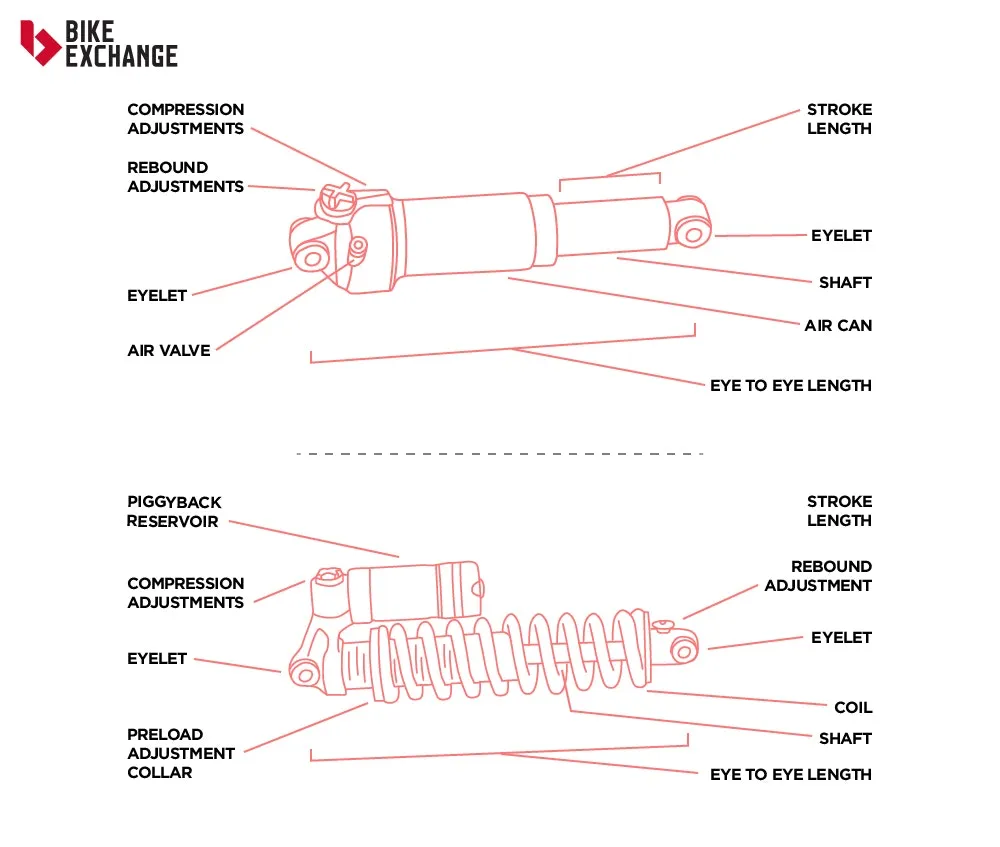
Credit: www.bikeexchange.com

Hello Guys! I am John Reese, a professional biker and my hobby is biking! I have been biking for last 12 years and I love using bikes while outing as well. Based on my experiences with the different type of bikes (mountain bikes, road bikes and hybrid bikes); I am sharing my opinion about various bikes so that a beginner can get started right away. Happy reading!