
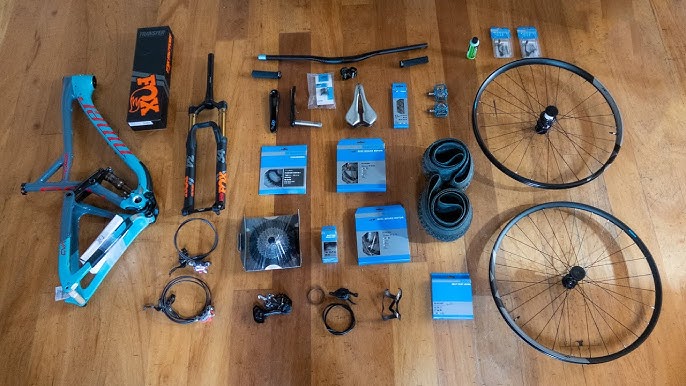
Building your own custom mountain bike is a dream project for many riders. It’s a chance to create something unique, tailored exactly to your size, riding style, and the terrain you love. Whether you’re chasing downhill speed, technical climbs, or all-day trail adventures, a custom build lets you fine-tune every detail. But the process can feel overwhelming—there are so many parts, standards, and choices. With the right guidance, though, building your own bike is not only possible, but deeply rewarding.
In this guide, you’ll discover how to plan, source, and assemble a custom mountain bike from the ground up. We’ll cover essential decisions, common pitfalls, and pro tips that most beginners miss. By the end, you’ll have a clear roadmap to create your perfect ride.
Planning Your Custom Mountain Bike
The planning stage sets the foundation for your entire build. Skipping these steps often leads to wasted money, mismatched parts, and frustration.
Define Your Riding Style And Goals
Start by asking: What type of riding will you do most? Mountain bikes come in many flavors:
- Cross-country (XC): Fast, lightweight bikes built for climbing and long distances.
- Trail: Versatile, do-it-all bikes for mixed terrain.
- Enduro: Heavier, more travel for technical descents.
- Downhill: Designed for speed and control on steep, rough trails.
- Dirt Jump/Slopestyle: Built for jumps and tricks.
Your choice influences frame geometry, suspension travel, and component compatibility.
Set A Realistic Budget
Custom builds can range from $1,500 to over $10,000. Most riders spend between $2,500 and $5,000 for a high-quality bike. Remember, you don’t need to buy everything at once—some parts can be upgraded later.
Where Does The Money Go?
| Component | Budget | Mid-Range | Premium |
|---|---|---|---|
| Frame | $300–$600 | $700–$1,200 | $1,500+ |
| Fork | $200–$350 | $400–$800 | $1,000+ |
| Groupset | $150–$300 | $400–$700 | $1,000+ |
| Wheels | $200–$400 | $500–$900 | $1,200+ |
| Brakes | $100–$200 | $250–$400 | $600+ |
| Other Parts | $100–$250 | $300–$500 | $700+ |
Research Compatibility
Not all parts fit together. Pay close attention to:
- Wheel size: 27.5″, 29″, or 26″ (less common now)
- Axle standards: Boost (12x148mm rear, 15x110mm front) or non-Boost
- Bottom bracket type: Threaded, Press Fit, etc.
- Headset standard: Tapered or straight
- Brake mount type: Post mount or IS
A common beginner mistake: buying parts based on price or looks, only to find they don’t fit your frame.
Decide Which Parts To Reuse
If you already own a bike, check which components are worth saving. Sometimes, wheels, brakes, or cockpit parts (bars, stem, saddle) can transfer to your new build.
Choosing Your Frame
The frame is the heart of your bike. It dictates geometry, feel, and which parts you can use.
Frame Material
- Aluminum: Most common, good balance of weight, cost, and durability.
- Carbon Fiber: Lightest and stiffest, but expensive. Great for racing.
- Steel: Durable and comfortable, but heavier.
- Titanium: Rare and pricey, but offers a smooth ride.
Frame Sizing
A correct fit is essential for comfort and control. Don’t go by seat tube length alone—look at reach, stack, and the manufacturer’s sizing chart. If possible, test-ride similar bikes.
Suspension Type
- Hardtail: No rear suspension. Lighter, simpler, and cheaper.
- Full Suspension: Rear shock adds comfort and control on rough trails, but costs more and needs more maintenance.
Frame Features To Consider
- Dropper post compatibility: Allows you to lower your seat on descents.
- Internal cable routing: Cleaner look, but harder to service.
- Bottle cage mounts, rack mounts: Useful for bikepacking or long rides.
- Tire clearance: Bigger is better for off-road comfort and grip.
Pro Tip
Always check the maximum fork travel your frame supports. Installing a longer fork than recommended can damage the frame or void the warranty.
Selecting The Fork And Suspension
The right suspension transforms your ride. It absorbs bumps, improves traction, and increases comfort.
Suspension Travel
- XC: 100–120mm
- Trail: 120–140mm
- Enduro: 150–170mm
- Downhill: 180–200mm
More travel means more control on rough trails, but adds weight and can reduce climbing efficiency.
Air Vs Coil
- Air forks/shocks: Lighter, easily adjustable.
- Coil forks/shocks: Plush feel, better for aggressive riding but heavier.
Key Fork Specs
- Steerer tube: Tapered (1.5″ to 1-1/8″) is standard now.
- Axle type: Match your frame and wheel.
- Offset/rake: Affects handling—shorter offset for stability, longer for agility.
Real-world Example
If you’re building a trail bike for technical terrain, a 140mm air fork from a reputable brand like RockShox or Fox is a solid choice.
Picking Wheels And Tires
Wheels are a major factor in how your bike feels and performs. They affect weight, acceleration, and durability.
Wheel Size
- 29″: Rolls over obstacles easily, better for speed and long rides.
- 27.5″: More playful, nimble handling.
- 26″: Mostly obsolete, but still used for dirt jump bikes.
Rims And Hubs
- Material: Aluminum is standard; carbon for lighter weight.
- Width: Wider rims (30–35mm internal) give better tire support.
- Tubeless-ready: Most modern wheels are, for lower pressure and fewer flats.
- Hub engagement: More points mean faster power transfer.
Tire Choice
- Width: 2.2″–2.6″ for most riding; up to 2.8″ for plus bikes.
- Tread: Aggressive for mud and loose dirt, faster-rolling for hardpack.
Tire Pressure
Experiment with pressure—lower pressure gives more grip, but too low can cause rim damage or “burping” with tubeless tires.
Table: Wheel Size Comparison
| Wheel Size | Best For | Pros | Cons |
|---|---|---|---|
| 29″ | XC, Trail, Enduro | Fast, rolls over obstacles, stable | Heavier, less agile for small riders |
| 27.5″ | Trail, Enduro, Jump | Playful, nimble, lighter | Doesn’t roll over rocks as well |
| 26″ | Dirt Jump, Older Frames | Strong, cheap, easy to spin | Obsolete for most modern bikes |
Credit: www.youtube.com
The Drivetrain: Gears, Crankset, And Bottom Bracket
Your drivetrain is the system that powers your bike—crankset, chain, cassette, derailleur, and shifter.
1x Vs 2x Vs 3x Drivetrains
- 1x (single front chainring): Simpler, lighter, less to break. Now standard for most mountain bikes.
- 2x/3x: More gear range, but heavier and more complex.
Most riders choose 1×12 setups for a wide gear range and easy operation.
Cassette And Chain
Make sure your cassette (rear gears) matches your derailleur’s capacity. For most 1x systems, a 10-51T or 10-50T cassette covers everything from steep climbs to fast descents.
Crankset And Bottom Bracket
- Crank length: 170mm or 175mm for most adults.
- Bottom bracket type: Match your frame’s requirements (threaded is easiest for home builders).
Pedals
- Flat pedals: Good for learning, technical riding.
- Clipless: More efficient, but require special shoes and practice.
Pro Insight
One overlooked detail: chainline. Make sure your chainring sits in the correct spot to avoid dropped chains and premature wear.
Brakes: Choosing And Installing
Strong, reliable brakes are essential for safety and speed control.
Brake Types
- Hydraulic disc: Most common, powerful, and consistent.
- Mechanical disc: Cheaper, easier to fix, but less power.
- Rim brakes: Not recommended for modern mountain bikes.
Rotor Size
- 160mm: Light, for XC or lighter riders.
- 180mm: Good for trail riding.
- 200mm: Best for enduro/downhill, or heavier riders.
Larger rotors offer more stopping power, but add weight.
Brake Mounts
Check your frame and fork: post mount is standard, but older frames may use IS mount.
Bleeding And Setup
Hydraulic brakes need bleeding to remove air bubbles—a simple kit and YouTube tutorial will help. Don’t let air in the system or contaminated pads ruin your first ride.

Credit: drvaz.com.br
Cockpit: Handlebars, Stem, And Grips
The cockpit influences your control, comfort, and confidence.
Handlebar Width And Rise
- Width: 760–800mm is common for trail/enduro. Cut down if needed.
- Rise: 10–40mm—higher rise for more upright position.
Stem Length
Short stems (35–50mm) increase steering quickness and control. Match with your frame’s reach.
Grips
Choose lock-on grips for easy installation and security. Thicker grips help with hand fatigue.
Saddle And Seatpost
- Saddle: Comfort is personal—try a few before deciding.
- Seatpost: Dropper posts are now standard for most mountain bikes.
Table: Handlebar And Stem Choices
| Component | Common Sizes | Best For |
|---|---|---|
| Handlebar Width | 760–800mm | Trail, Enduro, DH |
| Handlebar Rise | 10–40mm | Rider comfort, preference |
| Stem Length | 35–50mm | Control, modern geometry |
Other Key Components
Headset
Connects your fork to the frame. Match the standard (tapered, integrated, etc. ). Quality headsets last longer and keep steering smooth.
Seat Clamp
Needed to secure your seatpost. Choose a quick-release for fast adjustments, or a bolt-on for security.
Chain Guide And Bash Guard
Chain guides keep your chain in place, especially for aggressive riders. A bash guard protects your chainring from rocks.
Tubeless Sealant And Valves
Going tubeless reduces flats and allows lower tire pressure. Add tubeless sealant and compatible valves during wheel setup.
Sourcing Parts
Buy New, Used, Or Both?
- New parts: Warranty, reliability, latest technology.
- Used parts: Save money, but check for wear (especially on moving parts like drivetrains and wheels).
Mixing new and used is common—just inspect used items closely.
Where To Shop
- Local bike shops: Great for advice and support.
- Online retailers: Often cheaper, but watch for compatibility issues.
- Classifieds and forums: Good for deals on used parts.
Pro Tip
Order essential parts (frame, fork, wheels) first. Only buy other components once you’ve confirmed compatibility.
Tools You’ll Need
A home build requires some specific tools. Investing in quality pays off in the long run.
Basic Tools
- Allen wrenches (2–8mm)
- Torque wrench (prevents overtightening)
- Chain breaker tool
- Cable cutters
- Bottom bracket tool (matches your type)
- Cassette lockring tool
- Pedal wrench
- Floor pump with gauge
Optional But Helpful
- Work stand (makes assembly easier)
- Shock pump (for air suspension)
- Bleed kit (for hydraulic brakes)
- Tubeless tire inflator or compressor
Borrowing Vs Buying
If you don’t plan to build multiple bikes, consider borrowing specialty tools or sharing with friends.
Assembly: Step-by-step
This is where your custom mountain bike comes to life. Take your time and check each step.
1. Prepare The Frame
- Remove any packaging or stickers.
- Grease threads where needed (bottom bracket shell, pedals, bolts).
- Install headset cups (if not already done).
2. Install The Bottom Bracket And Crankset
- Threaded bottom brackets screw in clockwise/counterclockwise.
- Press Fit BBs require a press tool.
- Install cranks to the correct torque.
3. Fit The Fork
- Slide the fork through the headset.
- Add spacers and stem, then preload the headset (no play, but not tight).
- Cut the steerer tube if needed—measure twice, cut once.
4. Install Wheels
- Fit rotors to hubs, tighten to spec.
- Install tires (tubeless or with tubes).
- Insert wheels into frame and fork.
5. Attach Brakes
- Mount calipers to frame and fork.
- Fit levers to handlebars.
- Align calipers and rotors—spin wheels to check for rubbing.
- Shorten hoses if needed, then bleed brakes.
6. Drivetrain Setup
- Mount rear derailleur and chainring.
- Thread chain through derailleur.
- Install shifter on handlebar.
- Adjust limit screws and indexing for smooth shifting.
7. Cockpit And Controls
- Fit handlebars and stem, align to front wheel.
- Install grips, levers, and dropper post remote.
- Adjust saddle angle and seatpost height.
8. Fine Tune
- Inflate tires to recommended pressure.
- Set suspension sag (usually 25–30% of travel).
- Test brakes and shifting.
- Check all bolts to correct torque.
First Ride Checklist
Before you hit the trails, do a safety check:
- Bolt check: Use a torque wrench on all critical bolts.
- Brake test: Squeeze levers, check for firmness.
- Shifting: Run through all gears.
- Suspension: Bounce to check for smooth movement and no odd noises.
- Tire pressure: Adjust for terrain and rider weight.
- Dropper post: Up and down movement should be smooth.
- Listen: Watch for creaks or clicks—these often mean loose bolts or parts.
Common Beginner Mistakes (and How To Avoid Them)
1. Mismatched Parts
Always double-check compatibility, especially for bottom brackets, headsets, and axles.
2. Incorrect Torque
Overtightening bolts can crack carbon parts; undertightening can lead to loose components. A torque wrench is a must.
3. Skipping Grease
Apply grease to all metal threads and contact points to prevent rust and seizing.
4. Neglecting Fit
A great bike feels terrible if it doesn’t fit. Adjust saddle, bars, and stem for your body.
5. Rushing Assembly
Take your time. Watch video guides, and ask for help if you’re unsure.
Hidden Insight
Many first-time builders forget to register their frame and major components with the manufacturer. This protects your warranty in case of defects.
Upgrades And Personalization
One of the joys of a custom build is making it truly your own.
Paint And Decals
You can add custom decals or wrap for protection and style. Some companies offer custom paint or powder coating.
Component Swaps
Upgrading wheels, fork, or drivetrain later is easy. Start with reliable basics; you can always swap in lighter or fancier parts as your skills and budget grow.
Accessories
Consider adding:
- Frame bags or tool kits
- GPS computer mounts
- Mudguards
- Upgraded grips or pedals
These small touches make a big difference in day-to-day enjoyment.
Maintenance Tips For Your Custom Bike
A well-built bike lasts longer with regular care.
- Wash after muddy rides: Use gentle soap and water, avoid high-pressure hoses.
- Lube your chain: Every few rides, or after cleaning.
- Check bolts: Monthly, or before long trips.
- Inspect tires and brakes: Look for wear and replace as needed.
- Suspension service: At least once a season, or more if you ride hard.
Keeping a logbook of maintenance helps spot problems early.
When To Ask For Professional Help
Even experienced home mechanics sometimes need a shop’s help. Get assistance with:
- Press-fit bottom brackets
- Cutting carbon steerer tubes
- Hydraulic brake bleeding (if unsure)
- Wheel truing
If you’re ever in doubt, investing in a professional check is cheaper than a costly mistake.

Credit: www.fanatikbike.com
Real-life Case Study
Ben, a new mountain biker from Oregon, built his first custom trail bike on a $2,800 budget. He started with a used aluminum frame, chose a mid-range RockShox fork, and found wheels on sale. Ben researched each part for compatibility and used YouTube for assembly guidance. The build took about 20 hours over three weeks. After his first ride, he upgraded his grips and swapped in a dropper post, improving comfort and control. Ben’s main advice: “Don’t rush. Triple-check every part’s fit, and don’t be afraid to ask the community for help.”
Where To Learn More
Building a mountain bike is a skill you can keep improving. Forums like MTBR.com and guides from component brands are goldmines. For more on bike geometry and standards, check out this resource from BikeRadar.
Frequently Asked Questions
How Long Does It Take To Build A Custom Mountain Bike?
For most first-time builders, expect 10–20 hours spread over several days. Planning and sourcing parts can take longer than actual assembly. If you have all the right tools and clear instructions, a focused weekend is possible.
Is It Cheaper To Build Or Buy A Mountain Bike?
Building can be cheaper if you reuse parts or buy used, but new custom builds often cost more than a comparable ready-made bike. The main benefits are tailored fit, personal choice, and knowing every part’s history.
What’s The Hardest Part For Beginners?
Most struggle with cable routing, bleeding hydraulic brakes, and tubeless tire setup. Watching detailed video guides helps a lot. Don’t be afraid to ask a shop for help with tricky steps.
Can I Upgrade Parts Later?
Absolutely. Most riders start with solid basics, then upgrade wheels, drivetrain, or suspension as their skills grow. Just make sure new parts match your frame’s standards.
What If I Make A Mistake During Assembly?
Small mistakes are normal—most can be fixed easily. If you’re unsure, stop and ask for help before forcing a part. Bike shops are used to helping DIYers and can save you from costly errors.
Building a custom mountain bike is challenging, but it’s an adventure that pays off every time you hit the trails. With patience, research, and attention to detail, you’ll not only ride a bike that’s truly yours—you’ll understand it inside and out.
Happy building!

Hello Guys! I am John Reese, a professional biker and my hobby is biking! I have been biking for last 12 years and I love using bikes while outing as well. Based on my experiences with the different type of bikes (mountain bikes, road bikes and hybrid bikes); I am sharing my opinion about various bikes so that a beginner can get started right away. Happy reading!