
Building a mountain bike frame from scratch is a unique journey for any cycling enthusiast. It’s more than just welding tubes together—it’s about creating a machine that matches your riding style, fits your body, and stands up to the rugged demands of off-road trails.
While you can buy top-quality frames from leading brands, nothing compares to the satisfaction of riding a bike you built yourself.
This guide will walk you through each step of the process, from understanding frame geometry to selecting materials, cutting and shaping tubes, and finally assembling a strong, reliable frame. Along the way, you’ll find practical advice, common mistakes to avoid, and expert insights to help you succeed—even if it’s your first time.
Understanding Mountain Bike Frame Design
Before you pick up any tools, you need to understand what makes a good mountain bike frame. The design affects how your bike handles, absorbs shocks, and fits your body.
Frame Geometry
Frame geometry refers to the angles and lengths of different parts of the frame. These measurements change how the bike feels on the trail.
- Top tube length controls how stretched out or upright you feel.
- Head tube angle affects steering; a slacker angle is more stable at speed, while a steeper one turns quicker.
- Seat tube angle impacts pedaling efficiency.
- Chainstay length changes how nimble or stable the bike is.
Many mountain bikes have a head tube angle between 65–69°, a seat tube angle around 73–75°, and a chainstay length of 420–440 mm. These numbers aren’t random—they’re tuned for specific riding styles like cross-country, trail, or downhill.
Types Of Mountain Bike Frames
Choosing the right frame style is important. Here’s a quick overview:
| Frame Type | Main Features | Best For |
|---|---|---|
| Hardtail | Front suspension only, lighter, easier to build | Cross-country, trail |
| Full Suspension | Front and rear suspension, more complex design | Downhill, aggressive trail |
| Rigid | No suspension, simple, lightest design | Urban, light off-road |
For most first-time builders, a hardtail frame is recommended. It’s simpler, easier to align, and still offers great performance.
Customizing For Fit
A custom frame means you can tailor the bike to your exact measurements. Measure your inseam, torso, and arm length to determine the right frame size. There are online calculators, but nothing replaces a proper bike fit session at a bike shop for best results.
Choosing Frame Materials
The choice of frame material affects the bike’s weight, strength, ride feel, and difficulty of building.
Main Frame Materials
- Steel: Strong, easy to work with, forgiving during welding. Heavier but classic.
- Aluminum: Lighter, resists rust, needs careful welding and heat treatment.
- Titanium: Light, strong, and rust-proof but expensive and difficult to work with.
- Carbon Fiber: Lightest option, absorbs vibration well, but requires advanced skills and tools.
Most first-time builders should choose steel. It’s affordable, easy to cut and weld, and mistakes are easier to fix. Chromoly (like 4130 steel) is a popular alloy for its strength and ride quality.
Material Comparison
Let’s see how the main materials compare:
| Material | Weight | Strength | Difficulty | Cost |
|---|---|---|---|---|
| Steel (Chromoly) | High | High | Easy | Low |
| Aluminum | Medium | Medium | Medium | Medium |
| Titanium | Low | Very High | Hard | Very High |
| Carbon Fiber | Very Low | High | Very Hard | High |
Insider tip: For your first frame, focus on skills, not weight savings. A well-built steel frame will ride better than a poorly made aluminum or carbon one.
Essential Tools And Equipment
Building a mountain bike frame at home requires special tools. Here’s what you’ll need:
Measuring And Marking
- Tape measure and calipers for accurate dimensions
- Angle finder for geometry checks
- Frame jig (or a DIY version) to hold tubes in place
Cutting And Shaping
- Tubing cutter or hacksaw for clean tube cuts
- Files and deburring tools to smooth edges
- Tube notcher for precise joints
Joining Tubes
- Welder (TIG, MIG, or oxy-acetylene for steel)
- Brazing torch (if you prefer brazed joints)
- Welding helmet and protective gear
Finishing
- Bench grinder or sander for cleanup
- Paint booth or spray area for frame finishing
Non-obvious insight: Many small frame builders use a DIY frame jig made from wood or metal. It’s cheaper and works well if you’re careful with measurements.
Planning Your Frame
Before you touch any metal, create a detailed plan. This step saves time, money, and frustration.
Sketching The Frame
- Draw the frame to scale on large paper or use a bike frame design software.
- Mark all tube lengths, angles, and joint positions.
- Double-check measurements for your chosen wheel size (e.g., 27.5″, 29″).
Sourcing Materials
Buy enough tubing for your main tubes (top tube, down tube, seat tube, chainstays, seatstays, head tube, bottom bracket shell). Add extra for mistakes and practice welds.
Choose compatible tubing diameters and wall thicknesses. Most mountain bikes use tubes between 28–35 mm in diameter, with wall thicknesses of 0.8–1.2 mm.
Collecting Small Parts
Don’t forget dropouts, head tube, bottom bracket shell, and cable guides. You can buy these as ready-made parts or fabricate your own if you have advanced skills.
Practical tip: Buy extra dropouts and small parts. They are easy to misplace or damage.
Cutting And Mitering Tubes
Precision is key for a strong, straight frame. Take your time in this step.
Measuring Tubes
- Mark each tube according to your plan.
- Double-check angles before cutting.
- Use a scribe or fine marker for clean lines.
Cutting
- Use a tubing cutter for straight cuts.
- For angled cuts, a hacksaw or a band saw works best.
- Always cut slightly longer than needed, then file down for a perfect fit.
Mitering (shaping Ends)
Each tube end must fit tightly against the joining tube. Use a tube notcher, files, or even a rotary tool. Test fit each piece and adjust until there’s no visible gap.
Expert insight: Even small gaps can weaken welds. Spend extra time here—you’ll thank yourself later.
Frame Jig Setup And Alignment
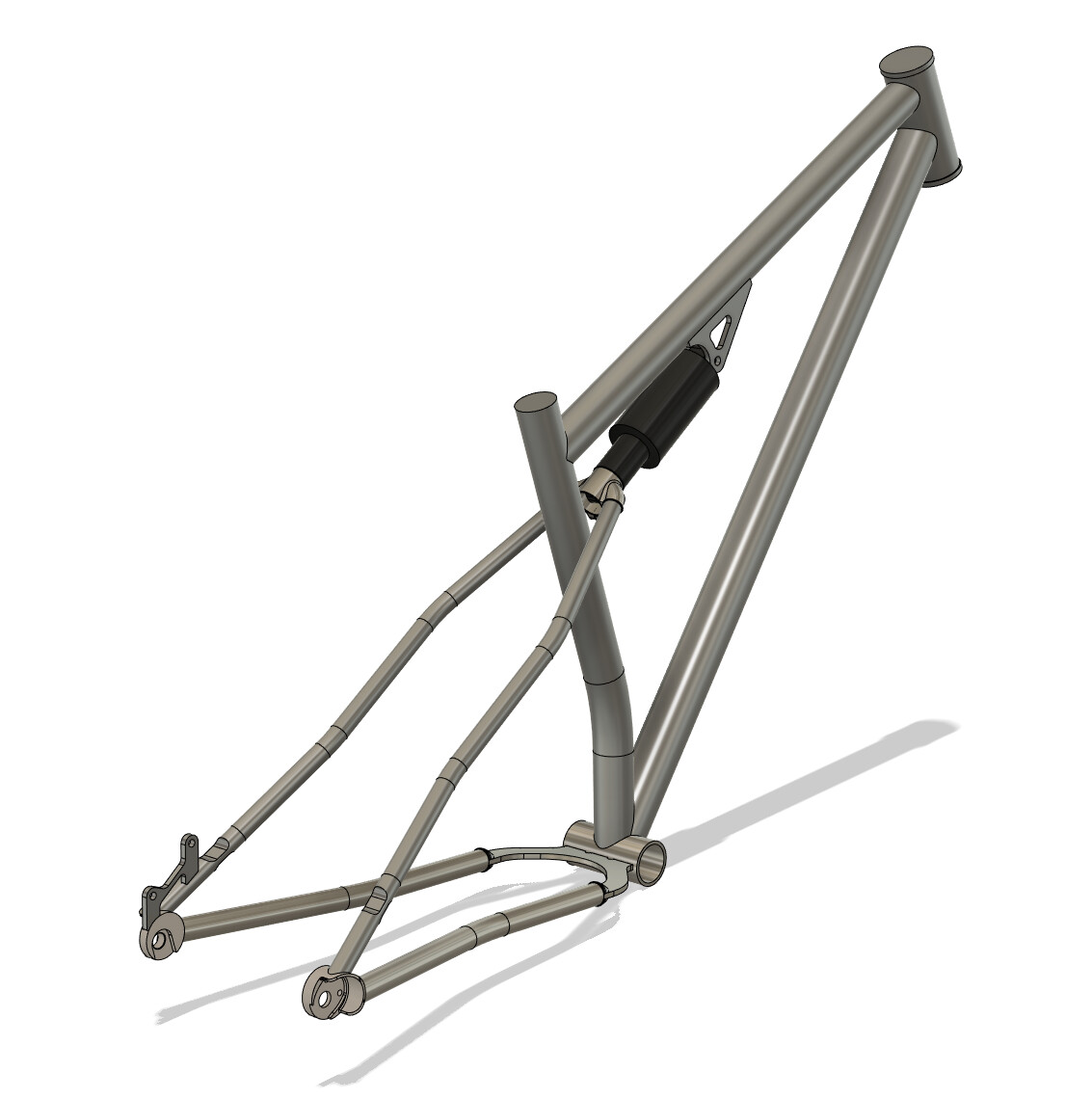
A frame jig holds everything in place during welding. Accurate alignment is essential for safe, predictable handling.
Building Or Borrowing A Jig
- Buy a commercial jig (expensive but precise).
- Build your own using metal or wood.
- Borrow or rent one from a local makerspace or bike co-op.
Setting Up The Jig
- Place the bottom bracket shell in the jig first.
- Add the head tube, then align the top tube, down tube, and seat tube.
- Use spacers to simulate your wheel size and tire clearance.
Check alignment from all angles. Small errors here will cause bigger problems later, like poor handling or even chain rub.
Non-obvious insight: Check frame alignment both before and after welding. Heat can cause warping, so minor adjustments may be needed.
Credit: www.hushagyofutar.hu
Welding Or Brazing The Frame
Now it’s time to join your tubes. This is the most technical part of the build.
Choosing A Joining Method
- TIG welding: Precise, strong, and the standard for high-quality steel frames.
- MIG welding: Easier to learn but less neat; strong enough for most builds.
- Brazing: Uses lower heat and brass filler; easier to correct mistakes, but not as stiff as welding.
Safety First
Wear a welding helmet, gloves, long sleeves, and work in a well-ventilated area. Avoid distractions—mistakes with hot metal can be serious.
Welding Tips
- Tack-weld tubes at each joint to hold them in place.
- Check alignment after tack welding.
- Complete welds in small sections to avoid overheating and warping.
- Let the frame cool slowly to reduce stress.
Brazing Tips
- Clean all surfaces thoroughly.
- Use enough flux to prevent oxidation.
- Heat the joint evenly until the brass flows smoothly around the tube.
Common mistake: Rushing the welding process. Take breaks between welds to let the frame cool and check alignment.
Adding Frame Details
Once the main triangle is finished, add the smaller but important details.
Installing Dropouts
- Align them carefully for even wheel tracking.
- Tack-weld or braze in place, then fully secure.
Mounting Cable Guides And Bottle Bosses
- Mark positions according to your plan.
- Drill pilot holes if using bolt-on mounts.
- Weld or braze on guides as needed.
Adding Brake Mounts
- Decide if you want post mount or IS mount for your disc brakes.
- Align carefully for proper caliper position.
- Measure twice before welding—brake alignment is critical.
Fitting Seatstay And Chainstay Bridges
- These small tubes add stiffness and tire clearance.
- Install after you’ve dry-fitted the rear triangle.
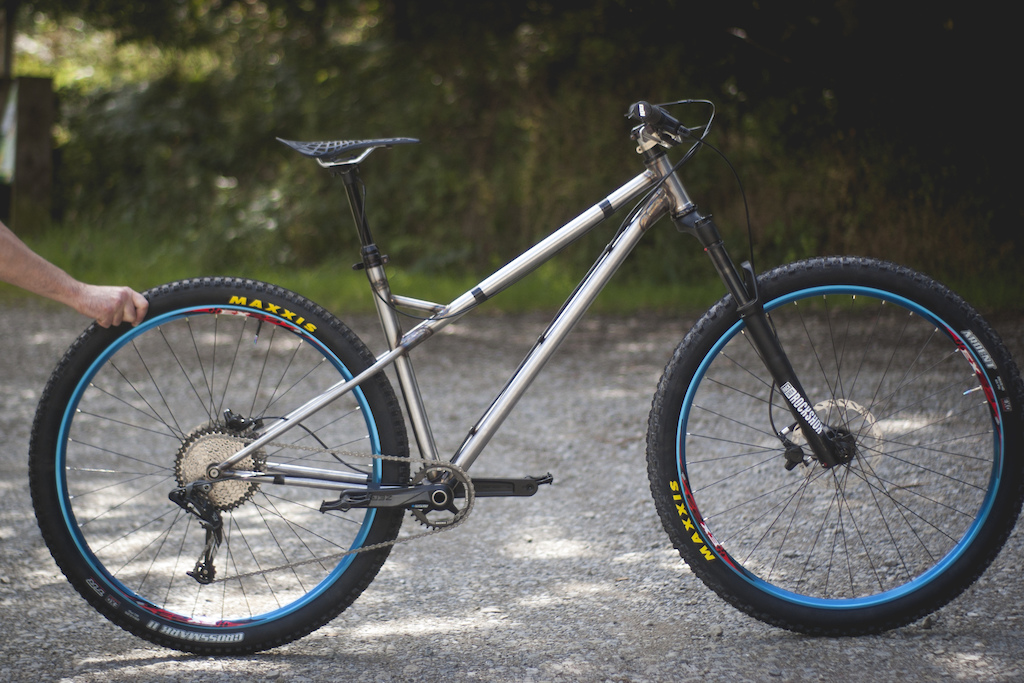
Insider tip: Place a wheel in the frame before welding bridges to ensure there’s enough clearance for your chosen tire size.
Credit: www.pinkbike.com
Checking Frame Alignment
After welding, check the frame’s alignment before moving on.
Tools For Alignment
- Use a surface plate or flat table.
- Measure with a frame alignment gauge.
- Check for twist, and measure the distance between dropouts and the centerline.
Straightening Minor Issues
- Small bends can be corrected with careful pressure.
- Large errors may need re-welding, so check often during the build.
A frame that’s out of alignment will handle poorly and wear out parts faster.
Cleaning, Smoothing, And Preparing For Paint
Now your frame is together, but it’s not finished yet.
Cleaning
- Remove all welding slag and flux.
- Wipe the frame with degreaser to remove oil and dirt.
Smoothing Welds
- File or sand rough spots, but don’t weaken the joints.
- Smooth transitions help paint stick and prevent stress risers.
Preparing For Paint
- Mask off threads and bearing surfaces.
- Hang the frame securely for painting.
- Wipe with a lint-free cloth before applying primer.
Pro tip: Use a tack cloth before painting to remove fine dust.
Painting Or Powder Coating
A great finish protects your frame and makes it look professional.
Painting
- Apply a thin primer coat and let dry completely.
- Add 2–3 layers of color, allowing each to dry.
- Finish with a clear coat for durability.
Powder Coating
- More durable than paint, but needs special equipment.
- The frame is coated with powder and baked in an oven.
- Many local shops offer this service for a reasonable price.
Practical advice: If you’re new to painting, practice on scrap tubing first. Runs and drips are hard to fix later.
Installing Frame Hardware
Before you assemble your bike, install all hardware:
- Press in the headset and bottom bracket.
- Insert seat tube collar and check for smooth operation.
- Install bottle bosses and cable stops.
Check all threads and facing to make sure parts screw in smoothly. Re-tap or chase threads if needed.
Final Frame Inspection
Before you build up your bike, give the frame a thorough check.
- Inspect all welds and brazed joints for cracks or weak spots.
- Measure main dimensions again to ensure accuracy.
- Test-fit wheels and fork to confirm alignment.
If everything checks out, you’re ready to add components and hit the trails.
Common Mistakes To Avoid
Learning from others’ errors can save you time and money.
- Rushing the design phase: Small geometry mistakes can ruin ride quality.
- Poor tube prep: Dirty or oily tubes lead to weak welds.
- Skipping alignment checks: Leads to handling problems and premature part wear.
- Overheating tubes: Causes warping or metal fatigue.
- Neglecting safety gear: Burns and eye damage are common.
Bonus tip: Keep a build log with photos. It helps track progress and troubleshoot problems.
Real-world Example: A First-time Builder’s Story
Mark, a hobbyist from Oregon, built his first steel hardtail frame in his garage. He spent weeks planning and cutting tubes, checking each step twice before moving forward. He built a simple wooden jig, practiced his welding on scrap, and made lots of small mistakes.
But by taking his time and learning from each error, he finished a frame that fit him perfectly and handled great on local trails. The bike was a bit heavier than a store-bought frame, but the pride of riding something he made himself was unbeatable.
When To Seek Professional Help
Some tasks may be better left to experts:
- Heat treating aluminum frames for proper strength.
- Cutting and facing bottom bracket shells for perfect bearing fit.
- Powder coating for a professional finish.
Don’t hesitate to ask for help at your local bike shop or metalworking club. Many small builders are happy to share advice.
Useful Resources For Builders
- Framebuilding forums and YouTube channels
- Books like “The Paterek Manual for Bicycle Framebuilders”
- Local bike co-ops and makerspaces
For a deep dive into bike geometry, visit the Wikipedia Bicycle Frame Page.
Frequently Asked Questions
What’s The Best Material For A First Mountain Bike Frame Build?
Steel (Chromoly) is the best choice for most beginners. It’s strong, forgiving during welding, and easier to repair. Aluminum is lighter but needs careful heat treatment, and carbon fiber requires advanced skills.
Can I Build A Mountain Bike Frame Without A Frame Jig?
Yes, but it’s much harder. A frame jig ensures all tubes are aligned properly. If you don’t have one, you can make a simple jig from wood or angle iron, but measure everything carefully and check alignment often.
How Much Does It Cost To Build A Mountain Bike Frame?
Expect to spend $250–$600 for basic materials and tools if you use steel. Costs rise quickly with premium tubes, custom parts, or professional services like powder coating. Tools can be reused for future projects.
How Long Does It Take To Build A Frame?
The process usually takes 30–50 hours for a first-time builder. This includes planning, cutting, welding, and finishing. Rushing increases mistakes—take your time for best results.
Is It Safe To Ride A Homemade Mountain Bike Frame?
If you follow proper procedures, check all welds, and ensure good alignment, a homemade frame can be very safe. However, always double-check your work, and if you have doubts, consult with an experienced builder before riding aggressively.
Building your own mountain bike frame is a rewarding challenge. It requires patience, careful planning, and attention to detail, but the result is a bike that’s uniquely yours. Whether you aim for a rugged trail machine or a lightweight cross-country racer, the skills you learn in the process will serve you for years to come.
Enjoy the ride!

Credit: www.youtube.com

Hello Guys! I am John Reese, a professional biker and my hobby is biking! I have been biking for last 12 years and I love using bikes while outing as well. Based on my experiences with the different type of bikes (mountain bikes, road bikes and hybrid bikes); I am sharing my opinion about various bikes so that a beginner can get started right away. Happy reading!