
Changing a tire on a Trek mountain bike isn’t just a useful skill—it can be the difference between a great ride and a long walk home. Whether you’re deep in the woods, riding along rocky trails, or just cycling in your neighborhood, a flat tire is a common problem every mountain biker faces.
Knowing how to fix it yourself gives you confidence, saves you time, and can even save your day. Even if you’re new to biking, this guide will help you change a tire on your Trek mountain bike step by step, using simple words and clear explanations.
Many Trek mountain bikes use similar wheel and tire systems, but there are small differences depending on the model and year. This article covers the process for most modern Trek mountain bikes, with tips for both tubeless and tube-type tires. You’ll learn about the tools you need, safety tips, how to avoid mistakes, and even get advice for tricky situations like stuck wheels or stubborn tires. By the end, you’ll have all the knowledge you need to change your tire confidently—on the trail, at home, or anywhere else.
Understanding Your Trek Mountain Bike Tire System
Before you start, it’s important to know what kind of tire system your Trek mountain bike uses. Trek bikes usually come with either tubeless or tube-type tires.
Tubeless tires do not have an inner tube. Instead, they seal directly to the rim and use liquid sealant to stop small leaks. They’re popular for mountain biking because they reduce the risk of pinch flats and can run at lower pressures for better grip.
Tube-type tires (also called clincher tires) use an inner tube to hold the air. If you get a flat, it’s usually the tube that needs changing.
Not sure which type you have? Look for a valve sticking out of the rim:
- If you see sealant coming out when you press the valve, or the tire says “Tubeless Ready,” you likely have tubeless.
- If you can pinch the tire and feel an inner tube inside, or the tire says “Use with Tube Only,” you have a tube-type tire.
Knowing the system helps you choose the right tools and steps for changing your tire.
Essential Tools And Supplies
You don’t need a bike shop to change a Trek mountain bike tire, but having the right tools makes the job much easier. Here’s a list of what you should have ready:
- Tire levers – For prying the tire off the rim.
- Spare tube (for tube-type tires) or tubeless repair kit (for tubeless).
- Bike pump (hand pump or CO2 inflator).
- Patch kit (optional, for fixing tubes on the go).
- Valve core remover (for tubeless setups).
- Sealant (for tubeless tires).
- Multi-tool (with hex wrenches and a screwdriver).
- Gloves (optional, but good for keeping hands clean).
- Clean rag (for wiping hands or rims).
If you’re riding far from home, keep a small repair kit in your backpack or saddle bag. Many experienced riders also carry a quick link for their chain and a small flashlight, especially for longer rides.

Credit: www.youtube.com
Preparing Your Bike And Workspace
A safe and organized workspace makes changing a tire faster and easier. Here’s how to prepare:
- Shift your bike into the smallest chainring and smallest rear cog. This makes wheel removal smoother.
- Find a flat, stable surface to work on. If you’re at home, a bike stand is helpful but not required.
- Flip your bike upside down (resting on the seat and handlebars) or use a stand to support it.
- Remove any bags, bottles, or accessories that might get in the way.
Before you start, check your tools. Make sure your pump works and your spare tube or sealant is the right size for your wheel (most Trek mountain bikes use 27.5-inch or 29-inch wheels, but double-check).
Removing The Wheel Safely
Taking off the wheel is an important first step. Most Trek mountain bikes have quick-release skewers or thru-axles.
Removing A Quick-release Wheel
- Open the quick-release lever by flipping it outward.
- If your bike has rim brakes, release the brake cable or open the brake arms.
- Hold the frame and pull the wheel out gently.
Removing A Thru-axle Wheel
- Use a hex wrench (usually 5mm or 6mm) to unscrew the thru-axle.
- Pull the axle out completely.
- Slide the wheel out of the frame or fork.
Always keep track of small parts like springs or axle nuts. Place them in a safe spot to avoid losing them.
Deflating The Tire Completely
Before you remove the tire from the rim, make sure all the air is out. This makes it much easier to work with.
- For Presta valves (thin, with a small nut at the top), unscrew the cap and press the tip to let out air.
- For Schrader valves (wider, like car tire valves), press the small pin inside to release air.
Squeeze the tire as the air escapes to help it deflate faster. Make sure it’s completely soft before you go to the next step.
Removing The Tire From The Rim
This is where tire levers come in handy. Here’s how to do it:
- Insert a tire lever under the edge (bead) of the tire, about 6 inches from the valve.
- Pry the bead over the rim edge and hook the lever to a spoke.
- Use a second lever a few inches away to continue prying the tire off.
- Slide one lever around the rim to release the tire completely.
For most flat repairs, you only need to remove one side of the tire from the rim. Leave the other side in place to make reinstalling easier.
Tip: Some Trek mountain bike tires are tight. If the tire is stubborn, try pushing both sides of the tire bead into the center channel of the rim. This creates more space and makes removal easier.
Inspecting The Tire, Rim, And Tube
Now that the tire is off, it’s time to inspect everything. This is a step many beginners skip, but it’s important to avoid repeat flats.
- Check the tire tread for sharp objects (glass, thorns, metal). Remove anything you find.
- Run your fingers gently inside the tire to feel for hidden sharp points. Go slowly to avoid getting cut.
- Inspect the rim for dents, cracks, or sharp edges.
- Look at the tube (if using tubes) for holes, splits, or pinch marks.
If you find a hole in the tube, note its location and check the tire in the same spot. This helps you find the cause of the flat.
Repairing Or Replacing The Tube
If you use tube-type tires and have a flat, you can either patch the tube or replace it.
Patching A Tube
- Find the hole by inflating the tube and listening for air or submerging it in water.
- Dry the area and roughen it with sandpaper from your patch kit.
- Apply glue (if needed) and press on the patch.
- Wait a few minutes for the glue to set.
Replacing The Tube
- Remove the old tube completely.
- Take your new tube and inflate it slightly so it holds its shape.
- Insert the valve through the rim and tuck the tube inside the tire all the way around.
Tip: Always carry a spare tube. Patching is useful, but it takes time and doesn’t always work perfectly on the trail.

Credit: axondigital.pl
Repairing A Tubeless Tire
Tubeless tires are common on Trek mountain bikes. If you get a flat:
- Check for visible punctures. Small holes may seal on their own with sealant.
- For larger holes, use a tubeless plug (also called a bacon strip). Insert the plug into the hole using the tool, then trim off excess.
- Spin the wheel to spread the sealant.
- If the tire won’t seal, you can install a tube as a backup.
Tip: Always check your sealant level every few months. Not enough sealant is a common reason tubeless setups fail.
Reinstalling The Tire On The Rim
Now it’s time to put everything back together. Here’s how to reinstall the tire:
- Tuck the tube (if using) fully inside the tire, making sure it’s not twisted.
- Starting opposite the valve, push the tire bead back onto the rim with your hands.
- Work your way around both sides, finishing at the valve.
- If the tire is tight, use your thumbs or a tire lever carefully to avoid pinching the tube.
Check that the tube isn’t caught between the tire and rim. If it is, you risk another flat when you inflate.
Inflating The Tire Correctly
Proper inflation is key for safety and performance. Here’s how to do it:
- Insert the pump onto the valve and begin pumping. For CO2 inflators, follow the instructions carefully.
- Inflate to the recommended pressure, which is usually printed on the tire sidewall. Most Trek mountain bike tires work best between 25–35 psi for trail riding.
- For tubeless tires, a sudden blast of air may be needed to seat the tire bead onto the rim. A floor pump or compressor helps here.
Tip: Too much air pressure can make the ride harsh and reduce grip. Too little can cause pinch flats or burping for tubeless tires. Test different pressures to find what works best for your weight and riding style.
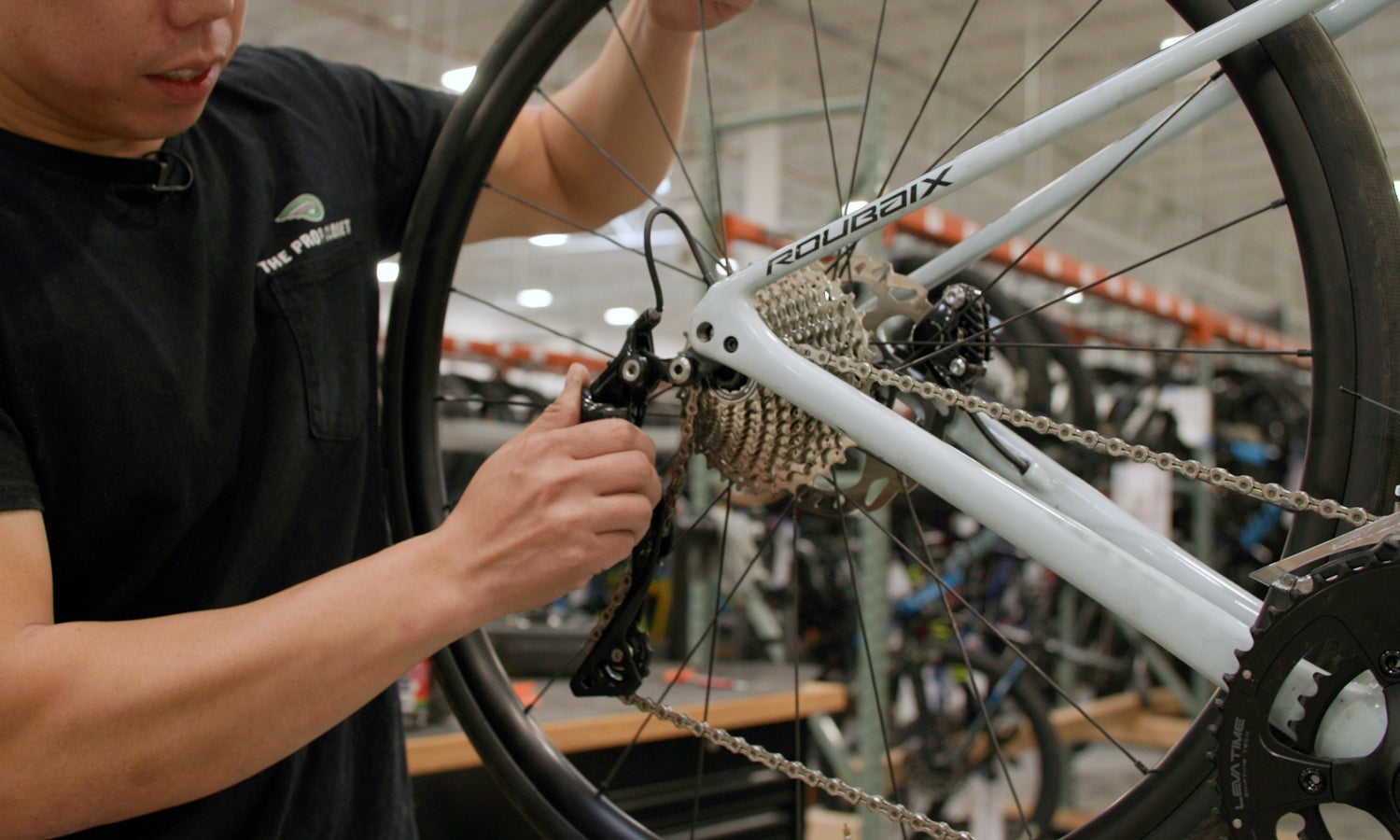
Reinstalling The Wheel On The Bike
With the tire fixed and inflated, it’s time to put the wheel back:
- Align the wheel with the frame or fork.
- Insert the axle or quick-release skewer.
- Tighten the skewer or thru-axle securely, but don’t overtighten.
- If you opened the brakes, reconnect them.
- Spin the wheel to check that it’s centered and doesn’t rub.
Give the tire a gentle squeeze to double-check pressure before riding.
Credit: www.theproscloset.com
Testing Your Repair Before Riding
Before you get back on the trail, do a quick safety check:
- Spin the wheel and watch for wobbles.
- Squeeze the brakes to confirm they work.
- Press the tire to make sure it feels firm.
- Check for any leftover tools or parts.
If Everything Looks And Feels Right, You’re Ready To Ride!
Practical Tips For Changing A Tire On The Trail
Changing a tire at home is one thing, but doing it on the trail can be harder. Here are some real-world tips:
- Practice at home before you need to do it outside.
- Always carry a small hand pump or CO2 inflator, not just patches or tubes.
- Use gloves to keep your hands clean and avoid cuts from sharp debris.
- Watch for poison ivy or other plants when laying your bike down outdoors.
- In cold weather, keep tubes inside your jacket so they’re easier to handle.
Non-obvious insight: Some Trek bikes have tubeless-ready rims but ship with tubes. If you switch to tubeless, make sure your rim tape is airtight and your valves are compatible.
Common Mistakes To Avoid
Even experienced riders make mistakes when changing tires. Here are a few to watch out for:
- Forgetting to check the inside of the tire for sharp objects, causing repeat flats.
- Pinching the tube with tire levers during installation, leading to an immediate flat.
- Not seating the tire bead correctly, which can cause a bulge or blowout.
- Overinflating or underinflating, affecting safety and performance.
- Losing small parts like axle springs or valve caps.
- Using the wrong tube size—always match your wheel’s diameter and width.
Take your time, double-check your work, and you’ll avoid most problems.
Comparing Trek Mountain Bike Tire Systems
To help you understand the differences, here’s a quick comparison of tube-type vs. tubeless setups on Trek mountain bikes:
| Feature | Tube-Type | Tubeless |
|---|---|---|
| Flat Resistance | Lower (pinch flats common) | Higher (sealant prevents most flats) |
| Ease of Repair | Simple, just replace tube | Can be messy, needs sealant/plugs |
| Weight | Heavier (extra tube) | Lighter (no tube) |
| Setup Complexity | Easy | Moderate |
| Pressure Range | Higher (to avoid pinch flats) | Lower (better grip) |
Trek Mountain Bike Wheel Sizes And Tube Compatibility
Knowing your wheel and tire size is important when buying replacement tubes or tires. Trek mountain bikes mainly use these sizes:
| Wheel Size | Typical Tire Width | Common Tube Size | Best Use |
|---|---|---|---|
| 26-inch | 2.0–2.4″ | 26 x 2.0–2.4″ | Older models, youth bikes |
| 27.5-inch (650b) | 2.2–2.6″ | 27.5 x 2.2–2.6″ | Modern trail bikes |
| 29-inch | 2.2–2.6″ | 29 x 2.2–2.6″ | XC, trail, enduro bikes |
Always check your tire sidewall for exact size before buying a tube.
Advanced Tips For Tough Situations
Sometimes, things don’t go as planned. Here are solutions for tricky problems:
- Stuck tire bead: Warm the tire in the sun or use a small amount of soapy water on the bead to loosen it.
- Valve won’t seal: Check that the valve core is tight. For tubeless, make sure the rim tape is not damaged.
- Tire won’t seat: Bounce the wheel gently on the ground while inflating or use a compressor for a quick air blast.
- Multiple flats: If you get more than one flat in a ride, check your rim strip or rim tape for sharp edges or misalignment.
Non-obvious insight: Some Trek mountain bike models have proprietary wheel or axle systems. If your wheels are unusually hard to remove, check your bike’s manual or visit your local Trek dealer for advice.
Resources For Trek Mountain Bike Maintenance
If you want to go deeper, Trek offers official maintenance guides and videos on their website. Local bike shops are also excellent resources for hands-on help or advice. For more detailed information, the Trek official website has downloadable manuals and support articles.
Frequently Asked Questions
What Tire Pressure Should I Use On My Trek Mountain Bike?
Most Trek mountain bike tires work best between 25–35 psi, depending on your weight, terrain, and riding style. Lower pressures give more grip but can increase the risk of pinch flats for tube-type tires. Tubeless setups allow for lower pressures safely.
Can I Use A Regular Tube In A Tubeless Trek Rim?
Yes, you can use a standard inner tube in a tubeless-ready rim. If your tubeless system fails or you have a large puncture, installing a tube is a reliable backup solution. Just make sure the tube size matches your wheel and tire.
How Often Should I Replace Tire Sealant In Tubeless Trek Tires?
Sealant should be checked every 2–4 months. In hot or dry climates, check more often. Not enough sealant is a common reason tubeless tires lose air or fail to seal after a puncture.
What Should I Do If My Trek Bike’s Wheel Won’t Come Off?
First, check if your thru-axle or quick-release is fully loosened. On some bikes, brake pads or the frame can grip the wheel tightly. Wiggle the wheel gently and make sure the bike is stable. If it’s still stuck, visit a bike shop for help.
Is It Okay To Ride On A Patched Tube For A Long Time?
A properly patched tube can last for many rides, but it’s best to use it as a temporary fix. For long-term reliability, replace the tube as soon as possible, especially if you ride rough trails or go on long trips.
Fixing a tire on your Trek mountain bike is a skill that pays off every time you ride. With the right tools, a bit of practice, and the tips in this guide, you can handle flats and keep exploring with confidence.
Happy trails!

Hello Guys! I am John Reese, a professional biker and my hobby is biking! I have been biking for last 12 years and I love using bikes while outing as well. Based on my experiences with the different type of bikes (mountain bikes, road bikes and hybrid bikes); I am sharing my opinion about various bikes so that a beginner can get started right away. Happy reading!