
Choosing the right trail mountain bike can feel overwhelming, especially if you’re new to mountain biking or not sure which features matter most. The market is full of different models, each promising the best ride or the toughest frame. But not every bike suits every rider—or every trail.
Picking the right trail mountain bike is about matching your bike to your riding style, your local terrain, and your budget. If you make a smart choice now, you’ll avoid frustration and enjoy your rides much more.
This guide will help you understand what makes a trail mountain bike unique, which features are essential, and how to compare the most important specs. You’ll learn how to avoid common mistakes, see real-world examples, and discover insights that even many beginners miss.
Whether you’re buying your first mountain bike or upgrading, you’ll find clear advice to help you make a confident decision.
What Is A Trail Mountain Bike?
A trail mountain bike is designed for versatility. It handles both climbs and descents, making it ideal for mixed terrain. Unlike bikes made for extreme downhill or cross-country racing, trail bikes strike a balance between comfort, control, and durability. They’re the most popular type of mountain bike because they work well for a wide range of riders and trails.
Trail bikes usually have suspension travel between 120mm and 150mm. This means the suspension (the shock absorbers) can move about 120–150 millimeters to smooth out bumps. The frames are built to be strong but not too heavy, and the tires are wider than road bikes for extra grip.
Many people think all mountain bikes are the same, but the “trail” category is special because it’s designed to handle a mix of climbing and descending, making it the most balanced choice for people who ride on different types of trails.
For example, if you spend a day riding, you might start with a steep climb, go through rocky sections, and finish with a fast, flowing descent. A trail bike can handle all these situations, while a downhill bike would be too heavy and a cross-country bike might not be strong enough.
Key Features Of Trail Bikes
- Full suspension or hardtail: Most trail bikes have front and rear suspension (full suspension), but some have only front suspension (hardtail).
- Wheel size: Common sizes are 27.5-inch and 29-inch. Each has pros and cons (explained later).
- Geometry: Frame angles affect stability and comfort.
- Weight: Lighter bikes climb easier, but heavier bikes can be tougher on descents.
Another thing many beginners miss: Trail bikes are designed to be fun and forgiving. If you ride with friends, you’ll notice trail bikes can keep up with faster riders on descents but are not so heavy that you struggle going uphill. This makes them a good “do-it-all” bike, especially if you’re not sure what type of mountain biking you’ll like most.
Beginners often miss: Trail bikes are NOT specialized for one extreme; they’re designed to handle many types of terrain. If you ride only flat trails or only steep descents, a different type may be better.
Understanding Your Riding Style
Before you pick a bike, think about how you ride—or want to ride. Your riding style affects which bike features matter most. Many beginners skip this step, but it’s crucial for getting the right fit.
Common Riding Styles
- Casual trail rides: You enjoy easy trails, forest paths, or local parks. Comfort and reliability are important. You might ride with family or friends and stop for breaks.
- Technical terrain: You ride on rough, rocky, or root-filled trails. You need good suspension and control. If you like the challenge of picking your way through rocks or roots, look for bikes that give you more grip and stability.
- Climbing and descending: You like both going uphill and downhill. Balanced geometry and moderate weight matter. Many trail rides have as much climbing as descending, so having a bike that doesn’t slow you down uphill but feels stable going down is important.
- Adventure rides: You go for long rides, sometimes with steep climbs, fast descents, and varying surfaces. Comfort for hours in the saddle, room for water bottles, and reliable gears are key.
Some riders enjoy jumping and playful riding, so they look for bikes with a more “lively” feel. Others may ride mainly in hot, dry climates, which means dust and loose rocks, or in wet, muddy areas, which can affect grip and bike maintenance.
Thinking about where and how you ride helps you pick the right features.
Why Style Matters
If you mostly ride smooth trails, you don’t need heavy-duty suspension. If you love steep, technical descents, a stronger frame and better brakes are essential. Many riders regret buying a bike that’s too specialized or too basic for their usual trails.
Non-obvious insight: The best trail bike for you depends more on your riding style than the latest tech or brand. Try to match your bike to your real-world habits, not just marketing terms.
Some people buy a bike because their friend or a salesperson recommends it, but if your riding style is different, you may not enjoy the bike as much. For example, a bike built for aggressive descents will feel slow and heavy if you ride mostly smooth, flat trails.
Trail Bike Frame Materials: Comparing Options
The frame is the backbone of your mountain bike. It affects weight, strength, comfort, and price. Trail bike frames come in several materials, each with unique pros and cons.
Aluminum
Most affordable trail bikes use aluminum frames. They are light, strong, and resist rust. Aluminum is a good choice for beginners and intermediate riders.
- Pros: Affordable, light, reliable
- Cons: Can feel harsh on rough trails
Aluminum frames are the most common, and most brands offer both entry-level and high-end models in aluminum. If you drop your bike or crash, aluminum usually bends rather than snaps, and it’s easy to repair in most bike shops.
Carbon Fiber
Carbon fiber frames are lighter and absorb vibrations better. They’re popular for high-end bikes and serious riders.
- Pros: Very light, smooth ride, strong
- Cons: Expensive, can crack under heavy impact
Carbon fiber lets manufacturers shape the frame in ways that improve performance and comfort. However, carbon can be damaged by hard impacts (like hitting a sharp rock), and repairs are more complex and expensive. For riders who race or want the lightest possible bike, carbon is often the top choice.
Steel
Steel frames are less common but offer a comfortable, flexible ride. They’re heavier but last long and handle rough use well.
- Pros: Durable, comfortable, easy to repair
- Cons: Heavy, less advanced
Steel “softens” the ride, which some people love, especially on long or bumpy trails. If you travel with your bike or want something that will last for decades, steel is a solid option.
Titanium
Titanium frames are rare and expensive. They mix light weight and strength. Most riders don’t need titanium unless they want something unique.
- Pros: Strong, light, corrosion-proof
- Cons: Very expensive, not much advantage for most riders
Titanium frames are often custom-built and can last a lifetime. They are popular with riders who want something special or who ride in wet, salty conditions where corrosion is a concern.
Here’s a comparison table for frame materials:
| Material | Weight | Durability | Comfort | Price Range |
|---|---|---|---|---|
| Aluminum | Light | Good | Moderate | $800–$2,500 |
| Carbon Fiber | Very Light | Excellent | High | $2,000–$8,000 |
| Steel | Heavy | Excellent | High | $1,000–$3,000 |
| Titanium | Light | Excellent | High | $3,000–$10,000 |
Experience-based guide: Aluminum is the best starting point for most riders. Carbon fiber is worth considering if you ride often and want the lightest bike. But remember, a good aluminum bike with better components will often perform better than a cheap carbon bike.
Suspension: Hardtail Vs. Full Suspension
Suspension is one of the most important parts of a trail mountain bike. It affects how smooth your ride feels, how much control you have, and how well you handle rough terrain.
Hardtail Bikes
A hardtail bike has suspension only in the front fork. The rear part of the frame is solid.
- Advantages: Cheaper, lighter, easier to maintain
- Disadvantages: Rougher ride on bumpy trails
Hardtails are great for smoother trails, beginners, and riders who focus on climbing. They also help you learn good riding technique, since you have to pick smoother lines and use your body more to absorb bumps.
Hardtails are also popular for winter or muddy conditions, as there’s less to maintain and fewer moving parts to get clogged with dirt.
Full Suspension Bikes
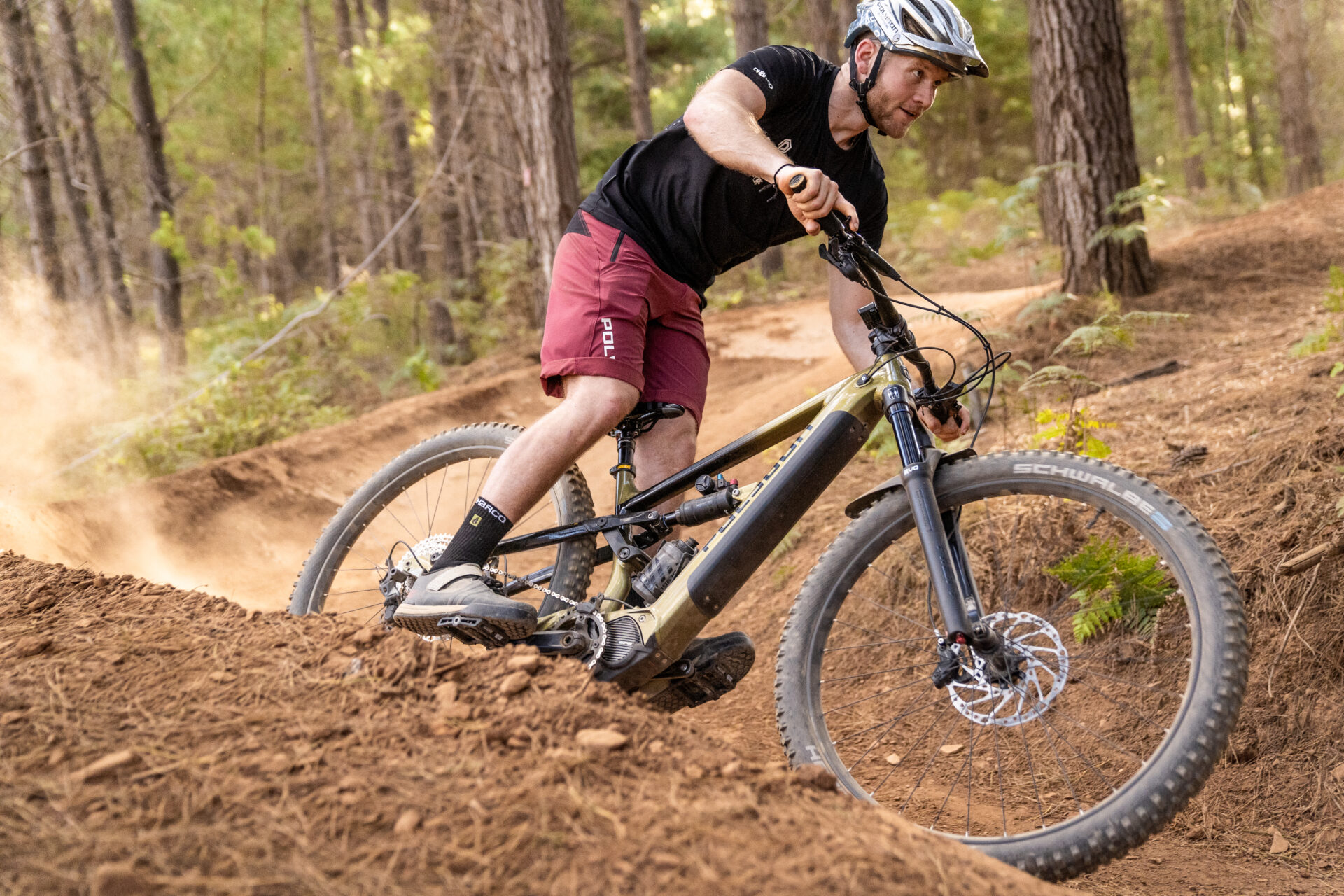
Full suspension bikes have both front and rear suspension. The rear shock absorbs bumps and drops.
- Advantages: Smoother ride, better control on rough terrain, more comfortable
- Disadvantages: Heavier, more expensive, needs more maintenance
Full suspension is ideal for technical trails and riders who want maximum comfort. The rear shock helps keep your wheel on the ground over roots and rocks, which means more grip and control. Modern full suspension bikes are much lighter and more efficient than older models, so you don’t lose as much speed or climbing ability as you might think.
Some full suspension bikes have adjustable suspension, letting you make it firmer for climbing and softer for descending. This adds versatility but also complexity.
Here’s a comparison of suspension types:
| Type | Comfort | Weight | Price | Best For |
|---|---|---|---|---|
| Hardtail | Moderate | Light | Low | Smooth trails, climbing |
| Full Suspension | High | Heavy | High | Technical, rough terrain |
Practical advisor tip: If your local trails are mostly rocky, rooty, or have big drops, full suspension will help you ride more comfortably and safely. But if you want a bike that’s simple, light, and good for fitness, a hardtail is a great way to start.
Credit: www.polygonbikes.com
Wheel Size: 27.5″ Vs 29″
The wheel size of a trail bike affects speed, grip, and handling. The two main sizes are 27.5-inch and 29-inch wheels.
27.5-inch Wheels
- More nimble: Easier to turn quickly
- Better for shorter riders
- Good for technical, twisty trails
- 5″ wheels give a playful, responsive feel. If you like quick changes of direction or trails with lots of tight corners, this size is often preferred. They also keep the bike’s overall size smaller, which helps if you’re under 5’6″ or if you ride trails with lots of obstacles.
29-inch Wheels
- Roll over obstacles easier
- Faster on smooth trails
- Better for taller riders
29″ wheels (called “29ers”) keep their momentum better and feel more stable at high speed. They roll over rocks and roots more easily, which can help you ride faster and with more confidence. Taller riders (over 5’10”) often find 29″ bikes fit better.
A real-world example: If you ride tight forest trails, 27.5-inch wheels can help you turn faster. If your trails are fast and flowy, 29-inch wheels keep your speed up.
Here’s a quick comparison:
| Wheel Size | Handling | Speed | Obstacle Performance | Best For |
|---|---|---|---|---|
| 27.5″ | Quick | Moderate | Good | Technical, twisty trails |
| 29″ | Stable | Fast | Excellent | Open, fast trails |
Non-obvious insight: Wheel size affects how your bike fits you. Test both sizes if possible, especially if you’re between heights. Some bikes even offer a “mullet” setup (29″ front, 27.5″ rear) for a mix of speed and agility.
Geometry: Why Bike Shape Matters
Bike geometry is the shape and angles of the frame. It affects how stable, comfortable, and agile your bike feels.
Key Geometry Terms
- Head tube angle: A slacker (more horizontal) angle means better stability downhill, but slower turning.
- Seat tube angle: Steeper angles help with climbing.
- Reach: The distance from the saddle to the handlebars. Longer reach gives more control.
- Stack: Height from the bottom bracket to the top of the head tube. Higher stack is more comfortable.
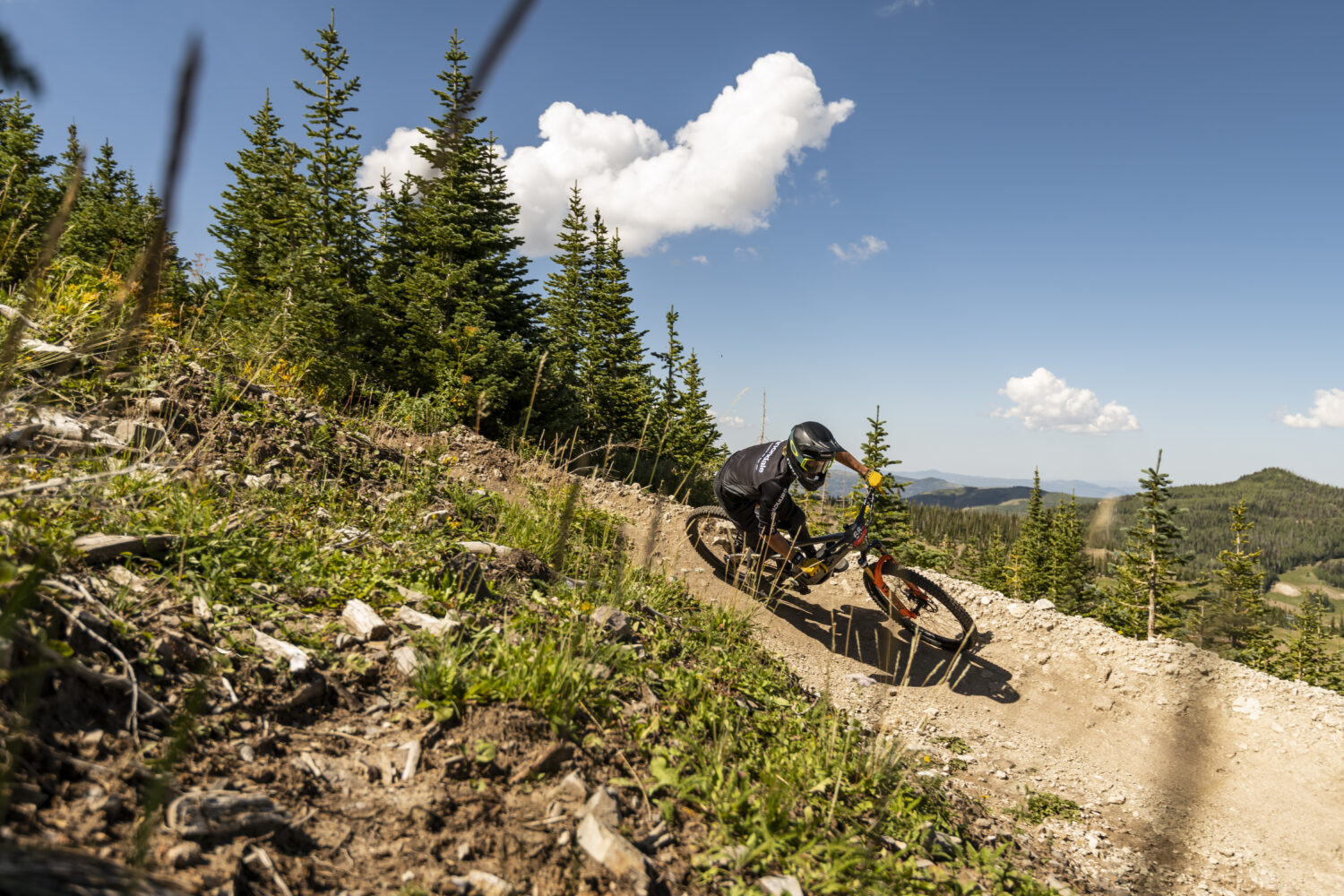
Many beginners ignore geometry, but it makes a big difference. For example, a modern trail bike with a slacker head angle (65°–67°) feels stable on descents, while older bikes with steeper angles (68°–70°) turn faster but feel twitchier.
Some brands now list “effective seat tube angle,” which is more useful for real-world riding positions. Bikes with longer reach and shorter stems feel more stable and “planted” at speed.
Straight-to-the-point helper: Try to get a bike with modern geometry (slacker head angle, longer reach) if you want stability on fast or steep trails. If you’re focused on climbing or slower, technical riding, a slightly steeper head angle can help with sharp turns.
Credit: www.brianhead.com
Components: What To Look For
A trail bike’s components include its drivetrain, brakes, wheels, and finishing parts. These affect performance, reliability, and maintenance.
Drivetrain
The drivetrain is the system of gears, chain, and pedals. Most trail bikes now have 1x drivetrains (single front chainring), which are simpler and lighter.
- Why it matters: Fewer gears mean less maintenance and easier shifting.
- Brands to know: SRAM and Shimano are the main brands. Both offer reliable options.
A wide-range cassette (like 10–51 teeth) lets you climb steep hills but still go fast on the flat. Look for “clutch” rear derailleurs, which keep the chain tight over rough ground.
Brakes
Disc brakes are standard on trail bikes. Hydraulic disc brakes are stronger than mechanical ones.
- Hydraulic brakes: Better stopping power, smoother feel
- Mechanical brakes: Cheaper, easier to fix
Hydraulic brakes need less hand force and work better in wet or muddy conditions. Many mid-range bikes now come with four-piston brakes for more stopping power.
Calm expert tip: Hydraulic disc brakes are worth the extra cost for most riders, especially if you ride fast or in wet conditions.
Tires
Trail bike tires are wider (2. 3″–2. 6″) for better grip. Look for tubeless-ready tires, which resist flats and let you run lower pressure.
Rubber compounds and tread patterns matter. Softer rubber gives more grip, but wears out faster. Aggressive tread is better for loose or muddy trails.
Dropper Post
A dropper post lets you lower your saddle with a lever. This helps on descents. Many trail bikes now include dropper posts.
Beginners often miss: A dropper post improves control and safety on steep trails, but isn’t needed for flat rides.
Some dropper posts now offer adjustable travel, so you can fine-tune the height for your leg length.
Sizing: Getting The Right Fit
Bike sizing is critical for comfort and control. A poorly sized bike can cause pain, fatigue, and accidents.
How Sizing Works
Trail bikes come in sizes like Small, Medium, Large, and sometimes by numbers (15″, 17″, etc. ). Your height and inseam (leg length) are the main factors.
- Stand over height: You should be able to stand over the bike with some space between you and the top tube.
- Reach and stack: These affect how stretched out or upright you are.
Most brands offer sizing charts. Test ride if possible, or check measurements carefully.
Example Sizing Chart
| Rider Height | Recommended Size | Reach (mm) | Stack (mm) |
|---|---|---|---|
| 5’2″–5’6″ | Small | 420–440 | 590–610 |
| 5’6″–5’10” | Medium | 440–470 | 610–630 |
| 5’10″–6’2″ | Large | 470–500 | 630–650 |
| 6’2″+ | X-Large | 500–530 | 650–670 |
Practical advisor tip: If you’re between sizes, go for the smaller bike for more agility, or the larger for more stability. Remember, saddle height and handlebar position can be adjusted, but frame size cannot.
Price Vs. Value: Setting Your Budget
Trail mountain bikes range from a few hundred dollars to over $10,000. But the most expensive bike isn’t always the best for you.
Price Ranges
- Entry-level ($800–$1,500): Hardtail, basic components, aluminum frame
- Mid-range ($1,500–$3,500): Full suspension, better components, sometimes carbon fiber
- High-end ($3,500+): High-tech frames, advanced suspension, top components
What You Get At Each Level
- Entry-level: Good for beginners, basic trails, occasional riding
- Mid-range: More comfortable, suitable for frequent riding, tougher trails
- High-end: Professional features, lighter weight, advanced control
Avoiding Common Buyer Mistakes
- Overspending on features you won’t use: Don’t pay for pro-level suspension if you ride easy trails.
- Ignoring component quality: Cheap components can wear out fast.
- Buying for looks, not performance: A flashy bike isn’t always a better bike.
Another common mistake: Not budgeting for basic gear, like a helmet, shoes, and a repair kit. These are just as important as the bike itself, especially for safety.
Non-obvious insight: Save some budget for accessories like a helmet, gloves, and repair kit. These are essential for safety and enjoyment. Also, consider the long-term cost of maintenance—cheaper bikes might need more repairs.
Comparing Popular Trail Mountain Bikes
There are many good trail mountain bikes available in the market. Here are a few examples and how they compare on key specs:
| Model | Frame Material | Suspension | Wheel Size | Price |
|---|---|---|---|---|
| Trek Fuel EX | Aluminum/Carbon | Full | 29″ | $2,499–$6,499 |
| Specialized Stumpjumper | Carbon | Full | 27.5″/29″ | $2,999–$8,000 |
| Giant Trance | Aluminum/Carbon | Full | 27.5″ | $2,200–$4,500 |
| Santa Cruz 5010 | Carbon | Full | 27.5″ | $4,599–$8,799 |
| Canyon Neuron | Aluminum/Carbon | Full | 29″ | $2,499–$5,499 |
Friendly mentor insight: Don’t just compare bikes by specs. Check how they feel to ride, the warranty, and local dealer support. Some brands offer better after-sales service or frame warranties, which can make a big difference over time. Also, some direct-to-consumer brands (like Canyon) may offer more value for the money, but you’ll need to handle more of the setup and service yourself.
Test Riding: Why It’s Essential
A test ride is the best way to know if a trail bike suits you. Specs and reviews can’t replace the real feel of a bike.
What To Look For During A Test Ride
- Comfort: Does the bike feel good after a few minutes?
- Handling: Is it easy to turn and control?
- Suspension: Does it absorb bumps well?
- Fit: Is the reach and stack right for your body?
Bring your own pedals and shoes if possible, so the bike feels more like your own. Ask the shop to adjust saddle height and suspension for your weight.
Try the bike on similar terrain to what you’ll ride. If you can’t test in person, check return policies or demo days.
Calm expert tip: Even short rides can reveal problems with sizing or comfort that specs don’t show. Don’t be afraid to ask questions or request adjustments during your test ride.
Accessories And Upgrades
Your trail mountain bike is just part of your setup. Accessories and upgrades can improve safety, comfort, and performance.
Essential Accessories
- Helmet: Always wear a helmet.
- Gloves: Protect your hands and improve grip.
- Water bottle/cage: Stay hydrated.
- Repair kit: Includes spare tube, pump, tire levers.
- Lights: For evening rides.
Other essentials include a multi-tool, chain lube, and a small first-aid kit. If you ride in remote areas, consider carrying a whistle and ID.
Useful Upgrades
- Tubeless tires: Reduce flats, improve grip.
- Better pedals: Grippy, wide pedals help control.
- Suspension tuning: Adjust for your weight and style.
- Upgraded saddle: More comfort for long rides.
If you ride often, investing in a better saddle or grips can make a big difference in comfort. Upgrading your pedals to “clipless” (which lock your shoes to the pedal) or better flat pedals can improve control and efficiency.
Non-obvious insight: Some upgrades, like tubeless tires, can make a bigger difference than buying a more expensive bike. Upgrades can also be done over time, so you don’t need to buy everything at once.
Credit: sandiegoflyrides.com
Maintenance And Durability
Trail mountain bikes need regular care. Maintenance keeps your bike working well and helps it last longer.
Basic Maintenance Tasks
- Clean the bike after muddy rides.
- Lubricate the chain every few rides.
- Check tire pressure before each ride.
- Inspect brakes and gears regularly.
If you ride in wet or muddy conditions, pay special attention to your chain, gears, and suspension seals. Learn to fix a flat tire and adjust your gears—these are simple but essential skills.
Durability Factors
- Frame material: Aluminum and steel are tough, carbon needs careful handling.
- Component quality: Higher-quality parts last longer.
- Riding habits: Aggressive riding wears out parts faster.
Routine maintenance like replacing brake pads and tires will keep your bike safe and performing well. A well-maintained bike can last for many years, and regular checks help you spot problems before they get expensive.
Experience-based guide: Learn basic maintenance. It saves money and prevents breakdowns on the trail. Many bike shops offer beginner classes or online tutorials.
Environmental And Ethical Considerations
Trail mountain biking is a fun sport, but it’s important to respect nature and local rules.
Trail Etiquette
- Stay on marked trails: Protect plants and wildlife.
- Yield to hikers and horses: Mountain bikers should give way.
- Leave no trace: Take your trash and fix your bike off the trail.
Be aware of trail closures and weather conditions. Riding on muddy trails can cause damage that lasts for months. Support local trail building and maintenance groups if you can.
Sustainable Choices
- Choose durable bikes: Reduces waste.
- Support local shops: Helps your community.
- Recycle old parts: Many shops accept tires, tubes, and metal for recycling.
For more about mountain biking ethics, see the Wikipedia Mountain Biking page.
Frequently Asked Questions
What’s The Difference Between A Trail Bike And A Cross-country Bike?
A trail bike is built for mixed terrain, with more suspension and stronger frames. Cross-country bikes are lighter and faster, made for racing and smooth trails. Trail bikes handle rougher conditions and offer more comfort.
Should I Choose A Hardtail Or Full Suspension Trail Bike?
Hardtails are cheaper, lighter, and easier to maintain. They work well for smoother trails and beginners. Full suspension bikes are better for rough, technical trails, offering more comfort and control.
How Important Is Wheel Size?
Wheel size affects handling and speed. 27.5-inch wheels are more agile, while 29-inch wheels roll over obstacles better and are faster on open trails. Choose based on your riding style and height.
How Do I Know If A Bike Fits Me?
Check stand over height, reach, and stack. Use sizing charts from manufacturers. Test ride if possible. If you’re between sizes, pick smaller for agility or larger for stability.
What Should I Avoid When Buying A Trail Mountain Bike?
Avoid overspending on features you won’t use. Don’t buy a bike just for looks or brand. Make sure you check sizing, component quality, and get essential accessories.
Choosing the right trail mountain bike takes some research and honest thinking about your needs. If you focus on your riding style, local trails, and comfort, you’ll find a bike that makes every ride more enjoyable. Take time to compare features, test bikes, and ask questions.
The right bike is not just about specs—it’s about how it fits you and your adventures. With the knowledge from this guide, you’re ready to make a confident choice and hit the trails with a smile.

Hello Guys! I am John Reese, a professional biker and my hobby is biking! I have been biking for last 12 years and I love using bikes while outing as well. Based on my experiences with the different type of bikes (mountain bikes, road bikes and hybrid bikes); I am sharing my opinion about various bikes so that a beginner can get started right away. Happy reading!