
Measuring your mountain bike frame size is not just a technical step—it is the foundation for a comfortable and safe ride. Whether you are buying your first mountain bike, upgrading to a better model, or simply want to optimize your cycling experience, understanding frame sizing is crucial.
The right size helps you avoid pain, injuries, and wasted effort. Yet, many beginners make mistakes because the process looks complicated. In this guide, you will discover simple, clear ways to measure mountain bike frame size, along with practical tips and examples.
By the end, you will know exactly how to get your perfect fit.
Why Mountain Bike Frame Size Matters
Choosing the correct frame size can change everything. If your bike is too small, you may feel cramped, lose efficiency, and risk knee injuries. A bike that is too large can make handling difficult, causing back pain or even accidents.
Unlike other bikes, mountain bikes demand more from your body, especially when riding rough terrain.
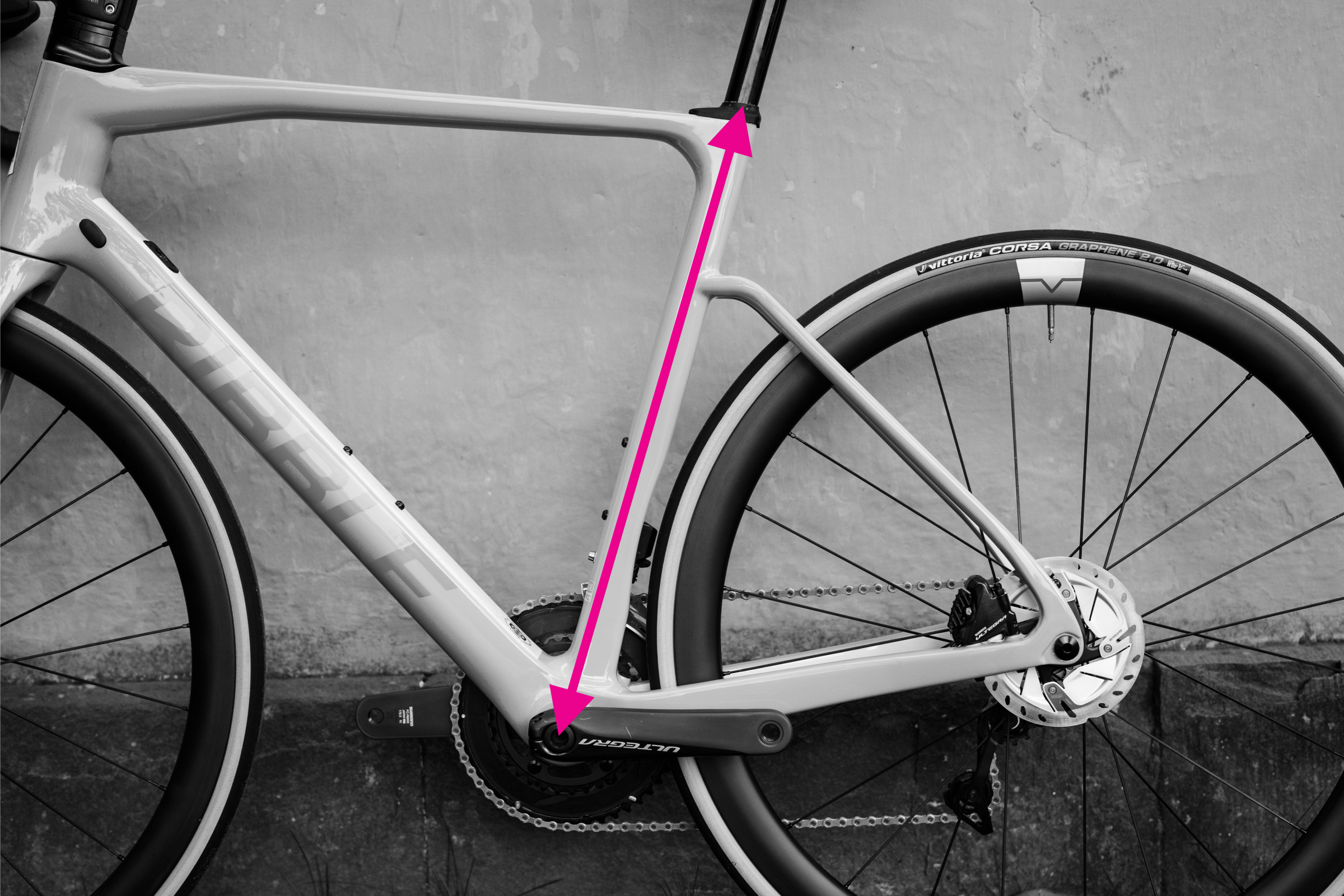
Mountain bike frame size is usually measured from the center of the bottom bracket (where the crank arms meet) to the top of the seat tube. However, brands may use different methods, which can confuse buyers. This is why you need to know both how to measure and how to interpret sizing charts. Understanding frame size helps you:
- Maintain a healthy riding posture
- Maximize control and stability
- Improve speed and endurance
- Avoid common cycling injuries
A correct fit makes mountain biking more fun and safer.
Key Concepts: Understanding Mountain Bike Frame Geometry
Before you measure, it is helpful to know the basic parts of a bike frame and how geometry affects sizing. Here are the main terms:
- Seat tube length – The length from the center of the bottom bracket to the top of the seat tube.
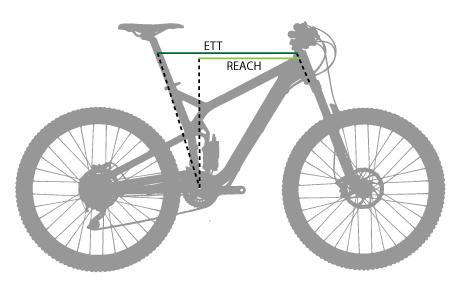
- Top tube length – The horizontal distance from the head tube to the seat tube.
- Standover height – The distance from the ground to the top of the top tube.
- Reach – The horizontal distance from the bottom bracket to the center of the head tube.
- Stack – The vertical distance from the bottom bracket to the top of the head tube.
Each measurement impacts how you sit and handle the bike. For mountain bikes, standover height and reach are especially important for control during off-road riding.
| Frame Geometry Term | What It Affects | Typical Range (inches) |
|---|---|---|
| Seat Tube Length | Leg extension, saddle position | 13 – 23 |
| Top Tube Length | Upper body posture | 20 – 25 |
| Standover Height | Safety, clearance when stopping | 27 – 33 |
| Reach | Handling, control | 14 – 18 |
| Stack | Handlebar height, comfort | 22 – 26 |
Not all brands measure frames the same way. Always check the manufacturer’s chart.
Step-by-step: How To Measure Mountain Bike Frame Size
Now, let’s see how to measure your mountain bike frame size. You do not need expensive tools—just a tape measure and some patience.
Step 1: Find The Seat Tube
First, locate the seat tube. This is the part of the frame where your seat post slides in. On most mountain bikes, it runs from the bottom bracket up to the seat.
Step 2: Measure The Seat Tube Length
Use your tape measure to find the length from the center of the bottom bracket (the axle where the crank arms attach) to the top of the seat tube.
- For most brands, this is the main frame size measurement.
- Record the number in centimeters or inches. (Example: 17 inches, 43 cm.)
Step 3: Check The Top Tube Length
Now measure the top tube. This is the tube running from the head tube (front of the bike) to the seat tube. Some bikes have sloping tubes—measure horizontally from the head tube to the seat tube.
- This helps you understand how stretched your arms will be.
- Record the length.
Step 4: Measure Standover Height
Stand next to your bike. Measure from the ground to the top of the top tube. This is your standover height.
- Ideally, you should have at least 2 inches (5 cm) of clearance between your body and the top tube when standing flat-footed.
- This is important for safety, especially when stopping suddenly.
Step 5: Compare With Your Body Measurements
Now compare your frame measurements with your own height and inseam.
- Your inseam is the length from your crotch to the floor (without shoes).
- Stand with your feet about 6 inches apart, measure the inseam using a tape measure.
Here’s a simple formula:
Frame size (in inches) = Inseam (in inches) x 0.66
For example, if your inseam is 30 inches:
30 X 0.66 = 19.8 (round To 20-inch Frame)
This formula gives you a good starting point.
Step 6: Check Manufacturer Sizing Charts
Every brand may use different sizing. Always check the bike maker’s chart for the model you want. Look for charts that show recommended frame size by height or inseam.
Below is a sample comparison of frame sizes by rider height:
| Rider Height (feet/inches) | Rider Height (cm) | Recommended Frame Size (inches) | Recommended Frame Size (cm) |
|---|---|---|---|
| 4’10” – 5’2″ | 148 – 158 | 13 – 15 | 33 – 38 |
| 5’2″ – 5’6″ | 158 – 168 | 15 – 17 | 38 – 43 |
| 5’6″ – 5’10” | 168 – 178 | 17 – 19 | 43 – 48 |
| 5’10” – 6’1″ | 178 – 185 | 19 – 21 | 48 – 53 |
| 6’1″ – 6’4″ | 185 – 193 | 21 – 23 | 53 – 58 |
This is only a general guide—different brands may vary.
Step 7: Adjust For Riding Style
Mountain bike sizing also depends on how you plan to ride:
- Cross-country: Choose a slightly larger frame for efficiency.
- Trail/enduro: Pick a size that balances comfort and control.
- Downhill: Go smaller for easier handling.
Ask yourself: Do I want more speed, or more control? Your answer helps fine-tune the fit.
Practical Examples: Measuring In Real Life
Let’s see some real-world examples:
Example 1: Beginner Rider
Maria is 5’4″ tall with a 29-inch inseam. She wants a bike for local trails.
- Using the formula: 29 x 0.66 = 19.1 inches
- Her height suggests a 15–17 inch frame.
- Maria checks the manufacturer chart and finds a 16-inch frame fits her.
Example 2: Taller Rider
Alex is 6’2″ with a 35-inch inseam. He rides enduro trails.
- 35 x 0.66 = 23.1 inches (round to 23 inches)
- Height suggests a 21–23 inch frame.
- Alex prefers a slightly smaller frame (21-inch) for better control.
Example 3: Youth Rider
Sam is 5’0″ with a 27-inch inseam, new to mountain biking.
- 27 x 0.66 = 17.8 inches
- Height suggests a 13–15 inch frame.
- Sam selects a 14-inch frame for easy handling.
These examples show that measurements are just the start—personal comfort matters too.
Credit: www.bikeradar.com
Common Mistakes When Measuring Frame Size
Beginners often make simple errors. Here are the most common:
- Ignoring standover height – Not checking clearance can lead to injuries.
- Using only height – Height alone does not guarantee a good fit.
- Not measuring inseam – Inseam is more accurate than height for frame sizing.
- Choosing based on appearance – A stylish bike might not be the right size.
- Skipping manufacturer charts – Every brand’s sizing is different.
- Buying without testing – Always test ride before buying if possible.
- Forgetting riding style – Your riding needs affect the ideal size.
If you avoid these mistakes, you are more likely to find your best fit.
Advanced Tips For Perfect Fit
Once you know your frame size, you can fine-tune your bike for even greater comfort.
Adjusting Saddle Height
Set your saddle so your leg is almost straight at the bottom of the pedal stroke. This avoids knee pain and boosts power. The right saddle height can make a big difference.
Handlebar Position
Handlebar height affects your back and shoulder comfort. Adjust to suit your riding style. For more control, keep bars lower; for comfort, raise them.
Reach And Stack Adjustments
Some bikes allow adjustments to the stem or handlebar. If your reach feels too long, use a shorter stem. If you want a more upright posture, increase stack.
Check Suspension Setup
Mountain bike suspensions change how the bike sits. Adjust air pressure or spring tension to suit your weight and riding style.
Use A Bike Fitting Service
Professional bike shops offer fitting services. This is not just for racing—any rider can benefit. They measure your body, test different positions, and recommend changes.
Frame Size Vs. Wheel Size
Another factor is wheel size. Mountain bikes come with 26″, 27.5″, or 29″ wheels. Wheel size affects handling, but frame size is still the most important for fit.
Here’s how frame and wheel sizes interact:
| Frame Size (inches) | Wheel Size | Best For |
|---|---|---|
| 13 – 15 | 26″ | Small riders, youth |
| 15 – 17 | 27.5″ | Medium riders, trail |
| 17 – 21 | 29″ | Tall riders, cross-country |
Beginners often think bigger wheels need bigger frames, but that’s not always true. Always check both frame and wheel size when buying.
Women’s Mountain Bike Frame Sizing
Women’s bodies are often different from men’s. Some brands make women-specific frames with shorter top tubes and lower standover height. If you have shorter arms or legs, try these bikes.
- Women-specific bikes may offer better comfort.
- Use inseam and height as your guide.
- Test ride both standard and women’s models.
Credit: www.rei.com
Online Sizing Tools And Apps
Many bike brands now offer online tools to help you measure frame size. You enter your height, inseam, and riding style, and the tool recommends the best size. Some apps even let you scan your body for more accuracy.
- Online tools can be helpful for beginners
- Always double-check with a real test ride
If you need more help, visit Bicycling.com for expert sizing advice.
How To Measure Frame Size When Buying Used Bikes
Buying a used mountain bike? Sometimes the stickers are missing or worn out. Here’s what to do:
- Inspect the frame – Look for model numbers or size markings.
- Measure manually – Use a tape measure for seat tube, top tube, and standover height.
- Ask the seller – If possible, get the original specs.
- Test ride – Make sure the bike feels right before buying.
Remember, used bikes can have worn components. Always check the frame for damage.
Quick Frame Size Measurement Checklist
Before you buy or adjust your bike, run through this checklist:
- Measure your inseam
- Find the seat tube length
- Measure the top tube length
- Check standover height
- Compare with manufacturer charts
- Adjust for riding style
- Test ride if possible
This will help you avoid mistakes and find your best fit.
Frequently Asked Questions
What If I Am Between Two Frame Sizes?
If you find yourself between two sizes, choose based on your riding style. For more control, pick the smaller frame. For more comfort and speed, go larger. You can adjust saddle and stem later for a better fit.
Can I Use My Height Alone To Choose Frame Size?
Height gives a rough idea, but inseam is more accurate. Two people with the same height can have different leg lengths. Always measure your inseam for best results.
How Does Frame Size Affect Mountain Biking Performance?
A proper frame size improves efficiency, comfort, and handling. If your bike is too big or small, you will waste energy and risk injury. The correct size lets you ride longer and safer.
Should Women Use Women-specific Mountain Bikes?
Women-specific bikes can be more comfortable for riders with shorter arms or legs. However, some women prefer standard bikes. Try both and see which feels better. Always use your own measurements.
How Can I Check Frame Size For A Used Bike With No Labels?
If the size sticker is missing, measure the seat tube length yourself. Use a tape measure from the center of the bottom bracket to the top of the seat tube. Compare with sizing charts to find the closest match.
Finding your perfect mountain bike frame size is worth the effort. With the right measurements, you will ride more comfortably, avoid injuries, and enjoy every trail. If you are unsure, always test ride and ask for expert advice. Remember, the best bike is not just about style or price—it is about fit.
Start measuring, compare your numbers, and soon you will discover your ideal mountain biking experience.

Credit: www.reddit.com

Hello Guys! I am John Reese, a professional biker and my hobby is biking! I have been biking for last 12 years and I love using bikes while outing as well. Based on my experiences with the different type of bikes (mountain bikes, road bikes and hybrid bikes); I am sharing my opinion about various bikes so that a beginner can get started right away. Happy reading!