
Removing the rear wheel from a mountain bike is a skill every rider should know. Whether you need to fix a flat, replace the tire, or clean your drivetrain, knowing how to take off the wheel safely saves time and trouble.
Many beginners worry about damaging the bike or making mistakes, but with the right steps and tips, anyone can do it confidently. This guide walks you through the process, explaining tools, common challenges, and smart tricks that even experienced riders sometimes overlook.
By the end, you’ll know how to remove your rear mountain bike wheel efficiently—no matter your bike’s setup.
Why Removing The Rear Wheel Matters
The rear wheel is more complicated to remove than the front. It connects with the drivetrain—the chain, cassette, and derailleur—making it crucial for shifting and power transfer. Removing it is necessary for:
- Fixing a flat tire
- Replacing a worn-out tire or tube
- Cleaning or lubricating the cassette
- Transporting the bike
- Inspecting or repairing the rear derailleur
According to a 2023 survey by BikeRadar, over 70% of mountain bike repairs involve rear wheel removal. This is not just a routine skill—it’s essential for bike maintenance.
Tools And Preparation
Before starting, gather everything you need. Preparation prevents mistakes and speeds up the process.
Essential Tools
- Bike stand (optional): Holds the bike steady.
- Gloves: Protect your hands from grease.
- Multi-tool or Allen wrenches: Needed for some axles.
- Tire levers (if you plan to remove the tire).
- Rag: For cleaning parts.
Types Of Rear Axles
Mountain bikes usually have one of these axle types:
| Axle Type | How to Remove | Common Bike Types |
|---|---|---|
| Quick Release (QR) | Flip lever, unscrew, pull out | Older or entry-level bikes |
| Thru-Axle | Unscrew with tool, pull out | Modern mountain bikes |
| Bolt-On Axle | Unscrew bolts with wrench | Some BMX and utility bikes |
Check your bike’s axle before you start. Using the wrong tool can damage the threads or axle.
Preparing Your Bike
- Shift to the smallest rear cog. This reduces tension on the chain and makes removal easier.
- Place the bike upright. A bike stand works best, but flipping the bike upside down is fine for quick jobs.
- Remove any mud or debris around the axle area. Clean surfaces prevent grit from entering bearings.
Step-by-step Guide: Removing The Rear Wheel
Now, let’s break down the actual process. Follow these steps carefully, and you’ll avoid most common mistakes.
1. Shift Gears
Always shift the chain onto the smallest cog at the rear. This step matters because it loosens the chain and moves the derailleur away from the cassette, giving you more space to work.
2. Release The Brake (if Needed)
Many mountain bikes use disc brakes. You usually don’t need to disconnect them. But with some older rim brake bikes, you may need to open the brake by squeezing the arms and freeing the cable. This lets the wheel drop out without interference.
3. Open The Axle
Depending on your axle type:
- Quick Release: Flip the lever open. Unscrew slightly if it’s tight. Pull the axle out.
- Thru-Axle: Use the correct Allen wrench (often 5mm or 6mm) or a dedicated tool. Unscrew the axle and pull it out. Modern axles sometimes have a lever built in.
- Bolt-On: Use a wrench to unscrew each bolt. Keep track of washers.
Pro tip: For tight or stuck axles, wiggle gently—don’t force. Forcing can strip threads or bend the axle.
4. Pull The Wheel Out
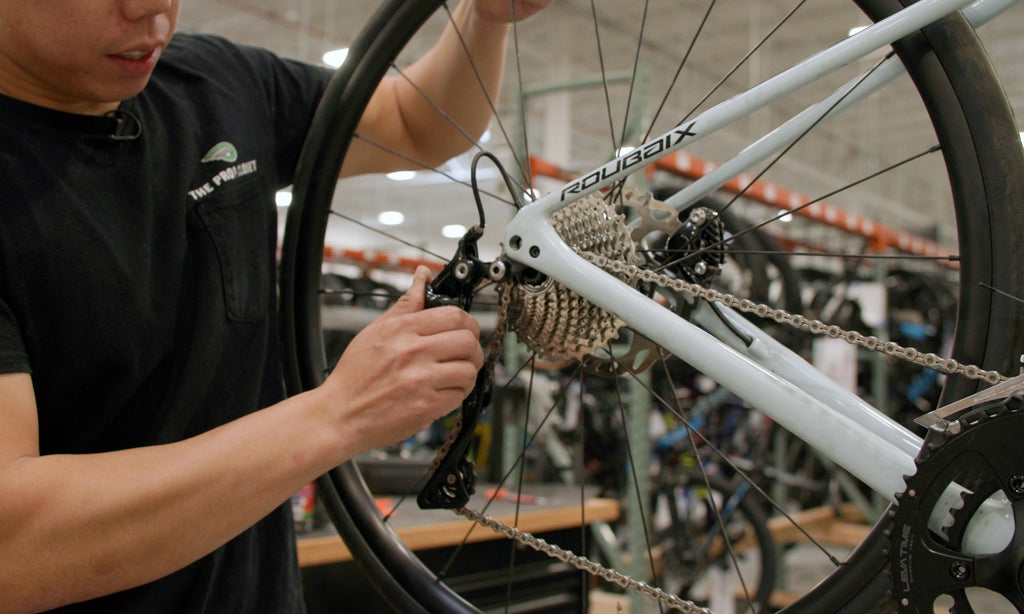
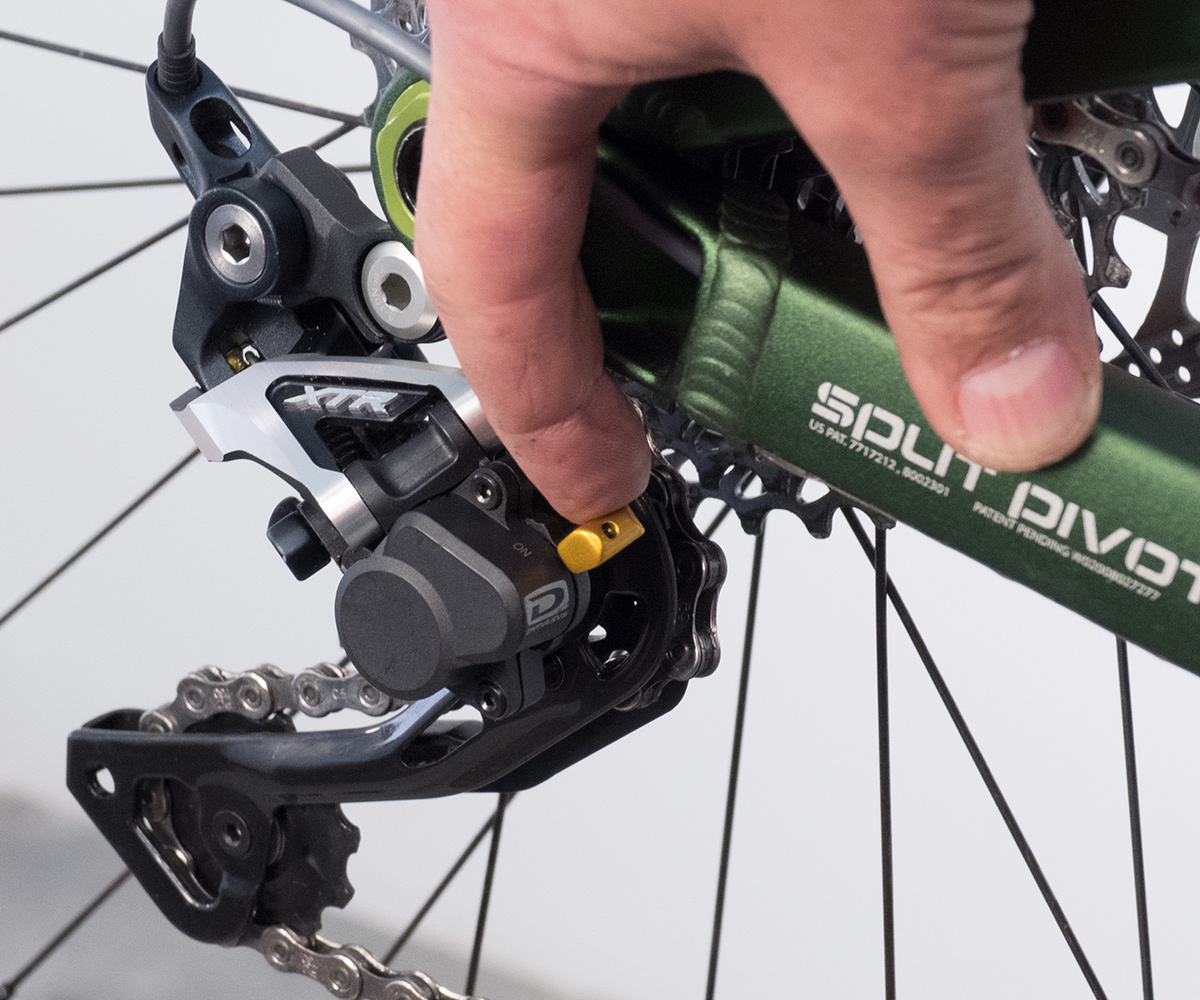
Hold the derailleur body and gently pull it backward. Lift the wheel up and out, guiding the cassette clear of the chain. If it catches, try rotating the wheel slightly.
Non-obvious insight: Many beginners forget to support the derailleur. Dropping the wheel without holding the derailleur can bend it or damage the hanger.
5. Set The Wheel Aside
Place the wheel somewhere clean and safe. Avoid laying it on the cassette or disc rotor—these parts are delicate and can be scratched or bent.
Special Cases: Suspension, E-bikes, And Boost Hubs
Mountain bikes come in many styles. Some have unique setups that require extra attention.
Full Suspension Bikes
Rear suspension can make access tricky. Sometimes the swingarm blocks the axle. In these cases:
- Compress the rear suspension slightly to gain clearance.
- If needed, remove the lower shock bolt to pivot the swingarm.
- Always check the manufacturer’s instructions for your model.
E-bikes
E-mountain bikes often have motor wires or sensors near the rear wheel. Before removal:
- Unplug any connectors.
- Secure wires out of the way.
Never yank the wheel without checking for connected cables—you risk expensive damage.
Boost Hubs
Modern mountain bikes may use Boost spacing (12x148mm). These wheels are wider and sometimes harder to remove.
| Hub Type | Width (mm) | Difficulty |
|---|---|---|
| Standard | 135 | Easy |
| Boost | 148 | Moderate |
| Super Boost | 157 | Challenging |
If your wheel feels stuck, double-check for spacers or extra washers.
Common Mistakes And How To Avoid Them
Mistakes can lead to bent parts, lost hardware, or extra work. Here are the most frequent errors:
- Not shifting to the smallest cog: The chain stays tight, making removal harder.
- Forgetting to support the derailleur: Dropping the wheel bends the hanger.
- Losing spacers: Some bikes have small spacers on the axle. Always keep track.
- Damaging brake rotors: Touching or dropping the wheel on the rotor can warp it.
- Over-tightening axle bolts: When reinstalling, overtightening can strip threads.
Non-obvious insight: Sometimes, wheels get stuck due to dried mud or corrosion. A light spray of bike-safe lubricant can loosen stuck parts—never use heavy oils, as they attract dirt.
What To Check While The Wheel Is Off
With the wheel removed, it’s a perfect time to check other parts:
- Cassette teeth: Look for wear or broken teeth.
- Chain: Inspect for rust or stiff links.
- Derailleur hanger: Make sure it’s straight.
- Brake pads: Check thickness and alignment.
- Dropout surfaces: Clean them to ensure a secure fit when reinstalling.
A 2022 study from the International Mountain Bike Association found that regular maintenance after wheel removal extends drivetrain life by up to 25%. Don’t skip these checks—they save money and prevent breakdowns on the trail.

Credit: www.youtube.com
Reinstalling The Rear Wheel
Putting the wheel back is as important as removing it. Here’s how to do it right.
1. Align The Wheel
Slide the wheel into the dropouts, making sure the cassette fits between the chain links. Hold the derailleur back gently to guide the wheel.
2. Insert The Axle
Push the axle through the frame and hub. For quick-release, tighten until secure, then close the lever. For thru-axle or bolt-on, use the correct tool and torque.
3. Reconnect Brake (if Needed)
If you released a rim brake, reconnect and test for proper function.
4. Spin The Wheel
Check for smooth rotation and listen for rubbing noises. If the wheel wobbles, it’s not seated correctly—remove and try again.
5. Test Shifting
Shift through gears to ensure the chain moves smoothly. If shifting feels rough, the wheel may not be fully seated.
Troubleshooting: What If The Wheel Won’t Come Out?
Sometimes, wheels refuse to budge. Here’s how to solve tricky cases:
- Axle stuck: Use a rubber mallet to tap gently. Avoid metal tools.
- Chain tension: Double-check you’re on the smallest cog. If not, shift gears again.
- Derailleur blocking: Hold and pull the derailleur backward while lifting the wheel.
- Frame alignment: Some frames bend slightly over time. If the dropouts look misaligned, visit a bike shop for adjustment.
If you repeatedly struggle, don’t force parts. Seek help from a professional mechanic or refer to your bike’s manual.
Credit: www.theproscloset.com
Comparing Quick Release Vs Thru-axle
Choosing the right axle type affects removal ease. Here’s a simple comparison:
| Feature | Quick Release | Thru-Axle |
|---|---|---|
| Removal Speed | Fast | Moderate |
| Tool Needed | No | Yes |
| Security | Lower | Higher |
| Common Use | Older bikes | Modern mountain bikes |
| Chance of Mistakes | Higher | Lower |
If you’re planning to upgrade, consider the ease of maintenance as well as performance.
Maintenance Tips After Wheel Removal
Proper care keeps your bike running smoothly after you remove and reinstall the wheel.
- Lubricate the cassette: A small drop of bike lube prevents rust.
- Clean the dropouts: Wipe with a dry rag.
- Check axle threads: Make sure they’re free of dirt.
- Inspect brake pads: Realign if needed.
- Tighten bolts to correct torque: Over-tightening leads to damage.
Many riders skip these steps, but regular maintenance after wheel removal improves ride quality and extends bike life.
Real-world Examples
To illustrate, here are a few common scenarios:
- Trailside flat repair: You’re riding and get a flat. Shift to the smallest cog, open the axle, and lift the wheel out. Patch the tube, reinstall the wheel, and ride on.
- Drivetrain cleaning at home: Removing the wheel lets you scrub the cassette and chain. This prevents grime buildup and smooths shifting.
- Bike transport: Taking off the rear wheel lets you fit the bike in a car or storage space. Always protect the derailleur by wrapping it or using a guard.
- Replacing a worn tire: After removing the wheel, use tire levers to pry off the old tire, install the new one, and remount.
These situations show how often rear wheel removal comes in handy.
Advanced Tips For Experienced Riders
If you ride often, consider these extra strategies:
- Carry a quick-link tool: Makes chain removal easier if needed.
- Use a torque wrench: Ensures bolts are tightened to manufacturer specs.
- Install a derailleur guard: Prevents damage during wheel removal.
- Mark axle orientation: Some axles only fit one way—use a marker for quick reference.
Professional mechanics often use these tricks to speed up repairs and avoid mistakes.
Credit: www.parktool.com
Safety Considerations
Safety matters, especially when working with moving parts.
- Always wear gloves to avoid pinched fingers.
- Avoid breathing dust or brake particles.
- Keep children and pets away from tools and parts.
- Double-check that the wheel is secure before riding.
A study from the National Safety Council found that improper wheel installation causes over 3,000 accidents per year in the US. Never rush the final steps.
Frequently Asked Questions
How Often Should I Remove My Rear Wheel For Maintenance?
Most riders remove the wheel only when needed—like for tire changes or cleaning. For heavy use, remove it every 2–3 months to check drivetrain and brake parts.
Is It Safe To Flip My Bike Upside Down For Wheel Removal?
Yes, it’s safe for most mountain bikes. Just protect the saddle and handlebars from scratches. For bikes with delicate electronics or expensive parts, use a stand.
What Should I Do If The Derailleur Hanger Bends During Removal?
If you notice a bend, stop riding. Use a derailleur hanger alignment tool to straighten it, or visit a bike shop. Riding with a bent hanger causes shifting problems and can damage the derailleur.
Can I Use Wd-40 On The Axle Or Cassette?
Avoid WD-40 for bike parts. It’s not a true lubricant and can attract dirt. Use a proper bike-specific lubricant for the cassette and axle threads.
Where Can I Find Detailed Diagrams For My Bike’s Wheel Removal?
Manufacturer websites and trusted bike guides offer diagrams. For a reliable resource, visit Park Tool for step-by-step guides and illustrations.
Removing the rear mountain bike wheel is a practical skill that opens the door to better bike care, easier repairs, and safer rides. With these steps, tips, and insights, you’ll handle wheel removal confidently, whether you’re a beginner or an experienced rider.
Remember to keep your workspace tidy, check all parts, and take your time—your bike will thank you with smoother rides and fewer breakdowns.

Hello Guys! I am John Reese, a professional biker and my hobby is biking! I have been biking for last 12 years and I love using bikes while outing as well. Based on my experiences with the different type of bikes (mountain bikes, road bikes and hybrid bikes); I am sharing my opinion about various bikes so that a beginner can get started right away. Happy reading!