
Riding a mountain bike is more than just a sport—it’s a way to connect with nature, challenge your limits, and experience pure adventure. For many, the first ride on a mountain trail is unforgettable: the rush of wind, the bounce of the path under thick tires, and the sense of freedom that comes with each turn. But to truly enjoy mountain biking and stay safe, you need more than just a bike and courage. Whether you’re a complete beginner or just looking to sharpen your technique, learning how to ride a mountain bike the right way will make every outing more fun and less risky. In this guide, you’ll get clear, practical steps, insider tips, and real-world examples to help you start strong and keep improving.
Choosing The Right Mountain Bike
Your journey begins with picking the right bike. Not all mountain bikes are the same. The type you choose affects your comfort, control, and enjoyment.
Main Types Of Mountain Bikes
There are several types, each made for specific trails and riding styles.
| Type | Best For | Main Features |
|---|---|---|
| Cross-Country (XC) | Speed, long rides, climbing | Lightweight, less suspension |
| Trail | General use, mixed terrain | Balanced weight and suspension |
| Enduro/All-Mountain | Steep, technical descents | More suspension travel, tougher frames |
| Downhill | Steep, rough downhill runs | Heavy, lots of suspension, not for climbing |
| Fat Bikes | Sand, snow, soft surfaces | Extra-wide tires for grip |
Key Factors To Consider
When choosing a mountain bike, focus on these:
- Fit and Size: Your bike must fit your body. A wrong fit leads to discomfort and poor control. Most brands have size charts—use your height and inseam to pick the right frame.
- Suspension: Hardtail bikes (suspension only in front) are simpler and lighter, good for beginners. Full-suspension bikes (front and rear) offer more comfort on rough trails.
- Wheel Size: Common sizes are 27.5″ and 29″. Larger wheels roll over obstacles easier, but smaller ones are more agile.
- Budget: Good entry-level bikes start around $500–$1,000, but spending more often means better components and durability.
- Weight: Lighter bikes climb better but may cost more.
Test Before You Buy
Visit local bike shops. Try different bikes. A test ride tells you much more than specs on paper. If possible, talk to experienced riders for feedback on models.
Essential Gear And Safety Equipment
Mountain biking has risks, but the right gear keeps you safe and comfortable.
What You Need
- Helmet: Never ride without one. Look for one with good ventilation and a snug fit.
- Gloves: Protect your hands from blisters and falls.
- Padded Shorts: Make long rides more comfortable.
- Eye Protection: Sunglasses or goggles keep out dirt and bugs.
- Hydration Pack or Water Bottle: Always bring water.
- Shoes: Stiff soles help power your pedal stroke. Some riders prefer clipless pedals for more control.
Optional But Helpful
- Knee and Elbow Pads: For rough trails or downhill riding.
- Multi-tool: For quick repairs.
- Mini Pump and Patch Kit: Flat tires happen. Be ready.
- First Aid Kit: For minor cuts or scrapes.
Safety First
Don’t skip on safety gear. Even experienced riders crash. A well-fitted helmet can prevent serious injury, and gloves save your hands during a fall. Always check your equipment before heading out.
Setting Up Your Mountain Bike
A good setup makes riding easier and safer. Even a great bike feels wrong if not adjusted to you.
Adjusting Saddle Height
Your seat (saddle) should be high enough that your knee is slightly bent at the bottom of the pedal stroke. Too low, and you lose power and strain your knees. Too high, and you’ll rock your hips and feel unstable.
Setting Handlebar Position
Handlebars should be level with or slightly below the saddle for most riders. This gives control without stressing your back or wrists.
Tire Pressure
Tire pressure depends on your weight, tire width, and trail conditions.
- For most mountain bikes: 28–35 psi is common.
- Lower pressure gives more grip but can cause flats.
- Higher pressure rolls faster but feels bumpier.
Check tire sidewalls for the recommended range.
Suspension Setup
If your bike has suspension, adjust it to your weight.
- Sag: This is how much the bike compresses when you sit on it. Most riders aim for 20–30% sag.
- Rebound: Controls how fast the suspension returns. Too fast feels bouncy; too slow feels stiff.
Your bike’s manual or a bike shop can help dial this in.
Brake And Shifter Adjustment
Brakes and shifters should be easy to reach without overextending your fingers. Good setup means quicker reactions on the trail.
Basic Mountain Biking Skills
Riding a mountain bike is not the same as riding on the street. Trails are bumpy, twisty, and sometimes slippery. Master these basics to stay safe and have fun.
The Ready Position
This is your “home base” when things get rough.
- Stand up on pedals
- Knees and elbows bent
- Hips back, chest low
- Eyes looking ahead
- Index fingers on brake levers
The ready position helps you absorb bumps and react quickly.
Shifting Gears
Shift to an easier gear for climbing and a harder gear for speed or descending. Shift before you need to—not while struggling on a steep hill.
Braking
Use both brakes together. Most stopping power comes from the front brake, but too much can flip you. Practice gentle, even pressure. On loose ground, use the rear brake more to avoid skidding.
Cornering
Slow down before the turn, look through the corner, and lean your bike—not your body—into the turn. Keep your outside pedal down for balance.
Climbing
Stay seated, slide forward slightly, and keep your chest low. This keeps your front wheel planted.
Descending
Shift your weight back, stay loose, and look ahead—not at your front tire. Control speed with both brakes, but avoid sudden stops.
Trail Etiquette And Safety
Trails are shared by many riders, hikers, and sometimes animals. Good etiquette keeps everyone safe and happy.
Basic Rules
- Yield to Hikers and Horses: Slow down or stop for them.
- Ride Open Trails: Stay on marked paths to protect nature.
- Don’t Skid: Skidding damages trails.
- Announce Yourself: A simple “On your left!” when passing helps avoid surprises.
- Leave No Trace: Pack out trash, respect wildlife, and don’t make new trails.
Group Riding
Communicate with hand signals or calls. Wait for slower riders at key points. Don’t pressure others to ride faster than they’re comfortable.
Weather And Trail Conditions
Wet trails can be easily damaged. If the ground is muddy, consider a different activity. Riding on wet trails can cause deep ruts that last for months.
First Rides: Where And How To Start
The best way to learn is on simple trails where you can practice skills without big risks.
Trail Difficulty Ratings
Most trails are marked by color:
| Color | Difficulty | Typical Features |
|---|---|---|
| Green | Easy | Wide, smooth, gentle slopes |
| Blue | Intermediate | Narrower, some roots/rocks, moderate climbs |
| Black | Advanced | Steep, technical, tight turns, big obstacles |
| Double Black | Expert | Very steep, jumps, drops, expert only |
Planning Your First Ride
- Pick an Easy Trail: Start with green or easy blue trails.
- Go with a Friend: Riding with others is safer and more fun.
- Check the Weather: Avoid very hot, cold, or wet days until you’re comfortable.
- Bring a Phone: For emergencies, but don’t rely on having a signal everywhere.
- Tell Someone: Let someone know where you’ll be and when you expect to return.
What To Expect
Your first rides may feel harder than expected. That’s normal. Focus on control and technique, not speed or distance. Stop and rest often.
Improving Your Technique
Once you’re comfortable with the basics, it’s time to level up your riding.
Cornering And Body Position
On tougher trails, corners can come fast. To improve:
- Look through the turn, not at your front wheel
- Push the bike down while keeping your body upright in sharper turns
- Keep your pedals level for balance
Lifting The Front Wheel
Learning a front wheel lift helps clear roots or small rocks.
- Lower your chest, then quickly stand and pull up on handlebars
- Practice on flat ground before trying on trails
Drops And Jumps
Start small. Roll off a curb or small drop. Keep your weight back and arms relaxed. Never pull up on the bars—let the bike roll under you.
Climbing Steep Hills
Shift to an easier gear before the hill. Stay seated, lean forward, and keep your elbows wide for balance.
Descending Steep Sections
Move your hips behind the saddle, keep your arms and legs bent, and cover your brakes. Let the bike flow over bumps—don’t fight it.
Riding Over Obstacles
Approach straight on. Unweight the bike (a small hop) as you hit the obstacle. Practice “popping” the bike over small logs or rocks.
Common Mistakes And How To Avoid Them
Even experienced riders make errors. Knowing what to watch out for keeps you safer and helps you learn faster.
Braking Too Hard
Slamming the brakes—especially the front—can cause crashes. Practice smooth, controlled braking.
Looking Down
Beginners often stare at the front wheel. This leads to poor balance and late reactions. Always look ahead.
Gear Shifting Under Load
Trying to shift gears while pushing hard on the pedals can break your chain. Ease off the pressure when shifting.
Ignoring Bike Maintenance
A dirty or poorly maintained bike wears out faster and is less safe. Clean and check your bike regularly.
Skipping Warm-up
Cold muscles are more likely to get injured. Do a gentle ride or simple stretches before hitting tough trails.
Overestimating Skill
Don’t try jumps or advanced trails before you’re ready. Crashing is not worth it.
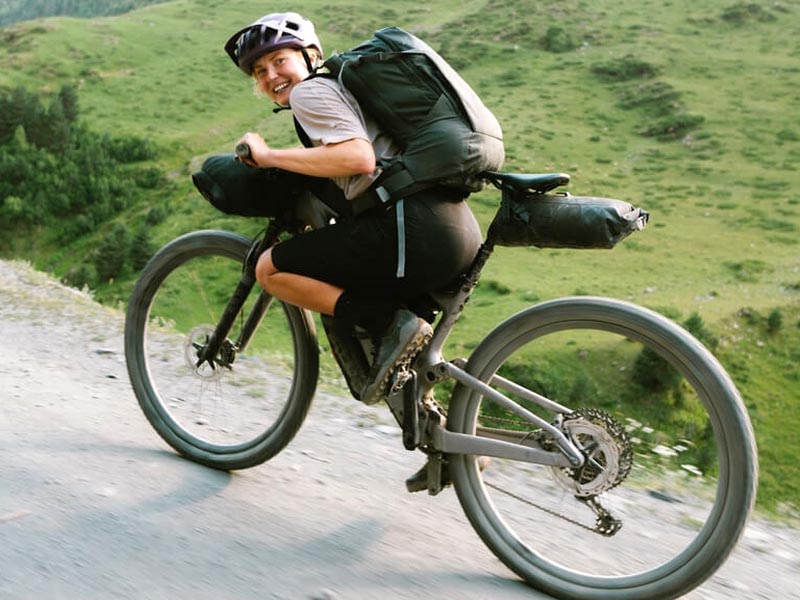
Credit: www.polygonbikes.com
Bike Maintenance Basics
Taking care of your mountain bike means fewer breakdowns and more fun rides.
Cleaning Your Bike
- Rinse off mud and dirt after every ride.
- Use a soft brush and mild soap.
- Avoid spraying water directly at the bearings or suspension.
Checking Before Every Ride
- Tires: Firm, no cuts or bulges.
- Brakes: Stop the bike smoothly.
- Chain: Lubricated and clean.
- Bolts: Tight, especially on handlebars and wheels.
Lubricating The Chain
A dry chain wears out quickly and shifts poorly.
- Apply bike-specific lube to the chain.
- Wipe off extra with a clean rag.
Suspension Care
Check air pressure and clean stanchions (the shiny parts) regularly.
When To See A Mechanic
If you hear clicking, grinding, or your bike feels wrong, visit a bike shop. Many issues are easy to fix but hard to diagnose for beginners.
Nutrition And Hydration For Mountain Biking
Riding burns energy and makes you sweat. Staying fueled and hydrated keeps you riding longer and safer.
What To Eat Before Riding
Eat a meal with carbohydrates and protein about 1–2 hours before your ride. Examples:
- Oatmeal with fruit
- Peanut butter toast
- Rice and eggs
During The Ride
For rides under an hour, water is enough. For longer rides, bring snacks:
- Energy bars
- Bananas
- Trail mix
Drink small amounts often, not just when thirsty.
After The Ride
Refuel with a mix of protein and carbs within an hour. This helps your muscles recover.
Hydration Tips
- Use a hydration pack or water bottle.
- In hot weather, add an electrolyte tablet.
- Drink before you feel thirsty.
A common mistake is forgetting to drink on cool or cloudy days. Dehydration sneaks up quickly.
Building Confidence And Progressing Safely
Confidence comes from practice and small wins. Don’t rush the learning process.
Practice Makes Progress
Spend time on skills, not just miles. Set aside a few minutes each ride to practice braking, cornering, or lifting the front wheel in a safe spot.
Learn From Others
Join local group rides or take a beginner clinic. Watching skilled riders and getting feedback helps a lot.
Set Goals
Simple goals—like riding a certain trail without stopping or clearing a small obstacle—keep you motivated.
Listen To Your Body
Fatigue leads to mistakes. If you’re tired, rest or end the ride early.
Keep It Fun
Remember: mountain biking should be enjoyable. Don’t compare yourself to others. Celebrate your progress.
Advanced Mountain Biking Tips
If you’re comfortable on easy trails and ready for a challenge, try these tips.
Line Choice
On technical trails, where you ride on the trail (your “line”) matters. Look for the smoothest, safest path, not always the shortest.
Pumping And Flow
On rolling trails, use your arms and legs to “pump” the bike over rises and dips. This keeps your speed up without pedaling.
Manual And Wheelie
A manual is riding on the back wheel without pedaling. Practice by shifting your weight back and gently pulling up. Start on flat ground.
Jumping Safely
Only jump once you’re comfortable rolling drops and manuals. Start small, keep your weight balanced, and look ahead—not down.
Night Riding
With good lights and reflective gear, night riding can be safe and exciting. Only try this on trails you know well.
Tracking Progress
Apps like Strava or Trailforks help track rides and find new trails. But don’t get caught up in speed—focus on improvement and fun.

Credit: www.youtube.com
Table: Comparison Of Hardtail Vs Full Suspension Mountain Bikes
Choosing between hardtail and full suspension is a key decision. Here’s a side-by-side look:
| Feature | Hardtail | Full Suspension |
|---|---|---|
| Suspension | Front only | Front and rear |
| Weight | Lighter | Heavier |
| Cost | Less expensive | More expensive |
| Maintenance | Simpler | More complex |
| Best For | Beginners, smoother trails | Rough, technical trails |
Insider tip: Many new riders think they need full suspension right away. In reality, hardtails teach better technique and are easier to maintain.
Where To Ride And Find Trails
There are thousands of mountain bike trails worldwide, with something for every skill level.
Local Trail Centers
Most cities have nearby trail networks. Search online for mountain bike clubs or ask at local bike shops. Popular trail apps include Trailforks and MTB Project.
Riding In Parks
Many public parks have bike-legal trails. Always check rules before riding.
Mountain Bike Parks
These are purpose-built for riding, with trails for all abilities, often with features like jumps and berms.
Traveling For Mountain Biking
Destinations like Moab (Utah), Whistler (Canada), and the Alps are world-famous. Plan ahead and check for any permits or fees.
For more about famous mountain biking destinations, see this Mountain Biking Wikipedia page.
What Beginners Usually Miss
It’s easy to focus only on riding, but these points are often overlooked:
- Trail Conditions Change Fast: Rain, fallen trees, or even other users can change a trail overnight. Always ride with caution your first time on any trail.
- Body Position Matters Most: Good body position solves many problems. If you feel unstable, check your stance before blaming the bike.
Frequently Asked Questions
How Fit Do I Need To Be To Start Mountain Biking?
You don’t need to be an athlete. Basic fitness helps, but you can start at any level. Begin with short, easy rides and build up as you get stronger. Mountain biking actually improves your fitness over time.
Is Mountain Biking Dangerous For Beginners?
There are risks, but most injuries are minor—scrapes or bruises. Wearing the right gear and starting on easy trails reduces the chance of serious injury. Take your time learning and never ride trails above your skill level.
How Often Should I Maintain My Mountain Bike?
Check your bike briefly before every ride—tires, brakes, and chain. A more detailed cleaning and inspection every few weeks, especially after wet or muddy rides, keeps your bike running smoothly.
Can I Use A Road Bike On Mountain Trails?
Road bikes are not built for the bumps and rocks of mountain trails. Their frames, tires, and brakes are different. Using a road bike off-road is dangerous and can damage the bike. Always use a proper mountain bike.
What Is The Best Way To Improve My Mountain Biking Skills?
Practice regularly, focus on one skill at a time, and ride with people who are a bit better than you. Taking a lesson or clinic is also a great way to learn quickly and avoid bad habits.
Mountain biking is both a challenge and a joy. With the right bike, gear, and skills, you’ll open up a world of adventure. Remember to ride within your limits, respect the trails, and always put safety first. Every ride is a chance to learn and enjoy the outdoors—so get out there and have fun!
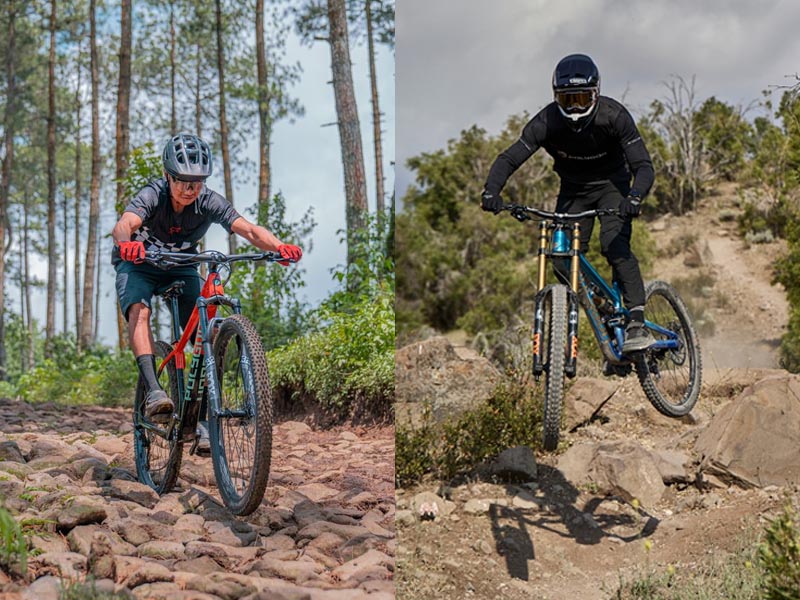
Credit: www.polygonbikes.com

Hello Guys! I am John Reese, a professional biker and my hobby is biking! I have been biking for last 12 years and I love using bikes while outing as well. Based on my experiences with the different type of bikes (mountain bikes, road bikes and hybrid bikes); I am sharing my opinion about various bikes so that a beginner can get started right away. Happy reading!