
Are you curious about how much a mountain bike weighs? Whether you’re planning to hit the trails or just want to know what’s best for your ride, understanding bike weight can make a big difference.
Your mountain bike’s weight affects how fast you go, how easy it is to carry, and even how much fun you have on rough paths. You’ll discover the typical weight range of mountain bikes and what factors influence it. By the end, you’ll know exactly what to look for when choosing your perfect bike.
Let’s dive in and find out how much your next mountain bike might weigh!
Average Mountain Bike Weight
Mountain bikes come in many shapes and sizes, but their weight plays a big role in how they perform. Knowing the average mountain bike weight helps riders choose the right bike for their needs. Weight affects speed, control, and how easy it is to carry the bike uphill.
Typical Weight Range
The weight of a mountain bike usually depends on its type and parts. Most mountain bikes weigh between 25 to 35 pounds (11 to 16 kg). Lighter bikes are easier to pedal and faster, while heavier ones often offer better durability.
- Cross-country bikes: 20 to 30 pounds (9 to 14 kg)
- Trail bikes: 25 to 35 pounds (11 to 16 kg)
- Enduro bikes: 30 to 38 pounds (14 to 17 kg)
- Downhill bikes: 35 to 45 pounds (16 to 20 kg)
Here is a simple table showing the weight ranges by bike type:
| Bike Type | Weight Range (lbs) | Weight Range (kg) |
|---|---|---|
| Cross-country (XC) | 20 – 30 | 9 – 14 |
| Trail | 25 – 35 | 11 – 16 |
| Enduro | 30 – 38 | 14 – 17 |
| Downhill (DH) | 35 – 45 | 16 – 20 |
Weight differences impact how the bike handles rough trails or climbs. Riders should consider their riding style when thinking about bike weight.
Factors Affecting Weight
Several elements influence a mountain bike’s weight. The frame material is one of the biggest factors. Common materials include:
- Aluminum: Lightweight and affordable, used in many bikes.
- Carbon fiber: Very light and strong but costly.
- Steel: Heavier but durable and smooth riding.
- Titanium: Light and strong, but expensive.
Other parts also add weight:
- Suspension: Full suspension bikes weigh more than hardtails.
- Wheels and tires: Bigger or stronger tires increase weight.
- Drivetrain: Number of gears and components affect weight.
- Brakes: Hydraulic brakes are heavier than mechanical ones.
Riders can reduce weight by choosing simpler parts or lighter materials. But a lighter bike may cost more and could be less durable.

Credit: rinascltabike.com
Weight By Mountain Bike Type
The weight of a mountain bike varies significantly depending on its type and design. Each type of mountain bike is built for specific terrain and riding styles, which affects its overall weight. Understanding the weight differences by mountain bike type helps riders choose the right bike for their needs. This section breaks down the typical weight ranges for popular mountain bike categories.
Cross-country Bikes
Cross-country (XC) bikes are designed for speed and efficiency on smoother trails. They are usually the lightest type of mountain bike. Manufacturers focus on reducing weight to improve climbing and acceleration. Most XC bikes weigh between 20 to 28 pounds. Carbon fiber frames are common in high-end models to save weight.
Key features affecting XC bike weight:
- Lightweight frames made from carbon or aluminum
- Minimal suspension travel (80-120 mm) to keep weight down
- Narrow tires for less rolling resistance
Below is a simple table showing typical weight ranges for XC bikes:
| Material | Weight Range |
|---|---|
| Carbon Frame | 20 – 24 lbs |
| Aluminum Frame | 24 – 28 lbs |
XC bikes prioritize lightness for long rides and fast climbs. Riders who want a bike for racing or endurance rides prefer these bikes because of their low weight.
Trail Bikes
Trail bikes are the most versatile mountain bikes. They balance weight, durability, and comfort for varied terrain. Trail bikes generally weigh more than XC bikes but less than enduro or downhill bikes. Typical trail bike weight ranges from 25 to 32 pounds.
Trail bikes feature:
- Medium suspension travel (120-150 mm) for comfort and control
- Stronger frames to handle rougher trails
- Wider tires for better grip and stability
Weight depends on frame material and components. Aluminum frames add weight but increase durability. Carbon frames are lighter but cost more.
Here is an overview of trail bike weights:
| Material | Weight Range |
|---|---|
| Carbon Frame | 25 – 29 lbs |
| Aluminum Frame | 28 – 32 lbs |
Trail bikes suit riders who want a bike for climbing and descending moderate terrain. Their weight strikes a balance between speed and durability.
Enduro Bikes
Enduro bikes are designed for aggressive riding on steep and technical trails. They are heavier than trail and XC bikes due to stronger frames and longer suspension travel. Most enduro bikes weigh between 30 and 35 pounds.
Main factors adding weight to enduro bikes:
- Long suspension travel (150-170 mm) to absorb big hits
- Reinforced frames for extra strength
- Wider, tougher tires for rough terrain
Enduro bikes often use aluminum or mixed materials to balance weight and durability. Carbon frames exist but are less common due to cost.
| Material | Weight Range |
|---|---|
| Aluminum Frame | 30 – 35 lbs |
| Carbon Frame | 28 – 33 lbs |
These bikes favor durability and control over lightness. Riders who face rough descents and technical climbs prefer enduro bikes for their stability and strength.
Downhill Bikes
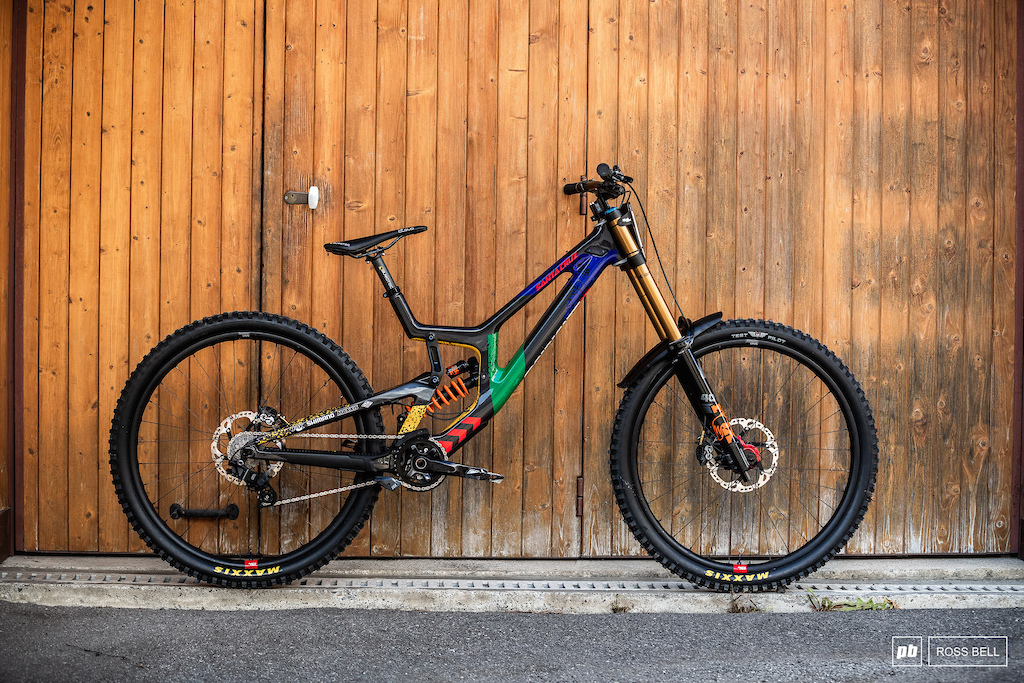
Downhill (DH) bikes are the heaviest mountain bikes. They are built to handle very steep, fast, and rough descents. Weight is less important than strength and control. Downhill bikes typically weigh between 35 and 45 pounds.
Reasons for the added weight:
- Very long suspension travel (180-220 mm) to absorb big impacts
- Extra-strong, heavy-duty frames
- Wide, heavy tires for maximum grip
- Robust brakes and components for safety
Downhill bikes are mostly made from aluminum or steel frames. Carbon is rare due to the need for maximum durability.
| Material | Weight Range |
|---|---|
| Aluminum Frame | 35 – 45 lbs |
| Steel Frame | 40 – 50 lbs |
Downhill bikes focus on safety and control during fast descents. Their heavy weight helps absorb shocks and maintain stability at high speeds.
Materials And Their Impact
The weight of a mountain bike depends heavily on the materials used in its frame and components. Materials affect the bike’s durability, ride quality, and overall weight. Choosing the right material helps balance strength and lightness. This choice matters for riders who want better control and easier handling on trails. Different materials bring unique features and trade-offs. Understanding these can help pick the best bike for your needs.
Aluminum Frames
Aluminum is one of the most common materials for mountain bike frames. It is popular because it offers a good mix of light weight and durability. Bikes with aluminum frames are usually lighter than steel but heavier than carbon fiber. Aluminum frames resist rust, making them low maintenance and great for wet conditions.
Key features of aluminum frames:
- Weight: Typically 2.5 to 3.5 pounds for the frame alone.
- Durability: Strong and impact-resistant, good for rough trails.
- Cost: More affordable than carbon fiber, often mid-range pricing.
- Ride quality: Stiffer than steel, can feel harsher on rough terrain.
Aluminum frames suit riders who want a durable, reasonably light bike without a high price tag. They perform well for most mountain biking styles.
| Material | Typical Frame Weight | Durability | Cost Level | Ride Feel |
|---|---|---|---|---|
| Aluminum | 2.5 – 3.5 lbs | High | Moderate | Stiff, firm |
Carbon Fiber Frames
Carbon fiber frames are very light and strong, making them a popular choice for high-performance mountain bikes. They weigh less than aluminum or steel frames, often cutting the frame weight by a pound or more. Carbon fiber can be molded into shapes that improve aerodynamics and shock absorption.
Benefits of carbon fiber frames include:
- Weight: Around 1.5 to 2.5 pounds for the frame.
- Strength: Very strong but can be vulnerable to sharp impacts.
- Ride quality: Smooth and absorbs trail vibrations well.
- Cost: Generally the most expensive option.
Carbon fiber frames offer a light ride that reduces fatigue on long trails. The material’s vibration damping improves comfort on rough terrain. They suit riders who want the best weight-to-strength ratio and are willing to invest more.
| Material | Typical Frame Weight | Durability | Cost Level | Ride Feel |
|---|---|---|---|---|
| Carbon Fiber | 1.5 – 2.5 lbs | Moderate (impact sensitive) | High | Comfortable, smooth |
Steel And Titanium Options
Steel and titanium frames are less common but valued for their unique characteristics. Steel is heavier than aluminum and carbon fiber but offers excellent strength and a smooth ride. Titanium is strong, light, and corrosion-resistant but costly.
Highlights of steel and titanium frames:
- Steel: Typically 4 to 5 pounds for the frame, very durable.
- Titanium: Around 3 to 4 pounds, combining lightness with toughness.
- Ride quality: Steel and titanium absorb shocks well, giving a comfortable feel.
- Cost: Steel is affordable, titanium is premium-priced.
Steel frames suit riders who prioritize toughness and comfort over lightness. Titanium appeals to those who want a lightweight, long-lasting frame with a smooth ride. Both materials resist corrosion and last many years with proper care.
| Material | Typical Frame Weight | Durability | Cost Level | Ride Feel |
|---|---|---|---|---|
| Steel | 4 – 5 lbs | Very High | Low to Moderate | Comfortable, springy |
| Titanium | 3 – 4 lbs | High | High | Comfortable, smooth |
Weight Of Key Components
The total weight of a mountain bike depends heavily on its key components. Each part adds to the overall mass, affecting how the bike handles and performs. Understanding the weight of these components helps riders choose the right bike for their style and needs. Some parts weigh more than others, so focusing on the heaviest ones can make the biggest difference.
Wheels And Tires
Wheels and tires are among the heaviest parts of a mountain bike. They play a crucial role in the bike’s weight and performance. Most mountain bike wheels weigh between 3 to 5 pounds each, including the tire. The tire itself can add 1 to 2 pounds per wheel, depending on the type and thickness.
- Wheel size: Larger wheels usually weigh more. Common sizes are 26″, 27.5″, and 29″.
- Tire type: Knobby tires for rough trails weigh more than smoother tires for cross-country.
- Material: Carbon wheels are lighter but cost more. Aluminum wheels are heavier but more affordable.
| Component | Average Weight |
|---|---|
| Aluminum Wheel (without tire) | 3.5 lbs |
| Carbon Wheel (without tire) | 2.5 lbs |
| Mountain Bike Tire | 1.5 – 2 lbs |
Choosing lighter wheels and tires can reduce the bike’s weight by several pounds. This makes climbing and accelerating easier. But riders must balance weight with durability, especially for rough trails.
Suspension Systems
Suspension adds comfort and control but also adds weight. Mountain bikes have two main suspension types: front suspension (fork) and full suspension (front and rear). Front forks typically weigh between 3 to 5 pounds. Rear suspension systems add about 2 to 4 pounds more.
- Hardtail bikes have only front suspension, making them lighter.
- Full suspension bikes have both front and rear suspension, adding more weight.
- Material choice affects weight: carbon parts are lighter but cost more.
| Suspension Type | Average Weight |
|---|---|
| Front Suspension Fork | 3 – 5 lbs |
| Rear Shock | 1 – 2 lbs |
| Full Suspension System | 5 – 7 lbs |
Suspension systems improve ride quality but increase weight. Riders must decide how much suspension they need for their terrain and riding style.
Drivetrain And Brakes
The drivetrain includes the chain, cassette, crankset, and derailleurs. It controls the bike’s gears and power transfer. Drivetrain weight ranges from 5 to 8 pounds depending on the components. Lightweight groupsets use materials like carbon and titanium to reduce weight.
Brakes are essential for safety and control. Mountain bikes mostly use disc brakes. These weigh around 2 to 3 pounds for the full set. Hydraulic brakes are slightly heavier than mechanical ones but offer better performance.
- High-end drivetrains are lighter but more expensive.
- Entry-level drivetrains are heavier but durable.
- Disc brakes add weight but improve stopping power.
| Component | Average Weight |
|---|---|
| Drivetrain (full set) | 5 – 8 lbs |
| Mechanical Disc Brakes | 2 – 2.5 lbs |
| Hydraulic Disc Brakes | 2.5 – 3 lbs |
Choosing lighter drivetrain and brake components can lower the bike’s weight. This helps riders maintain speed and control on tough trails.
How Weight Influences Performance
The weight of a mountain bike plays a key role in how it performs on trails. Every extra pound affects how easily you climb hills, control the bike, and stay stable on rough ground. Understanding how weight influences performance helps riders choose the right bike for their style and needs.
Climbing Efficiency
Climbing hills demands more effort as the bike’s weight increases. A lighter bike requires less energy to pedal uphill, making climbs feel easier and faster. This is especially important on steep or long ascents, where heavy bikes can tire the rider quickly.
Here are some ways weight affects climbing:
- Less weight means quicker acceleration when starting a climb.
- Reduced strain on muscles helps maintain stamina over long rides.
- Lighter bikes allow better balance on uneven uphill terrain.
Compare climbing times with different bike weights:
| Bike Weight | Average Climb Time (5 miles) | Energy Used |
|---|---|---|
| 20 lbs | 30 minutes | Low |
| 25 lbs | 35 minutes | Moderate |
| 30 lbs | 40 minutes | High |
Choosing a lighter mountain bike improves climbing efficiency and reduces fatigue. Riders can enjoy longer rides and better control when going uphill.
Handling And Control
Weight affects how a mountain bike responds to rider inputs. A lighter bike is easier to maneuver, making tight turns and quick direction changes simpler. This improves control on technical trails with rocks, roots, and narrow paths.
Important points about weight and handling:
- Lighter bikes react faster to steering and braking.
- More agile bikes help avoid obstacles smoothly.
- Heavy bikes require more effort to change direction.
Balance between weight and control is crucial for safety and confidence. Too light, and the bike may feel twitchy; too heavy, and it feels sluggish.
Table showing typical handling traits by bike weight:
| Bike Weight | Handling Response | Control Level |
|---|---|---|
| 18-22 lbs | Very quick | High |
| 23-27 lbs | Moderate | Good |
| 28+ lbs | Slower | Average to low |
Durability And Stability
Heavier mountain bikes often use stronger materials that can handle rough terrain better. This adds durability and stability, especially on rocky or uneven trails. Weight here can be a sign of a more rugged build.
Durability benefits of weight include:
- Thicker frames resist dents and damage.
- Sturdier suspension systems absorb shocks well.
- Better traction and balance from added mass.
Stability is important for downhill runs and fast riding. A heavier bike stays grounded, reducing the chance of tipping over.
Balance is key. Some riders prefer lighter bikes for speed, while others want extra weight for tough conditions.
| Bike Weight | Durability | Stability |
|---|---|---|
| 20-25 lbs | Moderate | Good for most trails |
| 26-30 lbs | High | Very stable on rough terrain |
| 30+ lbs | Very high | Maximum stability but less agile |
Credit: nakto.com
Tips To Reduce Mountain Bike Weight
Mountain bikes often weigh between 25 to 35 pounds, depending on the model and parts. Reducing the weight can improve speed and control on trails. Small changes make a big difference. Here are some tips to help you shed extra pounds from your mountain bike.
Upgrading Components
Swapping out heavy parts with lighter ones is a smart way to reduce bike weight. Focus on components that add the most weight:
- Frame: Carbon fiber frames weigh less than aluminum or steel.
- Wheels: Lightweight rims and spokes reduce rotating weight, improving acceleration.
- Drivetrain: Consider a 1x setup instead of 2x or 3x to save weight and simplify shifting.
- Brakes: Hydraulic disc brakes are lighter than mechanical ones and offer better stopping power.
- Seatpost and Saddle: Carbon seatposts and lightweight saddles cut down weight without losing comfort.
Here is a simple comparison of common components and their weights:
| Component | Standard Weight (grams) | Lightweight Upgrade (grams) | Weight Saved (grams) |
|---|---|---|---|
| Wheelset | 2000 | 1500 | 500 |
| Drivetrain (2x) | 1500 | 900 (1x) | 600 |
| Seatpost | 400 | 250 | 150 |
Upgrading these parts can save over 1 kilogram (about 2.2 pounds). Always check compatibility before buying new components.
Choosing Lightweight Accessories
Accessories add weight but are often necessary for safety and convenience. Choose lightweight gear to keep the bike light:
- Pedals: Opt for aluminum or carbon pedals instead of heavy steel ones.
- Handlebars and Stem: Carbon or lightweight alloy options reduce front-end weight.
- Water Bottle Cages: Plastic or carbon cages weigh less than metal ones.
- Lights and Computers: Choose compact, lightweight models with good battery life.
- Helmet: A lighter helmet helps overall riding comfort.
Here is a list of common accessories and their approximate weights:
| Accessory | Typical Weight (grams) | Lightweight Option (grams) |
|---|---|---|
| Pedals | 400 | 250 |
| Handlebars | 350 | 200 |
| Water Bottle Cage | 100 | 50 |
Switching to lightweight accessories can save hundreds of grams, making climbs easier and rides faster.
Maintenance And Weight Management
Regular bike maintenance keeps parts working well and can reduce unnecessary weight. Dirt and grime add extra pounds over time. Follow these tips:
- Clean Your Bike: Wash dirt off the frame, wheels, and drivetrain regularly.
- Lubricate Chain: A well-lubricated chain runs smoother and lasts longer, preventing heavy wear.
- Check Tire Pressure: Properly inflated tires roll better and weigh less than squished tires with mud.
- Remove Unused Items: Carry only what you need. Extra tools and gear add weight.
- Inspect Components: Replace worn parts like brake pads and cables to keep the bike efficient.
Keeping your bike clean and well-tuned helps maintain its designed weight. It also prevents heavy damage that can add weight or reduce performance.
Credit: www.pinkbike.com
Frequently Asked Questions
How Much Does An Average Mountain Bike Weigh?
An average mountain bike weighs between 25 to 30 pounds. The weight varies based on frame material and bike type. Lightweight models can be under 25 pounds, while heavier trail bikes might exceed 30 pounds.
What Factors Affect A Mountain Bike’s Weight?
A mountain bike’s weight depends on frame material, suspension type, and components. Carbon frames are lighter, while aluminum and steel are heavier. Full suspension bikes usually weigh more than hardtails due to extra parts.
Why Does Mountain Bike Weight Matter?
Mountain bike weight impacts speed, handling, and climbing efficiency. Lighter bikes are easier to maneuver and faster uphill. However, heavier bikes often offer better durability and stability on rough trails.
Can I Reduce My Mountain Bike’s Weight?
Yes, you can reduce weight by upgrading to lighter components. Consider swapping heavy tires, pedals, or saddles with lighter versions. However, balance weight savings with durability and performance needs.
Conclusion
Mountain bike weight affects speed, control, and comfort. Lighter bikes climb hills faster and feel easier to ride. Heavier bikes offer more strength and can handle rough trails better. Choosing the right weight depends on your riding style and needs.
Remember, balance matters more than just weight alone. Focus on what feels best for you. This way, every ride will be more fun and safe. Keep exploring and enjoy your mountain biking adventures!

Hello Guys! I am John Reese, a professional biker and my hobby is biking! I have been biking for last 12 years and I love using bikes while outing as well. Based on my experiences with the different type of bikes (mountain bikes, road bikes and hybrid bikes); I am sharing my opinion about various bikes so that a beginner can get started right away. Happy reading!