
Mountain biking brings adventure, challenge, and excitement. Riding downhill is one of the most thrilling—and intimidating—parts of mountain biking. The steep slopes, rough terrain, and fast speeds demand more skill than most beginners expect. But with the right knowledge and practice, you can go downhill safely, confidently, and even enjoy the ride.
Many riders think downhill is just about going fast. In reality, it’s a careful balance of control, technique, and decision-making. This guide will explain everything you need to know about downhill mountain biking: from basic body position to advanced braking, choosing lines, common mistakes, and what gear matters. You’ll also find practical advice, examples, data, and answers to the most frequent questions.
Whether you’re new to mountain biking or want to improve your skills, you’ll find clear, easy-to-understand guidance here. Let’s dive into the art—and science—of riding downhill on a mountain bike.
What Is Downhill Mountain Biking?
Downhill mountain biking means riding down steep, often rough trails using a mountain bike designed for this purpose. These trails are filled with obstacles: rocks, roots, jumps, tight corners, and sudden drops. The main goal is to descend quickly, but safely.
The downhill discipline is different from cross-country or trail riding. Riders use heavier bikes, more protective gear, and focus on speed, control, and handling.
Types Of Downhill Trails
- Bike parks: Purpose-built, with jumps and berms, often maintained.
- Natural trails: Forest paths, less predictable, with more rocks and roots.
- Backcountry descents: Remote, long, and often rugged.
Trails are rated by difficulty. Beginner trails may be wide and smooth; expert trails are narrow, steep, and technical.
How Fast Do Riders Go?
Average speed depends on the trail and rider skill. On moderate trails, riders often reach 15–25 mph. On steep, open sections, pros can hit 40+ mph. Safety always comes first.
Essential Mountain Bike Gear For Downhill
Having the right gear makes downhill safer and more fun. Here’s what you need—and why it matters.
The Right Mountain Bike
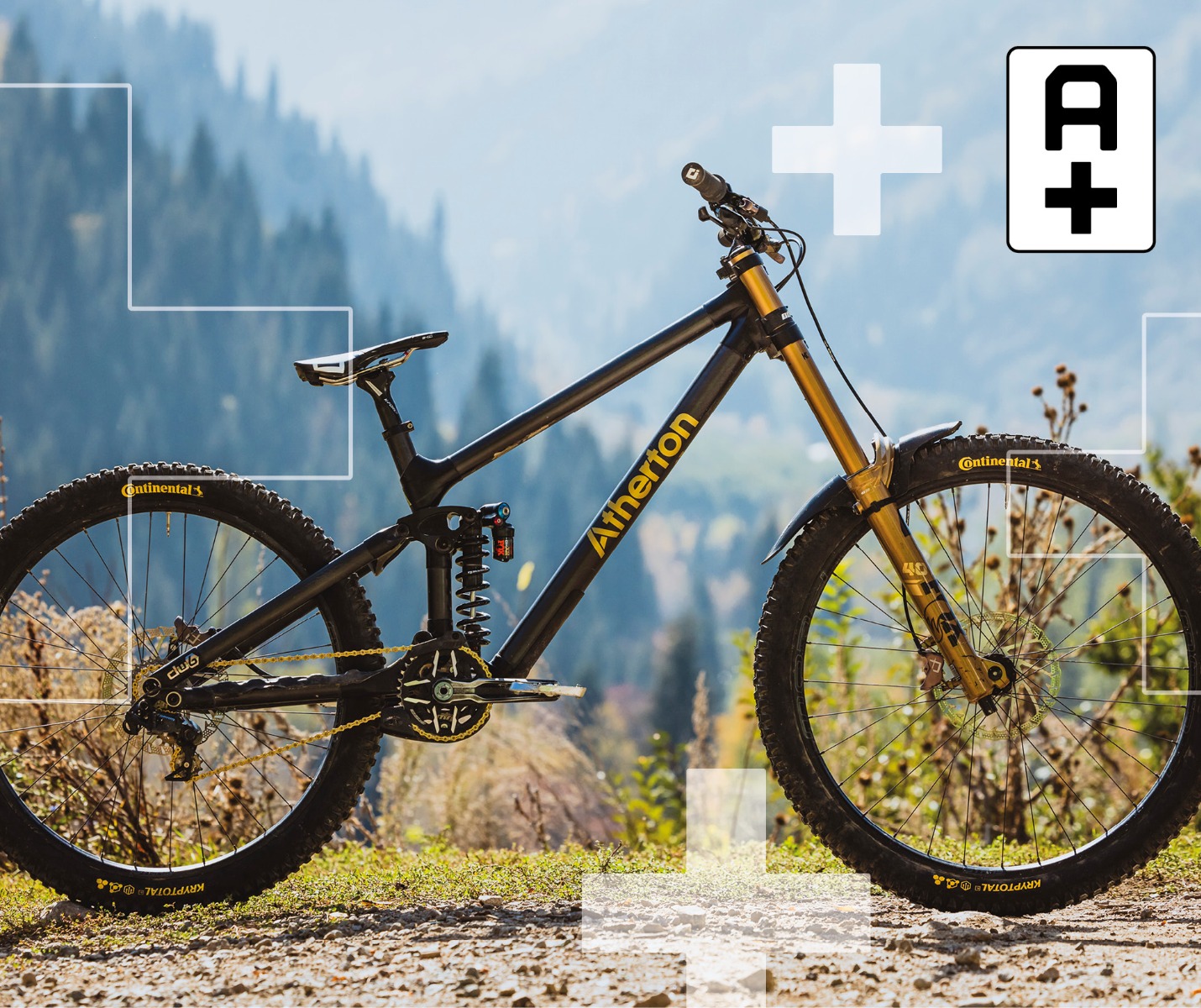
Not every mountain bike is built for downhill. Downhill bikes have:
- Long-travel suspension (usually 180–220mm)
- Strong frames to handle impacts
- Wide handlebars for better control
- Large, grippy tires for traction
Trail bikes can handle mild downhill, but for steep, technical descents, a dedicated downhill bike is best.
Protective Gear
Downhill riding brings higher risk. Protect yourself with:
- Full-face helmet: Protects your head, jaw, and face.
- Goggles: Shields eyes from debris and glare.
- Body armor: Chest, back, and shoulder protection.
- Gloves: Improve grip and shield hands.
- Knee and elbow pads: Essential for falls.
- Sturdy shoes: Good pedal grip and foot protection.
Bike Setup
Before descending, check:
- Tire pressure: Lower for grip (usually 20–30 psi).
- Suspension settings: Softer for rough terrain.
- Brakes: Strong hydraulic disc brakes are best.
- Dropper seat post: Allows lowering the saddle for better control.
Comparison Of Bike Types
Here’s a quick overview of three common mountain bike types and their suitability for downhill:
| Bike Type | Suspension Travel | Frame Strength | Downhill Suitability |
|---|---|---|---|
| Downhill | 180–220mm | Very High | Excellent |
| Trail | 120–150mm | Medium | Moderate |
| Cross-Country | 80–120mm | Low | Poor |
The Fundamentals Of Downhill Technique
Downhill riding is about balance, movement, and anticipation. The right technique keeps you safe and fast.
Body Position
Your body position changes everything. The goal: stay centered, loose, and ready to move.
- Stand up: Don’t sit while descending. Stand on pedals, knees slightly bent.
- Weight back: Move your hips back as the trail gets steeper. This prevents going over the handlebars.
- Arms out: Keep elbows bent and out. This absorbs shocks.
- Look ahead: Always look 5–10 meters ahead. Anticipate obstacles.
A common mistake: locking arms or legs. Stay flexible—let your body absorb bumps.
Braking Techniques
Braking is not just squeezing the levers. It’s about control.
- Use both brakes: Front brake gives most stopping power, but too much causes a flip. Use 70% front, 30% rear.
- Brake before obstacles: Slow down before rocks, roots, or corners—not during.
- Feather brakes: Apply gently, not abruptly.
Advanced tip: On very steep sections, shift weight further back and brake in short pulses.
Cornering
Downhill trails often have tight corners (berms). To turn safely:
- Lean the bike, not your body.
- Look through the corner, not at your front wheel.
- Outside foot down: On turns, drop the outside pedal for stability.
Picking Lines
A “line” is the path you choose. The right line avoids obstacles, keeps speed, and reduces risk.
- Scan ahead: Look for smoother paths.
- Avoid deep ruts or loose rocks.
- Aim for wide entries into corners.
Pro riders often memorize trails and visualize lines before racing.
Comparison Of Braking Methods
How much does braking technique affect speed and safety? See this data:
| Braking Method | Average Stopping Distance (ft) | Risk of Skid | Control |
|---|---|---|---|
| Front brake only | 8 | High | Low |
| Rear brake only | 18 | Medium | Low |
| Both brakes | 10 | Low | High |
Step-by-step Guide: How To Ride Downhill Safely
Now let’s break downhill into clear steps.
1. Prepare Your Bike And Gear
Before you start:
- Check tire pressure and suspension.
- Test brakes.
- Put on helmet, pads, gloves, and shoes.
- Carry water and a basic repair kit.
2. Assess The Trail
Study the trail map if available. Walk the steepest parts if you’re unsure. Look for:
- Drop-offs
- Loose gravel
- Sharp corners
- Hidden roots
Never assume a trail is “easy. ” Conditions can change quickly.
3. Get Into Position
At the start of the descent:
- Stand on pedals, knees and elbows bent.
- Lower your saddle.
- Move hips back, chest low.
4. Start Smoothly
Don’t rush. Begin with gentle speed. Focus on control, not speed.
5. Control Speed With Brakes
Use both brakes gently. Slow down before obstacles. Avoid locking the wheels.
6. Navigate Obstacles
When you see rocks, roots, or drops:
- Shift weight back.
- Absorb shock with arms and legs.
- Keep wheels rolling—don’t stop suddenly.
7. Turn Safely
Approach corners wide, lean the bike, drop your outside foot, and look through the turn.
8. Finish The Descent
When the trail levels out, return to normal riding position. Check your bike for damage.
Credit: www.athertonbikes.com
Advanced Downhill Skills
Once you master the basics, improve with these advanced techniques.
Manualing
Manualing means lifting the front wheel without pedaling. It helps clear obstacles.
- Shift weight back, pull handlebars up.
- Keep balance by adjusting hips.
- Practice on flat ground first.
Jumping
Jumps are common on downhill trails. To jump safely:
- Approach at steady speed.
- Compress suspension before the jump (“preload”).
- Lift bike smoothly, land with both wheels.
Tip: Start with small jumps. Focus on landing, not height.
Pumping
Pumping uses body movement to gain speed without pedaling.
- Push down on dips, pull up on rises.
- Stay loose and let bike move under you.
Riding Steep Sections
On very steep terrain:
- Move hips far back.
- Keep arms bent.
- Brake early, then release before entering steepest part.
Riding Wet Or Loose Terrain
Wet or loose trails are slippery. Adjust technique:
- Lower tire pressure slightly.
- Ride slower.
- Avoid sudden movements.
Common Downhill Mistakes (and How To Avoid Them)
Even experienced riders make mistakes. Here are the most frequent errors—and how to fix them.
- Sitting while descending: Always stand on pedals.
- Looking at the front wheel: Look ahead, not down.
- Braking too late: Brake before obstacles, not during.
- Too much front brake: Can cause a flip. Use both brakes.
- Wrong tire pressure: Too high reduces grip.
- Riding too fast: Speed comes with skill. Start slow.
- Ignoring protective gear: Always wear helmet and pads.
- Not checking bike setup: Adjust suspension and brakes for the trail.
- Poor line choice: Practice scanning and picking smoother paths.
- Tensing up: Stay loose, absorb shocks with arms and legs.
Credit: www.polygonbikes.com
How To Improve Downhill Skills
No one becomes an expert overnight. Use these tips to accelerate progress.
Practice Regularly
Ride downhill trails often. Start with easy ones, move to harder as you gain confidence.
Ride With Others
Join group rides or local clubs. Experienced riders give tips and encouragement.
Take Lessons
Many bike parks offer downhill clinics. A coach can correct mistakes early.
Use Video
Record your descents. Watching yourself helps spot errors and improve technique.
Fitness Matters
Downhill is demanding. Work on:
- Leg strength for stability
- Core strength for balance
- Cardio for endurance
Track Your Progress
Set goals: speed, control, confidence. Celebrate improvements.
Downhill Mountain Bike Racing
Downhill racing is a popular sport. It’s fast, competitive, and exciting.
Race Format
Riders race against the clock, one at a time. Fastest descent wins.
World Cup Data
In the UCI Mountain Bike World Cup, top riders descend courses of 2–3 km in under 4 minutes. Average speed: 30–40 mph. Courses include jumps, drops, and technical sections.
Pro Tips
- Memorize the course.
- Walk the track before racing.
- Focus on smooth lines, not just speed.
Safety Tips For Downhill Mountain Biking
Safety is always the priority. Follow these rules:
- Wear full protective gear.
- Ride within your limits.
- Check trail conditions.
- Never ride alone in remote areas.
- Carry first aid kit.
Accidents happen, but good preparation reduces risk.
Injury Statistics
Downhill mountain biking has a higher injury rate than other cycling types. Studies show:
- Helmet use reduces head injury risk by 60%.
- Body armor cuts serious injury risk by 40%.
- Most injuries occur from falls on steep terrain.
Downhill Bike Maintenance
Downhill stresses your bike more than normal riding. Keep your bike in top shape.
After Every Ride
- Clean mud and dirt.
- Check brakes and suspension.
- Inspect tires for cuts.
Weekly Checks
- Tighten bolts.
- Lube chain.
- Check headset and wheel bearings.
Monthly Checks
- Service suspension.
- Replace brake pads if worn.
- Inspect frame for cracks.
Keeping your bike well-maintained prevents breakdowns and accidents.

Credit: www.youtube.com
Choosing The Right Downhill Bike
Picking the right bike is a big decision. Here are key factors:
Suspension
- More travel (180–220mm) handles bigger drops.
- Quality suspension improves comfort and control.
Frame Material
- Aluminum: Strong, affordable, heavier.
- Carbon fiber: Light, stiff, expensive.
Wheel Size
- 27.5-inch: More agile, better for tight trails.
- 29-inch: Faster, smoother over rough terrain.
Price Comparison
Downhill bikes are expensive. Here’s a comparison of entry-level, mid-range, and high-end models:
| Model | Suspension | Frame Material | Price (USD) |
|---|---|---|---|
| Entry-level | 180mm | Aluminum | $2,000–$3,000 |
| Mid-range | 200mm | Aluminum/Carbon | $3,500–$6,000 |
| High-end | 210mm | Carbon Fiber | $7,000–$12,000 |
Test Before You Buy
Always test ride a bike. Check how it handles, fits, and feels.
Avoid Common Buyer Mistakes
- Don’t buy based only on looks.
- Make sure the bike fits your height.
- Choose a bike for the terrain you’ll ride most.
Downhill Mountain Biking For Beginners
If you’re new, start slowly. Follow these beginner tips:
- Choose easy trails first.
- Get lessons if possible.
- Ride with friends.
- Always wear protective gear.
- Learn to brake and corner before trying jumps.
Why Beginners Struggle
New riders often:
- Fear steep drops
- Over-brake
- Tense up
- Look down instead of ahead
With practice and patience, these problems fade.
Downhill Riding In Different Conditions
Downhill riding changes with the weather and terrain.
Dry, Dusty Trails
- Tire slips easily.
- Lower speed for control.
- Wear goggles for dust.
Wet, Muddy Trails
- Tires grip less.
- Brake early.
- Avoid deep mud.
Rocky Terrain
- Watch for sharp edges.
- Use wider tires for stability.
- Practice manualing to clear obstacles.
Forest Trails
- Roots are slippery.
- Look for smoother lines.
- Watch for fallen branches.
Environmental Impact And Trail Etiquette
Downhill biking can impact nature. Ride responsibly:
- Stay on marked trails.
- Avoid skidding, which causes erosion.
- Don’t litter.
- Yield to hikers and other riders.
Many bike parks and trails require permits. Follow local rules.
Sustainable Riding
Some trails use materials to reduce erosion. Bike parks often have maintenance crews. Riding responsibly keeps trails open for everyone.
Where To Ride Downhill
There are thousands of downhill trails worldwide. Famous spots include:
- Whistler Mountain Bike Park (Canada)
- Moab (USA)
- Les Gets (France)
- Queenstown Bike Park (New Zealand)
Local bike parks often have beginner, intermediate, and expert trails.
To find trails near you, use websites like Trailforks or apps like Strava.
Frequently Asked Questions
How Do I Stop Safely When Going Downhill?
Use both brakes, but brake gently. Slow down before obstacles or corners. Shift your weight back and keep your arms and legs bent to absorb shocks. Never lock your wheels—a controlled stop is safer than a sudden one.
What’s The Best Tire Pressure For Downhill Riding?
For most downhill trails, use 20–30 psi. Lower pressure gives more grip but increases puncture risk. If you’re heavier or riding rocky terrain, use slightly higher pressure. Always check manufacturer recommendations.
Do I Need A Special Bike For Downhill?
Dedicated downhill bikes are best for steep, technical descents. They have long-travel suspension, strong frames, and better braking. Trail bikes can handle mild downhill but may struggle on rough or steep terrain.
How Can I Improve My Downhill Skills Quickly?
Practice often, take lessons, and ride with experienced friends. Watch videos of your rides to spot mistakes. Focus on body position, braking, and line choice. Don’t rush—skill comes with time and experience.
Is Downhill Mountain Biking Dangerous?
Downhill riding has risks, but most injuries are preventable. Wear full protective gear, ride within your limits, and check your bike and trail before every ride. With proper preparation, downhill mountain biking is safe and rewarding.
Mountain biking downhill is challenging, but with the right approach, it’s incredibly fun. Remember to start slow, practice often, and always put safety first. With patience and knowledge, you’ll master the art of downhill—and enjoy every ride. For more detailed information on mountain bike safety and technique, visit the British Cycling MTB Skills Guide.

Hello Guys! I am John Reese, a professional biker and my hobby is biking! I have been biking for last 12 years and I love using bikes while outing as well. Based on my experiences with the different type of bikes (mountain bikes, road bikes and hybrid bikes); I am sharing my opinion about various bikes so that a beginner can get started right away. Happy reading!