
Riding a mountain bike is about more than just pedaling hard and steering through rough trails. If you want to climb hills easily, speed down slopes, or ride smoothly on flat ground, knowing how to use your gears is essential. Many beginners struggle with shifting gears, but once you learn the basics—and a few expert tips—you’ll feel more confident and enjoy your rides much more. In this guide, you’ll discover how gears work, how to shift correctly, and how to avoid mistakes that can cause problems. Whether you’re new to mountain biking or want to improve your skills, this article will help you master your bike’s gears and get the most out of every ride.
Understanding Mountain Bike Gears
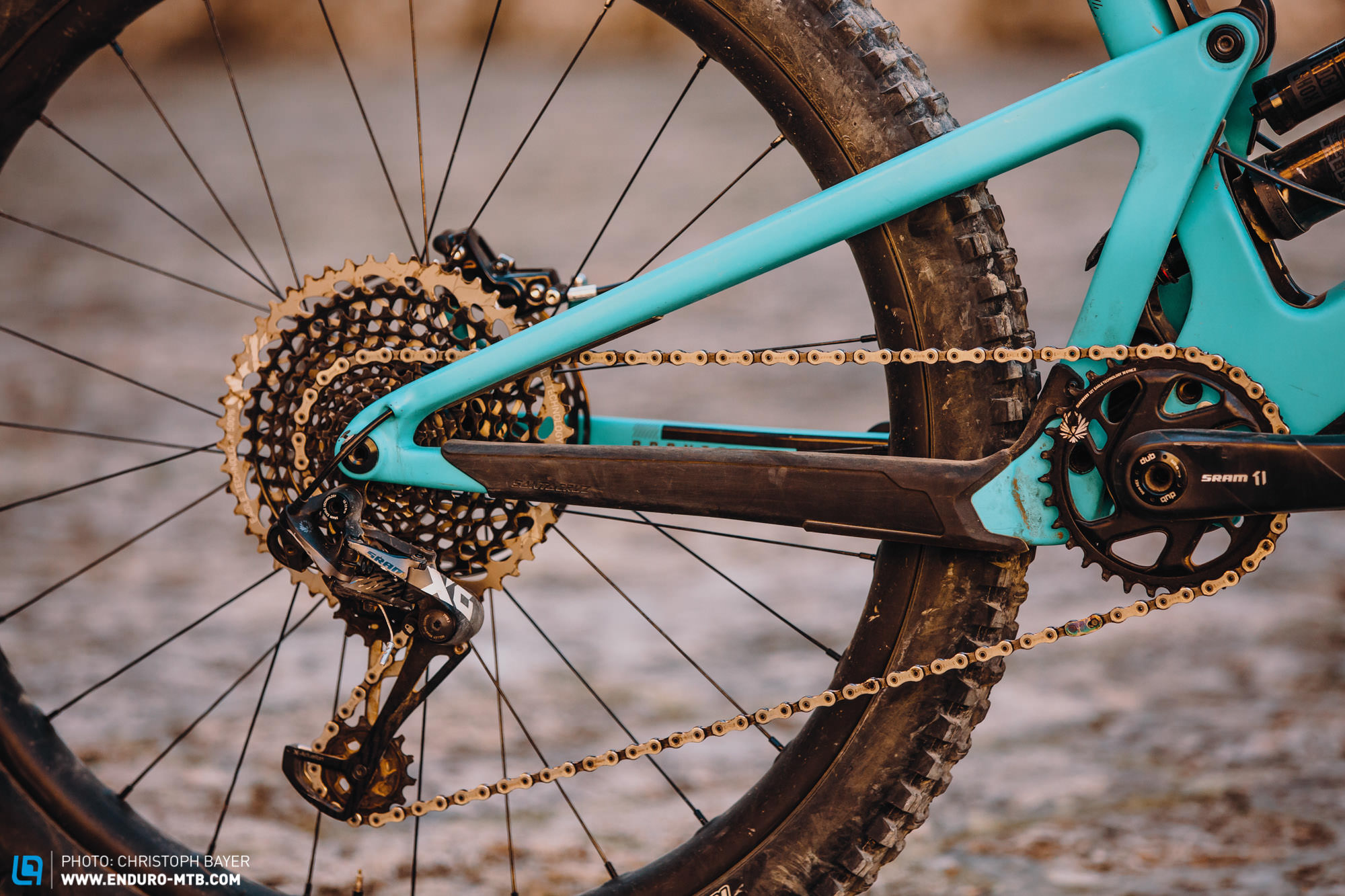
Mountain bikes have gears so you can adjust how hard or easy it is to pedal, depending on the terrain. Gears help you climb hills, ride faster, and keep control on technical trails. Most mountain bikes have two gear systems:
- Front gears (chainrings): Located near the pedals.
- Rear gears (cassette): Located on the back wheel.
The combination of these gears gives you a range of choices. For example, a bike with three chainrings and eight cassette gears offers 24 possible gear combinations. However, not all combinations are practical or efficient.
Why Gears Matter
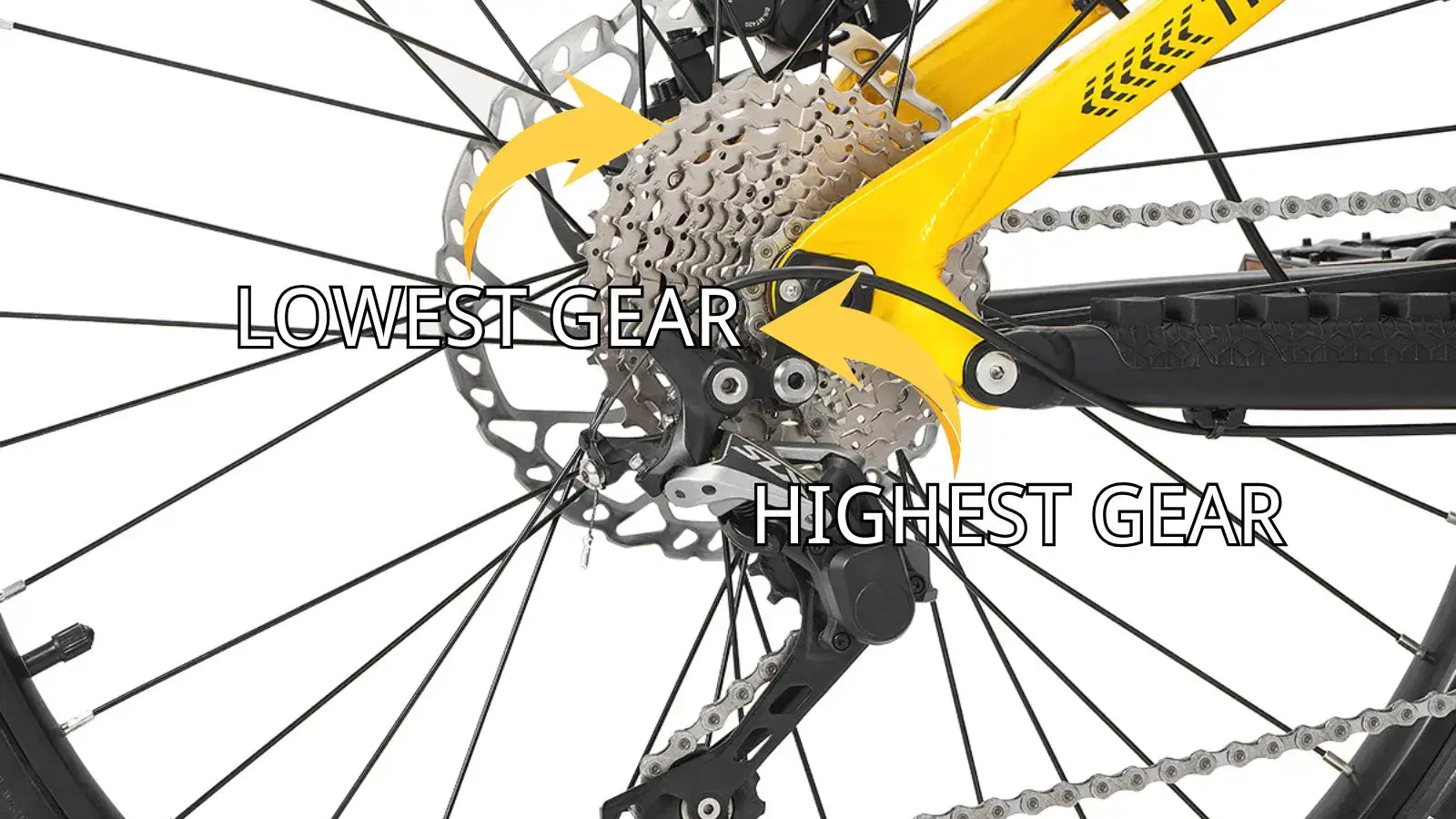
Gears make riding easier. When you shift to a lower gear, pedaling becomes easier, but you move slower. This is great for climbing hills or starting from a stop. Higher gears let you pedal harder and go faster, which is best for flat or downhill sections.
How Gear Numbers Work
The gear ratio is the relationship between the front and rear gears. If you use a small chainring in front and a big cog in back, you get a low gear. A big chainring in front and a small cog in back gives you a high gear. The gear ratio affects how many times your rear wheel turns for each pedal stroke.
A simple example: If your front chainring has 32 teeth and your rear cog has 16 teeth, the ratio is 2:1. For every turn of the pedals, the rear wheel turns twice.
Types Of Mountain Bike Gear Setups
Mountain bikes usually have either:
- Single chainring (1x): One front gear and many rear gears (often 11 or 12).
- Double or triple chainring (2x or 3x): Two or three front gears with multiple rear gears.
Single chainring setups are popular for their simplicity and lighter weight. Multiple chainrings offer more range, which can help on extreme climbs or fast descents.
How To Shift Gears Properly
Shifting gears is more than just clicking a lever. To shift smoothly and avoid problems, follow these steps:
1. Anticipate The Terrain
Look ahead and decide which gear you’ll need before you reach a hill or tricky section. Shifting under heavy load (when you’re already pedaling hard) can cause the chain to slip or damage the gears.
2. Ease Off The Pedals
When you shift, reduce pedal pressure slightly. This makes it easier for the chain to move between gears and prevents noisy shifts or chain jams.
3. Use The Right Lever
Most mountain bikes have two shifters:
- Left shifter: Controls the front gears.
- Right shifter: Controls the rear gears.
For single chainring bikes, only the right shifter is used.
4. Shift One Gear At A Time
Don’t shift multiple gears at once. This can cause the chain to skip or get stuck. Shift one gear, pedal, and then shift again if needed.
5. Avoid Cross-chaining
Cross-chaining happens when you use the largest chainring in front and the largest cog in back (or the smallest in both). This puts stress on the chain and can cause wear or noise. Try to keep the chain as straight as possible.
6. Practice Shifting
Spend time on easy trails practicing gear changes. Learn how your bike responds and which gears feel best in different situations.
Credit: enduro-mtb.com
Choosing The Right Gear For Different Terrains
Selecting the correct gear is key to riding comfortably and efficiently. Here’s how to choose gears for common mountain biking situations:
Climbing Hills
- Shift to low gears (small front chainring, large rear cog).
- Pedal smoothly and avoid sudden gear changes under strain.
- If you feel resistance, shift before the climb starts.
Descending
- Use high gears (large front chainring, small rear cog) for speed.
- Keep control by adjusting gears to match your comfort level.
- Avoid spinning out (pedaling too fast without resistance).
Flat Ground
- Medium gears work best.
- Shift up or down as needed to maintain a steady cadence.
Technical Trails
- Lower gears help you navigate rocks, roots, and sharp turns.
- Shift early so you don’t lose momentum in tricky sections.
Real-world Example
If you’re riding a trail that starts flat, turns uphill, and then goes downhill, you might begin in a middle gear, shift to a lower gear for the climb, and then shift to a higher gear as you descend.
Comparing Gear Systems
Choosing the right gear system depends on your riding style. Here’s a comparison of single vs. multiple chainring setups:
| Feature | Single Chainring (1x) | Double/Triple Chainring (2x/3x) |
|---|---|---|
| Simplicity | Easy to use | More complex |
| Gear Range | Smaller range | Wider range |
| Weight | Lighter | Heavier |
| Maintenance | Less required | More required |
| Ideal For | Casual, trail riding | Steep climbs, varied terrain |
Understanding Shifters And Derailleurs
Your mountain bike shifts gears using shifters and derailleurs. The shifter is located on your handlebars and controls the movement. The derailleur is a mechanical arm that moves the chain between cogs or chainrings.
Types Of Shifters
- Trigger shifters: Use your thumb and index finger to click gears.
- Twist shifters: Twist the grip to change gears.
Most bikes use trigger shifters because they are precise and easy to use even with gloves.
How Derailleurs Work
The front derailleur moves the chain between chainrings. The rear derailleur moves the chain across the cassette. Both are controlled by cables connected to the shifters. When you press a shifter, the cable tightens or loosens, moving the derailleur and shifting the chain.
Common Shifter Brands
Popular brands include Shimano, SRAM, and Campagnolo. Shimano and SRAM dominate mountain biking, offering both entry-level and high-end options.
Gear Maintenance Tips
Keeping your gears clean and well-adjusted helps your bike run smoothly and prevents expensive repairs. Here are some proven maintenance tips:
1. Clean Your Drivetrain Regularly
Dirt and grit can cause gears to wear out quickly. Use a brush and degreaser to clean the chain, cassette, and derailleurs. Wipe them dry and apply fresh lubricant.
2. Check Gear Adjustment
If your bike shifts poorly or makes noise, check for misalignment. Adjust the derailleur limit screws and cable tension until shifting is smooth.
3. Replace Worn Parts
Chains and cassettes wear out over time. If you notice skipping or rough shifting, it may be time to replace them.
4. Lubricate The Chain
A dry chain causes friction and damages gears. Use a bike-specific lubricant and wipe off excess after applying.
5. Inspect Cables
Frayed or rusty cables can make shifting difficult. Replace cables if they show signs of wear.

Credit: www.youtube.com
Common Gear Problems And How To Fix Them
Even experienced riders face gear problems. Here are some issues and solutions:
Chain Skipping
If your chain skips when you pedal, it may be:
- Worn chain or cassette
- Poor gear adjustment
- Dirty drivetrain
Clean your gears and adjust the derailleur. Replace parts if needed.
Hard Shifting
If shifting feels tough, check for:
- Stretched cables
- Bent derailleur hangers
- Lack of lubrication
Lubricate the chain and cables. Straighten the derailleur hanger if bent.
Noisy Gears
If you hear clicking or grinding, it’s often cross-chaining. Shift to a gear combination that keeps the chain straighter.
Chain Dropping
If the chain falls off, it may be:
- Misaligned derailleur
- Loose chain
- Damaged chainring
Adjust or replace the affected parts.
Real-world Data
A recent survey by the International Mountain Bicycling Association found that 30% of riders experience gear-related problems at least once per month. Regular maintenance can reduce these issues by over 50%.
Advanced Gear Techniques For Experienced Riders
Once you master basic shifting, try these advanced techniques:
1. Cadence Control
Cadence is how fast you pedal. Most riders feel best at 70–90 RPM. Shift gears to keep your cadence steady. This reduces fatigue and improves speed.
2. Double Shifting
On bikes with two chainrings, you can shift both front and rear gears together for smooth transitions. For example, shift from the small to the big chainring while moving the rear derailleur to a smaller cog.
3. Pre-shifting
Before entering a tough section, shift early. This gives you time to adjust your position and keep momentum.
4. Micro-adjustments
Experienced riders use micro-shifts to fine-tune their gear without making big changes. This helps in technical sections where balance is important.
5. Gear Mapping
Learn which gear combinations work best for you. Try to avoid extreme combinations that stress the chain.
How To Choose The Right Mountain Bike Gear Setup
Picking the right gear setup depends on your riding style, terrain, and budget.
Riding Style
- Casual riders: Single chainring setups are simple and easy.
- Competitive or adventure riders: Multiple chainrings offer more options.
Terrain
- Steep hills: Wider gear range helps on climbs.
- Flat trails: Fewer gears are fine.
Budget
- Single chainring setups are often cheaper to maintain.
- Multiple chainring bikes may cost more but offer flexibility.
Comparing Gear Range
Here’s a data table comparing typical gear ranges:
| Setup | Front Chainrings | Rear Cogs | Total Gear Range |
|---|---|---|---|
| 1×11 | 1 | 11 | Wide |
| 2×10 | 2 | 10 | Very wide |
| 3×8 | 3 | 8 | Extremely wide |
Real-life Examples And Mistakes Beginners Make
Many new riders make mistakes with gears. Here are some real examples:
Shifting Too Late
A beginner tried to shift gears while climbing a steep hill. The chain jammed, and he had to walk his bike up. Always shift before you start climbing.
Using Wrong Gear Combinations
Some riders use the biggest chainring with the biggest rear cog. This causes noise and faster chain wear. Stick to combinations that keep the chain straight.
Not Practicing
Many people don’t practice shifting on easy terrain. They struggle when they reach tough sections. Spend time learning your bike’s behavior.
Ignoring Maintenance
A rider didn’t clean his gears for months. Shifting became rough, and parts wore out quickly. Regular maintenance saves money and improves performance.
Practical Tips For Smooth Gear Use
Here are some practical tips to help you work gears like an expert:
- Shift Early: Anticipate changes in terrain and shift before you need to.
- Keep The Chain Clean: Dirt causes problems. Clean your chain regularly.
- Listen To Your Bike: Noises often mean something is wrong. Stop and check.
- Practice Cadence: Try to keep your pedaling rate steady.
- Avoid Extreme Combinations: Don’t use the largest or smallest gears together.
- Check Cable Tension: Loose cables cause poor shifting.
- Test Shifting: Before every ride, check gears to make sure they work.
Comparing Popular Mountain Bike Gear Brands
Mountain bike gear systems are made by several top brands. Here’s a comparison:
| Brand | Shifter Type | Gear Range | Maintenance | Price |
|---|---|---|---|---|
| Shimano | Trigger | Wide | Low | Medium |
| SRAM | Trigger | Very wide | Medium | Medium to high |
| Campagnolo | Trigger | Wide | High | High |
For most riders, Shimano and SRAM offer the best balance of performance and price.
Credit: leoguarbikes.com
Non-obvious Insights Beginners Often Miss
- Gear selection affects tire traction: If you use the wrong gear on steep climbs, your rear wheel may slip. A lower gear lets you pedal smoothly and keeps traction.
- Shifting while coasting doesn’t work: The chain only moves when you pedal. Shift gears while pedaling, not while coasting.
- Shifter feel matters: Some shifters have a light touch, others are firm. Try different types to see which suits you best.
- Cable routing impacts performance: Poorly routed cables can snag or stretch, making shifting harder. Ask your bike shop to check cable routing.
Frequently Asked Questions
How Many Gears Do Mountain Bikes Usually Have?
Most modern mountain bikes have between 9 and 12 rear gears, and one to three front chainrings. Common setups are 1×11 (11 gears), 2×10 (20 gears), or 3×8 (24 gears). The exact number depends on the bike’s design and your riding needs.
Why Does My Chain Make Noise When I Shift?
Noise usually means cross-chaining or a dirty drivetrain. Try to use gear combinations that keep the chain straight, and clean your chain and cassette regularly. If the noise persists, check for misalignment or worn parts.
Should I Shift Gears While Climbing A Hill?
Yes, but always shift before you start climbing. If you shift under heavy load, the chain may slip or jam. Anticipate the climb, reduce pedal pressure, and shift to a lower gear in advance.
How Often Should I Clean And Lubricate My Gears?
It’s best to clean and lubricate your gears every 2–4 weeks if you ride regularly. If you ride in muddy or dusty conditions, clean them more often. Lubricate the chain after every cleaning, and wipe off excess oil.
What’s The Difference Between Shimano And Sram Gear Systems?
Both brands offer high-quality gear systems. Shimano is known for smooth shifting and reliability, while SRAM offers wider gear ranges and lighter weight. Try both to see which feels better for your riding style. For more details, check this Wikipedia guide to bicycle gearing.
Mastering your mountain bike gears takes practice, patience, and some maintenance. With the right knowledge and a little effort, you’ll enjoy smoother rides, tackle tougher trails, and feel more confident every time you get on your bike.

Hello Guys! I am John Reese, a professional biker and my hobby is biking! I have been biking for last 12 years and I love using bikes while outing as well. Based on my experiences with the different type of bikes (mountain bikes, road bikes and hybrid bikes); I am sharing my opinion about various bikes so that a beginner can get started right away. Happy reading!