
Choosing a hardtail mountain bike can feel overwhelming, especially if you are new to mountain biking or just looking to upgrade your current ride. With so many models, features, and price points, it’s easy to get lost. But picking the right hardtail can make your rides more enjoyable, safer, and even help you improve your skills faster.
In this guide, I’ll walk you through everything you need to know to choose the best hardtail mountain bike for your needs—without confusing jargon or unnecessary complexity. You’ll learn about frame materials, wheel sizes, suspension, geometry, and practical buying tips, plus common mistakes to avoid.
By the end, you’ll feel confident in your choice and ready to hit the trails.
What Is A Hardtail Mountain Bike?
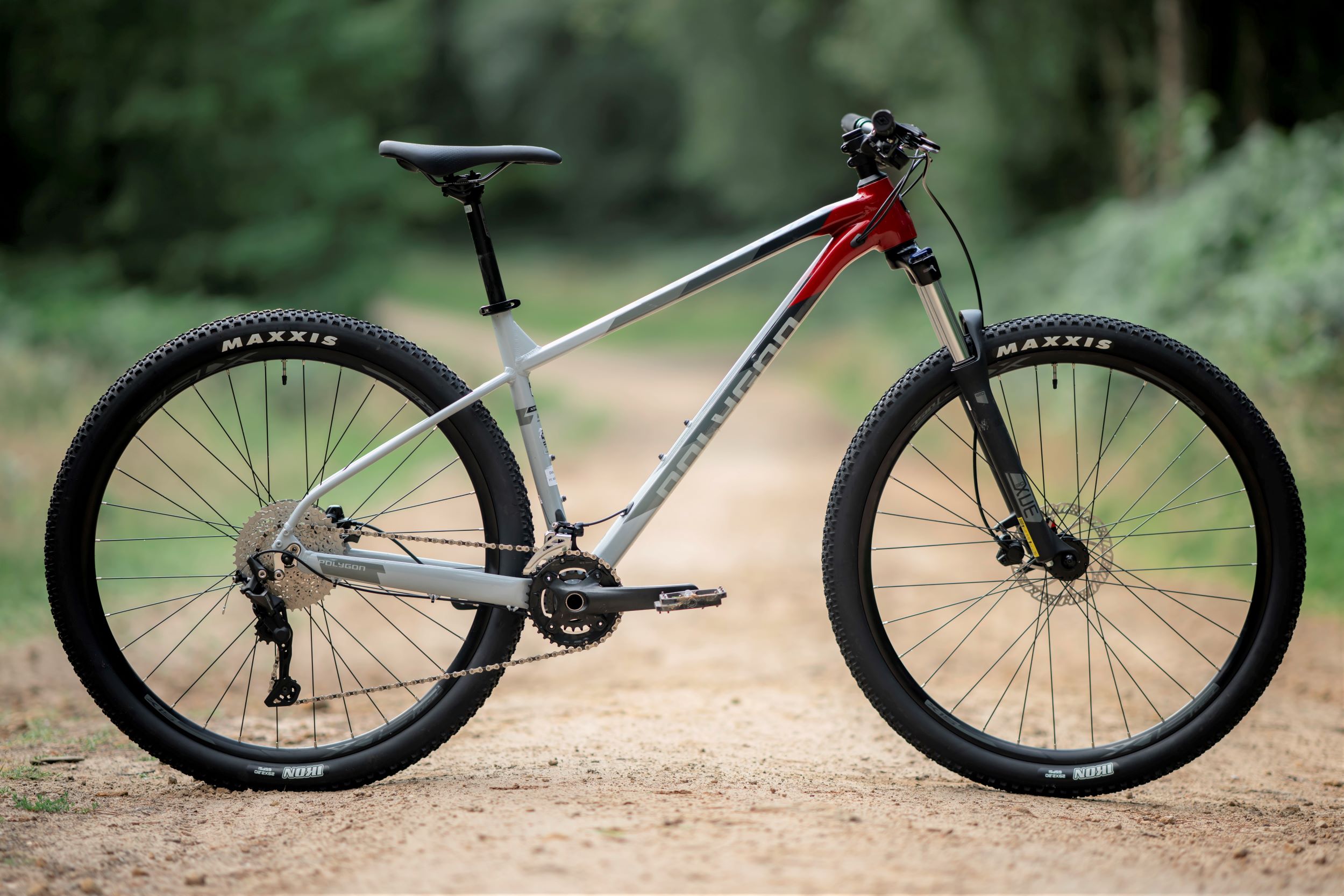
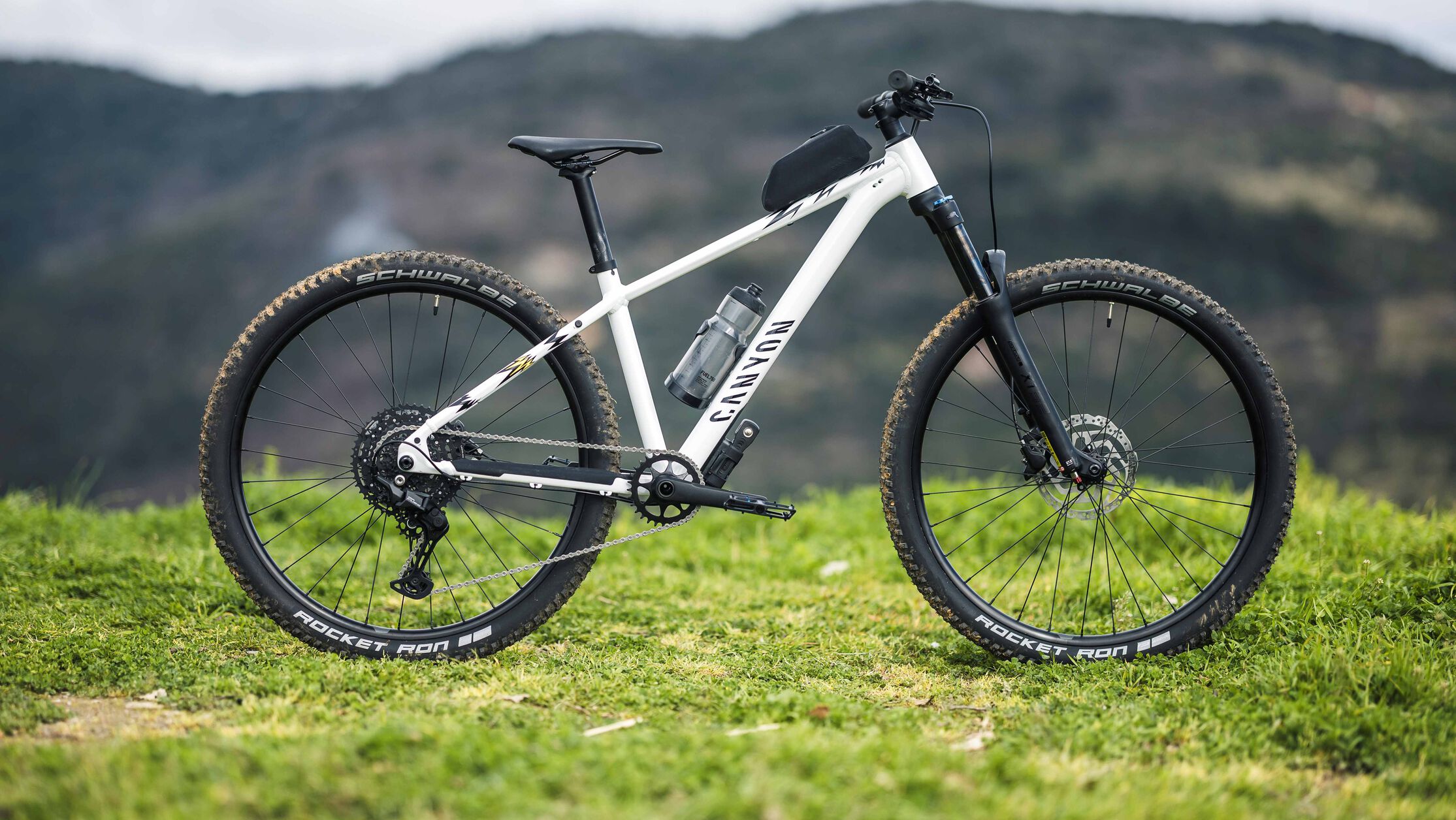
A hardtail mountain bike is a type of mountain bike with front suspension (fork) but no rear suspension. The rear of the frame is solid, which makes it lighter, simpler, and usually cheaper than a full-suspension bike. Hardtails are popular for beginners, cross-country riders, and anyone who wants a low-maintenance bike for trails, gravel, or even commuting.
Why Choose A Hardtail?
- Lower cost: Hardtails are generally more affordable than full-suspension bikes.
- Less maintenance: Fewer moving parts mean less time and money spent on repairs.
- Lighter weight: Hardtail frames are lighter, which makes climbing easier.
- Better power transfer: Since there’s no rear suspension, more of your pedaling energy goes into moving the bike forward.
- Skill building: Hardtails help riders develop better technique, as they force you to learn how to handle rough terrain.
Hardtails are not just for beginners. Many experienced riders prefer them for certain types of terrain or riding styles, especially cross-country racing.
Understanding Frame Materials
The frame is the heart of any mountain bike. Hardtail frames come in several materials, each with its own benefits and drawbacks. The material affects weight, durability, ride feel, and price.
Common Frame Materials
- Aluminum: The most popular material for hardtail bikes. It’s light, strong, and affordable. Aluminum frames are stiff, which means they transfer power efficiently, but they can feel harsh on rough trails.
- Carbon Fiber: High-end hardtails often use carbon fiber. This material is lighter than aluminum and can be tuned to absorb vibrations. Carbon frames are expensive and less durable against impacts.
- Steel: Steel frames are heavier but offer a smooth, comfortable ride. They’re also strong and easy to repair. Steel is favored by some riders for bikepacking or long-distance touring.
- Titanium: Titanium is rare and expensive. It’s lighter than steel, resists corrosion, and offers a unique ride feel that is both smooth and responsive.
Frame Material Comparison
Here’s a quick look at how frame materials compare:
| Material | Weight | Durability | Cost | Ride Feel |
|---|---|---|---|---|
| Aluminum | Light | Good | Low | Stiff |
| Carbon Fiber | Very Light | Fair | High | Vibration Damping |
| Steel | Heavy | Very Good | Medium | Comfortable |
| Titanium | Light | Excellent | Very High | Responsive |
How To Choose The Right Frame Material
If you’re just starting, aluminum is usually the best choice. It’s affordable, light, and easy to find. Carbon fiber is great for racing or if you want the lightest bike, but it’s costly. Steel is ideal if comfort and durability matter more than weight. Titanium is for riders who want a lifetime bike and are willing to pay a premium.
Non-obvious insight: Beginners often overlook how much frame material impacts comfort. Even if you plan to ride mostly smooth trails, a stiffer frame can make longer rides tiring. If you have a sensitive back or wrists, consider a material that absorbs more vibration.
Credit: www.mbr.co.uk
Choosing The Right Wheel Size
Wheel size affects how a bike rides, handles obstacles, and fits your body. Hardtail mountain bikes come in three main wheel sizes: 26-inch, 27.5-inch (650b), and 29-inch. Each has its own strengths.
26-inch Wheels
Once the standard, 26-inch wheels are now less common. They are nimble and easy to maneuver, which makes them fun for tight, technical trails. However, they roll over bumps less smoothly than larger wheels.
27.5-inch (650b) Wheels
27.5-inch wheels offer a balance between agility and rollover ability. They’re popular for trail bikes and are a good choice if you want a bike that’s quick and playful but still handles rough terrain.
29-inch Wheels
29-inch wheels are now the standard for most modern hardtails. They roll over obstacles more easily, maintain speed better, and offer more traction. 29ers are ideal for cross-country riding and taller riders.
Wheel Size Comparison
Let’s compare wheel sizes side by side:
| Wheel Size | Handling | Rollover | Acceleration | Best For |
|---|---|---|---|---|
| 26″ | Very Nimble | Poor | Quick | Technical Trails |
| 27.5″ | Balanced | Good | Moderate | Trail Riding |
| 29″ | Stable | Excellent | Slower | XC, Long Rides |
How To Decide
- If you’re under 5’6” (168cm): 27.5-inch wheels may feel more comfortable and easier to handle.
- If you’re over 5’8” (173cm): 29-inch wheels are usually a better fit, and they help you roll over obstacles.
- If you like technical trails: Smaller wheels (26” or 27.5”) offer more control.
- If you ride fast or long distances: 29-inch wheels maintain speed and offer more traction.
Non-obvious insight: Many riders focus only on wheel size, but tire width and tread pattern also change how a bike feels. Wider tires with aggressive tread make any wheel size feel grippier and more comfortable.
Suspension Fork: Travel And Quality
The front suspension fork is the key feature that makes a bike a hardtail. Suspension travel refers to how much the fork can compress, measured in millimeters (mm). Most hardtail forks have between 80mm and 120mm of travel.
How Much Travel Do You Need?
- 80–100mm: Best for cross-country and smoother trails. Offers lighter weight and efficient pedaling.
- 100–120mm: Good for trail riding, rougher terrain, and more aggressive riding.
- Over 120mm: Rare on hardtails, but some models designed for downhill or enduro riding use longer travel forks.
Suspension Fork Quality
Not all forks are equal. High-quality forks offer adjustable rebound, lockout, and compression damping. Cheaper forks may be heavier, less adjustable, and less sensitive to small bumps.
Fork Features To Look For
- Lockout: Lets you turn off suspension for smoother climbs or roads.
- Rebound adjustment: Controls how quickly the fork returns after compressing.
- Compression adjustment: Fine-tunes how the fork responds to bumps.
- Stanchion size: Larger stanchions (upper tubes) are stronger and stiffer.
How Suspension Impacts Ride
A good fork improves control and comfort. It can help you ride faster and safer on rough trails. But a heavy or poorly tuned fork can make the bike feel sluggish and hard to handle.
Practical tip: If your budget is limited, prioritize fork quality over frame material. A good fork makes a bigger difference in ride quality than most beginners expect.

Credit: www.youtube.com
Geometry: How The Bike Feels And Handles
Bike geometry means the angles and measurements of the frame, which affect how the bike handles. The main geometry factors are head tube angle, seat tube angle, reach, and chainstay length.
Key Geometry Terms
- Head tube angle: Steeper angles (70–72°) are quick and nimble, good for cross-country. Slacker angles (66–68°) are stable and better for downhill.
- Seat tube angle: Steeper angles help you pedal efficiently.
- Reach: The horizontal distance from the seat to the handlebars. More reach means a more stretched-out, stable position.
- Chainstay length: Shorter chainstays make the bike agile. Longer chainstays add stability.
Geometry Comparison
Here’s a quick reference for geometry preferences:
| Geometry | Best For | Ride Feel |
|---|---|---|
| Steep Head Tube | XC, Climbing | Fast, Nimble |
| Slack Head Tube | Downhill, Trails | Stable, Confident |
| Short Chainstay | Technical | Agile, Playful |
| Long Chainstay | Speed, Stability | Stable, Smooth |
How To Choose Geometry
- If you ride mostly up hills or fast trails: Look for a steeper head tube angle and shorter reach.
- If you ride rough or steep trails: A slacker head tube angle and longer reach give more control.
- If you want a playful bike: Short chainstays and a compact frame help.
Non-obvious insight: Geometry also affects how easy it is to lift the front wheel or manual the bike. If you want to learn tricks or ride technical features, choose a frame with short chainstays and moderate reach.
Fit And Sizing: Getting The Right Size
Fit is one of the most important factors when choosing a hardtail mountain bike. A bike that fits well is comfortable, safer, and more fun to ride.
How To Find Your Size
Most brands size bikes as Small, Medium, Large, etc., based on rider height. But sizing isn’t always consistent between brands.
- Check the manufacturer’s size chart. Each brand offers a guide based on your height and inseam.
- Stand-over height: Make sure you can stand over the frame with both feet flat and have at least 1–2 inches of clearance.
- Reach and stack: Try to sit on the bike. Your arms should have a slight bend and your back should feel comfortable—not too stretched or too cramped.
- Test ride: If possible, ride the bike before buying. Feel how it handles, turns, and accelerates.
Common Sizing Mistakes
- Buying too big: Makes handling harder and can cause back pain.
- Buying too small: Feels cramped and limits control.
- Ignoring reach and stack: These measurements matter more than just seat height.
Practical tip: If you are between sizes, choose the smaller frame. It’s easier to adjust seat and handlebar height upward.
Drivetrain: Gears And Shifting
The drivetrain is what moves the bike—the chain, cassette, and shifters. Hardtail mountain bikes usually have 1x (single front chainring) or 2x/3x setups.
1x Drivetrain (single Chainring)
- Simple: Easier to use, less to go wrong.
- Lighter: Fewer parts mean less weight.
- Wide range: Modern 1x drivetrains offer wide gear ranges for climbing and speed.
2x/3x Drivetrain (multiple Chainrings)
- More gears: Offers more choices for steep climbs or fast descents.
- Complex: More parts, more maintenance.
Which Is Better?
Most modern hardtails use 1x drivetrains. They are easier for beginners and require less maintenance. If you ride in areas with lots of steep climbs, you may want a wider-range cassette.
Drivetrain Feature Comparison
| Setup | Gear Range | Weight | Maintenance | Ease of Use |
|---|---|---|---|---|
| 1x | Wide | Light | Low | Simple |
| 2x/3x | Very Wide | Medium | Medium | Complex |
Non-obvious insight: It’s not just about the number of gears. The quality of shifters and derailleurs matters more. Entry-level bikes often have cheaper parts that don’t shift as smoothly.
Brakes: Stopping Power
Good brakes are essential for safety and control. Most hardtails use disc brakes.
Types Of Brakes
- Mechanical disc brakes: Use cables to activate the brake. Cheaper, easier to maintain, but less powerful.
- Hydraulic disc brakes: Use fluid for smoother, stronger braking. Require more maintenance but offer the best performance.
Which Brakes To Choose?
If you ride steep or fast trails, hydraulic disc brakes are worth the extra money. For casual or beginner riders, mechanical disc brakes are fine but may need more adjustment.
Practical tip: Don’t base your decision only on brake type. Rotor size matters too. Larger rotors (180mm+) provide more stopping power, especially for bigger riders.
Tires And Wheels: Traction And Comfort
Tires have a big impact on how your hardtail mountain bike handles. Look for width, tread pattern, and tubeless compatibility.
Tire Width
- 2.0–2.2 inches: Good for cross-country, faster rolling.
- 2.3–2.6 inches: More grip and comfort for trail riding.
- Over 2.6 inches: “Plus” tires offer extra traction and comfort but are heavier.
Tread Pattern
- Smooth/low-profile: Faster on hard surfaces, less grip.
- Aggressive/knobby: Better for loose or muddy trails.
Tubeless Wheels
Many modern hardtails come with tubeless-ready wheels. Tubeless tires reduce flats and allow lower pressure for more traction.
Practical tip: Wider tires don’t always mean better grip. The right tire pressure is just as important. Lower pressure increases traction but can cause pinch flats if you use tubes.
Components And Accessories
Other parts like handlebars, seatposts, and pedals also affect the ride.
Handlebar Width
- Wide bars (700mm+): More control, good for trail riding.
- Narrow bars: Easier in tight spaces, but less stable.
Dropper Seatpost
A dropper seatpost lets you lower your seat on the fly, which helps on steep descents. Not all hardtails have them, but they are a valuable upgrade.
Pedals
- Flat pedals: Good for beginners and technical riding.
- Clipless pedals: Offer more power and control for experienced riders.
Non-obvious insight: Many bikes come with basic plastic pedals. Upgrading to metal or grippy pedals improves safety and control.
Price And Value: Budget Considerations
Hardtail mountain bikes range from a few hundred dollars to several thousand. Here’s how to choose within your budget:
Entry-level ($500–$1,000)
- Aluminum frame
- Basic suspension fork (often not adjustable)
- Mechanical disc brakes
- Entry-level drivetrain
Mid-range ($1,000–$2,000)
- Better fork (adjustable)
- Hydraulic disc brakes
- Tubeless-ready wheels
- 1x drivetrain
High-end ($2,000+)
- Carbon frame
- Top-quality fork and components
- Dropper post, tubeless wheels
- Lightweight, race-ready build
How To Get The Most Value
- Prioritize fork quality and brakes over frame material.
- Look for bikes with upgrade potential—replace tires, pedals, or seatpost later.
- Don’t overspend on features you won’t use (like dropper posts if you only ride flat trails).
Practical tip: Consider buying last year’s models, which often have similar features at a lower price.
Where To Buy: Online Vs Local Shop
You can buy hardtail mountain bikes from local bike shops, online retailers, or direct from brands.
Local Bike Shops
- Try before you buy: Test rides are possible.
- Expert advice: Staff can help you find the right fit.
- Service and support: Easy to get repairs and tune-ups.
Online Retailers
- Better prices: Often lower than shops.
- Wider selection: More models and sizes.
- No test rides: Hard to check fit and feel.
Direct-to-consumer Brands
Some brands sell only online. They offer good value but less personal service.
Non-obvious insight: Local shops may include free tune-ups or fitting, which can save money in the long run. Don’t ignore the value of after-sales service.
Credit: www.canyon.com
Common Mistakes When Choosing A Hardtail
- Ignoring fit: Buying a bike that doesn’t fit leads to discomfort and poor handling.
- Focusing only on frame material: Fork quality and geometry matter more.
- Buying based on looks: Fancy paint jobs don’t improve performance.
- Skipping test rides: You can’t know how a bike feels without riding it.
- Neglecting upgrade options: Some bikes can’t accept better parts later.
- Underestimating maintenance: Cheaper bikes may need more repairs.
Practical tip: Make a list of your must-have features before shopping. Stick to your priorities and don’t let sales pitches distract you.
Real-world Examples
Let’s look at a few popular hardtail mountain bikes and what makes them unique.
- Specialized Rockhopper: Great entry-level bike with an aluminum frame, 29-inch wheels, and a reliable fork. Good for beginners and casual riders.
- Trek X-Caliber: Offers a lightweight frame, 29-inch wheels, and a wide gear range. Ideal for cross-country and longer rides.
- Santa Cruz Chameleon: High-end aluminum frame, adjustable geometry, and dropper post compatibility. Suits trail riders and those who want a playful bike.
- Cannondale Trail: Affordable, with quality components and a comfortable geometry. Good for new riders and light trail use.
- Norco Fluid HT: Modern geometry, tubeless-ready wheels, and wide tire clearance. Great for technical trails and aggressive riding.
How To Test Ride And Evaluate
Testing a hardtail mountain bike is the best way to know if it’s right for you.
What To Look For During A Test Ride
- Fit: Are you comfortable? Can you stand over the frame easily?
- Handling: Does the bike turn and accelerate the way you like?
- Suspension: Is the fork responsive and smooth?
- Brakes: Do they stop quickly and smoothly?
- Climbing and descending: Try both uphill and downhill sections.
Non-obvious insight: When testing, ride over different surfaces—gravel, grass, pavement, and bumps. Don’t just cruise on smooth ground.
Upgrades And Customization
Many hardtail mountain bikes can be improved over time.
Common Upgrades
- Tires: Better grip or lower rolling resistance.
- Pedals: More traction and durability.
- Seatpost: Dropper post for more control.
- Handlebars: Wider or more ergonomic shape.
What To Upgrade First
If you have limited funds, upgrade tires and pedals first. These give the biggest improvement in ride feel and safety.
Environmental And Lifestyle Considerations
Your local environment and lifestyle affect the best hardtail for you.
Climate
- Wet/muddy: Choose wider tires with aggressive tread and corrosion-resistant parts.
- Dry/hardpack: Narrower, faster-rolling tires work well.
Storage And Transport
- Limited space: Choose a bike with quick-release wheels for easier storage.
- Transporting: Consider weight and size if you need to carry the bike upstairs or fit it in a car.
Riding Frequency
- Daily riding: Durable components and easy maintenance are more important.
- Occasional use: Focus on comfort and fit.
Practical tip: If you plan to use the bike for commuting, look for models with mounts for racks and fenders.
Frequently Asked Questions
What Is The Main Advantage Of A Hardtail Mountain Bike Over A Full-suspension Bike?
The main advantage is simplicity. Hardtails are lighter, cheaper, and need less maintenance. They also teach you better bike handling skills because you feel more of the trail.
Is A Hardtail Mountain Bike Good For Beginners?
Yes, a hardtail is ideal for beginners. It’s easier to learn basic skills, costs less, and is more versatile for different types of riding.
How Do I Know If A Hardtail Mountain Bike Fits Me?
Check the manufacturer’s size chart for your height and inseam. Make sure you can stand over the bike comfortably and reach the handlebars without stretching. If possible, test ride before buying.
Can I Upgrade Parts On My Hardtail Mountain Bike Later?
Most hardtails allow upgrades, especially tires, pedals, and seatposts. Just check that the frame accepts the parts you want to add.
Where Can I Find More Information About Mountain Bike Frame Materials?
You can learn more about frame materials and their properties from Wikipedia.
Choosing a hardtail mountain bike is a journey that starts with understanding your needs and ends with finding a bike that fits you perfectly. With the right knowledge, you can avoid common mistakes and make a smart investment. Take your time, ask questions, and don’t rush the process.
The right hardtail will help you discover new trails, build your skills, and enjoy every ride.

Hello Guys! I am John Reese, a professional biker and my hobby is biking! I have been biking for last 12 years and I love using bikes while outing as well. Based on my experiences with the different type of bikes (mountain bikes, road bikes and hybrid bikes); I am sharing my opinion about various bikes so that a beginner can get started right away. Happy reading!