
Mountain biking is more than just a hobby—it’s a way to explore new trails, challenge yourself, and enjoy the outdoors. But as you pedal through mud, rocks, and roots, a question often comes up: How long do mountain bikes last? Whether you’re considering your first bike or you already own one, understanding the lifespan of a mountain bike helps you plan, budget, and ride with confidence.
Many riders expect a mountain bike to last years, but the real answer depends on many things. How often do you ride? What kind of trails do you ride on? Do you maintain your bike well, or leave it muddy after every trip?
This guide will break down what affects a mountain bike’s lifespan, how to spot signs of wear, and how you can make your bike last longer. We’ll cover frame materials, parts, riding styles, and even the cost of keeping your bike in top shape.
You’ll also find common mistakes to avoid and tips that most beginners don’t know. By the end, you’ll have a clear sense of what to expect from your mountain bike—and how to get the best value and performance from it.
What Determines The Lifespan Of A Mountain Bike?
Several factors influence how long a mountain bike will last. No two riders are exactly alike, so the true answer depends on your unique situation. However, these are the main factors that matter most:
- Frame material: Aluminum, steel, carbon fiber, or titanium all have different strengths and weaknesses.
- Riding frequency: Daily riders will see more wear and tear than weekend riders.
- Terrain and riding style: Rocky trails and aggressive downhill runs are harder on bikes than smooth paths.
- Maintenance habits: Regular cleaning and servicing can double the life of your bike.
- Component quality: Better parts last longer but cost more upfront.
- Storage conditions: Bikes stored outdoors or in damp areas rust and wear out faster.
- Accidents and crashes: A single bad crash can shorten a bike’s life dramatically.
Let’s explore these in more detail.
Frame Materials And Their Lifespan
The frame is the heart of any mountain bike. It supports your weight, absorbs shocks, and keeps everything together. The material used for the frame plays a huge role in how long your bike will last.
Aluminum Frames
Aluminum is popular for mountain bike frames because it’s light and affordable. Most entry-level and mid-range bikes use it. Aluminum frames generally last 5–10 years with normal use. However, they are prone to fatigue cracks over time, especially if you ride aggressively or jump often.
A well-maintained aluminum frame that is not crashed can sometimes last longer, but it will eventually develop small cracks, especially near welds. Once cracked, aluminum is hard to repair.
Steel Frames
Steel frames are known for their strength and ability to flex without breaking. They can last 10–20 years or more if cared for. Unlike aluminum, steel can be repaired if it cracks. However, steel is heavier and can rust if not kept dry.
Many touring and hardtail bikes use steel frames for their comfort and long life. If you ride in wet areas, regular cleaning and drying are essential to prevent rust.
Carbon Fiber Frames
Carbon fiber frames are light and strong but can be more fragile than metal. They don’t suffer from fatigue in the same way as aluminum, but a sharp impact or crash can cause hidden internal cracks. With good care, a carbon frame can last 7–12 years, but it may fail suddenly if damaged.
One non-obvious insight: Carbon fiber does not corrode, but UV rays can weaken the resin over time if the paint is chipped. Always check for small chips or cracks after any crash.
Titanium Frames
Titanium is the king of frame materials for many riders. It’s light, strong, and does not rust. Some titanium frames have lasted 20+ years and are still ridden today. However, titanium bikes are expensive, and the cost may not be practical for casual riders.
Frame Lifespan Comparison
Here’s a quick look at the typical lifespan for different frame materials:
| Frame Material | Typical Lifespan | Key Weakness |
|---|---|---|
| Aluminum | 5–10 years | Fatigue cracks |
| Steel | 10–20 years | Rust |
| Carbon Fiber | 7–12 years | Impact damage |
| Titanium | 15–30 years | High cost |
How Long Do Mountain Bike Components Last?
A mountain bike is more than just its frame. The moving parts—drivetrain, suspension, brakes, wheels, and tires—all have their own lifespans. Unlike the frame, these parts wear out and need replacing over time.
Drivetrain (chain, Cassette, Chainrings)
The drivetrain is the group of parts that move your bike forward. This includes the chain, cassette (rear cogs), and chainrings (front cogs).
- Chain: Lasts 1,000–3,000 miles (1,600–4,800 km), depending on riding conditions and cleaning. Riding in mud or not cleaning your chain reduces its life.
- Cassette: Usually lasts 2–3 chains before needing replacement.
- Chainrings: Can last 10,000+ miles with good care.
A common mistake is to wait too long to change the chain. This leads to faster wear on the cassette and chainrings, increasing your long-term costs.
Suspension (fork And Rear Shock)
Suspension smooths out bumps and makes riding more comfortable. Most mountain bikes have a suspension fork, and many have a rear shock as well.
- Fork: With regular servicing, a suspension fork can last 5–8 years or even longer. Neglecting oil and seal changes can cause early failure.
- Rear Shock: Typically lasts 3–7 years. Rear shocks are more exposed to dirt and can wear out faster.
Both fork and shock need regular maintenance. Ignoring this leads to leaks, loss of performance, or expensive repairs.
Brakes
Disc brakes are now standard on mountain bikes. The brake pads wear out and need to be replaced every 500–2,000 miles. Rotors can last 2–5 years with normal use.
Hydraulic brake systems may need a fluid change every 1–2 years, while cables on mechanical brakes can last several years if kept clean.
Wheels And Tires
Wheels can last 3–10 years if not damaged by impacts. Tires usually last 1,000–3,000 miles, depending on terrain and rubber quality.
A tip for beginners: Rotate your tires (front to back) halfway through their life to get the most use.
Bearings And Headset
Bearings in the wheels, bottom bracket, and headset usually last 2–5 years with regular cleaning and greasing. Sealed bearings last longer but still need attention.
If you hear grinding or feel looseness, it’s time to inspect or replace the bearings.
Component Lifespan Comparison
Here’s an overview of how long key parts usually last:
| Component | Average Lifespan | Notes |
|---|---|---|
| Chain | 1,000–3,000 miles | Replace early for longer cassette life |
| Cassette | 2–3 chains | Inspect regularly |
| Chainrings | 10,000+ miles | Clean often |
| Suspension Fork | 5–8 years | Service every 50–100 hours of riding |
| Rear Shock | 3–7 years | Service more often if riding hard |
| Brake Pads | 500–2,000 miles | Check every few rides |
| Wheels | 3–10 years | Avoid big impacts |
| Tires | 1,000–3,000 miles | Rotate for even wear |
How Does Your Riding Style Affect Bike Longevity?
The way you ride has a bigger effect on your mountain bike’s lifespan than most people realize. Some riders replace bikes every few years, while others keep the same bike for over a decade.
- Aggressive downhill riding: Jumps, drops, and rocky trails put huge stress on frames and parts. Expect a shorter lifespan.
- Cross-country riding: Smoother trails and less jumping mean bikes last longer.
- Commuting or casual trail use: Easy use can make a bike last many years.
One insight many riders overlook: Consistent low-speed crashes (like falling over at a stop) can bend or crack parts just as much as big crashes.
If you ride in muddy, sandy, or wet conditions, your bike will wear faster. Dirt acts like sandpaper on moving parts.

Credit: www.youtube.com
Maintenance: The Secret To A Long-lasting Mountain Bike
Many riders ask, “How long do mountain bikes last?” but forget that maintenance is the biggest factor under their control. A neglected bike might last half as long as one that gets regular care.
Essential Maintenance Checklist
To extend your bike’s life, follow these steps:
- Clean your bike: After muddy or wet rides, wipe down the frame and drivetrain.
- Lubricate the chain: Every 2–3 rides, or after riding in rain.
- Check tire pressure: Before every ride.
- Inspect for cracks: Especially after crashes or if you hear new noises.
- Service suspension: According to the manufacturer’s instructions (often every 50–100 hours).
- Replace brake pads: When worn down to 1 mm.
- Check bolts: Once a month, especially for handlebars and seatpost.
Cost Of Maintenance Over Time
It’s smart to budget for maintenance if you want your bike to last. Here’s a rough idea of yearly maintenance costs for a typical rider:
| Item | Annual Cost (USD) | Notes |
|---|---|---|
| Chain | $30–$60 | 1–2 per year |
| Brake pads | $40–$80 | 2–4 sets |
| Suspension service | $100–$200 | Fork and shock |
| Tires | $80–$160 | 2 tires/year |
| General tune-up | $75–$150 | Shop labor |
Spending a little each year can save you hundreds or even thousands in the long run.
When Should You Replace Your Mountain Bike?
Even with the best care, all bikes reach the end of their life. But when is the right time to upgrade or replace your mountain bike?
Signs It’s Time For A New Bike
- Frame cracks or dents: Safety first—never ride a cracked frame.
- Parts hard to find: If your bike uses old standards (like 26” wheels or outdated drivetrains), it can be hard to find replacements.
- Constant repairs: If you’re spending more on repairs than the bike’s value, it’s time to move on.
- Outgrown the bike: If your skills have improved or you want to try new trails, upgrading can make riding more enjoyable.
- Tech upgrades: Modern mountain bikes have better brakes, suspension, and geometry. Older bikes may feel slow or uncomfortable compared to new models.
Upgrading Vs. Replacing
Some riders wonder if it’s better to upgrade parts or buy a new bike. Upgrading can make sense if your frame is still in good shape and you love the way it rides. However, adding expensive components to an old, worn-out frame is usually not worth it.
A good rule: If your frame is over 10 years old or has seen hard use, put your money toward a new bike instead of costly upgrades.
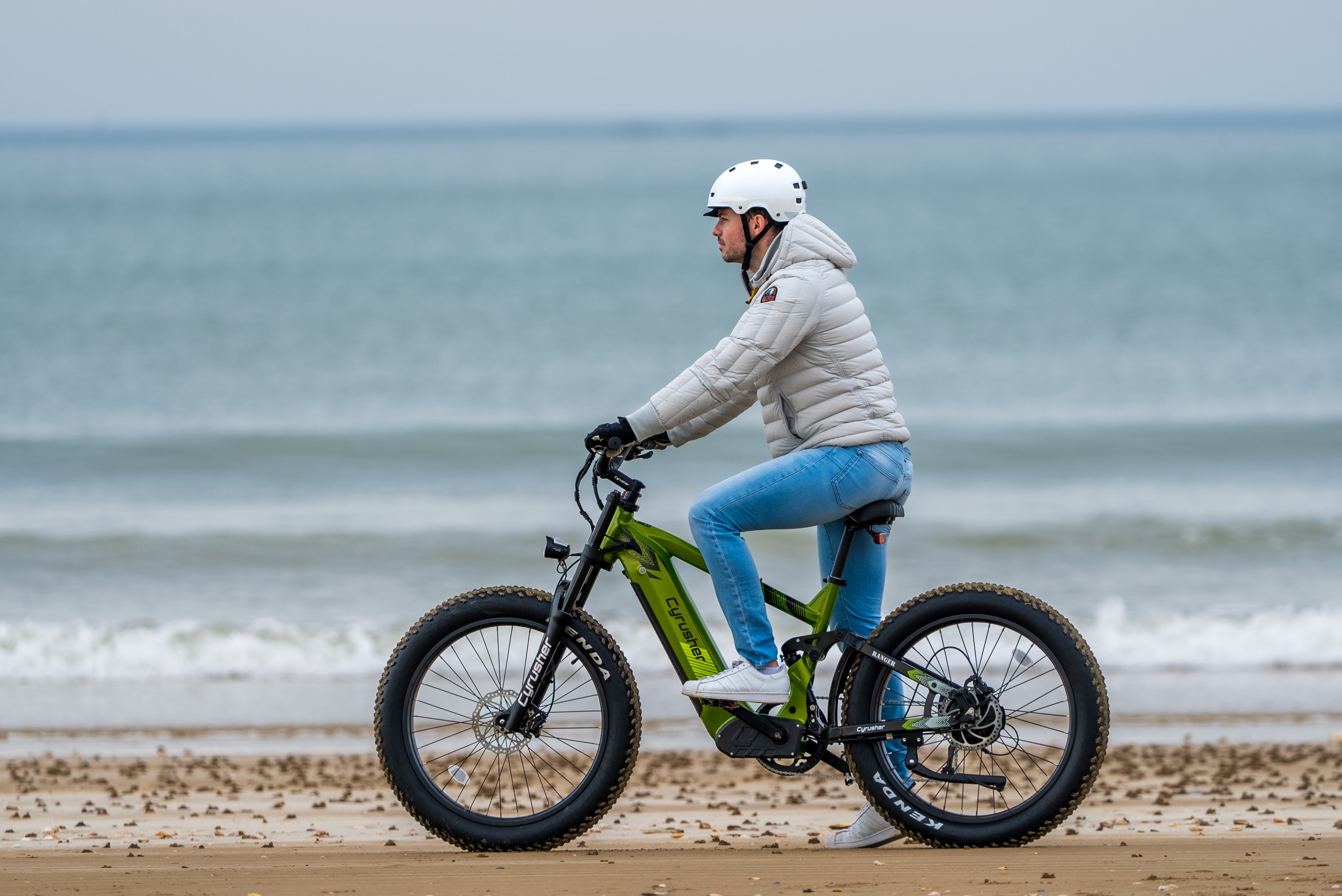
Credit: www.cyrusher.com
Common Mistakes That Shorten Mountain Bike Life
Many beginners unknowingly shorten their bike’s life by making a few simple mistakes. Avoid these to get the most from your investment:
- Ignoring creaks and clicks: Strange noises often mean loose or damaged parts. Fix them early.
- Using a pressure washer: High-pressure water can force dirt into bearings, causing early failure.
- Storing the bike outdoors: Sun and rain damage frames, seats, and rubber parts.
- Not checking for cracks: Tiny cracks grow over time and can cause sudden frame failure.
- Over-tightening bolts: This can strip threads or crush lightweight parts.
- Skipping suspension service: Old oil and dirt cause seals to fail and can ruin forks and shocks.
- Waiting too long to replace chains: This leads to “chain stretch” and destroys cassettes and chainrings.
Remember: Small habits now prevent big problems later.
Real-world Examples: How Long Do Riders’ Mountain Bikes Last?
Let’s look at some real examples to see how long mountain bikes last in practice:
- Avid weekend rider: Rides 1–2 times per week on mixed trails. Aluminum frame lasted 9 years before developing a crack near the bottom bracket. Replaced the chain every 1,500 miles and suspension serviced every year.
- Aggressive downhill rider: Rides steep, rocky trails and jumps. Carbon frame lasted 5 years before suffering damage in a crash. Suspension parts needed servicing every few months. Drivetrain replaced each season.
- Casual rider: Uses a steel hardtail for family rides and commuting. Bike is 15 years old and still going strong. Only basic maintenance needed—chain, tires, and occasional brake pads.
- Bikepacker: Titanium frame used for long trips. Over 20 years, replaced every component except the frame. Still rides the same bike thanks to good storage and regular cleaning.
One non-obvious insight: Riders who keep detailed maintenance logs tend to catch problems early, which extends the life of their bikes.

Credit: www.youtube.com
How To Make Your Mountain Bike Last Longer
If you want to maximize the lifespan of your mountain bike, follow these practical tips:
- Clean your bike after muddy rides: Mud and grit wear down parts fast.
- Use the right lubricant: Wet lube for rainy areas, dry lube for dusty trails.
- Store indoors: A garage or even a dry hallway is much better than outside.
- Check suspension pressure: Low air pressure can damage forks and shocks.
- Replace worn parts early: A new chain or brake pads are cheaper than replacing a whole drivetrain or rotor.
- Avoid overloading the bike: Carrying heavy backpacks or bikepacking gear? Make sure your frame is designed for it.
- Follow the manufacturer’s service schedule: Each brand has recommendations for inspections and service.
The biggest difference between short-lived and long-lasting bikes isn’t the brand or price—it’s the owner’s care and attention.
Frequently Asked Questions
How Many Years Should A Mountain Bike Last?
Most mountain bikes last 5–20 years depending on frame material, riding style, and maintenance. Aluminum bikes typically last 5–10 years, steel can last 10–20 years, carbon fiber about 7–12 years, and titanium often over 15 years. Components will need replacing more often.
Can I Ride A 20-year-old Mountain Bike?
Yes, if the bike is in good condition and has been well maintained. However, older bikes may lack modern features, and some replacement parts may be hard to find. Always check for frame cracks and test the brakes before riding.
What Wears Out First On A Mountain Bike?
The chain and brake pads are usually the first parts to wear out, especially if you ride often or in muddy conditions. Tires and cassettes are next. Keeping these parts clean and replacing them when needed extends the life of the rest of the bike.
Is It Worth Upgrading An Old Mountain Bike?
Upgrading makes sense if the frame is in good shape and you love the way it rides. New tires, a better saddle, or modern brakes can improve an older bike. But if the frame is worn out or outdated, putting money toward a new bike is usually a better investment.
How Do I Know If My Bike Frame Is Cracked?
Inspect the frame carefully, especially near welds, the bottom bracket, and the head tube. Look for hairline cracks, dents, or bulges. If you’re unsure, take your bike to a shop for a professional check. Riding a cracked frame is dangerous.
Mountain bikes are built to handle tough conditions, but their true lifespan depends on how you ride and care for them. With regular maintenance and smart habits, even a basic bike can give you years of adventure. When it’s time for a new ride, you’ll know you got the most out of your investment—and you’ll be ready for whatever the trail brings next. For more details on frame materials and bike care, visit the Wikipedia Mountain Bike page.

Hello Guys! I am John Reese, a professional biker and my hobby is biking! I have been biking for last 12 years and I love using bikes while outing as well. Based on my experiences with the different type of bikes (mountain bikes, road bikes and hybrid bikes); I am sharing my opinion about various bikes so that a beginner can get started right away. Happy reading!