
If you’ve looked for a mountain bike that combines durability, affordability, and style, you’ve probably seen the name Mongoose. This well-known brand has built a strong reputation among beginners, casual riders, and even some seasoned cyclists. But one question comes up often: How much does a Mongoose mountain bike cost? The answer is not as simple as a single number. Prices change based on bike type, model year, components, and where you buy.
Let’s take a deep dive into the real-world costs of Mongoose mountain bikes. You’ll learn what factors affect the price, see clear comparisons, and get tips for buying smart—whether you’re a first-timer or upgrading your ride.
Why Choose A Mongoose Mountain Bike?
Before we discuss price, it’s important to know why so many riders choose Mongoose. The brand started in the 1970s, making BMX bikes for rough tracks. Over the years, Mongoose expanded into mountain bikes, focusing on strong frames, good value, and beginner-friendly designs. Today, their bikes are popular for:
- Affordability: Many models cost less than similar bikes from other brands.
- Availability: You can find Mongoose bikes in most big box stores and online.
- Variety: They offer hardtail, full suspension, fat tire, and even electric mountain bikes.
This mix of value and variety makes Mongoose a go-to choice for casual riders, teens, and people who want a solid bike without a huge investment.
Key Factors That Affect Mongoose Mountain Bike Prices
The cost of a Mongoose mountain bike depends on several factors. Understanding these will help you figure out what you’re paying for—and what you might be able to skip.
1. Bike Type
Mongoose sells different types of mountain bikes, and each has its own price range:
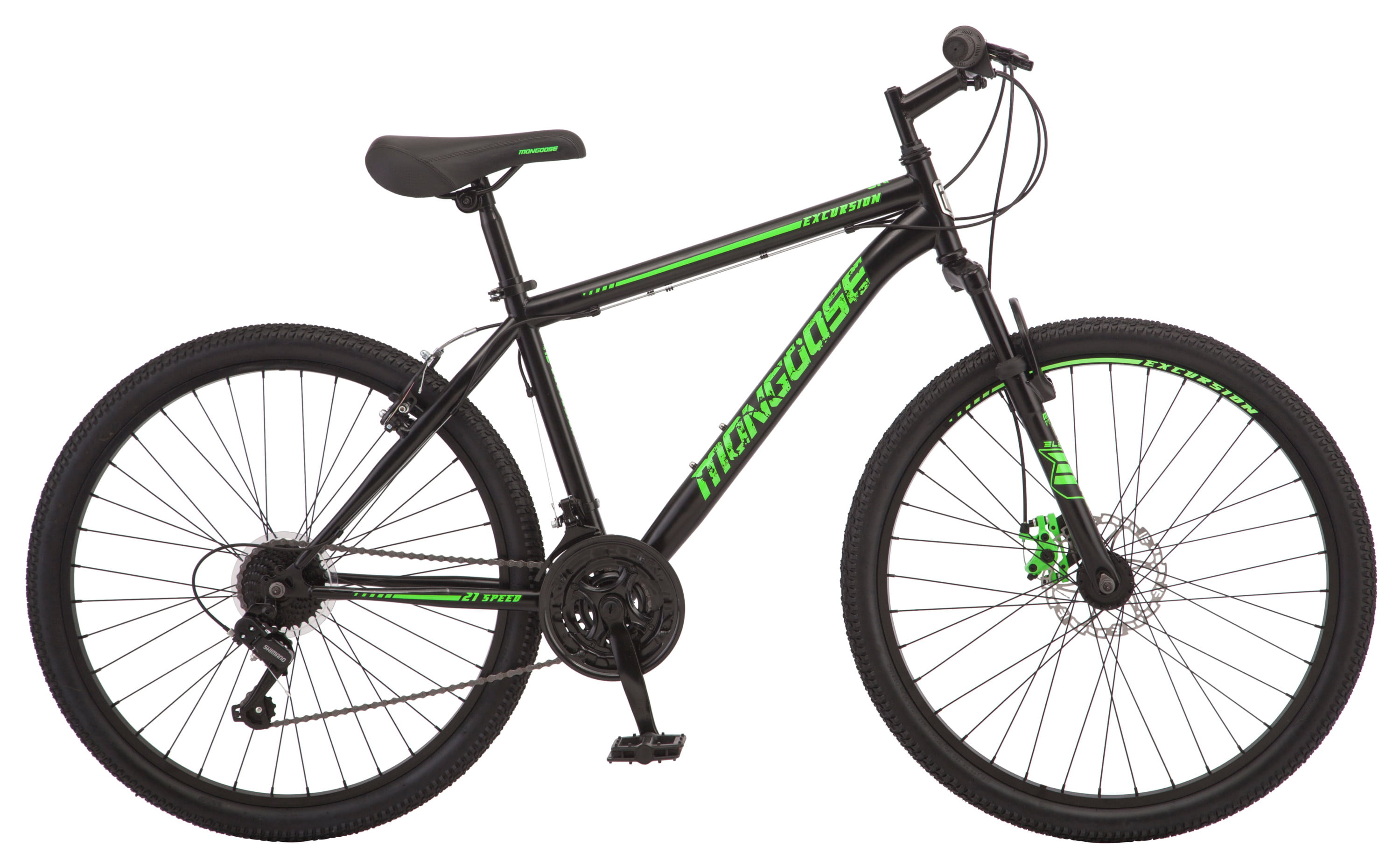
- Hardtail bikes (front suspension only) are usually more affordable.
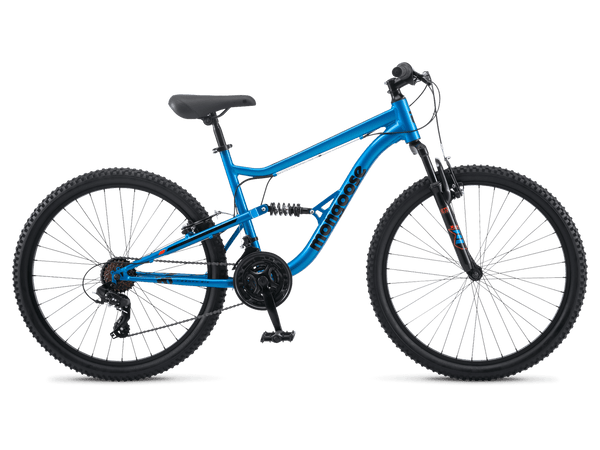
- Full suspension bikes (front and rear suspension) cost more because of extra parts and engineering.
- Fat tire bikes (extra-wide tires for sand or snow) can be pricier.
- Electric mountain bikes (motors and batteries) are the most expensive.
2. Materials And Components
The frame material (steel, aluminum, or alloy) makes a big difference. Steel is heavier but cheap. Aluminum and lightweight alloys cost more but give a smoother ride. Other features that raise the price include:
- Hydraulic disc brakes (better stopping power)
- Multiple gear systems (more speeds)
- Brand-name parts (like Shimano or SRAM drivetrains)
3. Model Year
Newer models often have higher prices, especially if they include the latest tech or color options. Last year’s models usually sell at a discount, which can be a smart way to save money.
4. Where You Buy
Mongoose bikes are sold at:
- Big box retailers (Walmart, Target)
- Online stores (Amazon, Dick’s Sporting Goods)
- Specialty bike shops
Prices may be lower in large stores, but specialty shops sometimes offer extras like assembly or free tune-ups.
5. Extras And Accessories
Some stores include accessories (helmet, lights, locks) in the price. If not, you’ll need to add these costs.
Insight: Many beginners forget to budget for assembly. If you buy online, you may need to pay a local shop $50–$100 to assemble and tune your bike.
Mongoose Mountain Bike Price Ranges
Now, let’s get specific. How much does a Mongoose mountain bike cost, based on type and features? Here’s a practical breakdown.
Hardtail Mountain Bikes
These are the most common and affordable Mongoose models. They’re great for trails, parks, and daily rides.
- Entry-level (steel frame): $200–$350
- Mid-range (aluminum frame, better parts): $350–$600
- High-end hardtail (premium parts, lighter frame): $600–$1,000
Full Suspension Mountain Bikes
These bikes have both front and rear suspension, making them good for rougher trails. They cost more because of extra engineering.
- Entry-level: $400–$600
- Mid-range: $600–$1,000
- Top models: $1,000–$1,500
Fat Tire Mountain Bikes
Fat bikes have large tires (usually 4 inches or wider) and are made for snow, sand, or rough trails.
- Basic models: $350–$550
- Better components: $550–$900
Electric Mountain Bikes
Mongoose’s e-MTBs are newer and come with a motor and battery for extra power.
- Entry e-MTB: $1,000–$1,500
- Higher-end e-MTB: $1,500–$2,500
Kids’ Mountain Bikes
Mongoose also makes mountain bikes for kids and teens.
- Small wheel (20”, 24”): $150–$250
- Teen/adult entry-level: $200–$350
Non-obvious insight: The price gap between kids’ and adult bikes isn’t just about size. Kids’ bikes often have simpler parts, making them lighter and easier to handle.
Real-world Mongoose Mountain Bike Prices: Popular Models
To give you a clearer picture, here’s a look at real Mongoose mountain bike models, their features, and average prices in 2024.
| Model | Type | Frame Material | Main Features | Average Price (USD) |
|---|---|---|---|---|
| Argus Sport | Fat Tire | Aluminum | 4” tires, disc brakes | $750 |
| Dolomite | Fat Tire | Steel | 7-speed, 26” tires | $350 |
| Switchback Expert | Hardtail | Aluminum | 21-speed, disc brakes | $600 |
| Salvo Comp | Full Suspension | Aluminum | 1×10 drivetrain, 29” wheels | $1,200 |
| Malus | Fat Tire | Steel | 7-speed, 26” wheels | $400 |
| Impasse | Full Suspension | Aluminum | 21-speed, 29” wheels | $500 |
| Title Elite 24 | BMX/MTB Hybrid | Aluminum | Single speed, racing style | $500 |
| Envoy | E-MTB | Aluminum | 350W motor, 36V battery | $1,500 |
Prices can change based on sales, location, and model year. Always check the latest price before buying.
Credit: www.delhipublicacademy.in
Comparing Mongoose Vs. Other Mountain Bike Brands
How does Mongoose stack up against other brands in the same price range? Here’s a simple comparison.
| Brand | Entry-Level Price | Frame Material | Common Features | Warranty |
|---|---|---|---|---|
| Mongoose | $200 | Steel, Aluminum | Disc brakes, multiple gears | Limited lifetime (frame) |
| Schwinn | $220 | Steel, Aluminum | Disc brakes, suspension fork | Limited lifetime (frame) |
| Giant | $500 | Aluminum, Carbon | Hydraulic disc brakes, 24-speed | Limited lifetime (frame) |
| Trek | $600 | Aluminum, Carbon | Advanced suspension, tubeless ready | Lifetime (frame) |
| Specialized | $700 | Aluminum, Carbon | Hydraulic brakes, air fork | Lifetime (frame) |
Key takeaway: Mongoose bikes are cheaper than most “big brand” bikes, but you may trade off some high-end features. For basic trails and city riding, Mongoose is often more than enough.
Where To Buy Mongoose Mountain Bikes
Finding the best deal means knowing where to look. Here are the most common places to buy Mongoose bikes:
- Big Retailers: Walmart, Target, and Dick’s Sporting Goods often have the best prices for entry-level bikes. You can see the bike in person, but assembly is sometimes required.
- Online Stores: Amazon, the Mongoose official website, and other online sellers offer a wide selection. Look for free shipping or return policies.
- Bike Shops: Some local bike stores carry Mongoose, especially the higher-end models. Prices may be higher, but expert assembly and local support are included.
- Secondhand Market: Places like Craigslist, Facebook Marketplace, and eBay have used Mongoose bikes. Prices are lower, but check the bike carefully for wear or damage.
Pro tip: Always compare prices at different stores. Some sellers offer seasonal discounts or bundle deals (like a helmet and lock included).
What Do You Get For Your Money?
When you pay for a Mongoose mountain bike, what are you actually buying? Here’s a closer look at what the price includes:
- Frame: Most entry-level Mongoose frames are steel or aluminum. Aluminum is lighter and resists rust.
- Suspension fork: This absorbs bumps and makes your ride smoother.
- Gears and shifters: The more speeds, the easier it is to climb hills or go fast.
- Brakes: Disc brakes are now standard on most models. They work well in all weather.
- Wheels and tires: Sizes range from 24” to 29”. Fat tire bikes have extra-wide wheels for more grip.
- Other parts: Basic saddle, flat pedals, and sometimes a kickstand.
Non-obvious insight: Many Mongoose bikes use “house brand” parts to keep costs down. You can upgrade these later if you want better performance.
Entry-level Vs. Mid-range Vs. High-end Mongoose Bikes
Let’s break down what changes as you spend more.
Entry-level ($200–$400)
- Steel frame (heavier)
- Basic suspension fork
- 7–21 speeds
- Mechanical disc brakes or V-brakes
- Suitable for parks, paths, and mild trails
Mid-range ($400–$800)
- Aluminum frame (lighter)
- Better suspension, sometimes lockout fork
- 21+ speeds, smoother shifting
- Hydraulic disc brakes (on some models)
- Handles tougher trails
High-end ($800–$1,500+)
- Lightweight alloy or custom aluminum frame
- Advanced suspension (air fork, rear shock)
- Top-brand components (Shimano, SRAM)
- Tubeless-ready wheels, better tires
- For serious trail riding, racing, or heavy use
How Much Should You Spend? Choosing The Right Mongoose Bike For Your Needs
It’s easy to overspend or underspend. Here’s how to decide:
- Casual riding (parks, city paths): $200–$400 model is fine.
- Trail riding (dirt, roots, rocks): Look for $400–$700 hardtail or entry full suspension.
- Adventurous riding (mountains, racing): $700+ for better parts and lighter frame.
- Winter or sand: Fat tire bike ($350–$900).
- Electric boost: E-MTB ($1,000+).
Practical tip: Try to buy at the upper end of your budget. A slightly better bike will last longer and need fewer upgrades.
Common Mistakes When Buying A Mongoose Mountain Bike
Many first-time buyers make these errors:
- Choosing by looks only: Paint and style matter, but frame material and parts are more important.
- Ignoring fit: Wrong frame size leads to discomfort and less control. Always check the size chart.
- Skipping assembly: Poor assembly can ruin a new bike. Get help if you’re unsure.
- Not budgeting for extras: Helmets, locks, lights, and basic tools are must-haves.
- Overbuying: Don’t buy a full suspension if you only ride on smooth paths—it adds cost and weight.
- Forgetting about maintenance: All bikes need regular care. Ask about service at the place you buy.
Advanced insight: Some stores sell “Mongoose” bikes made for big box retail, which are different from Mongoose’s “pro” line. Pro-level Mongoose bikes (like the Salvo or Switchback Expert) use higher quality parts, but cost more and are usually found at specialty shops or the official Mongoose website.

Credit: www.amazon.com
Upgrading And Customizing Your Mongoose
You may want to upgrade your bike over time. Popular upgrades include:
- Tires: Swap for better grip or less rolling resistance.
- Saddle: Comfort saddles can make long rides easier.
- Pedals: Metal or clipless pedals for more control.
- Grips: Softer or ergonomic grips for less hand fatigue.
- Brakes: Upgrade to hydraulic disc brakes for stronger stopping.
Most Mongoose frames use standard sizes, so upgrades are easy. However, don’t spend more on upgrades than the bike is worth. If you want lots of upgrades, sometimes it’s cheaper to buy a higher-end bike from the start.
How To Save Money On A Mongoose Mountain Bike
If you want the best deal, try these tips:
- Buy last year’s model: New colors or small changes often mean big discounts on older stock.
- Look for sales: Late fall and early spring are best for deals.
- Check certified refurbished bikes: Some stores sell like-new bikes with a warranty.
- Buy used from trusted sources: Inspect carefully and ask about service history.
- Ask about bundles: Some stores include free assembly or accessories.
What About Maintenance Costs?
A mountain bike needs basic care to stay safe and fun to ride. Here’s what to expect:
- Tune-up: $50–$100/year (clean, adjust, check brakes and gears)
- New tires: $30–$60/pair (every 1–2 years for regular riders)
- Brake pads: $10–$20 (as needed)
- Chain: $15–$30 (every 1–2 years)
- Accessories: Helmet ($30–$60), lock ($15–$40), lights ($15–$50)
Mongoose bikes are affordable to maintain compared to high-end brands. But, regular care is key for safety and performance.
Are Mongoose Mountain Bikes Worth The Price?
For many riders, the answer is yes. Here’s why:
- Value for money: You get a working mountain bike for a few hundred dollars.
- Easy to find parts: Replacement parts are standard size and widely available.
- Good resale value: Mongoose is a trusted brand, so used bikes sell quickly.
- Perfect for beginners: If you’re new, there’s no need to spend $1,000+ on your first bike.
However, if you’re a serious racer or want a bike for daily mountain adventures, you may want to invest in a higher-end model or another brand. For most city and trail riders, Mongoose offers everything you need.
Example: Comparing Two Popular Mongoose Models
Let’s compare the Mongoose Dolomite (basic fat tire) and the Mongoose Salvo Comp (full suspension):
| Feature | Dolomite | Salvo Comp |
|---|---|---|
| Type | Fat Tire Hardtail | Full Suspension |
| Frame | Steel | Aluminum |
| Gears | 7-speed | 1×10-speed |
| Brakes | Mechanical disc | Hydraulic disc |
| Price | $350 | $1,200 |
| Best for | Sand, snow, casual | Mountain trails, advanced |
Tip: The Dolomite is perfect for casual fun and unique terrain, while the Salvo Comp is for riders who want to tackle real mountain trails.
When To Buy New Vs. Used
Buying new means:
- Full warranty
- Latest model and color
- No hidden issues
Buying used means:
- Lower price (often 30–50% off)
- May need repairs or parts
- Limited or no warranty
If you’re new to biking or want peace of mind, buying new is best. If you know how to check a bike for damage and don’t mind small repairs, used can be a smart way to save.
Warranty And Support
Mongoose offers a limited lifetime warranty on frames for the original owner, and a 1-year warranty on parts. Always keep your receipt and register your bike online. If you buy used, ask for the original paperwork.
For more details, visit the official Mongoose website.
Frequently Asked Questions
How Much Should I Pay For My First Mongoose Mountain Bike?
If you’re a beginner, expect to pay $200–$400 for a solid entry-level Mongoose mountain bike. This range gets you a bike with gears, suspension, and disc brakes—enough for parks, trails, and city rides.
Are Mongoose Mountain Bikes Good For Serious Mountain Biking?
Mongoose makes bikes for all levels. Their entry models are great for beginners, but if you plan to ride tough trails often, look at their mid-range or high-end models ($600+), which have better parts and lighter frames.
Is It Better To Buy A Mongoose Bike Online Or In A Store?
Both options work. Online may be cheaper, but you might need to assemble the bike yourself. In-store purchases can include assembly, fitting, and local support. If you’re not confident with tools, buying in a store is safer.
What’s The Difference Between Mongoose Bikes At Walmart And Specialty Shops?
Big box stores sell basic Mongoose models designed for casual use. Specialty shops carry “pro” Mongoose models with higher-quality parts and frames. These cost more but perform better on tough trails.
How Long Does A Mongoose Mountain Bike Last?
With regular care, a Mongoose mountain bike can last 5–10 years (or more) for casual riders. More expensive models with better parts may last longer, especially if well maintained.
Credit: www.mongoose.com
Final Thoughts
So, how much does a Mongoose mountain bike cost? The answer depends on the model, features, and where you buy—but most people spend between $200 and $1,500. Mongoose offers excellent value, especially for beginners and casual riders. Remember to consider the type of riding you’ll do, check frame size, and budget for extras. With the right choice, your Mongoose will deliver years of fun on the trail, city, or sand.
Take your time, compare options, and enjoy the ride—your perfect Mongoose mountain bike is out there waiting.

Hello Guys! I am John Reese, a professional biker and my hobby is biking! I have been biking for last 12 years and I love using bikes while outing as well. Based on my experiences with the different type of bikes (mountain bikes, road bikes and hybrid bikes); I am sharing my opinion about various bikes so that a beginner can get started right away. Happy reading!