
Blowing up mountain bike tires seems simple—just add air, right? But if you’ve ever had a flat in the middle of a trail or struggled with different pump types, you know there’s much more to it. Proper tire inflation isn’t just about comfort; it’s about safety, performance, and extending the life of your bike. Mountain bike tires face unique challenges: rough terrain, sharp rocks, and sometimes unpredictable weather. If you get the pressure wrong, you might lose grip, get more flats, or damage your rims.
This guide explains everything you need to know about blowing up mountain bike tires. You’ll learn about the right tools, how to avoid common mistakes, and what pressure works best for your style. Whether you’re new to mountain biking or just want to avoid your next trail mishap, these steps will help keep your ride smooth and safe.
Why Correct Tire Inflation Matters
Getting the pressure right is more than just making the tire look full. The way you inflate your tires affects how your bike handles, how fast you go, and how safe you are on the trail.
- Traction: Too little air and your tire might “squirm,” making it harder to steer or brake. Too much, and you could lose grip on loose surfaces.
- Comfort: Proper inflation helps smooth out bumps and rocks, making your ride much more enjoyable.
- Puncture resistance: Under-inflated tires can pinch against the rim, causing “snakebite” flats. Over-inflated tires are more likely to get punctured by sharp objects.
- Rim protection: The right pressure keeps your rim from hitting the ground or rocks, which can bend or break it.
Non-obvious tip: Tire pressure can affect how easily you roll over obstacles. A little lower pressure often helps you float over rocks and roots, while too much makes your bike bounce and slide.
Understanding Mountain Bike Tire Valves
Before you can inflate a tire, you need to know the kind of valve on your bike. There are two main types:
Presta Valves
These are long, thin valves with a small screw at the top. Most high-end mountain bikes use Presta valves. They’re designed for higher pressures and have a locking nut you need to unscrew before inflating.
Schrader Valves
These look like car tire valves—shorter and wider. Schrader valves are common on entry-level bikes and some kids’ bikes. Most gas station air pumps fit these, but not all bike pumps do.
Why Valve Type Matters
- Pump compatibility: Not all pumps fit both valves. Some have switchable heads or adapters.
- Pressure range: Presta valves can handle higher pressures, but both types work for mountain bikes.
- Durability: Schrader valves are tougher, but Presta valves are lighter and fit smaller rim holes.
Practical insight: Always check your valve type before buying a pump or CO2 inflator. Carrying the wrong tool can leave you stranded miles from home.
Choosing The Right Tools For The Job
There’s more than one way to blow up a mountain bike tire. The tool you choose depends on where you are, how fast you need to inflate, and what valve you have.
Floor Pumps
These are the big pumps you see in bike shops. They’re fast, accurate, and usually have a built-in pressure gauge. Great for home use.
Mini Pumps
Small, light, and portable. You can carry these on your bike or in a backpack. They’re slower and harder to use than floor pumps, but they’re essential for on-trail repairs.
Co2 Inflators
These use small cartridges to quickly fill a tire. They’re light and fast, but you need to carry spare cartridges and practice using them. Not ideal for repeated use, but a lifesaver in races or emergencies.
Air Compressors
Some cyclists use these at home. They fill tires fast but can easily over-inflate if you’re not careful. Always use a pressure gauge.
Pump Head Types
Some pumps fit only Presta or Schrader. Others have a reversible head or come with adapters. Make sure your pump matches your valve.
Here’s a quick comparison of the main tools:
| Tool | Speed | Portability | Best Use | Valve Compatibility |
|---|---|---|---|---|
| Floor Pump | Fast | Low | Home/garage | Both (with right head) |
| Mini Pump | Slow | High | Trail/roadside | Both (check before buying) |
| CO2 Inflator | Very fast | Very high | Racing/emergency | Both (with adapters) |
| Air Compressor | Very fast | Low | Home/shop | Both (with right chuck) |
Non-obvious tip: Mini pumps with a hose (rather than a fixed head) make inflating easier and reduce the risk of damaging your valve, especially on Presta types.
What Pressure Should You Use?
The “right” pressure depends on your weight, tire width, trail conditions, and personal taste. But there are some starting points.
- General range: Most mountain bike tires run between 25 and 40 psi (pounds per square inch). Wider tires and heavier riders need more air.
- Tire width: Fatter tires (2.6” and up) use less pressure. Thinner tires need more.
- Tubeless vs. tube: Tubeless setups can run lower pressures without pinch flats.
Here’s a rough guide:
| Rider Weight | Tire Width | Tubeless | Recommended PSI |
|---|---|---|---|
| 120-150 lbs | 2.2” | No | 30-35 psi |
| 120-150 lbs | 2.4”-2.6” | Yes | 22-28 psi |
| 150-180 lbs | 2.2” | No | 32-38 psi |
| 150-180 lbs | 2.4”-2.6” | Yes | 24-30 psi |
| 180-210 lbs | 2.2” | No | 34-40 psi |
| 180-210 lbs | 2.4”-2.6” | Yes | 26-32 psi |
Practical tip: Always check the side of your tire for a recommended pressure range. Never exceed the max listed.
Step-by-step: How To Blow Up Mountain Bike Tires
Now, let’s break down the actual process.
1. Check Your Tire And Rim
Look for cracks, cuts, or damage. Remove any dirt or debris from the valve. A clean valve seals better and reduces the chance of leaks.
2. Choose And Prepare Your Pump
Pick a pump or inflator that matches your valve. If using a floor pump, make sure it’s stable. For mini pumps, check the hose or head is secure.
3. Remove The Valve Cap
Unscrew the small plastic or metal cap. Keep it safe—you’ll need it later.
4. If You Have A Presta Valve, Loosen The Core
Unscrew the tiny nut at the top of the Presta valve. Press down briefly to let a little air out—this opens the valve.
5. Attach The Pump Head
Push the pump head onto the valve firmly. For Presta, you may need to flip a lever to lock it. For Schrader, just push it on until you hear a click.
6. Inflate To The Correct Pressure
Pump air steadily. Watch the gauge if you have one. For mini pumps, it may take 100-200 strokes to fill a tire. CO2 inflators fill almost instantly, but check the pressure quickly.
7. Remove The Pump And Close The Valve
Release the pump head carefully. For Presta, screw down the small nut. Replace the valve cap.
8. Check For Leaks
Listen for hissing or feel for escaping air. If you hear a leak, re-seat the pump and try again.
9. Spin The Wheel And Test
Spin the wheel to check for wobble or bulges. Press down with your thumb—if the tire feels soft or squishy, add more air.
Insider tip: Inflate your tire a little above your target pressure, then let a small amount out. This seats the tire bead and gives a more accurate reading.
Special Cases: Tubeless Tire Inflation
Tubeless tires are popular for mountain biking. They use a liquid sealant instead of a tube, reducing flats and allowing lower pressure.
What’s Different About Tubeless?
- Seating the bead: The tire must “pop” into place on the rim. This often needs a burst of high-volume air.
- Sealant: Liquid inside the tire seals small holes. Shake the tire before inflating.
- Tools: Floor pumps with a “blast” chamber or air compressors help seat stubborn tires.
Steps For Tubeless Inflation
- Check the rim tape and valve are airtight.
- Add the correct amount of sealant (usually 2-4 oz).
- Mount the tire. Make sure both beads are inside the rim.
- Use a high-volume burst of air. A floor pump with a “tubeless” setting or an air compressor works best.
- Listen for a series of pops. This means the bead is seating.
- Inflate to slightly above your target pressure.
- Shake and spin the wheel to spread the sealant.
- Deflate to your desired pressure.
Beginner mistake: Trying to seat a tubeless tire with a basic mini pump rarely works. Use a floor pump with a blast chamber or visit a bike shop for help.
Dealing With Common Problems
Even experienced riders run into issues. Here’s how to fix the most common ones.
Valve Leaks
If you hear air escaping from the valve, it might be loose or dirty.
- Remove the cap.
- For Presta, tighten the core with a small tool.
- For Schrader, check for dirt and clean with a cloth.
- If the leak persists, replace the valve.
Tire Won’t Inflate
- Check the pump head and valve type.
- Make sure the pump is tightly connected.
- For tubeless, check the bead and use a higher-volume pump.
Tire Inflates Unevenly
- Let the air out.
- Re-seat the tire by pushing both sides into the rim.
- Inflate again, shaking the wheel to help it settle.
Pump Won’t Fit
- Check if you need an adapter.
- Some pumps have a small lever—try flipping it.
- For stubborn Presta valves, unscrew the core a little more.
How Often Should You Check Your Tire Pressure?
Mountain bike tires lose air slowly over time, even with no leaks. Check your pressure:
- Before every ride: Especially if your last ride was a week ago or more.
- After big temperature changes: Cold air reduces pressure, hot air increases it.
- If you change your load: Carrying extra gear or a heavier backpack? Add 1-2 psi.
Pro tip: Get a digital tire pressure gauge for more accurate readings. Many pumps are off by 2-5 psi.
Safety Reminders And Best Practices
Inflating your tires should be safe and easy, but there are risks if you rush or skip steps.
- Never exceed max pressure: Check the sidewall for the upper limit.
- Don’t use damaged pumps: A broken gauge or cracked hose can fail under pressure.
- Carry a backup: On long rides, bring a mini pump and a CO2 inflator if possible.
- Practice at home: Try inflating your tires before your first trail ride so you’re not learning under stress.
- Keep your pump clean: Dirt in the head or hose can cause leaks and reduce pump life.
Key Differences: Mountain Bike Vs. Road Bike Tire Inflation
Some cyclists ride both mountain and road bikes. The inflation process is similar, but pressure ranges are very different.
| Bike Type | Typical Tire Pressure | Tire Width | Valve Type |
|---|---|---|---|
| Mountain Bike | 25-40 psi | 2.0-2.8 in | Presta or Schrader |
| Road Bike | 80-120 psi | 23-32 mm | Mostly Presta |
Insight: Never inflate a mountain bike tire to road bike pressure. You risk a blowout and damage to your wheel.
Real-world Examples: How Pros Set Their Tire Pressure
Professional mountain bikers don’t guess their pressure—they test and adjust before every race. Here’s how they do it:
- Start low, go up: Pros begin with a lower pressure and add air until they find the sweet spot for grip and speed.
- Use a gauge: Some use digital gauges for accuracy within 0.5 psi.
- Adjust for terrain: Rocky courses get a bit more air to protect rims, muddy trails get lower pressure for grip.
- Record settings: Many keep a log of tire pressure, temperature, and trail type for future reference.
Takeaway: You don’t need pro tools, but being methodical helps. Write down what works for you and adjust as you gain experience.
What Beginners Often Get Wrong
Many new riders make the same errors when blowing up mountain bike tires:
- Guessing pressure by feel: Squeezing the tire isn’t accurate. A gauge is much better.
- Ignoring the valve type: Using the wrong pump head wastes time and can damage valves.
- Over-inflating: More air isn’t always better. It can lead to less grip and more crashes.
- Not checking before rides: Even a slow leak can leave you with a flat in the middle of nowhere.
- Using old or cracked tubes: These can’t hold air well and make inflation difficult.
Hidden insight: The “perfect” pressure might change day to day. Weather, trail moisture, and how aggressively you ride all play a role.
Should You Use Co2 Or A Pump?
Both methods have advantages and disadvantages. Here’s how to decide:
- CO2: Fast, compact, and great in emergencies. But you only get one shot per cartridge, and the air leaks out faster over time.
- Mini pump: Slower, but unlimited use. Reliable for long rides or remote trails.
- Floor pump: Best for home use, not practical to carry.
Advice: For trail rides, bring both. Use the CO2 for quick fixes, the mini pump for backup or topping off pressure.
Tips For Longer Tire Life
Proper inflation does more than keep you rolling—it can add months to your tire’s life.
- Check for glass, thorns, and sharp rocks after every ride.
- Keep your tires clean—mud and dirt hide small cuts.
- Rotate your tires (front to back) if wear is uneven.
- Replace worn or cracked tires before they fail on the trail.
Unexpected benefit: Lower pressure reduces the risk of rim damage on rocky trails, but only if you don’t go too low.
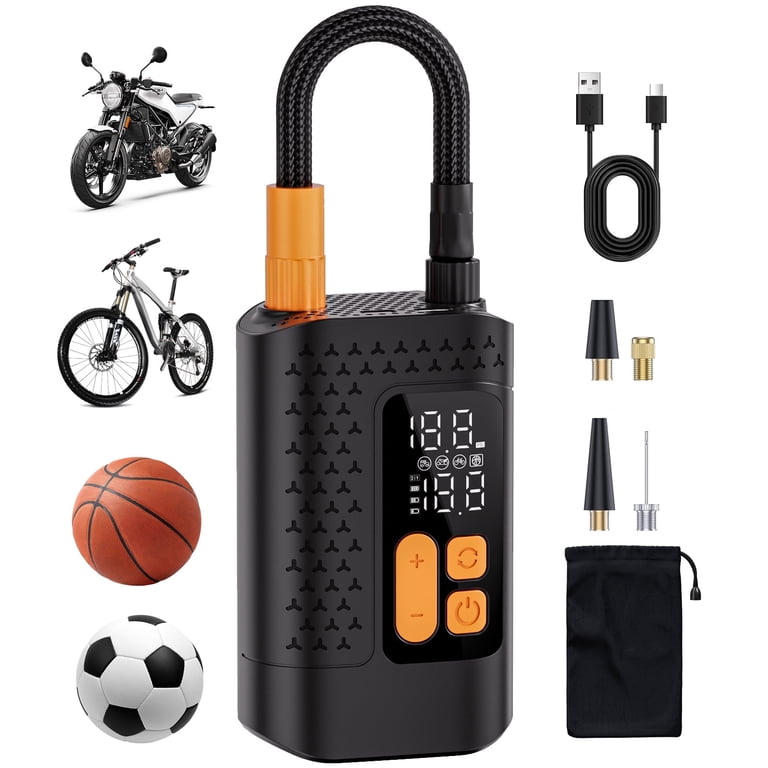
Credit: www.walmart.com
Environment And Weather: Adjusting Pressure
Your tire pressure may need adjustment based on weather and trail conditions.
- Cold weather: Air contracts, reducing pressure. Add 1-2 psi before riding.
- Hot weather: Air expands. Check pressure after your bike’s been in the sun.
- Wet or muddy trails: Lower pressure gives better grip.
- Dry, hard-packed trails: Slightly higher pressure rolls faster.
Pro tip: If you ride at high altitude, pressure drops more quickly. Check before every ride.
Storing Your Bike: Should You Let Air Out?
Some riders think letting air out for storage is best. In reality:
- Short-term: Leave tires inflated to normal pressure.
- Long-term (months): Let out half the air to reduce stress on rims and sidewalls.
- Hanging storage: Keep enough air to support the tire shape.
Bonus tip: Store your bike in a cool, dry place to prevent tire cracking.

Credit: www.youtube.com
Essential Accessories For Mountain Bike Tire Care
Besides a good pump, a few accessories make inflation easier:
- Valve core tool: Tightens or removes Presta/Shrader cores for cleaning or adding sealant.
- Tire levers: Help remove the tire if you need to patch or replace a tube.
- Patch kit: For fixing punctures on the go.
- Digital gauge: More accurate than pump gauges.
Advice: Practice using these at home so you’re not caught off guard on the trail.
When To Replace Your Tube Or Tire
Sometimes, blowing up your tire just isn’t enough. Replace your tube or tire if:
- The tube won’t hold air even after patching.
- You see bulges or cracks in the tire.
- Tread is worn smooth—less grip means more slips.
- Frequent flats—it’s a sign your tire or tube is done.
Tip: Always carry a spare tube and know how to install it.

Credit: www.infinibandta.org
Frequently Asked Questions
What Is The Best Pressure For Mountain Bike Tires?
The best pressure depends on your weight, tire width, and trail conditions. Most riders use 25-40 psi, but tubeless setups can go lower. Start with the recommended range on your tire sidewall and adjust for comfort and grip.
Can I Use A Regular Car Pump For My Mountain Bike?
You can use a car pump if you have Schrader valves. For Presta valves, you need an adapter. Car pumps usually don’t have accurate low-pressure gauges, so check with a bike-specific tool after.
How Do I Know If My Tire Is Properly Inflated?
Use a pressure gauge for accuracy. The tire should feel firm but still give a little when you press with your thumb. Riding with the correct pressure gives better grip and comfort.
Is It Safe To Use Co2 Inflators On Mountain Bike Tires?
Yes, CO2 inflators are safe and effective for quick fills. However, the air leaks out faster than regular air, so top off with a pump when you get home. Always practice before you need to use one in an emergency.
Why Does My Tire Keep Losing Air?
Slow leaks can come from a damaged tube, a loose valve, or a puncture. Check for visible damage, tighten the valve core, and inspect for thorns or sharp objects in the tire. If you can’t find the cause, replace the tube.
Blowing up mountain bike tires is a skill that pays off every ride. With the right pressure, you’ll have more fun, stay safer, and spend less time fixing flats. Practice at home, use the right tools, and adjust as you learn what works for your weight and trails. For more in-depth details on tire technology and inflation, see the Wikipedia entry on bicycle tires. With a little care, your tires will keep you rolling over rocks, roots, and whatever the trail throws at you.

Hello Guys! I am John Reese, a professional biker and my hobby is biking! I have been biking for last 12 years and I love using bikes while outing as well. Based on my experiences with the different type of bikes (mountain bikes, road bikes and hybrid bikes); I am sharing my opinion about various bikes so that a beginner can get started right away. Happy reading!