
When you decide to upgrade your mountain bike, one of the smartest moves is to buy new wheels. Wheels affect how your bike climbs, corners, and even how much fun you have on the trails. But with so many options, sizes, and technical terms, choosing the right mountain bike wheels can feel confusing.
This guide will break down everything you need to know. You’ll learn how to pick the right size, material, and features for your riding style, and avoid common mistakes that waste money or make your ride worse.
Understanding The Basics: Why Wheels Matter
Mountain bike wheels do much more than just roll. They support your weight, handle bumps, and help your bike grip the ground. The right wheels can make your bike feel lighter, stronger, or faster. The wrong ones can slow you down, break easily, or make your ride less comfortable.
Wheels connect you to the trail, so picking wisely gives you more control and confidence.
Many beginners think all wheels are similar, but small differences in design can change your entire ride. For example, a lighter wheel will help you climb hills, but might not be as strong for hard impacts. A wider rim gives you better grip, but can also make your bike feel slower on smooth trails.
Understanding these trade-offs is key.
Wheel Size: 26”, 27.5”, Or 29”?
One of your first decisions is wheel size. Most mountain bikes today use 27.5-inch or 29-inch wheels, but 26-inch still exists on older bikes.
26-inch Wheels
These were the standard for years. They’re more nimble and lighter, which helps with quick turns and jumps. However, they roll over bumps less easily and are harder to find for upgrades.
27.5-inch (650b) Wheels
A popular middle ground. They combine the agility of 26-inch wheels with better bump-rolling ability of larger wheels. Many trail and all-mountain bikes use these.
29-inch Wheels
Known as “29ers”, these wheels roll over obstacles best. They offer more speed and stability, especially on rough trails. They can feel less agile in tight corners, but are now common on most new mountain bikes.
How To Choose Your Size
- For quick, playful riding (jumps, tight corners): 26” or 27.5”
- For long rides and rocky trails: 29”
- For shorter riders or smaller frames: 27.5” often fits better
If you’re unsure, check your bike frame—most modern frames are designed for 27. 5” or 29” only. Changing to a different size often needs a new fork and frame.

Credit: www.amazon.com
Rim Width And Profile
Rim width affects how wide your tires sit and how they perform. Wider rims support wider tires, giving more grip and comfort. Narrow rims are lighter but less stable at low tire pressures.
| Rim Internal Width | Best Tire Width | Common Use |
|---|---|---|
| 19–23 mm | 1.9–2.2” | XC/old school |
| 24–27 mm | 2.2–2.4” | Trail/All-mountain |
| 28–35 mm | 2.35–2.8” | Enduro/Downhill |
A wider rim (28–35 mm) is best if you ride rough trails and want more grip. For cross-country (XC) or smoother trails, a narrower rim is lighter and rolls faster.
Rim profile (how deep the rim is) also matters. Deeper rims are stiffer and can be stronger, but heavier. Most mountain bikes use shallow profiles for comfort and weight savings.
Material: Aluminum Vs Carbon
Most mountain bike wheels are made from either aluminum or carbon fiber. Each has pros and cons.
Aluminum
- Affordable: Good performance for less money
- Durable: Can bend but is less likely to crack
- Heavier: Adds some weight to the bike
Carbon
- Lighter: Saves weight, especially important for racing
- Stiffer: More precise handling, but can feel harsh on rough trails
- Expensive: Costs much more
- Can crack: If hit hard, repairs are costly
For most riders, high-quality aluminum wheels are the best value. Carbon is best for racers or those seeking the lightest, most responsive ride.
Non-obvious insight: Not all carbon wheels are lighter than aluminum. Some budget carbon wheels are actually heavier. Always check the actual weight, not just the material.

Credit: www.mbr.co.uk
Wheel Construction: Hubs, Spokes, And Nipples
Every wheel has three main parts: hub, spokes, and rim.
Hubs
The hub is the center of the wheel. It connects to your bike with axles and houses bearings. Good hubs spin smoothly and last longer. Main types:
- Standard: Cheaper, but may wear out faster
- Sealed bearing: Spins smoothly, lasts longer, better in wet/mud
Engagement points (how fast the hub transfers pedal power to the wheel) are important. Higher engagement gives faster response, good for technical trails.
Spokes
Most wheels have 24, 28, or 32 spokes. More spokes add strength but weight. For aggressive or heavier riders, 32 spokes per wheel are best. Lighter or XC riders can use 24–28.
Non-obvious insight: Butted spokes (thicker at the ends, thinner in the middle) save weight and add flexibility, making wheels less likely to break.
Nipples
These tiny parts connect the spokes to the rim. Brass nipples are tougher and last longer, while aluminum nipples are lighter but can corrode.
Axle Standards And Compatibility
Axles attach your wheels to the bike. There are several types, and it’s easy to get this wrong. Common standards are:
- Quick release (QR): Older bikes. 9mm front/10mm rear.
- Thru-axle: Modern bikes. 15x100mm or 15x110mm (“Boost”) front, 12x142mm or 12x148mm (“Boost”) rear.
Check your bike’s fork and frame for the right axle type and width. Mixing the wrong axle can make the wheel unsafe or impossible to install.
Pro tip: Some wheels have adapters to fit different axles. Always double-check before buying.
Freehub And Cassette Compatibility
The freehub is where your cassette (rear gears) attaches. There are several types:
- Shimano/SRAM HG: Most common, fits most cassettes
- SRAM XD/XDR: Needed for SRAM 12-speed (Eagle)
- Shimano Micro Spline: Needed for Shimano 12-speed
Check your drivetrain before buying wheels. The wrong freehub won’t fit your cassette. Many beginners order wheels without checking this and have to return them.
Tubeless Or Tube-type Wheels
Most modern mountain bike wheels are tubeless-ready. This means you can use them without inner tubes, using liquid sealant instead. Tubeless has big benefits:
- Fewer flats (sealant seals small holes)
- Lower tire pressure (better grip, comfort)
- Less weight
If you ride rocky trails or want fewer punctures, tubeless is worth it. Check if the wheels are labeled “tubeless-ready” or “tubeless compatible. ” Some older or cheap wheels need special rim tape or can’t be used tubeless.
Weight And Performance
Weight is important, especially for mountain biking. Lighter wheels make it easier to climb hills, accelerate, and change direction. But too light can mean weak wheels that break easily.
| Wheel Type | Typical Weight (Pair) | Best For |
|---|---|---|
| XC/Marathon | 1500–1700g | Climbing, racing |
| Trail/All-mountain | 1700–1900g | Mixed terrain |
| Enduro/Downhill | 1900–2100g+ | Rough, steep trails |
Check the weight listed by the manufacturer. Be careful: some companies list only the front or rear wheel, not the total for both.
Tip: A lighter rim helps most with climbing and acceleration, more than a lighter hub.
Braking Systems: Rim Or Disc
Most mountain bikes now use disc brakes, but some old or budget models use rim brakes.
Disc Brakes
- 6-bolt or Center Lock: Two ways to attach the brake rotor to the hub. Make sure your wheels match your rotor type.
- Better in mud and rain
- More stopping power
Rim Brakes
- Cheaper, lighter, but less power
- Only works with special rim shapes
Disc brake wheels won’t work with rim brakes and vice versa. Always check before buying.
Cost: How Much Should You Spend?
Mountain bike wheels range from about $200 for basic aluminum to over $2000 for high-end carbon. What’s best depends on your needs and budget.
- $200–$400: Basic wheels, heavier, good for beginners or backups
- $400–$800: Mid-range, lighter, stronger, often tubeless
- $800–$2000+: High-end, carbon, lightest, best for racing
More expensive wheels usually mean lighter weight, better hubs, and stronger rims. But you don’t need to spend a fortune for good performance. Sometimes, a cheaper wheel with better tires gives more benefit than a super-expensive wheel.
Pitfall: Some riders spend too much on wheels and not enough on tires. Tires matter as much, or more, than the wheel itself.
Top Brands To Consider
Not all brands are equal. Well-known brands offer better support, spare parts, and warranties. Some top brands include:
- DT Swiss – Famous for reliability and smooth hubs
- Mavic – Popular for lightweight aluminum wheels
- Stan’s NoTubes – Leaders in tubeless technology
- Race Face – Strong, wide rims for aggressive riders
- Industry Nine – Fast hub engagement, made in the USA
- Hope – Tough wheels, great customer service
- Bontrager – Trek’s in-house brand, good value
- Crankbrothers – Unique designs, strong for enduro
- ENVE – Premium carbon, used by pro racers
- Shimano – Reliable, easy to find parts
Buying from these brands means better quality control and easier service if something goes wrong.
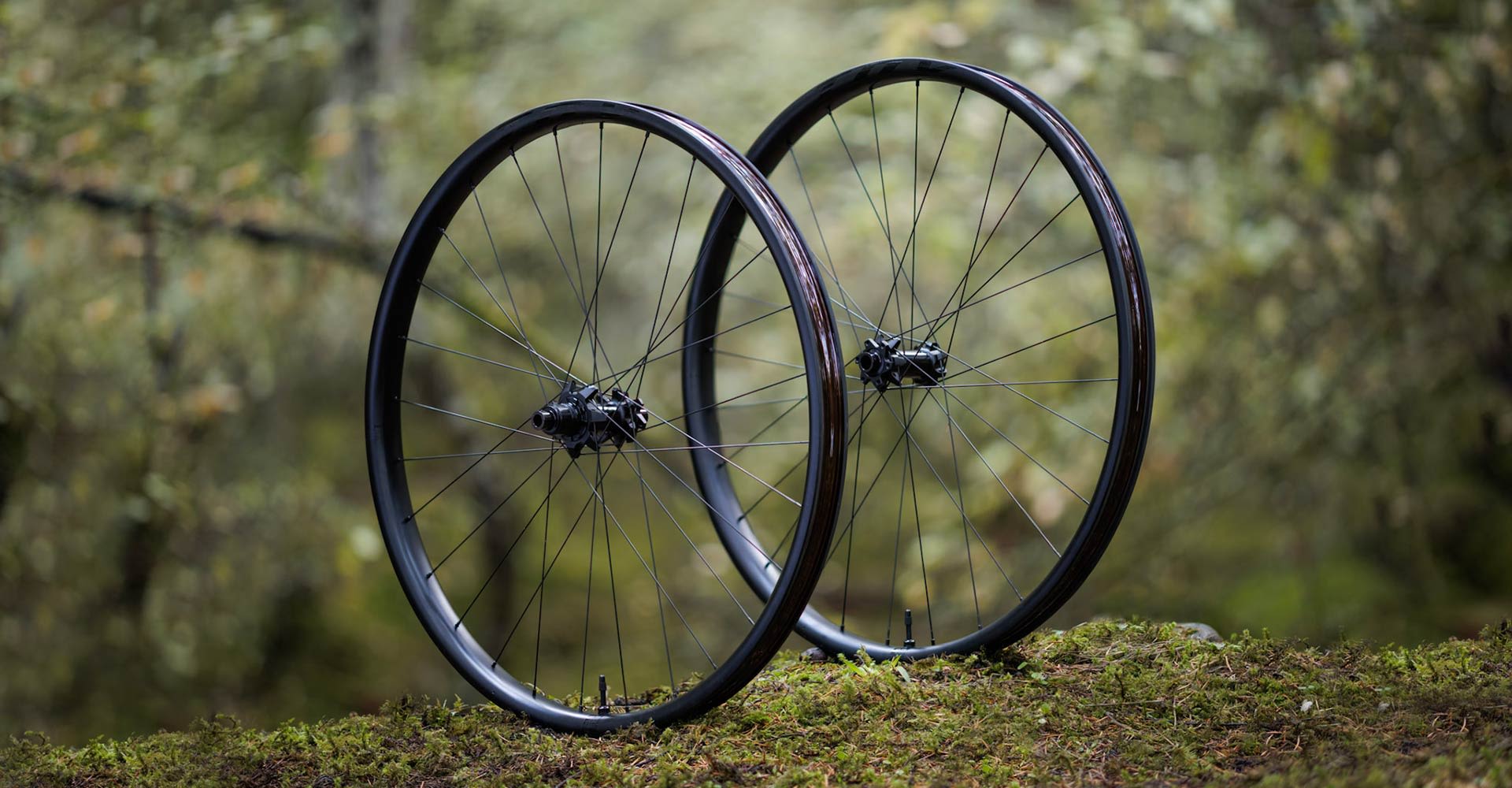
Credit: www.giant-bicycles.com
How To Choose The Right Wheels For Your Riding Style
Think about how and where you ride. This is the most important step. Ask yourself:
- Do you ride mostly smooth trails or rough, rocky ones?
- Do you want speed, or more grip and comfort?
- Are you a heavy or aggressive rider?
For Cross-country (xc)
- Look for light wheels (1500–1700g), 24–28 spokes, 25mm rim width
- Carbon is good if you race, but aluminum is fine for most
For Trail/all-mountain
- Go wider (27–30mm), 28–32 spokes
- Mid-weight (1700–1900g) for balance of strength and speed
For Enduro/downhill
- Strong, wide rims (30–35mm), 32 spokes, 1900g+
- Aluminum often better for hard hits, unless you need the lightest setup
If you’re not sure, pick a “trail” wheel—these work for most riders and trails.
Measuring For Fit: What To Check Before Buying
Before you order, measure:
- Wheel size: 27.5” or 29”
- Axle size: E.g., 15x110mm front, 12x148mm rear (Boost)
- Brake type: Disc (6-bolt or Center Lock) or rim
- Freehub type: Shimano HG, SRAM XD, or Micro Spline
- Rim width: Does it fit your tire size?
- Number of spokes: Must match your hubs if you’re re-using old ones
If you’re upgrading, remove your old wheels and measure everything. Write down the numbers or take photos.
Buying New Vs Used Wheels
New wheels give you a warranty and peace of mind. Used wheels can save money, but there are risks:
- Check for cracks or dents in rims
- Spin the wheel and check for wobble (out-of-true)
- Check if the bearings feel smooth, not rough
- Inspect spoke tension (should feel even, not loose or very tight)
- Make sure the freehub isn’t worn out
Used carbon wheels are risky; cracks can be hard to see and expensive to fix. For aluminum, small scratches are fine but avoid any with deep dents.
Tip: Always ask the seller for detailed photos and the reason for selling.
Where To Buy Mountain Bike Wheels
You have several options:
- Local bike shop: Expert help, fast service if there’s a problem
- Online retailers: Bigger selection, lower prices, but you need to know your specs (e.g., Jenson USA, Chain Reaction Cycles)
- Brand websites: Direct from makers like DT Swiss or Stan’s NoTubes
If buying online, double-check every measurement before ordering. Some shops will install the wheels for free if you buy from them.
For more detailed information about wheel standards and compatibility, you can visit the Wikipedia Bicycle Wheel page.
Upgrades And Accessories
When you buy new wheels, consider these upgrades:
- Tubeless valves and rim tape: Needed for tubeless setup
- New tires: Wider or more aggressive tires can boost performance
- Better rotors: Lighter or larger brake rotors for more stopping power
- Spare spokes and nipples: Useful if you break one on the trail
These small items can make your new wheels perform even better and last longer.
Common Mistakes When Buying Mountain Bike Wheels
Many riders make mistakes that cost money or cause problems. Here are some to avoid:
- Wrong size: Buying 27.5” wheels for a 29” bike (or vice versa)
- Incompatible axles: Getting the wrong axle type or width
- Wrong freehub: Cassette doesn’t fit your new wheel
- Too few spokes: Lightweight wheels for heavy/aggressive riding
- Overpaying for carbon: Choosing carbon for the “cool factor” when strong aluminum is better for your trails
- Ignoring rim width: Narrow rims for wide tires can cause poor handling and flats
- Not checking tubeless compatibility: Some wheels need extra parts or can’t be set up tubeless at all
Extra tip: Some riders upgrade wheels but keep old, worn-out tires. New tires can make a bigger difference than new wheels alone.
How To Care For Your New Wheels
Once you have your new wheels, taking care of them will keep them rolling smoothly for years.
- Check spoke tension: Every few months, make sure the spokes are evenly tight
- Inspect rims: Look for cracks or dents, especially after hard rides
- Keep hubs clean and greased: Prevents bearing wear
- Check tubeless sealant: Replace every 2–3 months
- True your wheels: If they wobble, have a shop fix them before it gets worse
Proper care means fewer problems and more fun on the trails.
Real-world Example: Upgrading Wheels
Let’s say you have a trail bike with stock wheels (27.5”, 23mm rim, 2000g, QR axles). You upgrade to 27.5”, 30mm rim, 1750g, thru-axle wheels. Here’s what changes:
- Better grip: Wider rims let you run wider tires at lower pressure
- Faster climbs: 250g less weight makes hills easier
- More control: Thru-axle means stiffer, more precise steering
- Lower risk of flats: Tubeless setup seals small punctures
Most riders notice a smoother, faster ride and more confidence in corners.
Comparing Mountain Bike Wheel Features
To help you compare, here’s a summary of key features and who they’re best for:
| Feature | XC/Marathon | Trail/All-Mountain | Enduro/Downhill |
|---|---|---|---|
| Rim Width | 23–25mm | 27–30mm | 30–35mm |
| Spokes | 24–28 | 28–32 | 32 |
| Weight (pair) | 1500–1700g | 1700–1900g | 1900–2100g+ |
| Material | Aluminum/Carbon | Aluminum/Carbon | Aluminum/Carbon |
| Best For | Climbing, Speed | All-around | Rough Trails |
Use this as a quick reference when comparing wheels for your bike.
Frequently Asked Questions
What’s The Difference Between Boost And Non-boost Wheels?
Boost refers to wider axle spacing (110mm front, 148mm rear) found on most modern mountain bikes. Boost wheels are stiffer and allow for wider tires and stronger wheels. Non-Boost (100mm front, 142mm rear) is found on older bikes. You can’t mix Boost wheels with non-Boost frames or forks.
Can I Use Road Bike Wheels On A Mountain Bike?
No, road wheels are not strong enough for off-road use and usually have different axle sizes and rim widths. Mountain bike wheels are built to handle rocks, roots, and impacts.
Is It Worth Upgrading To Carbon Wheels?
Carbon wheels are lighter and stiffer, which helps with acceleration and precision. But they cost much more, and repairs are expensive if you crack a rim. For most riders, high-quality aluminum wheels offer better value and durability.
How Do I Know If My Wheels Are Tubeless-ready?
Check the rim for a “tubeless-ready” or “tubeless-compatible” label. Look for a smooth, sealed rim bed and bead hooks to hold the tire. If unsure, check the manufacturer’s website or ask your local shop.
Should I Upgrade Wheels Or Tires First?
If your current wheels are in good shape, upgrading tires usually makes a bigger difference for grip and comfort. But if your wheels are heavy, damaged, or not tubeless-compatible, new wheels can transform your ride.
Choosing the right mountain bike wheels takes some research, but the payoff is huge. With the right wheels, your bike will feel faster, smoother, and more fun on every ride. Take your time, measure carefully, and enjoy your next adventure on the trails!

Hello Guys! I am John Reese, a professional biker and my hobby is biking! I have been biking for last 12 years and I love using bikes while outing as well. Based on my experiences with the different type of bikes (mountain bikes, road bikes and hybrid bikes); I am sharing my opinion about various bikes so that a beginner can get started right away. Happy reading!