
Choosing the right mountain bike saddle is one of the most important decisions for any rider, whether you’re new to the trails or have years of experience. A good saddle can transform your ride—making long trips comfortable, preventing pain, and even improving your performance.
But many beginners don’t realize how much the wrong saddle can hurt, both physically and mentally. If you’ve ever finished a ride with soreness, numbness, or even bruising, the saddle is often the reason. This guide is designed to help you find the ideal mountain bike saddle for your body, your riding style, and your goals.
You’ll get practical advice, clear comparisons, and a few surprising insights most riders miss at first. By the end, you’ll be ready to choose with confidence.
Understanding Mountain Bike Saddles
Mountain bike saddles are not just seats—they’re carefully designed equipment, made to support your body during tough rides. Unlike road bike saddles, mountain bike saddles must handle rough terrain, sudden movements, and constant changes in position.
Key Parts Of A Saddle
- Shell: The base of the saddle, usually made from plastic, carbon, or nylon. It affects flexibility and weight.
- Padding: Adds comfort, but too much can cause chafing. Usually made from foam or gel.
- Cover: The outer layer. Materials include synthetic leather, real leather, or durable fabrics.
- Rails: Attach the saddle to the bike. Can be steel, titanium, or carbon—each changes weight and shock absorption.
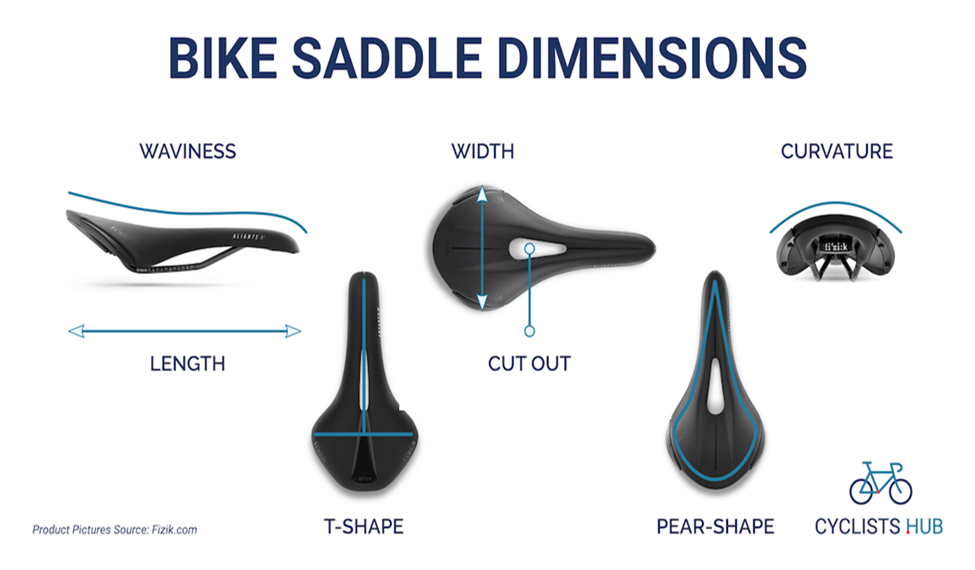
- Shape: Includes width, length, and curve. The shape is crucial for fit and comfort.
Types Of Mountain Bike Saddles
There are several main types, each designed for a different style of riding:
- Cross-country (XC) saddles: Light, narrow, minimal padding. Built for speed and efficiency.
- Trail saddles: Balance comfort and performance. Medium padding and width.
- Enduro/All-mountain saddles: More robust, extra padding for longer rides and rough terrain.
- Downhill saddles: Durable, often shorter, with heavy-duty covers. Comfort is less important since downhill riders stand more.
Riders often use the wrong type, thinking more padding equals more comfort. But too much padding can actually lead to numbness and pain, especially on long rides.
Factors That Matter When Choosing A Saddle
Every rider’s body is different, and so is their bike. Here’s what you need to think about before buying.
1. Riding Style
Your riding style influences everything about saddle choice:
- Casual/Leisure: Look for moderate padding and wider saddles.
- Aggressive/Competitive: Narrower, lighter saddles work better.
- Long-distance: Prioritize shape and support over soft padding.
2. Body Anatomy
The shape of your pelvis and the width between your sit bones (ischial tuberosities) are key. Most saddles are too narrow or too wide for the average rider. A saddle that fits your sit bones prevents pain and numbness.
Bike shops often have a sit bone measuring tool. You can also use cardboard and chalk to measure yourself at home.
3. Gender Differences
Women and men often need different saddle shapes. Women’s saddles are typically wider with shorter noses, while men’s are narrower. However, there’s no rule—you should choose what feels best.
4. Padding Amount And Material
Too much padding can compress your nerves and cause discomfort. Too little, and you’ll feel every bump. High-quality foam or gel is better than cheap, thick padding.
5. Saddle Shape And Curvature
Some saddles are flat, others have a curve or a raised tail. Flat saddles allow more movement. Curved saddles hold you in place. Choose based on your riding style.
6. Cutouts And Channels
Many saddles have a central cutout or groove to relieve pressure on sensitive areas. This can prevent numbness and pain, especially for riders who sit for long periods.
7. Weight
Competitive riders care about saddle weight. Carbon rails and shells reduce weight but cost more. For most riders, comfort is more important than saving a few grams.
8. Durability And Materials
Look for tough covers and strong rails. Synthetic materials often last longer than real leather, especially in wet conditions.
9. Price
Saddles range from $30 to $300+. Higher prices usually mean lighter materials and better craftsmanship, but not always more comfort. Don’t assume expensive equals better.
10. Test Ride Option
Many shops offer demo saddles or return policies. Testing is the best way to know if a saddle works for you.
Credit: fakali.org
Comparing Saddle Features
Let’s look at a side-by-side comparison of three common saddle types, based on shape, padding, weight, and best use.
| Type | Shape | Padding | Weight | Best Use |
|---|---|---|---|---|
| Cross-country | Narrow, flat | Minimal | 180-250g | Speed, racing |
| Trail | Medium, slightly curved | Moderate | 220-300g | General, mixed terrain |
| Enduro | Wide, curved | Extra | 250-350g | Long rides, rough trails |
How To Measure Your Sit Bone Width
One of the biggest mistakes beginners make is choosing a saddle that’s too narrow or too wide for their sit bones. It’s easy to measure at home:
- Place a piece of cardboard on a hard chair.
- Sit down with your feet flat and knees at 90 degrees.
- Lean forward slightly, as you would when riding.
- Stand up and look for two indents—these mark your sit bones.
- Measure the distance between the centers of the indents.
Add 10–20mm to this measurement to get your ideal saddle width. For example, if your sit bones are 120mm apart, look for saddles 130–140mm wide.
The Importance Of Proper Saddle Fit
A well-fitting saddle improves comfort, reduces pain, and prevents injury. But fit isn’t just about width—it includes angle, height, and position.
Saddle Angle
A level saddle is best for most riders. If the nose points down, you may slide forward and put extra pressure on your hands. If the nose points up, it can cause discomfort in sensitive areas.
Saddle Height
Your saddle should be high enough so your leg is almost straight at the bottom of the pedal stroke, but not locked. If it’s too low, you’ll lose power and strain your knees.
Saddle Position
Moving the saddle forward or backward changes how much weight you put on your hands and feet. Small adjustments can make a big difference. Many riders don’t realize that even a few millimeters can solve pain problems.
Materials: What’s Best For Mountain Bike Saddles?
The materials used in saddles affect weight, durability, and price.
Shell Materials
- Plastic/Nylon: Common, affordable, flexible.
- Carbon fiber: Light, stiff, expensive.
- Composite: Mix of materials, balancing weight and strength.
Padding Materials
- Foam: Most common, light, firm.
- Gel: Softer, absorbs shock, can compress over time.
- Memory foam: Molds to your shape, but may feel hot.
Cover Materials
- Synthetic leather: Durable, water-resistant.
- Real leather: Comfortable, ages well, needs care.
- Fabric: Grippy, dries fast, good for wet conditions.
Rail Materials
- Steel: Strong, affordable, heavy.
- Titanium: Lighter, absorbs shock, expensive.
- Carbon: Lightest, stiff, costly.
Here’s a comparison of common rail materials:
| Material | Weight | Shock Absorption | Durability | Price |
|---|---|---|---|---|
| Steel | Heavy | Moderate | High | Low |
| Titanium | Medium | Good | High | High |
| Carbon | Light | Average | Medium | Very high |

Credit: mbaction.com
Common Saddle Problems (and How To Fix Them)
Many riders face the same issues, but most don’t know the simple solutions.
1. Soreness And Bruising
Often caused by a saddle that’s too narrow or too soft. Try a firmer, wider saddle.
2. Numbness
Usually from too much pressure on nerves. Look for a saddle with a central cutout or adjust the angle to be more level.
3. Chafing
Can come from rough covers or too much movement. Choose a smooth, synthetic cover and proper fit.
4. Sliding Forward
Means your saddle nose is angled down. Adjust to level or slightly up.
5. Difficulty Pedaling
Often a sign that your saddle is too low or too far forward. Raise the height or move it back.
6. Unexplained Back Or Knee Pain
Usually from poor saddle position. Small adjustments—just 2–5mm—can solve these problems.
How To Test A Mountain Bike Saddle
Testing is the best way to know if a saddle works for you. Here’s how to do it right:
- Check shop policies: Many shops allow returns or demo saddles.
- Wear your usual riding gear: Shorts, shoes, even gloves.
- Ride your normal routes: Don’t just test in the parking lot.
- Pay attention to discomfort: It should feel good after 30–60 minutes.
- Try different angles and positions: Small changes can make a big difference.
Some brands also offer saddle “fit kits”—special tools or apps to help you choose.

Credit: www.amazon.com
Mistakes Beginners Make When Choosing A Saddle
Even experienced riders can make mistakes. Here are the most common:
- Buying based on looks: A stylish saddle doesn’t mean comfortable.
- Choosing too much padding: Extra foam often causes more pain.
- Ignoring sit bone width: Fit matters more than brand or price.
- Not testing before buying: Always try before you buy.
- Using the stock saddle forever: Most bikes come with basic saddles. Upgrading can change everything.
- Wrong gender-specific saddle: Men sometimes need women’s saddles, and vice versa.
- Neglecting saddle angle and position: Even the best saddle feels bad if installed wrong.
Mountain Bike Saddle Myths
There are many myths about saddles that can mislead new riders.
Myth 1: “soft Saddles Are Always More Comfortable.”
Soft saddles can cause pain by compressing nerves and tissues. Firmer saddles support your sit bones.
Myth 2: “expensive Means Better.”
High price often means lighter materials, not more comfort.
Myth 3: “all Saddles Fit All Riders.”
Every body is different. The best saddle for someone else may feel terrible for you.
Myth 4: “you Should Never Feel Discomfort.”
Some discomfort is normal at first, especially when switching to a new saddle. But pain should never last.
How To Choose A Saddle For Different Mountain Bike Types
Cross-country Bikes
- Choose narrow, light saddles.
- Minimal padding, flat shape.
- Focus on weight and performance.
Trail Bikes
- Medium width and padding.
- Slight curve for support.
- Look for durable covers.
Enduro Bikes
- Wide, thick padding.
- Curved shape, strong rails.
- Extra durability for rough rides.
Downhill Bikes
- Short, tough saddles.
- Heavy-duty covers.
- Standing is common, so comfort is less important.
Here’s a quick comparison:
| Bike Type | Saddle Width | Padding | Shape | Key Feature |
|---|---|---|---|---|
| Cross-country | 120-140mm | Minimal | Flat | Lightweight |
| Trail | 140-150mm | Moderate | Slightly curved | Balance |
| Enduro | 150-160mm | Extra | Curved | Durability |
| Downhill | Short | Minimal | Flat | Strength |
The Role Of Saddle Position And Bike Fit
Many riders don’t realize that a great saddle can feel bad if it’s installed incorrectly.
Adjusting Saddle Position
- Forward/Backward: Changes your balance. Too far forward strains hands. Too far back strains knees.
- Height: Affects pedal efficiency and injury risk.
- Angle: Prevents sliding and pressure.
Bike fit is a science. For serious riders, professional bike fitting can prevent injuries and boost comfort.
What About Dropper Posts?
Dropper posts let you change saddle height while riding. They’re popular on modern mountain bikes. Saddles for dropper posts should be strong and have reinforced rails. Flat shapes are better for quick position changes.
Women’s Saddles Vs. Men’s Saddles
Women’s saddles are usually wider with shorter noses. But many women prefer men’s saddles, and some men prefer women’s. Try both and see what feels best.
Should You Use A Saddle With A Cutout?
Cutouts reduce pressure and improve blood flow. They’re good for riders with numbness or pain. But some riders find cutouts uncomfortable. Try both types before deciding.
Practical Tips For Choosing Your Saddle
- Measure your sit bones.
- Decide your riding style.
- Choose the right padding and shape.
- Test before buying.
- Adjust angle and position after installation.
- Replace saddle if discomfort persists.
How To Maintain Your Saddle
- Clean regularly with mild soap and water.
- Inspect rails for cracks or bends.
- Check cover for wear—replace if torn.
- Store indoors to protect from sun and rain.
- Use a seat cover in bad weather.
A well-maintained saddle lasts longer and feels better.
Data: Saddle Comfort And Injury Rates
Studies show that saddle discomfort is the number one reason riders quit mountain biking. A survey by IMBA found that over 40% of riders reported saddle pain at least once a month. Proper saddle fit reduces injuries by up to 50%.
Recommended Brands
Some brands are known for quality saddles:
- Selle Italia: Wide range, good for all riders.
- WTB: Durable, popular with trail and enduro riders.
- Ergon: Ergonomic shapes, good for long rides.
- Fizik: Lightweight, high performance.
- Brooks: Classic leather saddles, comfortable but heavy.
Visit the official Selle Italia website for more details on saddle models and fit tools.
Frequently Asked Questions
What Is The Best Saddle Width For Mountain Biking?
The best saddle width is usually 10–20mm wider than your sit bone measurement. Most riders need saddles between 130–150mm wide. Measure your sit bones for accuracy.
Do I Need A Special Saddle For Women?
Women’s saddles are often wider and shorter-nosed, but not all women need them. Try both men’s and women’s saddles to see which fits best.
Will A Saddle With A Cutout Prevent Numbness?
A cutout can help relieve pressure and prevent numbness, especially for riders who sit for long periods. However, not everyone finds cutouts comfortable. Test before deciding.
How Long Does It Take To Get Used To A New Saddle?
It usually takes 2–4 weeks of regular riding to adjust to a new saddle. Some discomfort is normal at first, but pain should never last.
Is A More Expensive Saddle Always Better?
Higher prices often mean lighter materials, not more comfort. Choose based on fit and support, not price alone.
Finding the right mountain bike saddle is a journey, not a one-time decision. Take your time, measure carefully, and test before you commit. The right saddle will make every ride smoother, safer, and more enjoyable. With this guide, you’re ready to make an informed choice and avoid the common mistakes most riders make.
Happy trails!

Hello Guys! I am John Reese, a professional biker and my hobby is biking! I have been biking for last 12 years and I love using bikes while outing as well. Based on my experiences with the different type of bikes (mountain bikes, road bikes and hybrid bikes); I am sharing my opinion about various bikes so that a beginner can get started right away. Happy reading!