
Many mountain bikers know the excitement of hitting a new trail or riding through rugged terrain. But few realize how much the right pedals can change the whole riding experience. Choosing mountain bike pedals is not just about what looks good on your bike—it’s about performance, comfort, safety, and even your growth as a rider.
The wrong pedals can make every ride harder, while the right ones can boost your confidence and control. If you’re not sure where to start, don’t worry. This guide will help you understand all the important points, from pedal types to the small details that often get missed.
Why Mountain Bike Pedals Matter
Pedals are your main connection to the bike. They affect your power transfer, control, and safety. A good pedal choice matches your riding style, your shoe choice, and the terrain you ride most. For example, downhill riders need strong grip and quick release, while cross-country racers want lightweight efficiency.
Many beginners think pedals are just a small accessory. But even advanced riders can unlock better results with the right pedal setup. If your feet slip often, or you feel tired after short rides, your pedals might be to blame.
Choosing wisely means you ride longer, safer, and with more fun.
Main Types Of Mountain Bike Pedals
Let’s start with the basics. There are two main types:
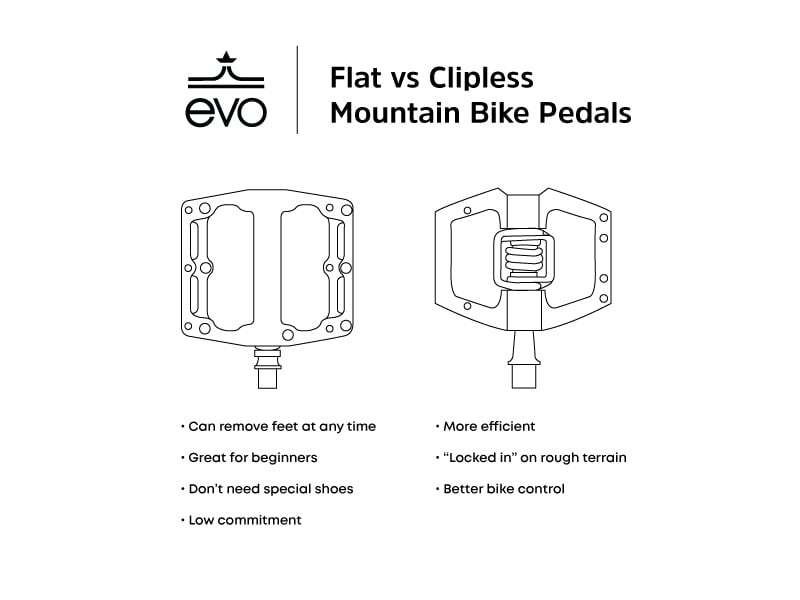
Flat Pedals
Flat pedals have a wide, flat platform. Your foot sits on top, with no attachment. They’re great for:
- Beginners: Easier to put your foot down quickly
- Trail/Enduro/Dirt Jump: More freedom to move your feet
- Technical riding: Easier to recover from slips
Most flat pedals use pins for grip. Some are made of plastic (composite) and others from metal (alloy).
Clipless Pedals
The name is confusing—clipless means your shoes “clip in” to the pedal using a cleat on the shoe’s sole.
- Cross-country (XC) and racing: More power, efficient pedaling
- Rough climbs: Keeps your feet from slipping off
- Long rides: Less foot fatigue
Clipless pedals come in different shapes, but all use a locking mechanism. You twist your heel to release.
Hybrid/combination Pedals
These pedals have a flat side and a clipless side. You can ride with regular shoes or with clipless shoes. They’re good for:
- Commuters
- Riders who switch styles often
- Trying out clipless without full commitment
Flat Vs. Clipless Pedals: Key Differences
Choosing between flat and clipless pedals is the biggest decision. Here’s a quick side-by-side comparison for clarity:
| Feature | Flat Pedals | Clipless Pedals |
|---|---|---|
| Foot Security | Foot rests on pedal, held by shoe grip and pins | Foot is locked in by a cleat, released with a twist |
| Learning Curve | Very easy for beginners | Takes time to learn clipping in/out |
| Efficiency | Lower power transfer, some energy wasted | High power transfer, efficient pedaling |
| Safety | Easy to put foot down instantly | Can be hard to unclip in a panic |
| Weight | Often heavier (especially metal) | Lighter models available |
| Foot Placement | Can move foot anywhere on platform | Fixed position (limited float) |
Important Factors To Consider
Picking the right pedal is about more than type. Here are the key factors that decide what will work best for you:
1. Riding Style
- Trail/All-Mountain: Both flat and clipless work. Flats give freedom, clipless boost uphill climbing.
- Downhill (DH): Most pros use flat pedals for quick foot removal.
- Cross-Country (XC): Clipless is most common for efficiency.
- Freeride/Dirt Jump: Flat pedals rule for tricks and foot movement.
Think about where you ride most, and what feels safer and more fun.
2. Shoe Compatibility
Your shoes must match your pedal type. Flat pedals need grippy, flat-bottom shoes. Clipless pedals need shoes with cleat mounts (usually marked “2-bolt SPD” or similar).
3. Pedal Platform Size
- Larger platforms give more support, reduce foot fatigue, and are forgiving for beginners.
- Smaller platforms are lighter and may suit racers or those with smaller feet.
Try to match pedal size to your shoe size.
4. Pedal Material
- Plastic/Composite: Lighter, cheaper, but less durable.
- Aluminum/Alloy: Tough, long-lasting, better for hard riding.
- Magnesium/Titanium: Super light, but expensive.
Many beginners miss that lighter isn’t always better—a tough pedal can handle more abuse.
5. Grip And Traction
- Pins: Most flat pedals use metal pins for grip. More pins mean better hold, but also more chance to cut your shins if you slip.
- Adjustable pins: Some pedals let you change pin height for more or less grip.
- Surface texture: Some pedals have extra grip patterns.
6. Maintenance And Durability
- Sealed bearings last longer and need less care.
- Bushings are lighter but wear faster.
- Easy service: Can you replace pins, axles, or bearings? Some brands offer full rebuild kits.
7. Weight
Pedal weight can affect your bike’s feel, especially for racers. But for most riders, comfort and grip matter more than saving a few grams.
8. Float And Release Tension (clipless Only)
- Float is the degree your shoe can pivot side-to-side before release. More float is easier on knees.
- Release tension is how hard you must twist your foot to unclip. Beginners should set this low.
Many riders overlook float, but it makes a big difference for joint comfort.
9. Price
- Entry-level pedals start around $30.
- Premium pedals can cost over $200.
- Expensive isn’t always better. Match your budget to your needs.
Flat Pedals: What To Look For
If you decide on flat pedals, focus on these details:
Platform Shape And Size
Look for a shape that supports your foot well. Wide, slightly concave platforms are popular for better grip and comfort. Too small, and your foot may slide off.
Pin Layout And Type
- Number: More pins = more grip.
- Position: Pins at the edges help most.
- Removability: Can you change or replace pins if they wear out or break?
Axle Material
- Chromoly steel is strong and common.
- Titanium is lighter but expensive.
- Avoid plastic axles for hard riding.
Bearings And Bushings
Pedals with sealed cartridge bearings last longer and spin smoothly. Some cheap pedals use bushings, which wear out faster.
Real-world Example
The Race Face Chester is a popular composite flat pedal, praised for its grip and durability at a reasonable price. Many riders start with these before upgrading.
Clipless Pedals: What To Look For
If clipless is your choice, pay attention to:
Cleat Compatibility
Most mountain clipless pedals use the SPD system (from Shimano). Some brands use their own cleats, but SPD is most common. Make sure your shoes match.
Pedal Mechanism
- Single-sided: Easier for beginners—can only clip in on one side.
- Double-sided: You can clip in on either side, great for technical trails.
Platform Size
Some clipless pedals have a small platform, others a big one. Bigger platforms give more stability, especially if you miss clipping in.
Adjustable Release
Many pedals let you adjust how much force it takes to unclip. Start low and increase as you get confident.
Example
The Shimano PD-M520 is a classic beginner’s clipless pedal, affordable and reliable, with easy tension adjustment.
Hybrid Pedals: Best Of Both Worlds?
Hybrid pedals are for those who want flexibility. One side is flat, the other is clipless. They’re great if you ride in different shoes (for example, casual shoes to work, cycling shoes on trails). The downside: the pedals are heavier, and you must look down to get the right side.
Key Mistakes To Avoid
Many riders make the same errors when choosing pedals. Here’s what to watch out for:
- Choosing by looks only: Fancy colors don’t help your ride.
- Not matching shoes and pedals: Flat shoes with clipless pedals or vice versa doesn’t work.
- Ignoring platform size: Too small or too big makes rides uncomfortable.
- Forgetting about maintenance: Cheap pedals often can’t be rebuilt—costs add up over time.
- Setting release tension too high: For clipless, this can cause falls when you can’t unclip fast enough.
- Going ultra-light for no reason: Unless you race, durability and grip matter more than weight.
Credit: www.evo.com
How To Choose Pedals For Different Riding Styles
Your style and terrain matter most. Here are some examples:
Downhill And Enduro
- Flat pedals are popular for quick foot-down moves.
- Look for wide platforms and lots of pins.
- Extra strong axles and metal bodies are best.
Cross-country (xc)
- Clipless pedals are standard for efficient climbing.
- Lightweight, small platforms save weight.
- Double-sided entry is helpful for fast starts.
Trail And All-mountain
- Both types work—pick what feels best for your skill and confidence.
- Hybrid pedals can be good for mixed terrain.
Bike Parks And Dirt Jump
- Flat pedals allow for tricks and quick foot movement.
- Tough, replaceable pins are key.
Shoe And Pedal Matching
Pedal choice means little without the right shoes. Here’s a quick compatibility guide:
| Shoe Type | Best Pedal Type | Notes |
|---|---|---|
| Flat-soled MTB shoes | Flat pedals | Look for sticky rubber for best grip |
| SPD/2-bolt shoes | Clipless pedals | Cleats screw into sole; walkable |
| Casual shoes | Flat or hybrid pedals | Less grip and support |
| 3-bolt road shoes | Not for mountain pedals | Wrong cleat pattern, not recommended |
Advanced Features Worth Knowing
Some pedal features are easy to miss, but can make a big difference:
Serviceability
Pedals with replaceable pins, bearings, and axles can last for years. Brands like Crankbrothers and Shimano offer full rebuild kits.
Sealed Vs. Loose Bearings
- Sealed: Keep dirt out, last longer, less maintenance.
- Loose ball bearings: Cheaper, need more frequent cleaning.
Concave Platform Design
A slight dip in the middle of a flat pedal holds your shoe better. This small detail can add a lot of grip on rough trails.
Mud Shedding
Clipless pedals with open designs (like Shimano XT or Crankbrothers Eggbeater) work better in muddy conditions. If you ride in the wet, this matters.
Q-factor
This is the distance from the pedal to the bike’s center. Wider Q-factor gives more stability, but can feel awkward if too wide. Some pedals let you adjust this.
Real-world Stats And Data
Studies show that clipless pedals can improve power transfer by 10-15% for trained riders. But for most beginners, the difference is smaller—confidence and control matter more.
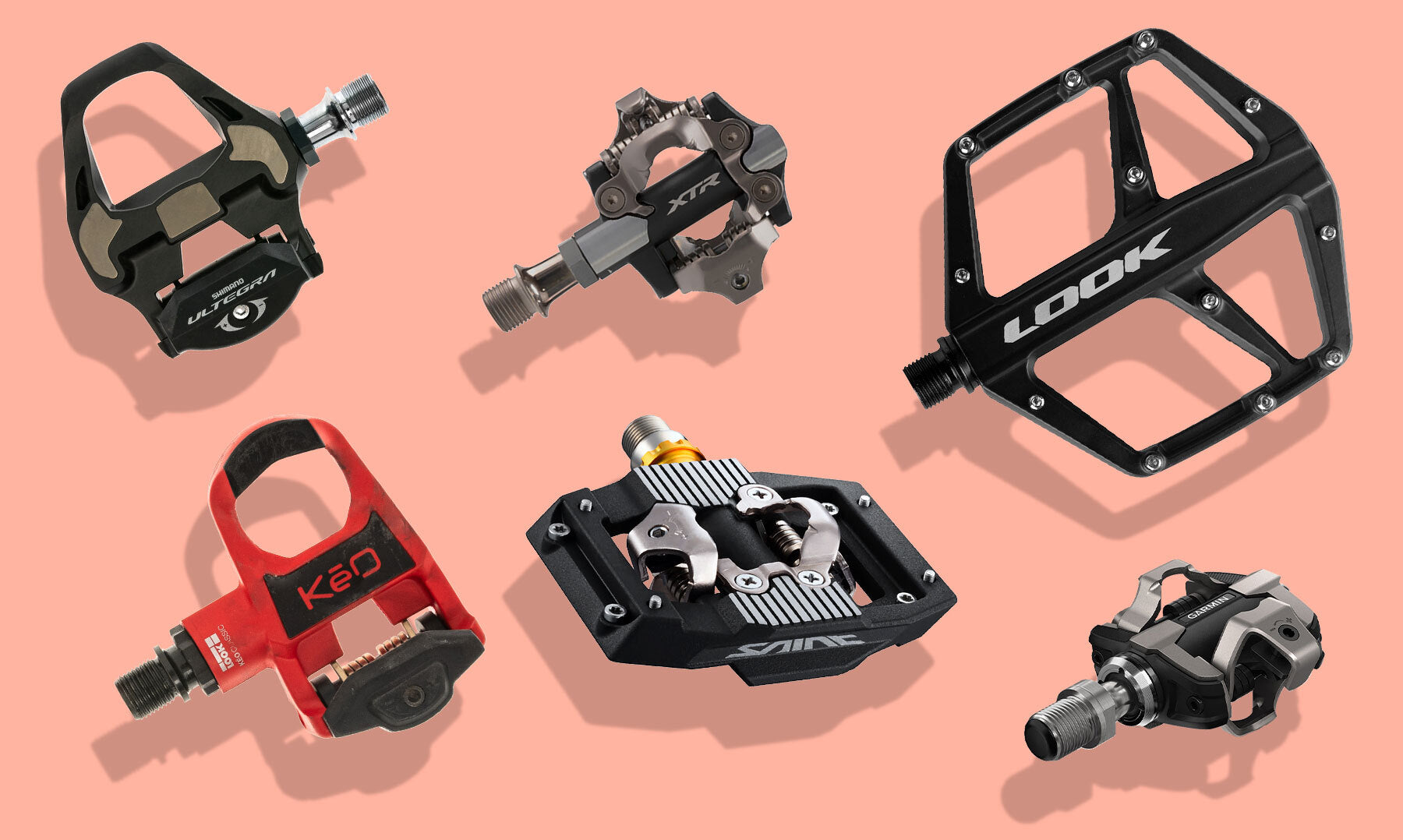
In a 2026 survey by Pinkbike, about 60% of enduro and downhill riders preferred flat pedals, while 80% of XC racers used clipless. This shows the importance of matching pedals to your style.
Credit: www.theproscloset.com
How To Test And Choose
Trying pedals in person is best, but here are practical steps:
- Think about your main trails: Technical, steep, or smooth?
- Be honest about your skill: Nervous about falls? Start with flats.
- Borrow or rent: Many shops let you test before buying.
- Try both types: Many pros use flats to learn skills, then switch to clipless for racing.
Upgrading Your Pedals: When And Why
You might start with cheap pedals, but upgrading can boost your ride. Signs it’s time:
- Your feet slip often, even with good shoes
- Pedals are bent, noisy, or spin poorly
- You want more control or efficiency
A small investment in quality pedals can last for years, especially if you service them.
Pedal Brands Worth Considering
Some well-known brands for flat pedals:
- Race Face
- OneUp Components
- Crankbrothers
- DMR
- Shimano
For clipless:
- Shimano
- Crankbrothers
- Time
- Look
- HT Components
Each brand has different shapes and features—try to see them in person if possible.
Setting Up Your Pedals For Success
Once you buy pedals, don’t forget setup:
For Flats
- Adjust pin height for grip
- Check axle tightness often
- Clean after muddy rides
For Clipless
- Start with low release tension
- Practice clipping in and out while leaning against a wall
- Check cleat screws often—they can loosen
A common mistake: not maintaining pedals. Dirt and water can damage bearings, making pedals rough and noisy.
When To Replace Your Pedals
No pedal lasts forever. Replace if:
- The platform is bent or cracked
- Bearings are rough, even after service
- Clipless mechanisms won’t hold your shoe securely
Don’t wait until a pedal breaks on the trail—it’s dangerous.
Upgrading Other Pedal Parts
Some pedals let you upgrade axles (to titanium) or swap pin types. This can save weight or add grip without buying all-new pedals.
Environmental Impact
Many brands now use recycled materials and offer rebuild kits to reduce waste. Choosing durable, rebuildable pedals is better for the planet and your wallet.
Two Insights Most Beginners Miss
- Skill development: Many pro riders practice with flat pedals, even if they race with clipless. Flats teach better technique because you must keep your foot position correct, not just rely on the pedal holding you.
- Foot pain is often pedal-related: If your feet hurt after rides, a larger platform or softer pins (or switching pedal types) may solve the problem.
Where To Learn More
If you want to see pedal types in action, check out the detailed guides on BikeRadar. Seeing pedals on real bikes can help you decide.
Frequently Asked Questions
What Are The Best Pedals For Beginners?
For most beginners, flat pedals are best. They let you put your foot down quickly, making it easier to build confidence and learn bike skills. Look for a pedal with a wide platform, good grip, and sealed bearings for low maintenance.
Can I Use Regular Shoes With Mountain Bike Pedals?
You can use regular shoes with flat pedals, but you’ll get better grip and comfort with shoes made for mountain biking. For clipless pedals, you need special shoes with cleat mounts.
Are Clipless Pedals Dangerous For New Riders?
They can be, if you’re not used to clipping in and out. Many riders fall over at least once while learning. Start with the release tension set low, and practice in a safe place before hitting the trails.
How Often Should I Service Or Replace My Pedals?
Check your pedals every few months, or after muddy rides. Service them if they feel rough or noisy. Replace them if the bearings are worn out or the body is damaged.
Do Expensive Pedals Make A Big Difference?
High-end pedals often have smoother bearings, lighter weight, or more features. But for most riders, a good mid-range pedal offers all the performance needed. Focus on shape, grip, and durability first.
Choosing the right mountain bike pedals is one of the most important upgrades you can make. The perfect pedals match your style, your shoes, and your trails—and make every ride more fun and safe. Take your time, try different options, and don’t be afraid to experiment.
With the right pedals, the trail will feel better under your feet every time.

Credit: www.youtube.com

Hello Guys! I am John Reese, a professional biker and my hobby is biking! I have been biking for last 12 years and I love using bikes while outing as well. Based on my experiences with the different type of bikes (mountain bikes, road bikes and hybrid bikes); I am sharing my opinion about various bikes so that a beginner can get started right away. Happy reading!